Your Quick Fukuoka Guide
So you're planning a trip to Japan and Fukuoka popped up on your radar. Maybe you saw pictures of the huge Canal City complex, heard about the legendary tonkotsu ramen, or got intrigued by the ancient temples. But here's the big question staring you in the face: is 2 days enough in Fukuoka to actually see anything worthwhile, or are you just setting yourself up for a frantic, unsatisfying dash?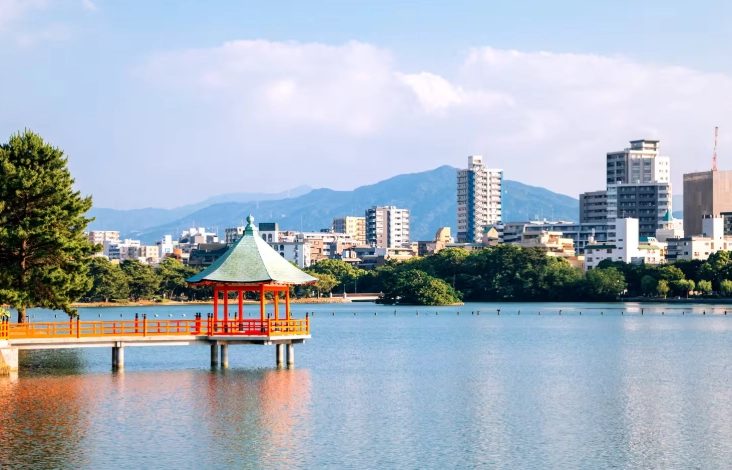
I've been there. My first time planning a Kyushu trip, I stared at the map, saw how compact Fukuoka looked, and thought, "Sure, two full days should cover it." Then I started digging into what the city actually offers—the food scene alone is a multi-day adventure—and the doubt crept in.
Let's cut through the generic travel blog fluff. The honest, practical answer is: Yes, two days in Fukuoka is enough to get a fantastic, fulfilling taste of the city. You won't see everything, and you'll leave wanting more (which is a good thing), but you can absolutely experience its core identity—the vibrant modern city life of Tenjin and Hakata, the serene historical pockets, and the world-class food. The key isn't having more time; it's having a smart plan for the time you do have.
Think of it like this. If you tried to do all of Tokyo in two days, you'd fail miserably and be exhausted. Fukuoka is different. It's a major city with a surprisingly manageable scale. Many of its best attractions are clustered together or a short subway ride apart. That's what makes a 2-day Fukuoka itinerary not just possible, but genuinely enjoyable. You can have a relaxed morning at a shrine, a mind-blowing lunch at a yatai (food stall), do some shopping, and still have energy for a great dinner, all without feeling like you're on a forced march.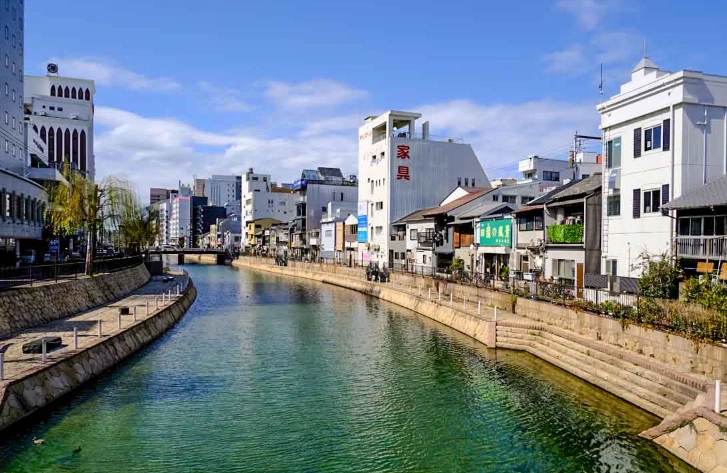
The Bottom Line Up Front: For most travelers, especially first-timers to Japan or those on a wider Kyushu/Japan tour, two days is the sweet spot for Fukuoka. It's sufficient to check off the major highlights, soak in the atmosphere, and eat extremely well. You'll cover the essentials without burnout. The real debate starts when you ask if you need a third day for deeper day trips or pure relaxation.
What Can You Realistically Do in Fukuoka in 48 Hours?
Okay, enough theory. Let's build a real, actionable schedule. This isn't a rigid minute-by-minute prison; it's a framework. Mix and match based on whether you're a foodie, a history buff, or a shopaholic.
The Core 2-Day Fukuoka Itinerary (The Highlights Version)
This itinerary assumes you have two full days, not counting arrival/departure days. It's paced for enjoyment, not exhaustion.
Day 1: Hakata Spirit & Modern Wonders
Start your day in Hakata, the old merchant heart of the city. Head straight to Hakutaku (Kushida Shrine). It's not the biggest shrine you'll see in Japan, but it's the most important in Fukuoka, famous for the spectacular Yamakasa floats displayed year-round. The atmosphere is peaceful, a perfect calm before the city buzz. From there, it's a short walk to the Hakata Machiya Folk Museum. This place is a gem. It recreates a Meiji/Taisho-era merchant's house and street, and you can sometimes catch traditional craft demonstrations. It gives crucial context to the city's history.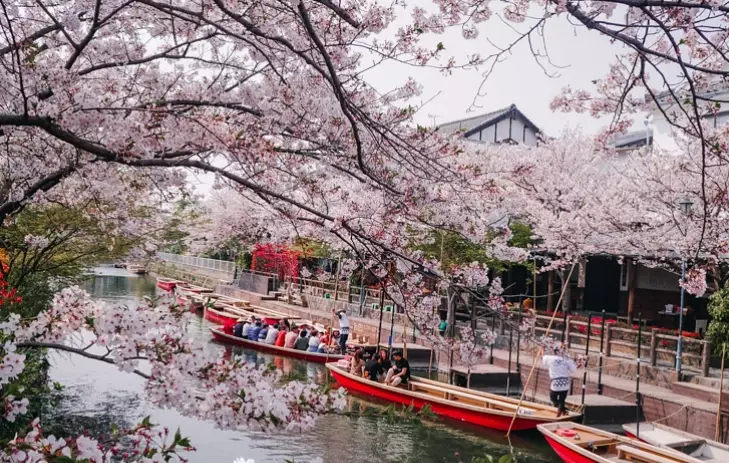
Now for the modern contrast. Hop on the subway (just a few stops) or take a pleasant walk along the river to Canal City Hakata. Yes, it's a shopping mall. But it's a spectacle—a giant, crescent-shaped complex with a canal running through the middle, hourly fountain shows, and a wild, chaotic energy. Even if you're not shopping, it's worth seeing. Lunch? You're in the ramen homeland. The Ramen Stadium on the 5th floor houses eight famous ramen shops from across Japan. It's a perfect, low-pressure way to try tonkotsu ramen (or a different style) without having to hunt down a specific shop.
Spend your afternoon exploring the Tenjin area, Fukuoka's bustling downtown. This is where you'll find the major department stores (Mitsukoshi, Daimaru) and endless boutique streets like the Kawabata Shopping Arcade. For a green escape, duck into Ohori Park, a beautiful large park built around a former moat of Fukuoka Castle, with a lovely Japanese garden next door. As evening falls, this is the moment you've been waiting for. Head to the Nakasu area, specifically along the Naka River between Tenjin and Nakasu Island. As dusk settles, dozens of yatai (open-air food stalls) magically appear. Squeeze onto a stool, order some yakitori, a plate of gyoza, and a beer, and soak in the uniquely Fukuoka experience. It's the best answer to "what is Fukuoka's vibe?"
Is 2 days enough in Fukuoka to experience its famous nightlife and food? Day 1 proves you can absolutely hit the yatai scene and get a legendary ramen fix.
Day 2: History, Views, and Seaside Serenity
Start your second day with a trip back in time. Take the Nishitetsu train from Tenjin Station to Dazaifu (about 30-40 minutes). This was the ancient administrative capital of Kyushu for centuries. The star here is the beautiful Dazaifu Tenmangu Shrine, dedicated to the god of learning (it's swarmed by students during exam season). The approach is lined with shops selling the local specialty, umegae mochi (grilled rice cakes with red bean paste)—get one. The shrine grounds are expansive and serene. While you're there, check out the sleek, striking Kyushu National Museum nearby, the only national museum in Japan focused on the history of cultural exchange.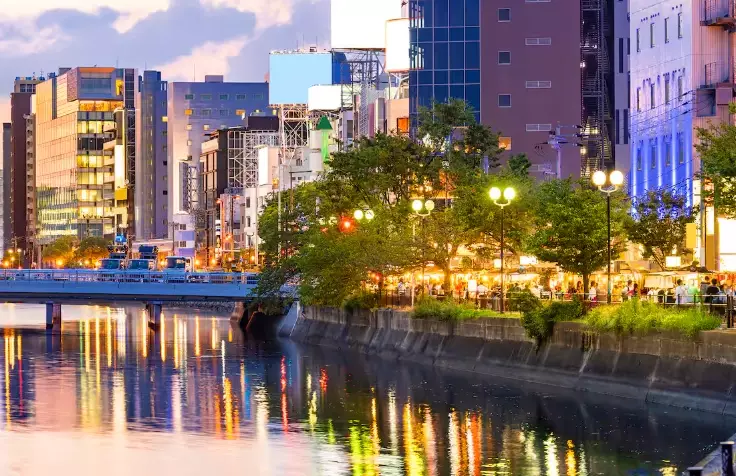
Pro Tip: Dazaifu is a popular half-day trip. Going early helps you avoid the biggest crowds, especially at the shrine. The train ride itself is part of the charm, leaving the skyscrapers behind for suburban and rural views.
Return to Fukuoka by early afternoon. Now, let's get a panoramic view. Head to Fukuoka Tower, the tallest seaside tower in Japan. On a clear day, the 360-degree view from the observation deck is stunning—you can see the city, the harbor, and across to Shikanoshima Island. Right next door is Momochihama, an artificial beach and seaside park. It's not for swimming (usually), but it's perfect for a stroll, feeling the sea breeze, and seeing the quirky Fukuoka City Museum (shaped like a black lacquerware box).
For your final evening, you have options. You could do a deep dive into Hakata's craft at a Hakata-ori (traditional textile) weaving demonstration or shop. Or, if you feel like you haven't eaten enough (a common feeling here), explore the ramen shops in the backstreets of Hakata Station, like the legendary Ichiran head office (with its unique solo-dining booths) or one of the countless other local favorites. A final stroll through the illuminated streets of Tenjin makes for a great farewell.
When 2 Days in Fukuoka Might NOT Feel Like Enough
Let's be fair. While I firmly believe two days in Fukuoka is enough for a great first visit, there are valid reasons you might want to stretch it to three or even four days. It's not that two days is insufficient; it's that Fukuoka has more to offer than just its core highlights, and it's also a fantastic base.
If any of these sound like you, consider adding a day:
- You're a die-hard foodie on a mission. Fukuoka's food scene isn't just ramen and yatai. There's incredible motsunabe (offal hotpot), fresh seafood from the Genkai Sea, Hakata-style sushi, and a thriving cafe culture. Trying to cram a dedicated ramen shop visit, a yatai experience, a proper sushi meal, and a motsunabe dinner into two days is a delicious but gluttonous rush.
- You want to take it slow and soak it in. Maybe you don't want to move from shrine to museum to tower. Maybe you want to spend a lazy afternoon in Ohori Park reading a book, or get lost in the underground shopping malls of Tenjin without a schedule. Two days can feel rushed if your travel style is inherently slow.
- Day trips are calling your name. This is the biggest reason to add time. Fukuoka is the perfect launchpad for some incredible days out. With just one extra day, you could visit:
The Day Trip Dilemma: If a day trip to a place like Yanagawa (the "Venice of Japan" with its canal boat rides) or the pottery town of Arita is a must-do for you, then a standard 2-day Fukuoka itinerary becomes tight. You'd essentially be sacrificing a full day of exploring the city itself. In that case, framing it as "3 days in Fukuoka with a day trip" is more honest.
| Potential Day Trip | Travel Time (One Way) | Why It's Worth It | Best For... |
|---|---|---|---|
| Yanagawa | ~50 min by train | Scenic, relaxed boat rides through willow-lined canals, followed by delicious unagi (eel) cuisine. | Couples, photographers, those seeking a peaceful contrast. |
| Nanzoin Temple (Reclining Buddha) | ~30 min by train | Home to one of the world's largest bronze reclining Buddha statues—a truly impressive sight. | Culture seekers, those interested in Buddhism. |
| Uminonakamichi Seaside Park | ~40 min by train/bus | A massive flower-filled park by the sea with cycling paths, gardens, and an aquarium. Stunning in spring and autumn. | Families, nature lovers, cyclists. |
| Shikanoshima Island | ~45 min by bus | A quiet island getaway with beaches, seafood restaurants, and the historic Shikaumi Shrine. | Beach strolls, fresh seafood, escaping the city. |
See what I mean? The question "is 2 days enough in Fukuoka" often morphs into "is 2 days enough for Fukuoka AND..." If the "AND" involves a major day trip, then no, you probably need a third day to avoid feeling cheated.
Making Your 2 Days Count: Practical Tips & Tricks
Alright, you're committed to the 2-day plan. Here’s how to maximize every hour and avoid common pitfalls.
Getting Around: It's Easier Than You Think
Fukuoka's subway system (the Fukuoka City Subway) is simple, with just three lines (Airport, Hakozaki, and Nanakuma). It connects Hakata Station, Tenjin, and the major sights. For a two-day visit, a One-Day Pass (¥620 for adults) on your busiest day is a no-brainer. For the other day, you might just use a prepaid IC card (SUICA, ICOCA, etc.) for a few rides. Buses are also comprehensive but can be trickier for first-timers. Walking between Tenjin and Hakata areas is very doable (about 20-25 minutes) and lets you see the city up close.
Where to Stay: Location is Everything
With only 48 hours, don't waste time on long commutes. Your best bets are:
- Hakata Station Area: Ultimate convenience for arrivals/departures (airport line direct), and packed with restaurants and shops. You're right at the transport hub.
- Tenjin Area: The heart of shopping, dining, and nightlife. More upscale and vibrant. Closer to Ohori Park and the yatai on the Naka River.
I stayed near Hakata Station on my last trip and loved rolling out of bed, grabbing a coffee from the station concourse, and being at Kushida Shrine in 10 minutes. It felt efficient.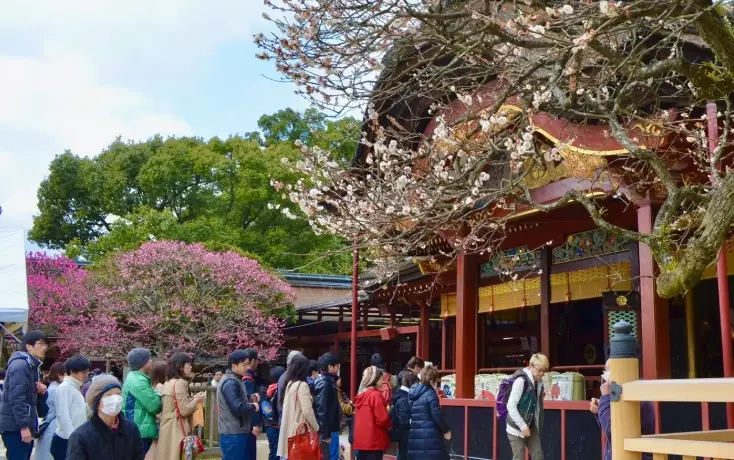
The Food Game Plan
Must-Try Fukuoka Foods & Where to Find Them:
- Tonkotsu Ramen: The holy grail. Creamy, pork-bone broth. Try it at a specialty shop (like Ichiran, Ippudo, or a local favorite) AND at a yatai for different experiences.
- Motsunabe: A Fukuoka original. A hearty, flavorful hotpot with beef or pork offal and vegetables. Perfect for a group dinner.
- Yatai Grills: Yakitori (skewers), gyoza (pan-fried dumplings), and oden (simmered dishes) from the street stalls. It's about the atmosphere as much as the food.
- Mentai (Spicy Cod Roe): A local staple. Try it on pasta, as mentaiko rice balls, or in various dishes.
- Hakata-style Sushi: Known for its lighter vinegar seasoning on the rice.
My strategy? Don't over-plan meals. Have one or two "target" restaurants (maybe a famous ramen shop for lunch one day), but leave room for spontaneity. See a busy local izakaya? Go in. Spot a bakery with a line? Join it. Some of my best Fukuoka meals were unplanned discoveries.
Answering Your Burning Questions (FAQs)
The Final Verdict: So, Is 2 Days Enough in Fukuoka?
Let's wrap this up. After all this detail, what's the final call?
For the vast majority of travelers—especially those visiting Japan for the first time or those incorporating Fukuoka into a broader journey—two full days is perfectly adequate and highly recommended. It allows you to experience the city's unique blend of ancient and modern, to eat some of Japan's best comfort food, and to leave with a clear, positive sense of what Fukuoka is all about. You'll see the major sights, from Kushida Shrine to Canal City, and you'll get that essential taste of local life at the yatai stalls.
The people who ask "is 2 days enough in Fukuoka" and then feel disappointed are usually the ones who tried to do too much, or who didn't prioritize. You can't do a deep dive into history, a full-day spa retreat, a food tour of five different specialties, and a day trip to Yanagawa in 48 hours. You have to choose.
So, go ahead and book those two days. Build your itinerary around one major attraction per half-day, leave room for wandering and eating, and focus on the core Hakata/Tenjin areas. You'll have a blast. And if you find yourself loving it so much that you're already dreaming of a return trip to see the rest of Kyushu... well, that just means Fukuoka did its job perfectly.
In the end, a well-planned 2-day visit is not a compromise. It's an invitation.



Comments