Let's get one thing straight. Nagano food isn't just about eating; it's about tasting a place shaped by mountains, clean water, and cold winters. Forget the flashy sushi trains of Tokyo or the okonomiyaki stalls of Osaka. Here, the flavors are earthy, hearty, and honest. It's food that makes sense once you've felt the crisp alpine air. I've spent years poking around its valleys, and the biggest mistake visitors make is rushing through. They grab a bowl of soba and check the box. But you're missing the soul of it.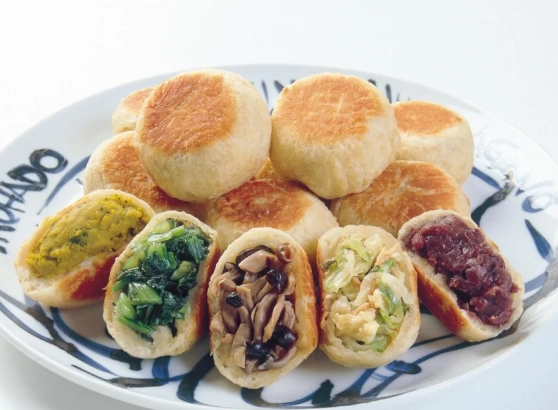
Your Nagano Food Journey Starts Here
Nagano's Core Culinary Pillars
Three things define the local table: buckwheat, fermented beans, and fruit. Understanding this trinity is key.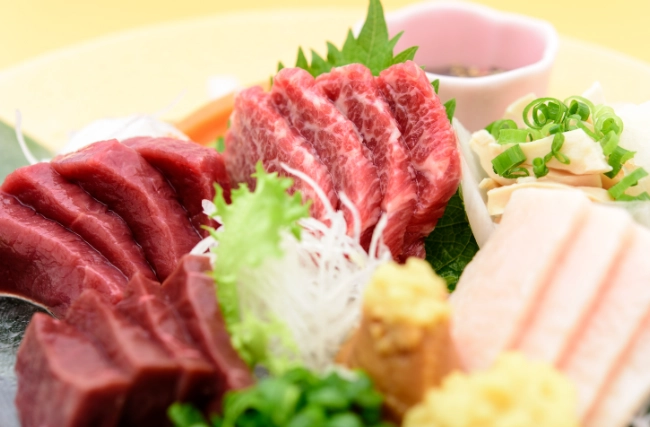
Shinshu Soba: More Than Just Noodles
Nagano's soba is legendary. The high-altitude climate and mineral-rich soil create buckwheat with exceptional flavor. The best shops mill their own flour daily. You'll see two main types: kikouchi (a mix of buckwheat and wheat flour, smoother) and juuwari (100% buckwheat, more rustic and fragile).
Here's a tip most blogs won't tell you: don't just order the cold zaru soba. In winter, seek out kake soba in a hot, savory broth. Or try goheimochi, a grilled rice cake slathered in a nutty miso-based paste, often found at the same soba-ya. It's the perfect starter.
Shinshu Miso: The Umami Backbone
Nagano produces over 40% of Japan's miso. The dry, cool air is perfect for fermentation. This isn't the overly sweet stuff you might know. Shinshu miso is typically a golden yellow, with a balanced, robust saltiness and deep umami. It's in everything.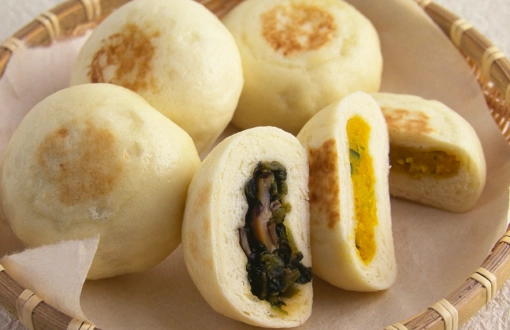
You'll taste it in miso oden (a winter stew), miso-zuke (pickles), and the iconic miso katsu—a pork cutlet drowned in a rich, miso-based sauce that's a world away from its tonkatsu cousin. Locals drink miso soup for breakfast, lunch, and dinner. It's the heartbeat of the kitchen.
Fruit: The Sweet Counterpoint
Nagano's sunny days and cool nights are fruit heaven. The Shinano Gold apple is a local superstar—crisp, honey-sweet, and less acidic. But it's not just apples. Grapes, peaches, and blueberries thrive here.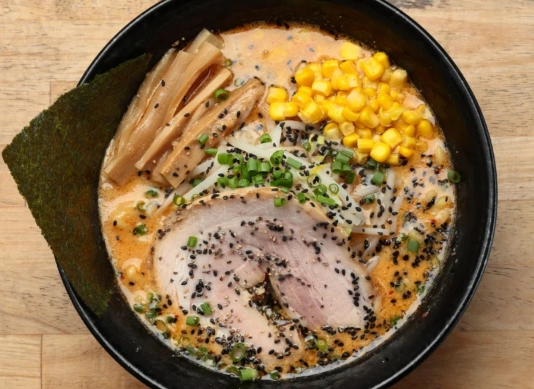
Don't just buy a bag from a roadside stall. Visit an orchard for picking (season dependent), or try the fruit transformed: apple pies at local cafes, grape gelato, or even ringo sake (apple sake). The contrast between the savory, fermented core and this bright, fresh sweetness is what makes Nagano's food scene so complete.
Local's Whisper: The most overlooked item? Nozawana pickles. This leafy green, pickled in salt and sometimes miso, is a crunchy, pungent staple served with rice. It's an acquired taste, but it's on every local breakfast table. Try it at a traditional ryokan.
Where to Eat: A Curated Nagano Food Map
Location matters. Nagano City, Matsumoto, and the smaller towns each have a different vibe. Here’s a breakdown of specific spots that deliver.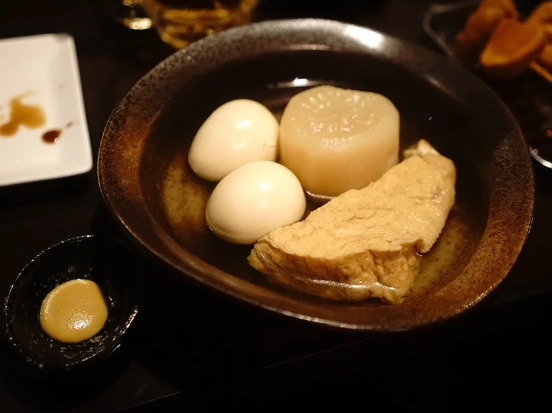
| Name & Type | Location & Vibe | Must-Try Dish | Notes & Practical Info |
|---|---|---|---|
| Yoshimiya (Soba) | Nagano City, near Zenko-ji. A classic, no-frills institution. Expect a queue. | Seiro soba (steamed basket soba). Get the set with tempura. | Open 11:00-15:00, often sells out. Closed Wednesdays. No English menu, but pointing works. Budget: ¥1,200-¥2,000. |
| Sobadokoro Shimizu (Soba) | Matsumoto. More modern interior, focuses on juuwari (100% buckwheat) soba. | Tenzaru soba (cold soba with tempura on the side). Their soba-yu (cooking water) is particularly good. | Open 11:00-17:00 (L.O.). Easier for groups than Yoshimiya. Budget: ¥1,500-¥2,500. |
| Masuya (Miso Katsu) | Nagano City. The undisputed king of miso katsu for decades. Always busy. | Miso Katsu Teishoku (set meal). The sauce is thick, nutty, and unforgettable. | Open 11:00-21:00. Prepare for a smoky, bustling atmosphere. Budget: ¥1,500-¥2,000. |
| Kurogyoku (Basashi & Local) | Nagano City. A reliable izakaya to try local specialties in one shot. | Basashi (horse sashimi) platter, Nozawana pickles, local sake. | Open 17:00-23:00. Staff used to tourists. Good for dinner. Budget: ¥3,000-¥5,000 with drinks. |
| Apple Pie Labo Rin | Chikuma City (near Obuse). A cafe dedicated to perfecting apple pie. | Freshly baked apple pie with vanilla ice cream. Shinano Gold apples used. | Open 10:00-18:00. A delightful detour. Can get crowded on weekends. Budget: ¥800-¥1,200 per slice. |
For a deeper dive, the Nagano Prefecture Official Tourism Website has extensive listings, though they can be overwhelming. My table above cuts to the chase.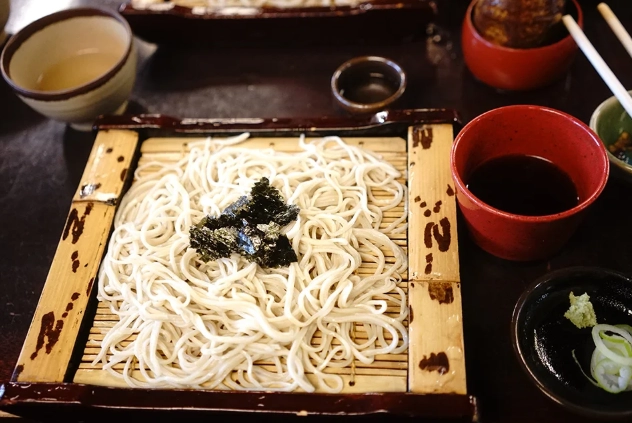
How to Plan Your Nagano Food Journey
You can't hit all these spots in a day. Structure your trip around meals.
A Sample Nagano City Food-Focused Day
Morning: Start at Zenko-ji temple. After exploring, grab a warm oyaki (stuffed dumpling) from a stall along the approach. Try the nozawana or miso flavor.
Lunch: Head to Yoshimiya for soba. Be there before 11:30 to avoid the worst of the line.
Afternoon: Visit the Maruya Hatcho Miso brewery (they have a museum/shop) to understand the miso craft. Sample different types.
Dinner: Dive into Masuya for miso katsu. If you're feeling adventurous, head to Kurogyoku afterwards for a nightcap and basashi.
Sweet End: Pick up some Shinshu apples or a small bag of local misu (miso candy) as a souvenir.
If you're basing yourself in Matsumoto, the rhythm is similar but swap in the castle for the temple and Sobadokoro Shimizu for your soba fix.
A Seasonal Nagano Food Guide
What's on your plate depends entirely on when you visit.
- Spring (Mar-May): This is sansai (wild mountain vegetable) season. Look for dishes with fiddlehead ferns, bamboo shoots, and butterbur. Soba shops often have special sansai soba.
- Summer (Jun-Aug): Cold zaru soba is king. Also, freshwater fish like iwana (char) are grilled along riverbanks. Fruit picking starts with cherries and blueberries.
- Autumn (Sep-Nov): Peak season. Apple and grape harvest. Mushrooms like matsutake appear in luxurious hot pots. The perfect time for food travel.
- Winter (Dec-Feb): Hearty, hot food reigns. Oden (especially miso oden), nabe hot pots, and warm kake soba. Visiting miso breweries is especially atmospheric.
Nagano Food Questions Travelers Actually Ask
Can I find vegetarian options easily in Nagano?
Is it safe to eat basashi (horse sashimi) in Nagano?
What's one Nagano food souvenir most tourists miss?
What is the best time to visit Nagano for food?
Nagano's food tells the story of its land. It's not about chasing a single "must-eat" dish. It's about experiencing a culinary ecosystem—from the buckwheat field to the miso vat to the apple orchard. Slow down. Taste the seasons. Ask what's local. That's where the real flavor is.

Comments