Let's be honest. Planning a two-week trip to Japan can feel overwhelming. There's so much to see, and the logistics seem complex. But after helping dozens of friends plan their trips and making my own mistakes over the years, I'm convinced that traveling by train isn't just the best way to see Japan—it's the only way for a first-time visitor wanting to cover the classics. A 14-day Japan itinerary by train is the perfect sweet spot. It gives you enough time to move beyond Tokyo, immerse yourself in ancient culture in Kyoto, taste the street food in Osaka, and even squeeze in a day trip to see the iconic floating torii gate. This guide isn't just a list of places. It's the exact blueprint I wish I had on my first trip, packed with specific times, ticket prices, hotel districts, and the little tricks that save you hours of hassle.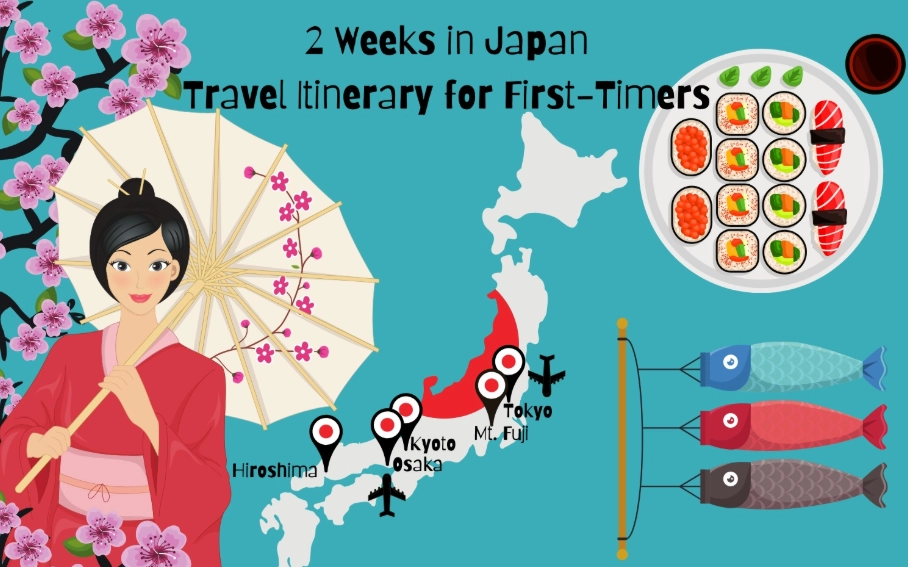
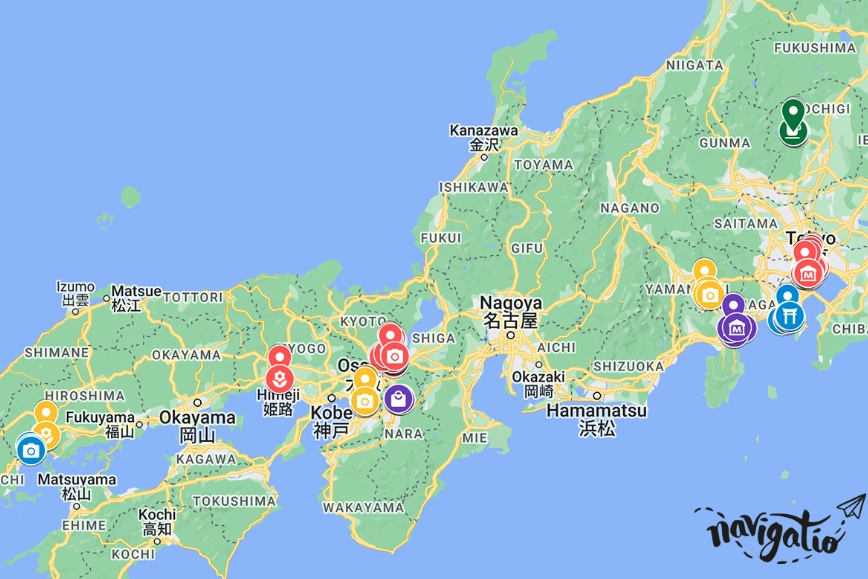
Your 14-Day Japan Rail Journey at a Glance
Why a Train Itinerary is the Best Way to See Japan
Flying between cities eats up half a day with airport transfers. Buses are slow. Driving? Forget about navigating city traffic and expensive tolls. Japan's rail network, especially the Shinkansen (bullet train), is a marvel of efficiency, punctuality, and comfort. You show up at the station 10 minutes before departure, hop on, and watch the scenery blur by from a spacious, clean seat. The real magic of a train itinerary is the journey itself—seeing Mount Fuji flash past your window, observing daily life in smaller towns, and arriving right in the heart of the next city, ready to explore. For a two-week trip covering the Golden Route (Tokyo, Kyoto, Osaka, Hiroshima), the math overwhelmingly favors the train.
Before You Go: Essential Planning Tips
Get these three things right, and your trip will be smooth sailing.
The Japan Rail Pass Decision
The 14-day Japan Rail Pass (JR Pass) costs around 47,250 yen for ordinary class. Is it worth it for this itinerary? Absolutely. A one-way Shinkansen ticket from Tokyo to Kyoto is already over 13,000 yen. Add in trips to Osaka, Hiroshima, and back to Tokyo, plus local JR trains in cities, and you'll easily surpass the pass value. Buy the exchange order online before you travel—you cannot purchase the pass inside Japan. Activate it at a JR office at the airport or major station on the day you start long-distance travel.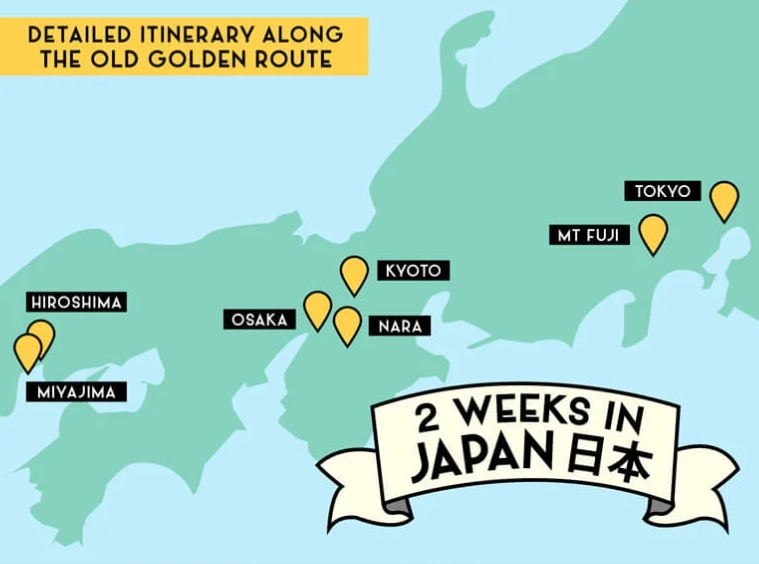
Where to Stay for Train Travelers
Your hotel location is critical. You want to be within a 5-10 minute walk of a major JR station. It makes day trips and moving between cities with luggage effortless.
- Tokyo: Stay near Tokyo Station (best for Shinkansen access) or Shinjuku Station (vibrant, great for nightlife). A mid-range hotel like the Mitsui Garden Hotel Kyobashi (near Tokyo Station) runs about 15,000-20,000 yen per night.
- Kyoto: Aim for the area around Kyoto Station. It's a transport hub, not just for trains but also buses to major temples. The Hotel Keihan Kyoto Grande is a solid, reliable choice.
- Osaka: Shin-Osaka Station is where Shinkansen arrive, but it's a bit bland. For atmosphere, stay near Namba or Umeda (which has Osaka Station). You'll take a short local train (covered by JR Pass) to Shin-Osaka for your long-distance trips.
Packing and Luggage Strategy
This is the most overlooked tip. Shinkansen overhead racks are small. Large suitcases (over 160cm total dimensions) require mandatory free reservations for the oversized luggage area. Book these when you reserve your seat. Even better? Use Japan's incredible luggage forwarding service (takkyubin). For about 2,000 yen per piece, you can send your large suitcase from your Tokyo hotel directly to your Kyoto hotel. Travel with just a daypack on the train. It's a game-changer.
The 14-Day Japan Train Itinerary: Day-by-Day Breakdown
This itinerary balances iconic sights, cultural immersion, food, and some flexibility. It assumes you land at Tokyo's Narita (NRT) or Haneda (HND) airport.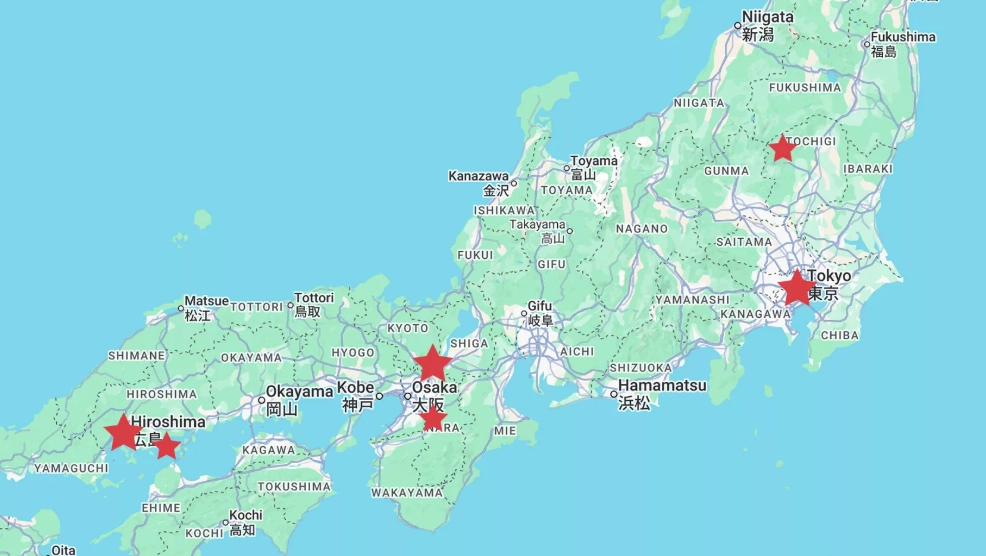
Days 1-4: Tokyo - The Neon Metropolis
Day 1: Arrival & Shinjuku. Land, clear customs, pick up your Suica card (for non-JR local trains), and activate your JR Pass if starting immediately. Take the Narita Express (N'EX, covered by JR Pass) or Tokyo Monorail (from Haneda) to the city. Check into your hotel. Fight jet lag with an evening in Shinjuku. See the Metropolitan Government Building observatory (free, open until 11 pm) for a panoramic view, then get lost in the lights of Kabukicho and Omoide Yokocho alley for yakitori.
Day 2: Asakusa & Akihabara. Morning at Senso-ji Temple (Tokyo's oldest). Address: 2-3-1 Asakusa, Taito City. Free entry, Nakamise-dori street opens around 9 am. Afternoon in Akihabara for electronics and anime culture. For dinner, try a standing sushi bar like Uogashi Nihon-Ichi for fresh, affordable sushi.
Day 3: Shibuya & Harajuku. The famous Shibuya Scramble Crossing. Visit Meiji Jingu shrine in Harajuku (free, a serene forest in the city). Explore Takeshita Street for quirky snacks. In the evening, head to Ebisu or Daikanyama for a more laid-back vibe.
Day 4: Day Trip to Kamakura or More Tokyo. Option A: Take the JR Yokosuka Line (about 1 hour, covered by JR Pass) to Kamakura. See the Great Buddha (Kotoku-in, 300 yen entry) and Hasedera Temple. Option B: Explore teamLab Planets TOKYO in Toyosu (book tickets weeks in advance, ~3,200 yen) or the Ghibli Museum in Mitaka.
Day 5: Mount Fuji & Hakone Loop
Take an early JR train to Odawara Station (covered by JR Pass). From there, purchase the Hakone Free Pass (around 5,000 yen) which covers buses, cable cars, pirate ships, and the ropeway across the region. The classic loop: Odawara -> Hakone-Yumoto -> Lake Ashi cruise -> Owakudani volcanic valley (try the black eggs) -> back to Odawara. Visibility of Fuji is weather-dependent, but the onsen (hot spring) experience is guaranteed. Return to Tokyo for the night.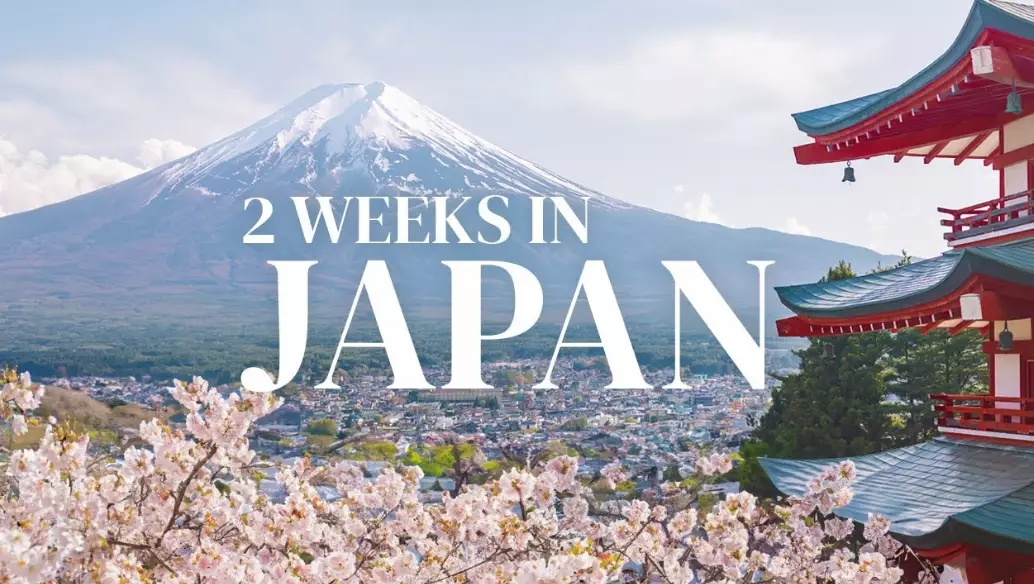
Days 6-9: Kyoto - The Heart of Tradition
Day 6: Tokyo to Kyoto & Gion. Take the morning Shinkansen (Hikari train, about 2h 15m) to Kyoto. Store luggage at your hotel or station lockers. Afternoon in Southern Higashiyama. Walk from Kiyomizu-dera Temple (400 yen entry, stunning views) down Sannenzaka and Ninenzaka stone paths. Evening in Gion, Kyoto's geisha district. You might spot a geiko or maiko hurrying to an appointment. For dinner, try Pontocho Alley.
Day 7: Arashiyama & Kinkaku-ji. Morning at the Arashiyama Bamboo Grove (go by 8 am to avoid crowds). Visit Tenryu-ji Temple's garden (500 yen). After lunch, take a bus to Kinkaku-ji, the Golden Pavilion (400 yen). It's always crowded but undeniably photogenic.
Day 8: Fushimi Inari & Nara. Early start at Fushimi Inari Shrine (free, open 24/7). The famous torii gate paths start right behind JR Inari Station. Hike as far as you like. Then, take a JR train from Kyoto Station to Nara (about 45 min, covered by JR Pass). Feed the deer in Nara Park and visit Todai-ji Temple (600 yen) to see the giant Buddha. Return to Kyoto.
Days 10-11: Osaka - The Kitchen of Japan
Day 10: Kyoto to Osaka & Dotonbori. A short 15-minute Shinkansen hop or 30-minute local JR train to Osaka. Drop your bags. Head straight to Dotonbori for lunch. Must-tries: takoyaki from Takoyaki Doraku Wanaka, okonomiyaki from Mizuno, and ramen from Ichiran (a chain, but a classic experience). Explore Shinsekai in the afternoon and visit the observation deck at Abeno Harukas (1,500 yen).
Day 11: Osaka Castle & Universal Studios or Food Tour. Morning at Osaka Castle (600 yen to enter the museum, the park is free). The interior is a modern museum—the exterior and grounds are more impressive. For the afternoon, choose: thrill-seekers go to Universal Studios Japan (ticket ~8,000 yen, book online). Foodies do a deep dive into Kuromon Ichiba Market and maybe a cooking class.
Day 12: Day Trip to Hiroshima & Miyajima
This is a long but profoundly worthwhile day. Take the earliest Shinkansen from Shin-Osaka to Hiroshima (about 1h 40m). At Hiroshima Station, take a local train to the Peace Memorial Park and Museum (200 yen entry). It's a somber, essential visit. Afterwards, take the JR train to Miyajimaguchi station, then the JR ferry (covered by JR Pass) to Miyajima Island. See the iconic floating torii gate of Itsukushima Shrine. If the tide is low, you can walk right up to it. Try some momiji (maple leaf) cakes. Return to Osaka in the evening.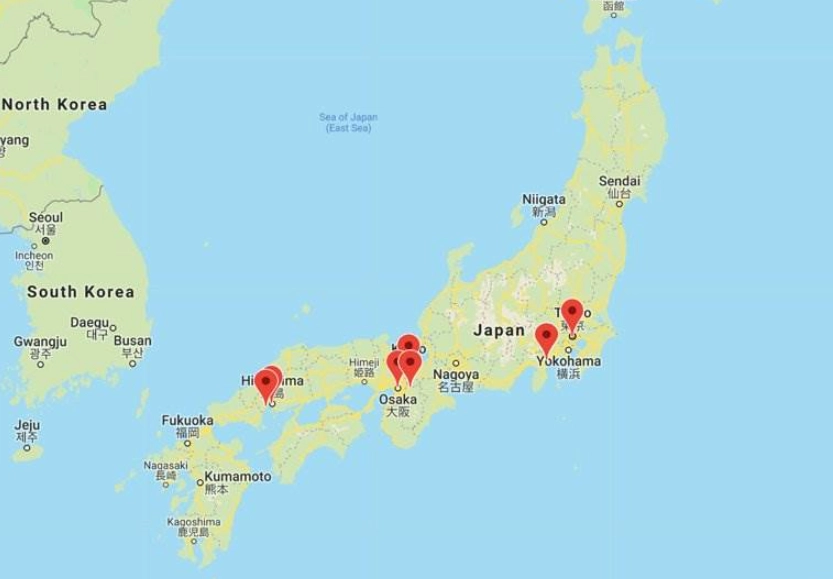
Days 13-14: Return to Tokyo & Departure
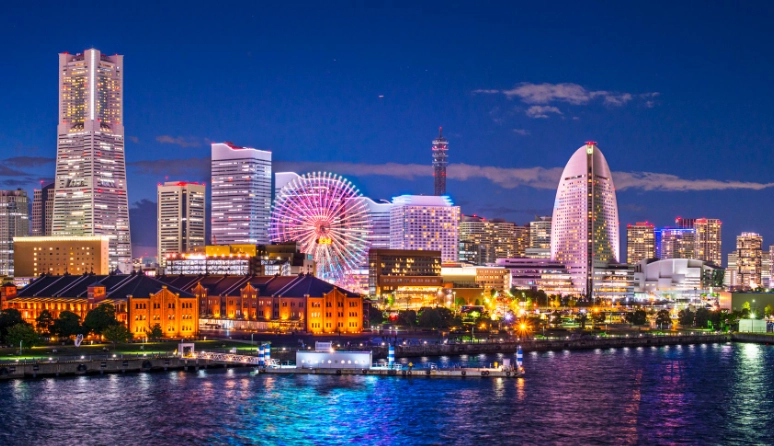
Day 13: Osaka to Tokyo & Last-Minute Shopping. Take a late morning Shinkansen back to Tokyo (about 2h 30m). Use the afternoon for any last sights or shopping in Ginza, Shibuya, or the character goods paradise of Tokyo Station's Character Street. Have a farewell dinner.
Day 14: Departure. Depending on your flight time, you might have time for a final visit to Tsukiji Outer Market for a fresh sushi breakfast. Use your JR Pass for the N'EX or Monorail back to the airport.
How to Optimize Your Train Travel in Japan
- Use HyperDia or Japan Travel by Navitime Apps: These are more accurate than Google Maps for train schedules and platform numbers, and they let you filter for JR Pass-covered routes.
- Seat Yourself: On Shinkansen, seats E and D are aisle and window on the side with the best Mount Fuji views when traveling from Tokyo to Kyoto (sit on the right side).
- Ekiben are Your Friend: Buy a beautifully packaged station lunch box (ekiben) and a drink from the station kiosks before boarding. It's a delicious ritual.
- Quiet Cars: Most Shinkansen have quiet cars (usually Car 1 or 3). No phone calls. It's blissful.
Budget Breakdown for a 2-Week Japan Train Trip
Here’s a realistic estimate for a mid-range traveler (per person, in Japanese Yen).
| Category | Estimated Cost (Yen) | Notes |
|---|---|---|
| 14-Day JR Pass | 47,250 | Purchased overseas |
| Accommodation (13 nights) | 130,000 - 180,000 | ~10,000-14,000/night for business hotels |
| Food & Drink | 70,000 - 100,000 | ~5,000-7,000/day for mix of casual & some nice meals |
| Sightseeing & Attractions | 20,000 - 30,000 | Temples, museums, occasional paid observation deck |
| Local Transport (Non-JR) | 10,000 | Subways, buses in cities (using Suica card) |
| Miscellaneous/Souvenirs | 20,000 | |
| Total Estimate (per person) | ~300,000 - 380,000 JPY | Approx. $2,000 - $2,500 USD |
Your Japan Train Trip Questions Answered
 Is 14 days enough for Japan, or is it too rushed?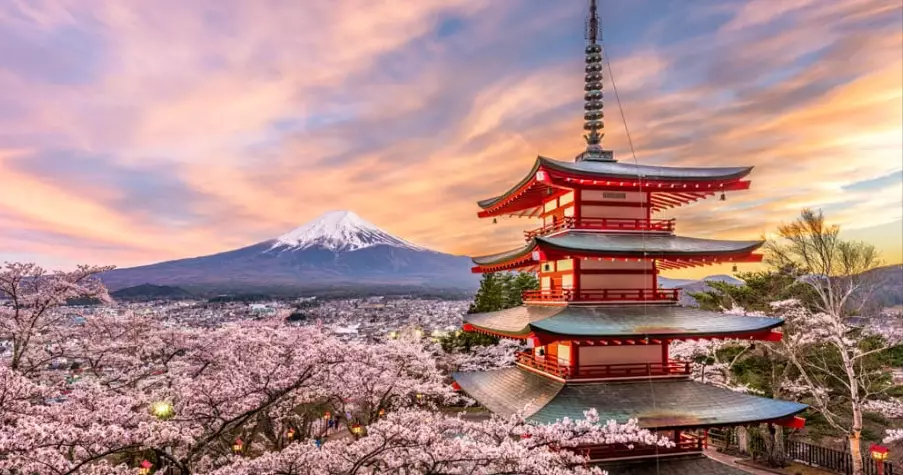


Comments