Let's be honest. When most people plan a trip to Japan, their minds jump to Tokyo's neon, Kyoto's temples, or Osaka's street food. Akita Prefecture? It might get a vague mention, if at all. That's the mistake. After spending weeks there across different seasons, I can tell you Akita isn't just another destination; it's the Japan you imagine but rarely find—untouched, deeply authentic, and breathtakingly beautiful. It's where you trade crowds for serene mountain vistas, conveyor-belt sushi for hearth-cooked country cuisine, and rushed itineraries for the slow soak of a centuries-old hot spring.
Nestled in the Tohoku region on Honshu's northwestern coast, Akita is defined by its dramatic landscapes: the Dewa Mountains, Lake Tazawa (Japan's deepest), and a rugged coastline. This geography bred a unique culture of resilience, reflected in its hearty food, warm hospitality, and vibrant festivals. Forget the guidebook checklist. Here's how to experience Akita like you live there.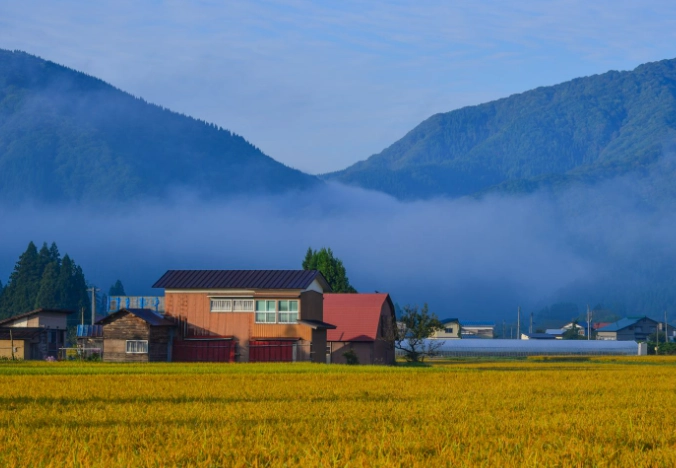
Your Quick Guide to Akita
What Makes Akita Unique?
Other places have history. Akita has atmosphere. It's in the mist rising from Nyuto Onsen's milky waters at dawn. It's the silent, dignified gaze of an Akita dog, a national treasure. It's the crunch of snow underfoot in Kakunodate's samurai district, where black wooden fences stand sentinel under a white blanket.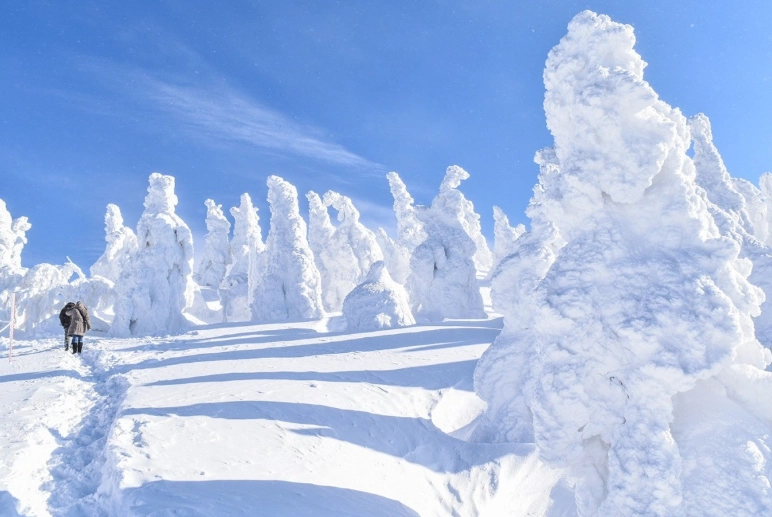
The pace is different. People have time. A shopkeeper might spend ten minutes explaining the difference between sake grades, not because she's trying to sell you the expensive one, but because she's proud of it. This isn't performative hospitality; it's genuine. You feel like a guest, not a tourist.
Top Things to Do & See in Akita
Focus on experiences, not just sights. Here’s where to start.
Kakunodate: The Little Kyoto of the North (But Better)
They call it that for the preserved samurai houses. But Kyoto it is not—it's quieter, more introspective. The Bukeyashiki (Samurai District) along Hinokinai-gawa River is the main draw. Aoyagi House is the star, a museum complex showing samurai life. Entry is ¥600. But here's the secret: the real beauty is in the free, public areas. Walk the streets early morning. The weeping cherry trees (spectacular in late April/early May) frame the black fences perfectly.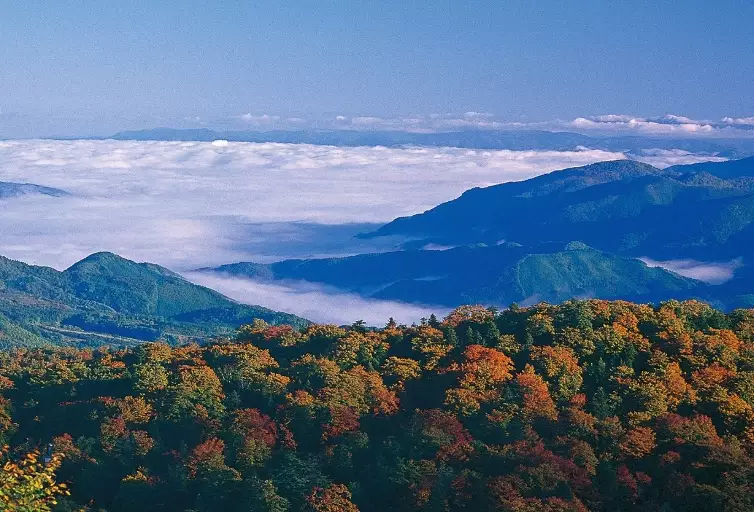
Address: Kakunodate-machi, Semboku City. Access: 15-min walk from JR Kakunodate Station (Akita Shinkansen).
Lake Tazawa (Tazawako): Japan's Deepest Blue
It's a lake. But the color—a profound cobalt blue—is hypnotic. You can bike the 20km circumference (rentals near the bus stop), but my favorite view is from the Gozanoishi Shrine torii gate on the western shore. The statue of Princess Tatsuko by the shore is photogenic, but often crowded. For solitude, drive to the southern side.
Access: Bus from JR Tazawako Station (approx 20 mins). A rental car from the station offers maximum flexibility.
Nyuto Onsen: The Ultimate Onsen Pilgrimage
A cluster of seven rustic hot spring inns nestled in a beech forest. This isn't a fancy spa resort; it's a journey back in time. The waters are sulfuric, milky white, and legendary for healing properties. Each ryokan has its own character. Tsuru-no-yu is the most famous and historic (mixed bathing). Kuroyu is tiny and feels like a secret. You can do a meguri (round tour) by buying a pass to bathe at several, but staying the night is the full experience.
Access: A 40-minute bus from JR Tazawako Station. The last bus leaves early (around 5 PM). If you're not staying, time your visit carefully.
Oga Peninsula: Myths, Coastlines, and Namahage
Wind-swept, dramatic, and steeped in the folklore of the Namahage—demonic deities who visit homes at New Year to scare children into obedience. The Namahage Museum at Shinzan Shrine is fascinating. The Oga Aquarium Gao is surprisingly good. But the star is the coastline: Goddess Rock (Nyudozaki) and the sunset view from Hachigamine Observatory are unforgettable.
Access: Train from Akita City to Oga Station (approx 1 hr), then local buses or a rental car. A car is highly recommended here.
Meet the Akita Dog
You can't leave without paying respects to this noble breed. The Akita Dog Preservation Society (Akita Inu Hozonkai) in Odate City is the official place. It has a small museum (¥300) and viewing areas where you can see the dogs. It's a bit out of the way, but for dog lovers, it's a pilgrimage. Check their official website for viewing times.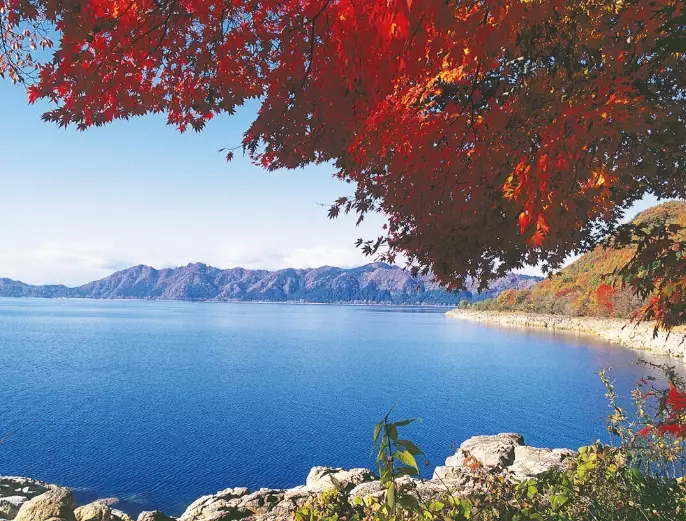
The Akita Food Guide: What & Where to Eat
Akita's cuisine is built for its cold winters—hearty, savory, and deeply satisfying.
Kiritanpo: Pounded rice molded onto cedar sticks, grilled, and often simmered in a chicken and vegetable hot pot (kiritanpo-nabe). The ultimate comfort food. Try it at Rokushoro in Akita City (2-6-11 Omachi, dinner from ¥2,500).
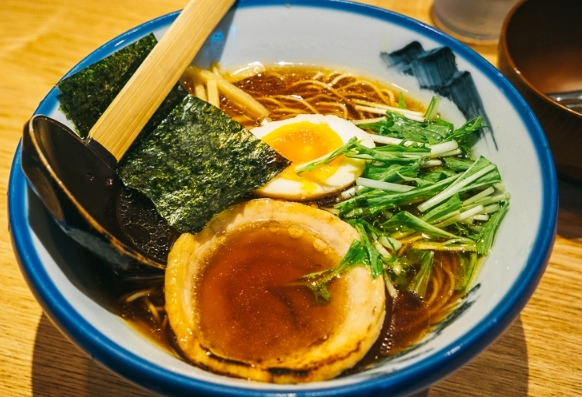
Hinai-jidori Chicken: One of Japan's top-branded chickens. Juicy, flavorful. Eat it as yakitori (skewers) or oyakodon (rice bowl). Toriyoshi in Akita City is a legendary yakitori spot (3-3-15 Omachi, budget ¥3,000-¥5,000).
Inaniwa Udon: Thinner and smoother than standard udon, a specialty of nearby Yamagata but perfected here. Udon Kiri near Kakunodate Station serves an excellent cold zaru version (lunch from ¥1,000).
For sake, Akita's clean water produces award-winning brands like Akita Shurui and Daishinshu. The Akita Sake Village (Kariyado) outside the city lets you compare dozens.
Where to Stay: Ryokans, Hotels & Unique Lodging
Your accommodation defines your Akita experience. Here’s a breakdown of top choices.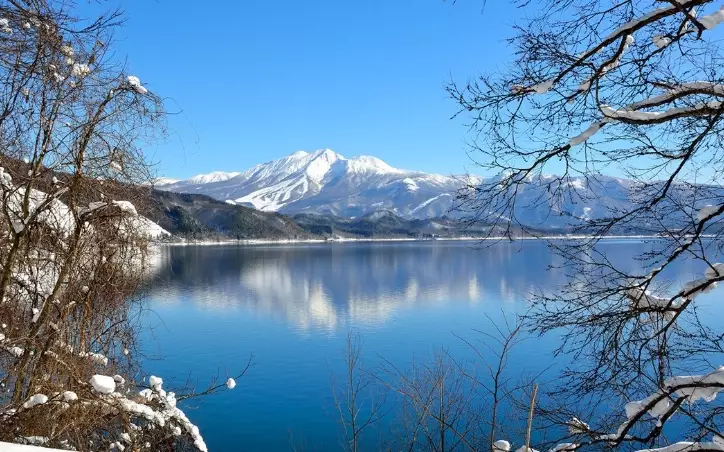
| Property | Location | Type & Vibe | Price Range (per person, with meals) | Best For |
|---|---|---|---|---|
| Kakunodate Buke Yashiki Hotel | Kakunodate | Modern ryokan in a samurai estate garden. Luxurious but serene. | ¥25,000 - ¥40,000 | History lovers wanting comfort. |
| Nyuto Onsen Tsurunoyu | Nyuto Onsen | Historic, rustic onsen inn. Mixed-gender baths. No frills, pure atmosphere. | ¥15,000 - ¥25,000 | The authentic onsen pilgrimage. |
| Dormy Inn Akita | Akita City | Reliable business hotel chain. Has a public onsen and late-night ramen. | ¥7,000 - ¥12,000 (room only) | Practical city base, great value. |
My personal take? Splurge for at least one night at a Nyuto Onsen ryokan. The experience of bathing under the stars in a 300-year-old hot spring is worth every yen. Dormy Inn is my go-to for a convenient, clean, and affordable stop in the city.
How to Plan Your Akita Itinerary
Scenario: The 3-Day Akita Highlights Tour
Day 1: Arrive at Akita Airport/Station. Pick up rental car. Drive to Kakunodate (1hr). Explore samurai district. Stay overnight at a Kakunodate ryokan.
Day 2: Drive to Lake Tazawa (30 mins). Enjoy lakeside views. Continue to Nyuto Onsen (40 mins). Check into your onsen ryokan. Soak, relax, feast on kaiseki dinner.
Day 3: Morning soak. Drive back towards Akita City (1.5 hrs). Visit the Akita Museum of Art (for the famous "Rainy Day" painting) or sample sake at the Sake Village. Drop off car, depart.
Scenario: The 5-Day Deep Dive (Winter Focus)
Day 1-2: As above, with Kakunodate & Nyuto Onsen.
Day 3: Drive north to Oga Peninsula (2 hrs). Explore Namahage Museum, coastline. Stay at a local minshuku.
Day 4: Drive to Yokote for the Kamakura Festival (if in Feb) or to Odate to see the Akita Dog Preservation Society. Drive to/Stay in Tazawako area.
Day 5: Winter activities at Ani Ski Resort (also see Akita dog Hana!) or relax at another Nyuto onsen before returning.
Essential Akita Travel Tips
Transport: The Akita Shinkansen connects to Tokyo (≈4 hours). Within Akita, the Akita Nairiku Jukan Railway is a charming local line, but for real exploration, a rental car is king. Book snow tires in winter. Major rental companies are at the airport and main stations.
Best Time to Visit: Each season shines. Spring (May) for cherry blossoms in Kakunodate. Summer (Jul-Aug) for lush greenery and festivals (Kanto Festival in Akita City is a must-see). Autumn (Oct) for stunning mountain foliage. Winter (Dec-Mar) for snowscapes and unique festivals—this is Akita's most dramatic face.
Budgeting: Outside luxury ryokans, daily costs are reasonable. A good meal can be had for ¥1,500. Local trains and buses are affordable, but a rental car will be your biggest daily expense (¥8,000-¥12,000).
What to Pack: Layers. Always. Even summer evenings can be cool. Waterproof shoes are a must year-round. For onsen, modesty towels are provided, but you might bring your own small towel.
Comments