You're standing in Hiroshima, moved by its profound history and vibrant present, and now you face the classic traveler's dilemma: what do you actually bring home? Forget the generic keychains. Hiroshima souvenirs are a unique blend of peace, resilience, and local flavor. Getting it right means you take home a piece of the city's soul, not just a trinket. I've made the mistake of buying the wrong thing before—a beautifully lacquered box that cracked on the flight home—so let's get you sorted with the good stuff.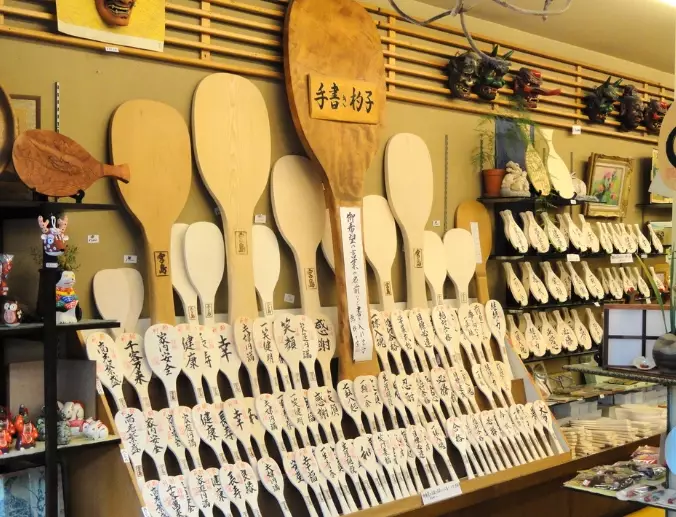
Your Quick Guide to Hiroshima Souvenirs
What Makes Hiroshima Souvenirs Unique?
It's not just about stuff. It's about context. Many souvenirs here carry the weight of the city's identity as a global symbol of peace and recovery. You'll find crafts that have been revived post-1945 and foods that tell a story of local pride. The most common pitfall I see is visitors buying something just because it's cute, missing the deeper connection. Look for items linked to Hiroshima's three pillars: its peace memorial culture, its status as a coastal prefecture (hello, oysters!), and its distinct traditional crafts like kumano fude brushes from nearby.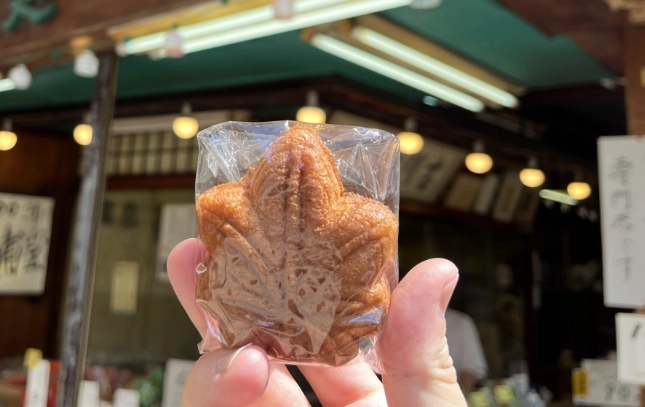
It changes what you look for. Instead of a random trinket, you're curating a memory.
The Top Hiroshima Souvenirs to Bring Home
Let's break this down by category. I'm avoiding a simple numbered list because your choice depends on who it's for and your own taste.
Traditional Crafts & Lasting Mementos
These are the heirloom pieces. They cost more but tell a richer story.
- Hiroshima-style Lacquerware (Kaki-mon): This isn't just any lacquerware. The technique involves inlaying mother-of-pearl or eggshell, often featuring the region's iconic oyster shell motifs. A small, sturdy item like a kokeshi doll or a jewelry box (starting around ¥5,000) travels better than a large bowl. The Hiroshima Prefectural government's tourism site has a good overview of traditional industries, including lacquerware.
- Kumano Fude (Calligraphy Brushes): Made in the nearby town of Kumano, these are considered some of the finest brushes in Japan. Even a small, decorative brush (from ¥3,000) is a sophisticated gift. The Fude no Sato (Brush Village) is worth a visit if you have time.
- Metal Casting (Imono): Less common but deeply rooted, look for small cast iron bells or furin (wind chimes) with peaceful designs.
Food & Drink: The Edible Souvenirs
This is where Hiroshima shines for most visitors. The key is knowing what lasts.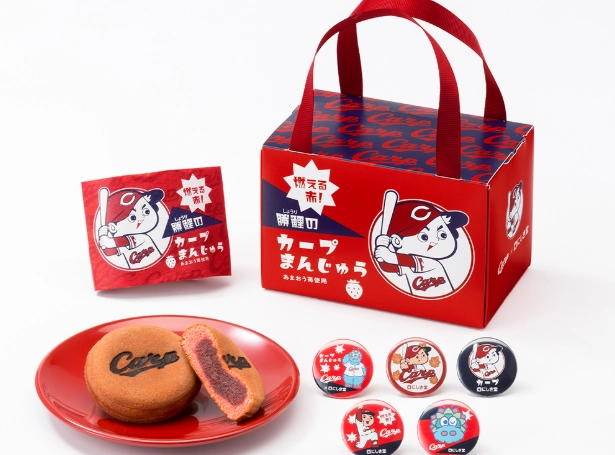
Pro tip: Always check the expiration date (shōmikigen). Most premium sweets last only 7-10 days. For longer shelf life, look for vacuum-packed items or things like tsukudani (preserved seafood).
- Momiji Manju: The iconic maple leaf-shaped cake. Skip the mass-produced ones at the train station kiosk. Head to a dedicated shop like Momijido near Miyajima or its main store in Hiroshima city for fresh, high-quality versions. Prices range from ¥800 for a small box to ¥2,500 for deluxe assortments. Their age momiji (deep-fried version) is a game-changer.
- Hiroshima-style Okonomiyaki Sauce & Seasonings: You can't take the cooked dish home, but you can take the flavor. Brands like Otafuku sell their signature sauce, ao-nori (seaweed), and katsuobushi (bonito flakes) in gift sets (¥1,000-¥2,000). This is a hit with foodies.
- Oyster-related Products: Fresh oysters are a no-go, but smoked oysters in vacuum packs or oyster tsukudani are fantastic savory gifts. Look for them at the Hiroshima Kamon Wharf gift shop or department store basements.
- Hiroshima Sake (& Lemon Sake): The region's soft water makes for excellent, clean-tasting sake. Breweries like Kamoki and Fukubijin are renowned. A newer, hugely popular trend is Hiroshima Lemon Sake—a sweet, citrusy liqueur that's incredibly approachable (around ¥1,500 per bottle).

Peace & History Related Items
These require thoughtful selection. Avoid anything that feels trivializing.
- Origami Cranes & Related Art: The thousand paper cranes are a powerful symbol. Purchasing a beautifully crafted string of cranes or a piece of art incorporating them from a vendor within the Peace Memorial Park area ensures your money supports related causes. A simple pack of origami paper from the Hiroshima Peace Memorial Museum shop is a profound, inexpensive gift.
- Books & Prints: The museum shop offers high-quality photography books, historical accounts, and prints that you won't find elsewhere. They offer materials in multiple languages.
Where to Buy Souvenirs in Hiroshima: Shops & Districts
Location matters as much as the item. Buying a momiji manju on Miyajima is part of the experience.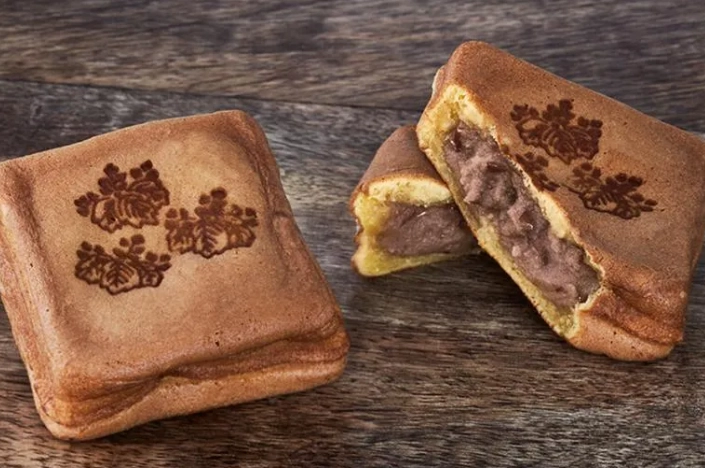
| Area/Shop | What to Find There | Best For |
|---|---|---|
| Hondori Shopping Arcade (Downtown) | Department stores (SOGO, Fresta), variety shops, local brand stores like Otafuku Sauce Shop. | One-stop shopping, food souvenirs, comparing prices. The depachika (department store basement food hall) is a treasure trove. |
| Miyajima Omotesando Street | Fresh momiji manju (Momijido, Iwata), wooden crafts, oyster snacks, maple leaf-shaped items. | The classic Miyajima experience. Go early to avoid crowds. Prices can be slightly higher but the atmosphere is unmatched. |
| Peace Memorial Park Shops | Peace-themed books, origami, postcards, prints. The main museum shop is the most comprehensive. | Meaningful, historically-conscious gifts. Proceeds often support peace education. |
| Hiroshima Station (ekie & ASSE) | Last-minute gifts, wide selection of pre-packaged regional foods from all over Chugoku. | Convenience, efficiency if you're short on time. You can find most major Hiroshima brands here. |
| Kamon Wharf | Seafood products, local specialty goods, often with a focus on oysters and lemons. | Unique local seafood souvenirs in a pleasant waterfront setting. |
My personal favorite is the Hondori Arcade. You can pop into a tiny, family-run shop selling vintage kaki-mon pieces right next to a modern design store. It feels real.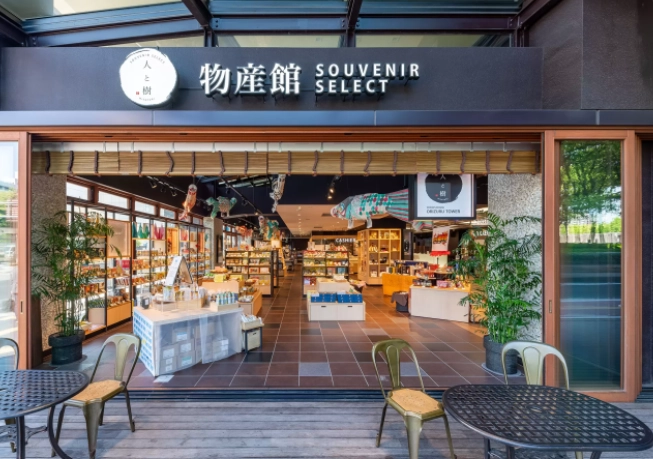
How to Choose the Right Hiroshima Souvenir: A Personal Checklist
Before you swipe your card, run through this mental list I've developed after a few regrettable purchases.
- Weight & Fragility: Is it going to survive your luggage? Lacquerware needs cushioning. Glass is risky. I now pack a small bubble wrap sleeve.
- Shelf Life vs. Travel Time: How many days until you get home? Add a buffer. Fresh manju are for your first days back or immediate gifting.
- Authenticity vs. Novelty: Is it made in Hiroshima (look for the label), or is it a "Hiroshima-themed" item made elsewhere? The latter isn't always bad, but know what you're paying for.
- The Recipient Test: Will your friend actually display that lacquerware plate, or will it go in a cupboard? Sometimes, the delicious lemon sake is the better call.
One non-consensus opinion: Don't feel pressured to buy "peace" items if it doesn't feel right to you. A beautifully crafted local food item that supports a Hiroshima producer also honors the city's spirit of rebuilding and thriving.
Your Hiroshima Souvenir Questions, Answered
Where is the best place to buy Hiroshima souvenirs without overpaying or getting low-quality items?
Avoid the souvenir stalls directly outside major tourist attractions like the Atomic Bomb Dome or the ferry terminal to Miyajima. Their markups are high and quality is often the lowest common denominator. For a balanced mix of price, quality, and authenticity, head to the department store basements (depachika) in Hondori, like SOGO or Fresta. They curate regional specialties, prices are fixed and fair, and quality is guaranteed. For crafts, seek out the smaller shops in the backstreets of downtown or dedicated traditional craft shops.
What Hiroshima food souvenirs actually last long enough for the trip home and to give as gifts later?
Focus on shelf-stable items. Vacuum-packed smoked oysters or oyster tsukudani can last months unopened. Bottled okonomiyaki sauce and seasonings have a long shelf life (check the label, but often 6+ months). Packaged dry ao-nori seaweed is very durable. For sweets, look for individually wrapped, baked versions of momiji manju (like the age momiji) which last longer than the soft, steamed ones. Hiroshima lemon sake, once opened, should be consumed relatively quickly, but the sealed bottle travels fine.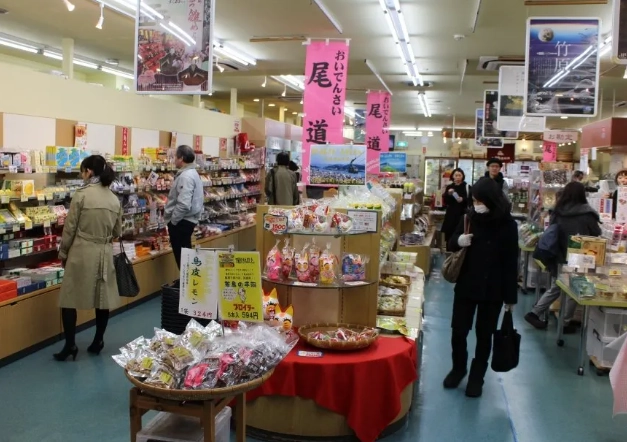
Are there any Hiroshima souvenirs I should avoid buying?
Yes, a few. First, be wary of cheap, mass-produced "peace" trinkets that feel disrespectful or tacky. If you want a peace-related item, buy it from an official source like the Peace Memorial Museum shop. Second, avoid buying fresh seafood or produce if you have a long journey without a cooler—it's a waste. Finally, I'd caution against very large, fragile ceramic or lacquerware items unless you are an expert packer or shipping them separately. The heartbreak of a piece breaking is real, and I speak from experience.
The best souvenir is one that brings you back to a specific moment in Hiroshima—the taste of a fresh momiji manju on a Miyajima afternoon, the weight of a lacquered oyster shell in your hand, the quiet reflection after buying a book at the Peace Park. Choose something that means something to you, and you can't go wrong.

Comments