Choosing where to stay in Kyushu isn't just about picking a hotel. It's about deciding what kind of experience you want. Do you fall asleep to the sound of a hot spring stream? Wake up to a view of an active volcano? Or step right out into the chaos of a night market? The island's diversity is its strength, and your accommodation is the key to unlocking it. Forget generic lists. Let's talk specifics—actual places, real prices, and the subtle trade-offs that most guides don't mention.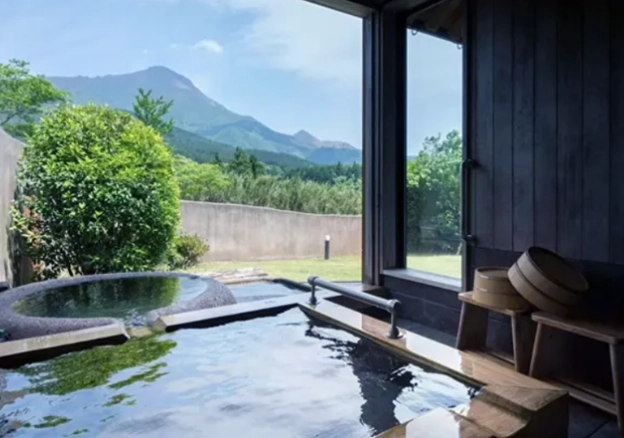
Your Quick Guide to This Article
Understanding the Types of Kyushu Accommodation
Kyushu offers the full spectrum of Japanese lodging. Getting the terminology right helps you search effectively.
Ryokan (Traditional Inn): The quintessential Japanese experience. Think tatami-mat floors, futon beds, multi-course kaiseki dinners, and often, onsen baths. Prices vary wildly. A budget family-run ryokan might cost ¥8,000 per person with dinner, while a luxury one in Yufuin can exceed ¥40,000. The key is the meal plan—staying without meals ("素泊まり/sudomari") is often possible and cheaper, but you miss a core part of the experience.
Onsen Ryokan: A subset of ryokan where the hot spring bath is the main attraction. Some have grand public baths, others focus on in-room or private rental baths. In Beppu or Yufuin, it's almost the default.
Business Hotel: Your efficient, no-frills base in cities like Fukuoka, Kumamoto, or Kagoshima. Rooms are compact (think 12-15 sqm), but they're clean, reliable, and often near major stations. Chains like Dormy Inn, Richmond Hotel, and APA are everywhere. Expect prices from ¥6,000 to ¥12,000 per night for a double. A major perk? They usually have free amenities like pajamas, toiletries, and sometimes even late-night ramen.
Minshuku & Guesthouses: These are like B&Bs or family-run pensions. Minshuku are often simpler, older ryokan. Guesthouses are more social, with dormitory or private rooms and shared facilities. Perfect for budget travelers or those wanting local interaction. You can find fantastic ones in places like Kurokawa Onsen or the Shimabara Peninsula for under ¥5,000 per night.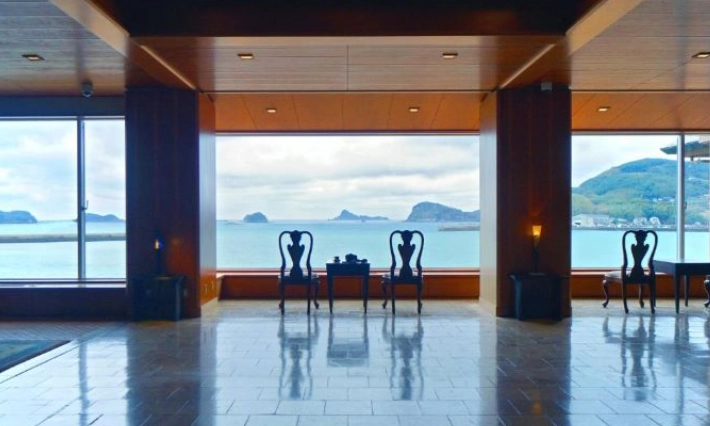
Modern Hotels & Resorts: International chains (Hilton, Marriott) exist mainly in Fukuoka. There are also unique resorts, like those overlooking the Kaimondake volcano in Ibusuki or the Huis Ten Bosch theme park in Sasebo.
Top Kyushu Accommodation Picks for Different Travelers
Here are five specific places that illustrate Kyushu's range. I've stayed at or extensively researched these based on location, value, and that elusive "good feel."
| Name & Type | Location & Address | Key Features & Vibe | Price Range (Per Night) | Best For |
|---|---|---|---|---|
| Yufuin Sanso Umenoya (Mid-Range Onsen Ryokan) | Yufuin, Oita. 1492-1, Kawakami. | Private open-air bath in most rooms overlooking a creek. Less formal than luxury ryokan, fantastic kaiseki dinner using local beef. A 15-min walk from the main street—quiet but not isolated. | ¥25,000 - ¥40,000 (with meals) Per person, based on double occupancy. |
Couples seeking a romantic, authentic onsen retreat without ultra-formality. |
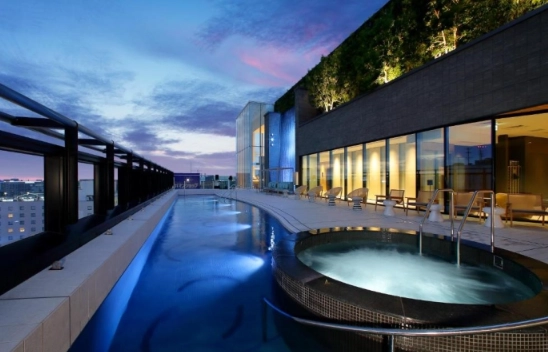
| The Blossom Hakata Premier (Modern Business Hotel) | Fukuoka. 4-8-15, Nakasu, Hakata-ku. Right next to Nakasu-Kawabata subway station. | Newer hotel with slightly larger rooms than average. Fantastic rooftop public bath (not onsen) with city views. Walking distance to Canal City, Kushida Shrine, and yatai stalls. The breakfast buffet is a highlight. | ¥12,000 - ¥20,000 (room only) For a double/twin room. |
City explorers who want convenience, comfort, and a good bath after a long day. |
| Shimabara Onsen Hotel (Large Traditional Onsen Ryokan) | Shimabara, Nagasaki. 1-1203-3, Minami-yamate. | A historic, sprawling ryokan with multiple large public baths (indoor/outdoor) fed by the local hot spring. Some rooms feel a bit dated, but the atmosphere, garden views, and incredible value are unmatched. The seafood-focused dinner is superb. | ¥9,000 - ¥15,000 (with meals) Per person. Shockingly good value. |
Travelers on a moderate budget wanting a full-scale onsen ryokan experience. |
| Guesthouse Kumo-no-ue (Guesthouse / Minshuku) | Kurokawa Onsen, Kumamoto. 6541-5, Manganji. | A charming, wooden guesthouse run by a lovely family. Private Japanese-style rooms, shared bathrooms (there's a beautiful public onsen 2 mins away). Includes a simple, delicious home-cooked breakfast. The owner gives great tips for navigating the onsen town. | ¥5,000 - ¥7,000 (with breakfast) Per person. |
Solo travelers or budget-conscious pairs wanting to experience Kurokawa's famous rotemburo (outdoor baths). |
| Solaria Nishitetsu Hotel Kagoshima (City Hotel) | Kagoshima. 6-1, Chuo-cho. | Directly connected to Tenmonkan Amu Plaza shopping/transit hub. Many rooms have direct, unobstructed views of Sakurajima volcano across the bay. Modern, comfortable, and the ultimate convenience for exploring Kagoshima city. | ¥10,000 - ¥18,000 (room only) For a double room. Ask for a "Sakurajima View" room. |
Anyone who wants to wake up to an active volcano on the horizon. Seriously, the view is the feature. |
A note on the Yufuin ryokan: I've seen people complain about the walk from the station. It's true, it's not right outside the train door. But that's what makes it peaceful. Taxis are available at the station if you have heavy bags. This trade-off—convenience for atmosphere—is constant in Kyushu.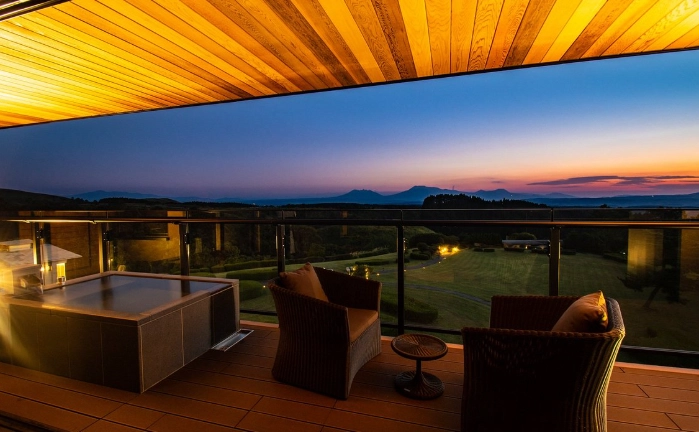
How to Choose the Right Accommodation in Kyushu?
Your choice hinges on three things: your travel style, your budget, and your itinerary.
Budget Realistically: Always check if the price is per person or per room. Ryokan prices are almost always per person with meals. A ¥15,000 per person ryokan stay for two people is actually a ¥30,000 room. A city hotel listing a ¥10,000 double room is just that—¥10,000 total.
Location vs. Experience: Do you want to be in the middle of the action (choose a Fukuoka hotel near Hakata or Tenjin stations), or is the accommodation itself the destination (choose a secluded onsen ryokan in the mountains)? You can't have both supreme convenience and total tranquility. Pick one per leg of your trip.
Transportation is Key: This is the non-consensus point many miss. A cheap ryokan in a remote village might seem like a deal until you factor in the ¥5,000 taxi ride from the nearest train station because the last bus left at 5 PM. Always check access for your specific arrival time. The Japan National Tourism Organization (JNTO) website has reliable transport info.
Travel Party Size: Families struggle with traditional ryokan as rooms are often priced per person and space is tight. Look for modern ryokan with Western-style family rooms or serviced apartments. The Fukuoka City Tourist Association website sometimes lists family-friendly options.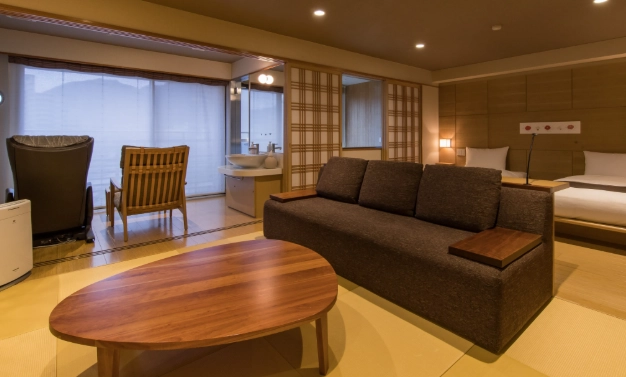
What is the Best Area to Stay in Kyushu?
There's no single best area. It depends on your trip's focus.
Fukuoka (Hakata/Tenjin): The undisputed transport hub. Best for your first/last night, foodies, and urban shopping. Stay near Hakata Station for bullet train access or in Tenjin for nightlife. Everything is accessible.
Beppu: The onsen capital. Accommodation here is overwhelmingly onsen-focused, from gigantic 1960s resort hotels to boutique ryokan. It's bustling and touristy in a fun way. Good as a base for exploring northeastern Kyushu.
Yufuin: The chic, artistic counterpart to Beppu. The main street is lined with cafes and boutiques, and the ryokan are generally more refined and scenic, set against Mount Yufu. Expect higher prices and need to book far ahead.
Kurokawa Onsen: Not a town to "base" yourself in, but the ultimate destination for an onsen crawl. Stay one night in a ryokan or guesthouse here to fully enjoy the meguri (wooden pass to visit three different outdoor baths). It's remote but worth the journey.
Kagoshima: For the volcanic drama. Staying in the city center (Tenmonkan area) gives you dining options and that iconic Sakurajima view. Alternatively, stay across the bay in Ibusuki for sand steam baths.
Nagasaki: A city with a profoundly different history. Accommodation is a mix of business hotels and a few older Western-style hotels. The city is long and narrow, so a hotel near the tram line is more important than a specific district.
My personal strategy? I pick two bases for a week-long trip: two nights in a Fukuoka hotel to recover from travel and eat everything, then three nights in a carefully chosen onsen ryokan somewhere like Yufuin or Kurokawa to unwind.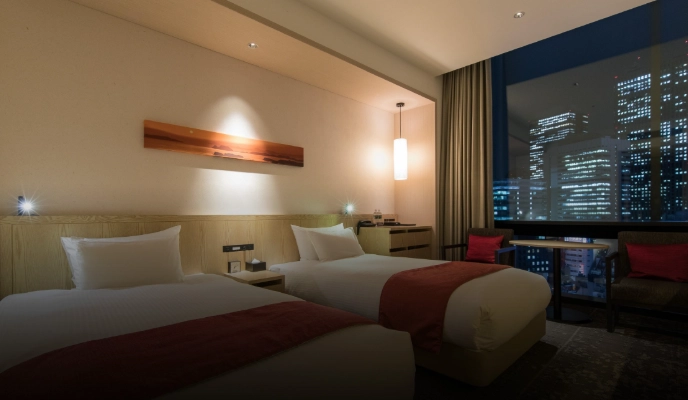
Booking Tips and Insider Advice for Kyushu Stays
Booking Windows Matter: For popular onsen ryokan in peak seasons (autumn foliage, cherry blossoms, Golden Week), book 3-6 months out. For city hotels, 1-3 months is usually fine. Last-minute deals on business hotels are common if you're flexible.
Use Japanese booking sites like Rakuten Travel or Jalan alongside global ones. They often have exclusive plans, better room descriptions in Japanese (use browser translate), and sometimes lower prices. The interface can be clunky, but it's worth it.
Don't ignore the ryokan's own website. Direct booking can sometimes get you a small discount or a welcome gift. Email them directly if you have special requests (dietary restrictions, celebrating an occasion). They appreciate it.
Here's a subtle mistake: assuming all "private onsen" are equal. Some are truly private baths attached to your room. Others are "family baths" or "rental baths" you book for a 45-minute slot. The in-room type offers ultimate convenience (anytime use), while the rental type is often larger and more elaborately decorated. Read the fine print.
If you're anxious about ryokan etiquette, don't be. They expect foreign guests. A simple "arigatou gozaimasu" and trying to follow the basic rules (no shoes on tatami, washing before entering the bath) is enough. They're not judging you as harshly as you think.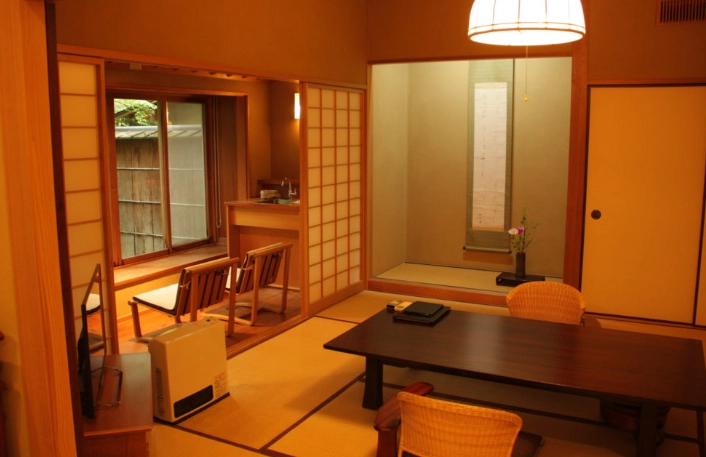

Comments