In This Guide
So you're planning a trip to Japan and that big question pops up: what are the must visit places in Japan? Everyone's got an opinion, right? Travel blogs shout about Kyoto, your friend won't stop talking about Tokyo's Robot Restaurant (which, full disclosure, I found a bit overrated and touristy), and Instagram is flooded with pictures of that famous bamboo grove. It's overwhelming.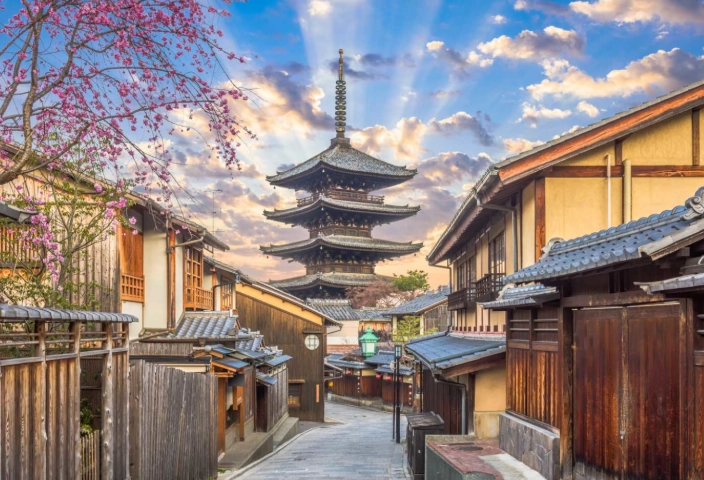
I've been there, scratching my head, trying to piece together an itinerary from a hundred different sources. The thing about Japan is, it's not a one-size-fits-all kind of destination. What's "must-visit" for a foodie is different for a history buff, which is different for someone just wanting to relax in an onsen.
Let's dive in.
The Non-Negotiables: Japan's Iconic Heart
These are the places that almost always top any list of what are the must visit places in Japan. They're popular for a reason, but they also require some strategy to enjoy.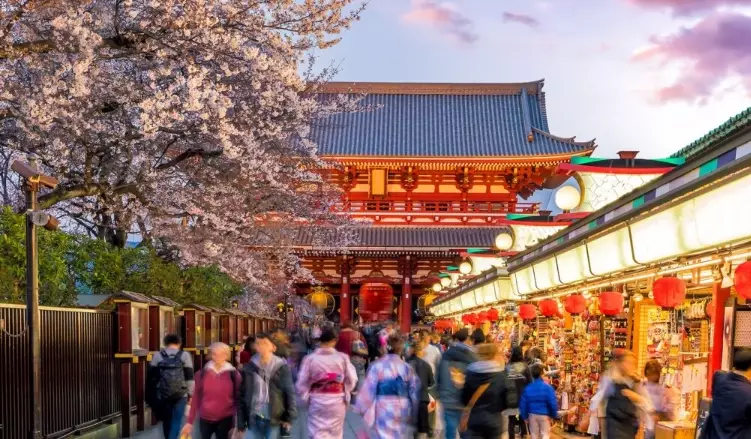
Tokyo: The Pulsating Metropolis
Let's start with the giant. Tokyo isn't a city; it's a constellation of neighborhoods, each with its own personality. Trying to "do Tokyo" in two days is like trying to drink from a firehose. You'll just get soaked and confused.
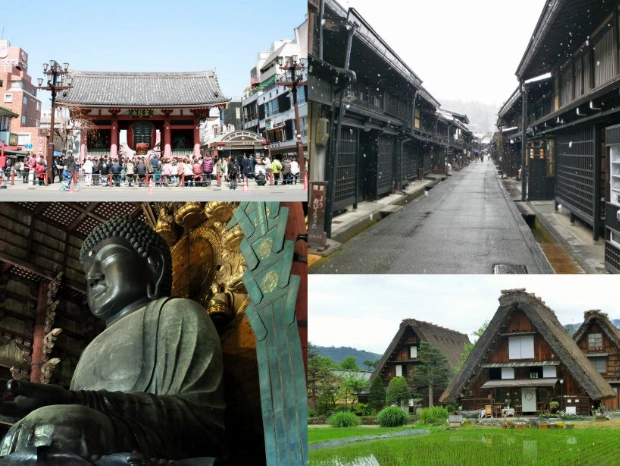
For the classic experience, you can't miss Senso-ji Temple in Asakusa. Yes, it's packed. Yes, the Nakamise shopping street leading to it is tourist central. But walking through the Kaminarimon (Thunder Gate) for the first time? It's a moment. Go early in the morning, I'm talking 7:30 AM, to have a brief moment of peace before the crowds descend.
Then there's Shibuya. The scramble crossing is pure, organized chaos. It's fun to do once. My advice? Don't cross it from street level. Head to the second-floor Starbucks in the Tsutaya building (good luck getting a window seat) or the Shibuya Sky observation deck for the iconic aerial view. Much better.
For something utterly unique, the teamLab Borderless digital art museum (note: the original Odaiba location has closed and relocated to central Tokyo as teamLab Borderless) is an experience that's hard to describe. You wander through flowing, interactive digital landscapes. It's a sensory overload in the best way. Book tickets well in advance.
Kyoto: The Soul of Old Japan
If Tokyo is Japan's hyperactive present, Kyoto is its graceful, contemplative past. This is the answer many people imagine when they ask what are the must visit places in Japan for culture.
Fushimi Inari Taisha is the one with the thousands of vermilion torii gates winding up a mountain. Go for sunrise. Seriously. Most blogs say "go early," but I mean *sunrise*. You'll have the lower paths mostly to yourself, and the light filtering through the gates is magical. By 9 AM, it's a conveyor belt of tourists.
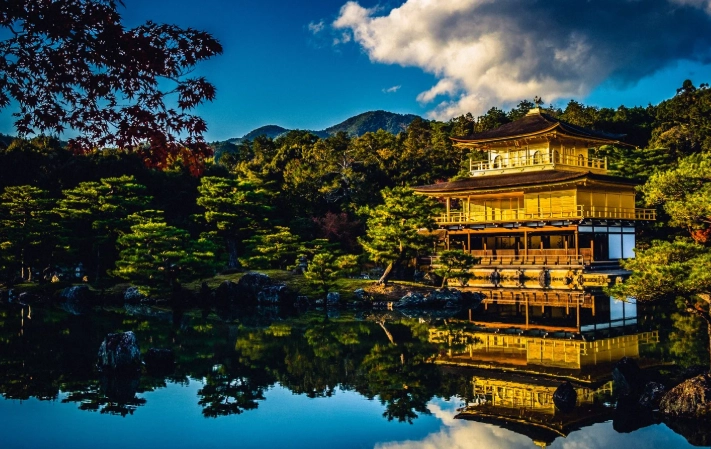
Kinkaku-ji, the Golden Pavilion, is stunning. It's also usually surrounded by a dense crowd all trying to get the same photo. It's beautiful, but it's a quick stop—you look, you admire, you move on. For a more serene temple experience, I often preferred Ginkaku-ji (the Silver Pavilion) or the moss garden at Saiho-ji (Kokedera), though the latter requires advance reservation by postcard—a uniquely Japanese process detailed on their official website.
The Arashiyama Bamboo Grove is another icon. It's a short, beautiful path that takes about 10 minutes to walk. The problem? Everyone else is there too. To make it worth it, combine it with other things in Arashiyama: the lovely Tenryu-ji temple next door, a walk along the Hozu River, or even the Iwatayama Monkey Park where monkeys roam freely (check the official site for current access details).
My favorite Kyoto moments weren't at the big-name spots. They were getting lost in the preserved streets of Gion at dusk, hoping to spot a geiko (the Kyoto term for geisha) flitting between appointments, or discovering a tiny, empty temple down a side alley while walking between districts.
Beyond the Golden Route: Essential Regional Gems
The classic Tokyo-Kyoto-Osaka loop is great, but Japan has so much more. If you have the time, venturing further is where you find some of the most unforgettable answers to what are the must visit places in Japan.
Osaka: The Kitchen of Japan
Often treated as Kyoto's less-reflective sibling, Osaka is a blast. It's down-to-earth, loud, and obsessed with food. Dotonbori at night is a spectacle of neon signs, including the famous Glico Running Man and the giant moving crab. This is where you come to eat street food: takoyaki (octopus balls), okonomiyaki (savory pancakes), and kushikatsu (deep-fried skewers). Don't be shy—just point at what looks good.
Osaka Castle is impressive from the outside, but the interior is a modern museum. History purists might grumble, but it's very well done. For a different kind of castle, consider a day trip to Himeji Castle, a pristine, original white heron fortress, which is a UNESCO World Heritage site. The official Himeji Castle website has all the visitor info you need.
Hiroshima & Miyajima: A Place of Peace and Beauty
This is a profound and necessary day trip or overnight from Osaka or Kyoto. The Hiroshima Peace Memorial Museum and Park are somber, heartbreaking, and ultimately hopeful. It's not a "fun" visit, but it's an important one that stays with you.
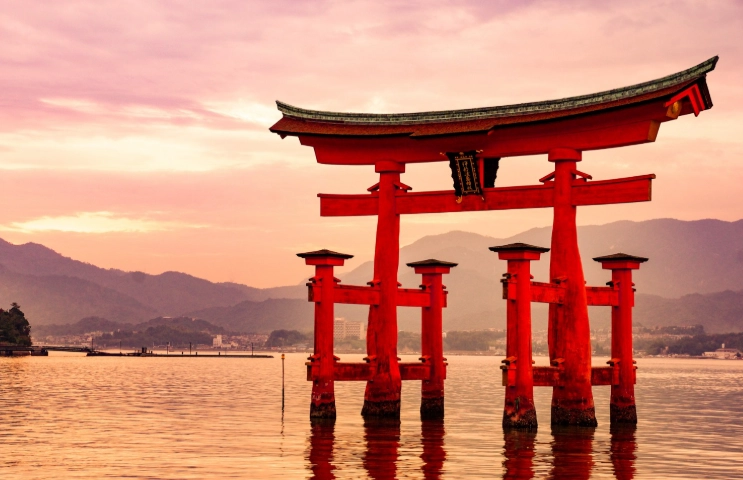
Just a short ferry ride away is the island of Itsukushima, popularly known as Miyajima. The iconic floating torii gate of Itsukushima Shrine is breathtaking at high tide. The island is also home to friendly deer (less aggressive than Nara's!) and delicious momiji manju (maple leaf-shaped cakes). Try to stay overnight if you can—after the day-trippers leave, the island becomes incredibly peaceful.
Hokkaido: For the Nature Lovers and Winter Warriors
If your idea of a must-visit place involves vast landscapes, fresh seafood, and outdoor adventure, Hokkaido is your answer. In winter, the Sapporo Snow Festival is world-famous. The ski resorts like Niseko get some of the best powder snow on the planet.
In summer, it's an escape from Japan's humid heat. The flower fields of Furano (think rolling lavender hills), the dramatic blue ponds of Biei, and the wild national parks like Daisetsuzan offer incredible hiking. Otaru's charming canal district and fresh sushi are also a major draw. The Hokkaido Official Tourism Website is fantastic for exploring regional itineraries.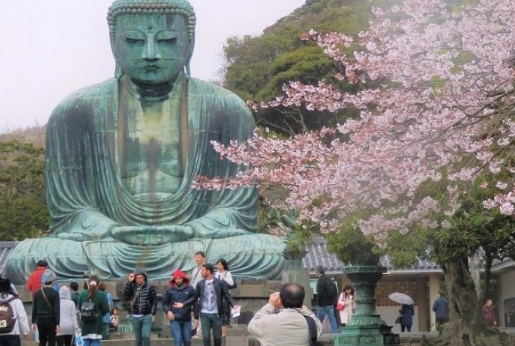
Okinawa: Japan's Tropical Paradise
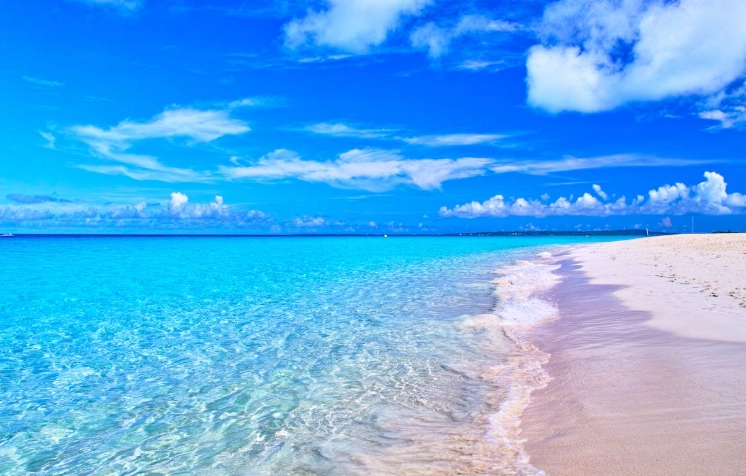
This is a world apart from mainland Japan. With its own distinct culture, history, and subtropical climate, Okinawa offers stunning white-sand beaches, crystal-clear water for snorkeling and diving, and the unique ruins of the Ryukyu Kingdom at Shuri Castle (note: the main hall tragically burned in 2019 and is under reconstruction, but the site remains significant). The food is different too—think goya champuru (bitter melon stir-fry) and Okinawan soba.
Planning Your Visit: The How, When, and How Much
Knowing what are the must visit places in Japan is half the battle. The other half is figuring out how to string them together without having a nervous breakdown.
When is the best time to go?
This is the million-yen question.
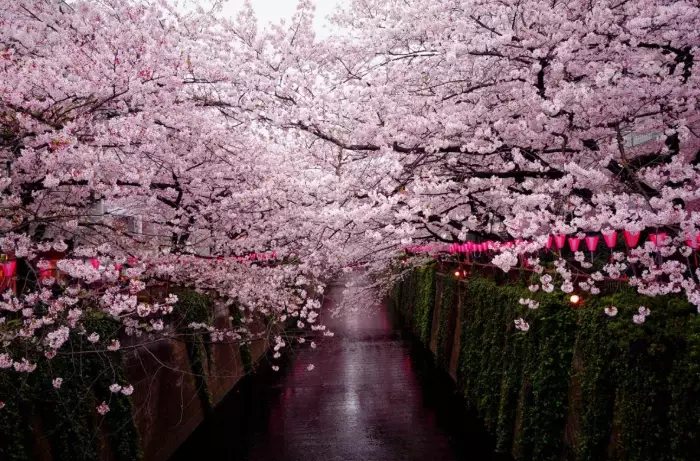
- Spring (March-May): Cherry blossom season (sakura). It's as beautiful as they say. It's also the most crowded and expensive time of year. Book everything a year in advance.
- Autumn (October-November): Fall foliage (koyo). Another stunningly beautiful and popular season. The crowds are slightly less intense than spring, but not by much.
- Summer (June-September): Hot. Humid. Rainy (June-July is tsuyu, the rainy season). But it's festival season! Think Gion Matsuri in Kyoto and countless fireworks festivals (hanabi). Hokkaido is a great summer escape.
- Winter (December-February): Cold in most places, but dry and sunny. Crowds are thinner (except around New Year). It's perfect for onsen towns, seeing snow monkeys in Nagano, and skiing. A fantastic underrated time to visit cities.
Getting Around: The JR Pass Conundrum
The Japan Rail Pass used to be a no-brainer. After a significant price hike in late 2023, you need to do the math. For a fast-paced, cross-country trip (e.g., Tokyo -> Kyoto -> Hiroshima -> Tokyo), it might still pay off. For a slower trip focused on one region (e.g., just Kansai), it almost certainly won't.
Do the calculation: Use the calculator on the official Japan Rail Pass website or a tool like Japan Travel by Navitime to price out your planned Shinkansen trips individually. Compare that total to the cost of the pass. Don't forget regional passes (like the Kansai Area Pass or Hokkaido Rail Pass) which can be much better value for focused travel.
Local trains, subways, and buses are incredibly efficient. Get an IC card (Suica or Pasmo) as soon as you land. You tap and go on almost all local transport, and you can use them at convenience stores and vending machines too. So convenient.
Budgeting Realistically
Japan can be as expensive or as reasonable as you make it. The biggest costs are transport and accommodation. Food can be surprisingly affordable if you know where to look.
| Category | Budget Style | Mid-Range Style | Luxury/Peak Season |
|---|---|---|---|
| Accommodation (per night) | Capsule hotel, business hotel, hostel (¥4,000 - ¥8,000) | Standard 3-4* hotel, nice ryokan (¥12,000 - ¥25,000) | Luxury hotel, high-end ryokan (¥30,000+) |
| Food (per day) | Convenience store meals, street food, chain ramen (¥2,000 - ¥3,500) | Mid-range restaurants, set lunches, occasional nice dinner (¥4,000 - ¥8,000) | Fine dining, famous sushi/kaiseki meals (¥10,000+) |
| Key Saving Tip | Lunch set menus (teishoku) at restaurants are often 30-50% cheaper than dinner. Conbini (7-Eleven, FamilyMart, Lawson) have amazing quality ready meals. | Stay slightly outside the main station areas. A 10-minute walk can halve your hotel cost. | Book ryokans directly through their Japanese websites or reputable agents for best rates and availability. |
Putting It All Together: Sample Itineraries
Let's get practical. Here are frameworks based on different trip lengths. These are just skeletons—flesh them out with your personal interests.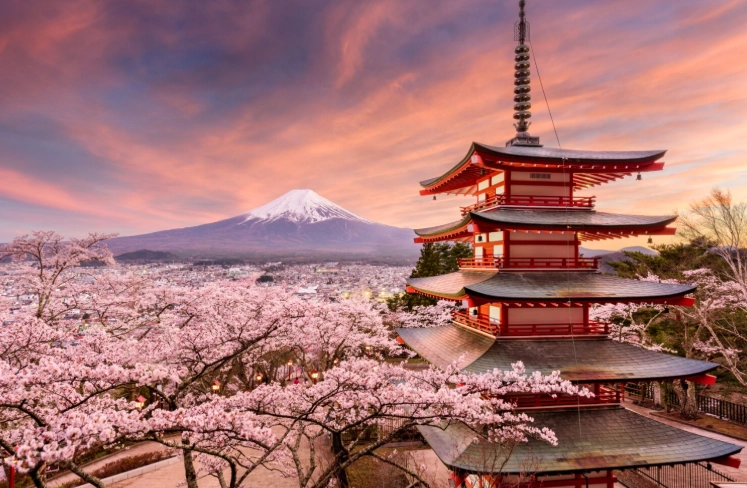
The 7-Day Blitz (First-Timer's Classic)
This is tight, but it hits the big three. Focus on efficiency.
- Days 1-3: Tokyo. Hit Senso-ji, Shibuya/Shinjuku, maybe one museum (the Edo-Tokyo Museum is great for context).
- Day 4: Travel to Kyoto. Activate a 7-day JR Pass if it makes sense. Settle in, visit Fushimi Inari late afternoon (less crowded).
- Day 5: Kyoto. Arashiyama area in the morning, Gion/Pontocho in the evening.
- Day 6: Day trip to Nara or Osaka. Feed the deer at Todai-ji in Nara or eat your way through Dotonbori in Osaka.
- Day 7: Return to Tokyo for flight out, or fly out of Kansai Airport (Osaka).
It's rushed, but you'll see the icons.
The 14-Day Deep Dive (Highly Recommended)
This allows for breathing room and regional exploration.
- Days 1-4: Tokyo. You can explore distinct neighborhoods properly. Add a day trip to Kamakura or Nikko.
- Days 5-8: Kyoto. Visit major temples, but also have time to wander the Philosopher's Path, explore Nishiki Market, and maybe attend a tea ceremony.
- Day 9: Nara. A relaxed day with the deer and giant Buddha.
- Day 10: Hiroshima/Miyajima. Travel in the morning, Peace Park in afternoon.
- Day 11: Miyajima. Spend the night on the island for a serene morning.
- Days 12-13: Osaka. Food focus, Osaka Castle, maybe Universal Studios Japan if that's your thing.
- Day 14: Depart from Kansai.
Answering Your Burning Questions (FAQs)
These are the things I wondered about most before my first trip.
Wrapping Up: Your Japan, Your List
So, what are the must visit places in Japan? Hopefully, you now see it's not a single list. It's a menu. Your perfect itinerary depends on what you hunger for: cutting-edge culture or ancient tranquility, culinary adventures or mountain hikes, bustling festivals or silent temple gardens.
The key is to not get bogged down trying to check every single box. Pick a theme, a region, or a pace that suits you. Mix the iconic with the obscure. Leave room to get lost. Some of my best memories are from places I never planned to visit—a random local festival I stumbled upon, a tiny izakaya recommended by a shopkeeper, a quiet bench in a garden I had all to myself.
Japan rewards the curious and the respectful traveler. Do your homework, but be flexible. Embrace the orderly chaos. And remember, any list of must-visit places is just a starting point. Your own discoveries will become the most important entries on your personal list.
Now go start planning. And maybe practice using chopsticks.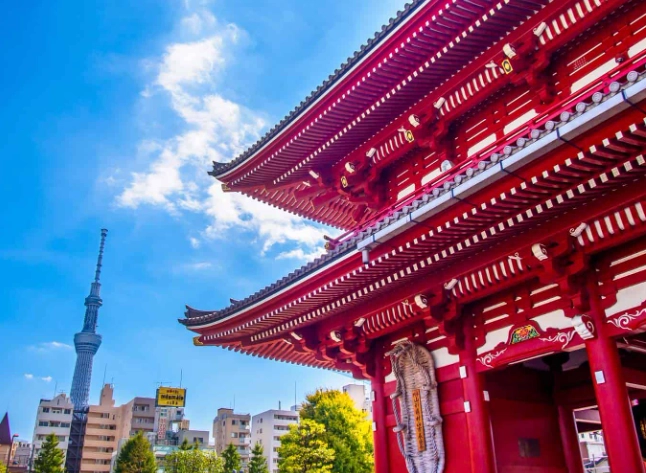


Comments