Key Insights
- Why the Yoshida Trail is the Go-To Route (And Its Downsides)
- Breaking Down the Yoshida Trail: Section by Section
- Yoshida Trail vs. The Other Main Routes: A Clear Comparison
- The Non-Negotiables: What You Absolutely Must Bring
- Navigating the Practicalities: Permits, Huts, and Buses
- Answering Your Burning Questions About the Yoshida Trail
- Final Thoughts: Making Your Yoshida Trail Decision
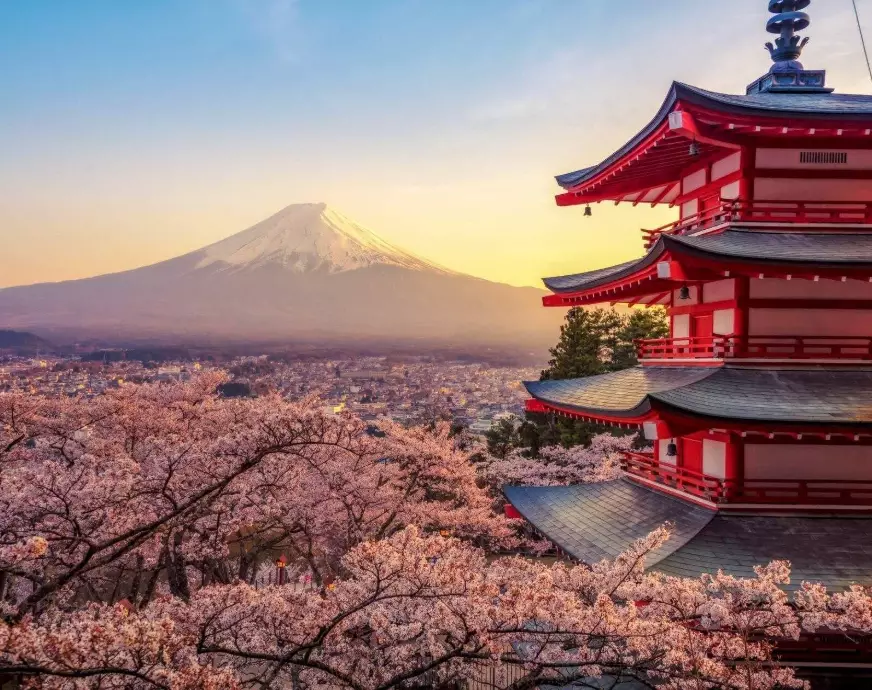
Let's be honest. When you picture climbing Mount Fuji, you're probably imagining that classic, postcard-perfect path winding up from the Fifth Station. Chances are, you're thinking of the Yoshida Trail. It's the one everyone talks about, the one you see in most photos, and for many first-timers, it's the default choice. But is it the right choice for you? That's what we're going to figure out.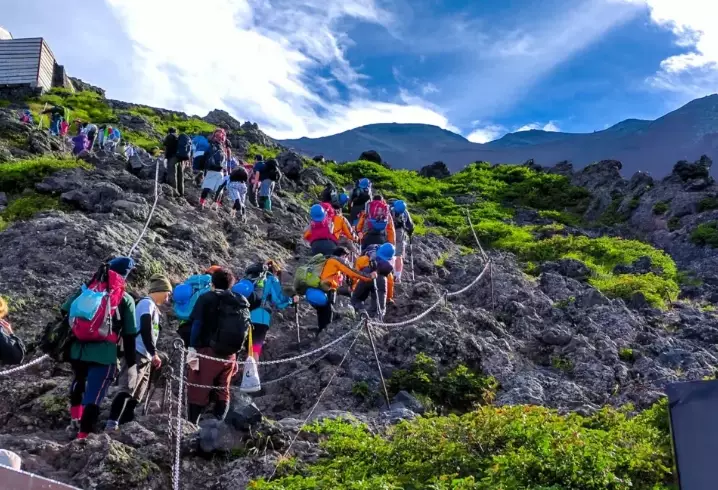
I've been up there a couple of times, once on the Yoshida route and once on another trail, and let me tell you—the experience can be wildly different. This isn't just a hike; it's a cultural event, a physical challenge, and sometimes, a test of patience. Crowds, weather, and your own fitness level all play a huge part. This guide won't just list facts. I want to give you the feel of the place, the stuff you won't find in a dry brochure, so you can decide if the Yoshida Trail is your kind of adventure.
Why the Yoshida Trail is the Go-To Route (And Its Downsides)
Popularity comes with reasons. The main starting point, the Fuji Subaru Line 5th Station, is the highest of all the fifth stations at about 2,300 meters. You get a head start, which is a massive psychological and physical boost. The road up there is paved and served by frequent buses from places like Kawaguchiko Station and Tokyo, making logistics a breeze compared to other trails.
The path itself is, for the most part, wide and clearly defined. You're not scrambling over crazy boulders. There are more mountain huts along the Yoshida Trail than any other route. This means more options for rest, bathroom breaks (for a fee, always for a fee), and emergency shelter if the weather turns. If your goal is to catch that legendary sunrise from the summit, this trail is structured for it, with many hikers doing the classic "bullet climb" through the night.
But here's the flip side, the part no one likes to talk about as much.
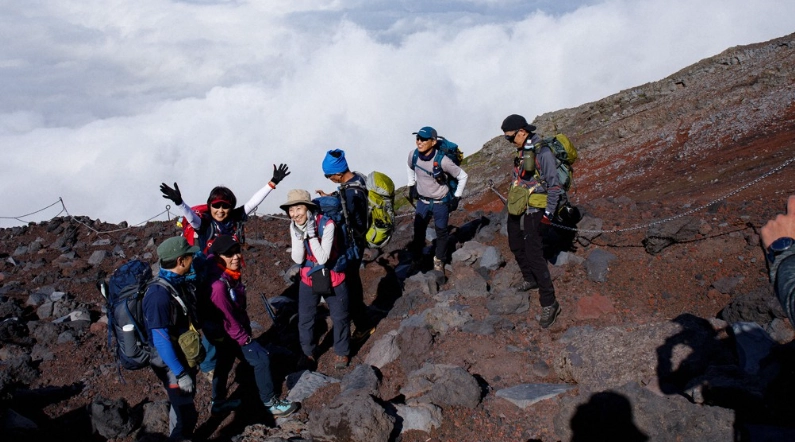
Because it's the easiest to get to, it gets packed. I'm talking conga-line packed on summer weekends and during Obon week. You can spend long sections walking at a snail's pace, especially between the 7th and 8th stations. The sense of wilderness? Forget it. It can feel more like a pilgrimage or a busy outdoor staircase. The abundance of huts also means you're rarely alone, and the cost of staying in one has skyrocketed in recent years.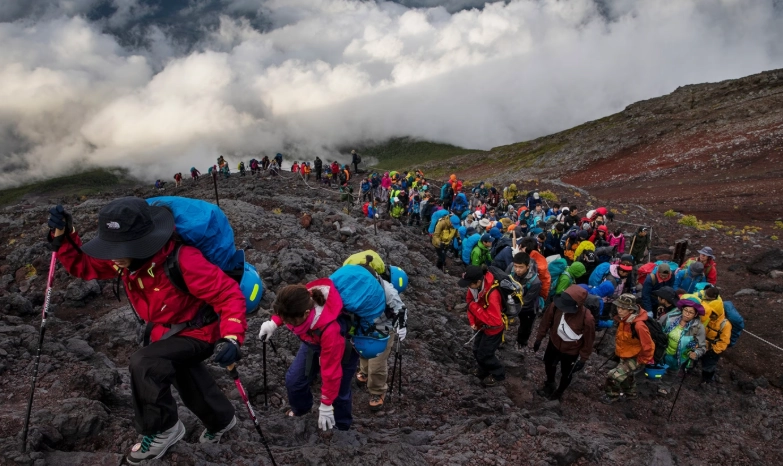
Breaking Down the Yoshida Trail: Section by Section
Understanding what each leg of the journey feels like helps you prepare mentally. It's not just one big climb; it's a series of different challenges.
Fifth Station (Start) to Sixth Station: The Warm-Up
This part is relatively gentle, a wide gravel path through low shrubs. It gets your legs moving and your lungs accustomed to the altitude. You're still surrounded by trees here. It's deceptive, really. It feels so easy that people often overexert themselves. Take it slow. This is where you should be adjusting your pace and drinking water.
Sixth to Seventh Station: Where the Work Begins
The tree line ends, and the iconic volcanic landscape begins. The path becomes steeper, switching to zig-zagging switchbacks and, in places, rough volcanic scree. This is where you'll start feeling the altitude. The air gets thinner. The seventh station isn't one single point; it's a series of huts spread out over a significant elevation gain. This section separates the prepared from the unprepared.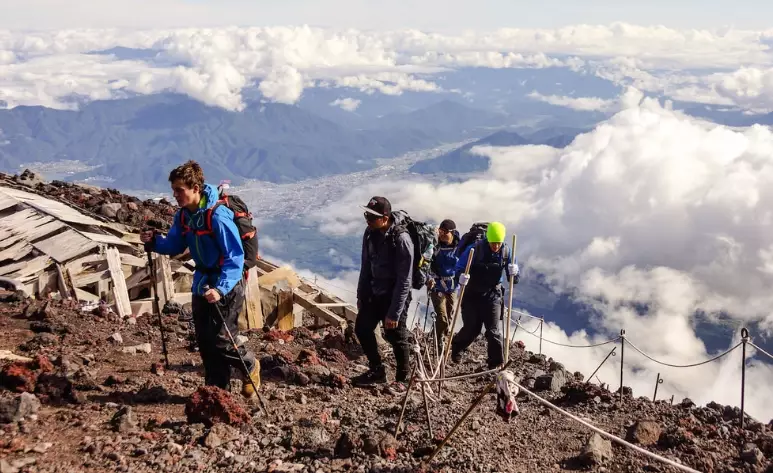
Seventh to Eighth Station: The Crowded Grind
This is often the most congested part of the Yoshida Trail. The path narrows in places, and with the combination of steep, rocky steps and a high volume of hikers, traffic jams are common. Progress can be frustratingly slow. This is where good trekking poles become worth their weight in gold for stability on the loose rock.
Eighth Station to the Summit: The Final Push
The altitude is really talking to you now. Every step requires effort. The landscape is stark, almost lunar. You pass the final huts (like the famous Fujisan Hotel) before the trail splits near the summit crater. Here, you choose: go left for the actual summit marker at Kengamine Peak, or right for the sunrise viewing areas and the crater rim. The last 30 minutes feel like an hour.
And then you're there. At the top of Japan.
Yoshida Trail vs. The Other Main Routes: A Clear Comparison
Picking a trail isn't just about Yoshida. To make a smart choice, you need to see how it stacks up. Here’s a breakdown that goes beyond just distance and time.
| Trail Name | Starting 5th Station | Ascent Time | Key Characteristics | Best For... |
|---|---|---|---|---|
| Yoshida Trail | Fuji Subaru Line (Yamanashi) ~2,300m |
5-7 hours | Most popular & accessible, most mountain huts, best for sunrise views, can be very crowded. | First-timers, sunrise seekers, those wanting maximum facilities. |
| Subashiri Trail | Subashiri (Shizuoka) ~2,000m |
5-7 hours | Quieter, forested start merging with Yoshida near 8th station. Less crowded descent option. | Hikers wanting a quieter ascent who don't mind a busier summit area. |
| Gotemba Trail | Gotemba (Shizuoka) ~1,400m |
7-9 hours | Longest, least developed, most challenging. Vast volcanic slopes, few facilities. | Experienced hikers seeking solitude and a serious physical challenge. |
| Fujinomiya Trail | Fujinomiya (Shizuoka) ~2,400m |
4-6 hours | Shortest ascent, steep and rocky. Direct access from Shinkansen side, busy. | Those short on time, coming from Osaka/Kyoto, comfortable with steep climbs. |
See the pattern? The Yoshida Trail is the all-rounder. The Fujinomiya Trail might be shorter, but it's steeper and has its own crowds. The Gotemba Trail is for the purists. The Subashiri is a great hybrid. Your choice depends on what you value more: convenience and sunrise (Yoshida) or a bit more peace (Subashiri, Gotemba).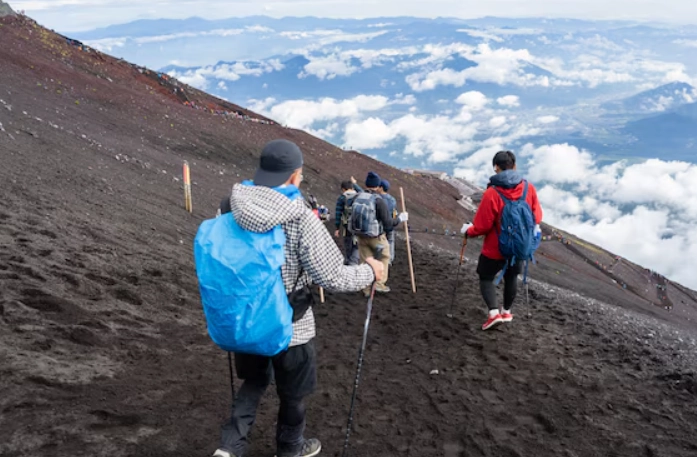
The Non-Negotiables: What You Absolutely Must Bring
Underestimating Fuji is a classic mistake. The weather at the summit is not the weather at the base. I've seen people in shorts and sneakers shivering uncontrollably at the 8th station. Don't be that person. Here’s the real packing list, born from experience.
- Layered Clothing: A moisture-wicking base layer, a warm insulating layer (fleece/down), and a waterproof/windproof outer shell. Temperatures can be near freezing at the summit, even in summer.
- Proper Hiking Boots: Ankle support is critical for the unstable scree. Waterproof is a huge plus. Break them in *before* the trip.
- Headlamp: Essential if you're climbing at night for the sunrise. Hands-free light is a safety must.
- Water & Snacks: Carry at least 1.5-2 liters of water. You can buy more at huts, but it's expensive (around ¥500-700 per bottle). High-energy snacks like nuts, chocolate, and onigiri are fuel.
- Cash: Cards are useless on the mountain. You need cash for the donation-based climbing fee (¥1000, highly encouraged), hut stays, food, drinks, and toilets (¥200-¥300 per use).
- Sun Protection & Gloves: The sun is intense at high altitude. Sunglasses, hat, and high-SPF sunscreen are vital. Gloves protect your hands on the rocky sections and from the cold.
- Plastic Bag for Trash: There are no public trash cans on the mountain. You must carry all your trash down with you. This is a strict rule.
Navigating the Practicalities: Permits, Huts, and Buses
The Climbing Pass & Donation
As of now, there is no mandatory permit system for day hikers on Mount Fuji. However, there is a strongly recommended voluntary climbing pass that costs ¥1000. You buy it at the Fifth Station. The money goes directly towards conservation efforts—trail maintenance, toilet facilities, and environmental protection. Please contribute. It's the right thing to do for the mountain. For the most current official information, always check the official Mount Fuji climbing website run by the local authorities.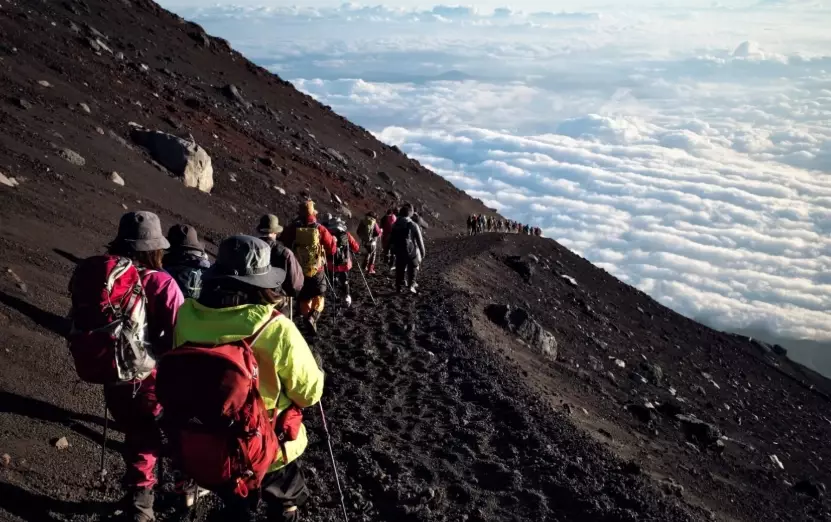
Mountain Huts: To Stay or Not to Stay?
Staying in a hut (called a "goya") is a unique experience. It allows you to break the climb, rest, and acclimate, making your summit push shorter. You typically get a space in a shared dormitory and sometimes two meals (dinner and breakfast). But it's not a hotel. Spaces are tight, it can be noisy, and sleep is often minimal. Bookings open months in advance and fill up fast, especially for weekends. If you want a hut, plan early. If you're doing a bullet climb (straight through the night), you won't need one, but you must be confident in your stamina.
Getting There and Back
The bus is your friend. From Tokyo, direct highway buses run to the Fuji Subaru Line 5th Station from Shinjuku and Tokyo Station during the climbing season. You can also take a train to Kawaguchiko Station and transfer to a local bus. The key is to book your bus tickets in advance, especially for weekend departures. The official Japan Guide transportation page is an excellent, regularly updated resource for planning your route. Don't wing it—the last bus down can be full.
Answering Your Burning Questions About the Yoshida Trail
Here are the things people really wonder about, based on forums, conversations, and my own pre-climb anxieties.
Final Thoughts: Making Your Yoshida Trail Decision
Look, the Yoshida Trail is popular for good reason. It offers the most straightforward path to an incredible achievement. It holds your hand with its facilities while still challenging you physically. It delivers that iconic sunrise moment.
But go in with your eyes open. It's not a wilderness escape. It's a shared, sometimes crowded, cultural and physical journey. Respect the mountain, prepare thoroughly, pack your patience alongside your water, and you'll have an experience you'll talk about for years.
Maybe I'll see you on the switchbacks. Just remember to say "Konnichiwa" and step aside to let the faster climbers pass. It's all part of the unwritten code of the Yoshida Trail.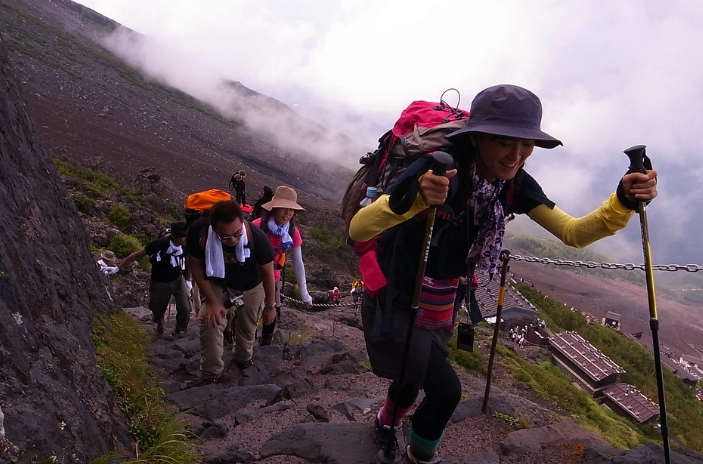

Comments