Everyone sees Mount Fuji on a postcard. Most tourists see it from a crowded bus window near Lake Kawaguchiko. But very few truly experience Fuji, paired with the deep cultural fabric of the land that cradles its southern slopes—Shizuoka Prefecture. If you're just ticking off Tokyo, Kyoto, and Osaka, you're missing Japan's scenic soul. Shizuoka is where Japan slows down, where flavor deepens, and where that iconic mountain reveals different personalities from every angle.
I've lost count of my trips here over the years. I've chased the perfect Fuji shot in sub-zero dawns and spent afternoons lazily picking tea leaves under a warm sun. This isn't a list of tourist traps. It's a distilled guide on how to see Shizuoka like someone who knows where the crowds thin and the real magic begins.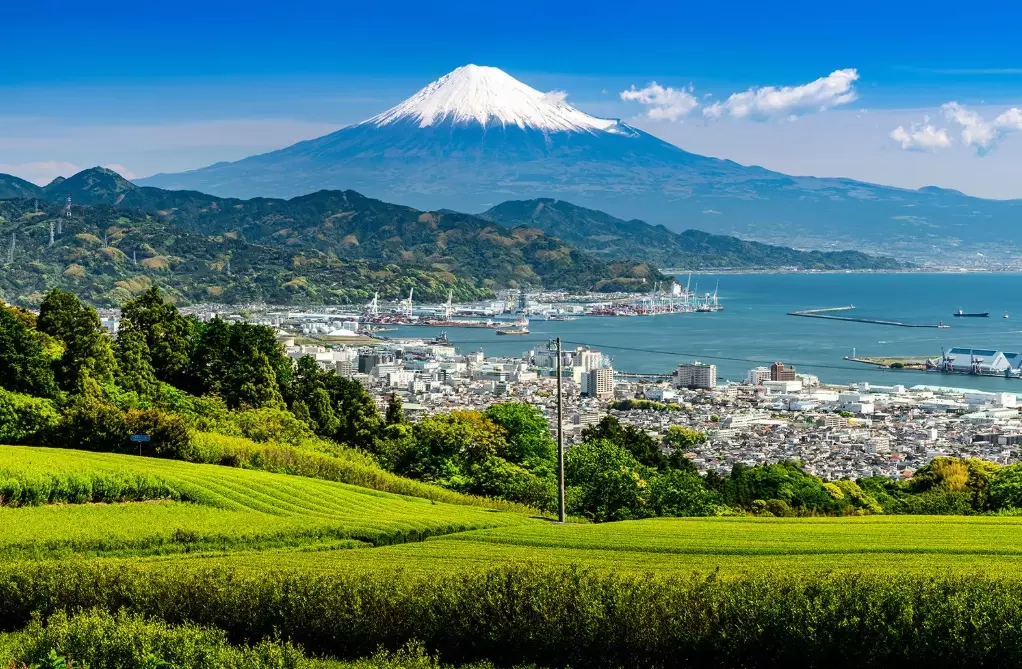
Your Shizuoka Journey at a Glance
Why Shizuoka? Beyond the Postcard View
Shizuoka gets overshadowed. It's the stretch of coast you blast through on the Shinkansen between Tokyo and Kyoto. But that's the mistake. This prefecture is a complete package.
Think of it as a triple threat: iconic nature (Mount Fuji, the Pacific coast, the Southern Alps), profound culture (the birthplace of the Tokugawa shogunate, Ieyasu, and Japan's undisputed green tea capital), and incredible food (some of the country's freshest seafood, thanks to the deep Suruga Bay).
The pace is different. The air smells different—often like roasting tea leaves or the salty ocean. It feels lived-in, not just displayed. For the Japan National Tourism Organization, Shizuoka is a key cultural destination, but it hasn't yet reached the saturation point of Kyoto's alleys.
The Ultimate Mount Fuji Viewing Strategy
Forget the idea of one "best" spot. Fuji is a moody giant. Your success depends on season, time of day, and a bit of luck with the weather. The key is having a plan A, B, and C.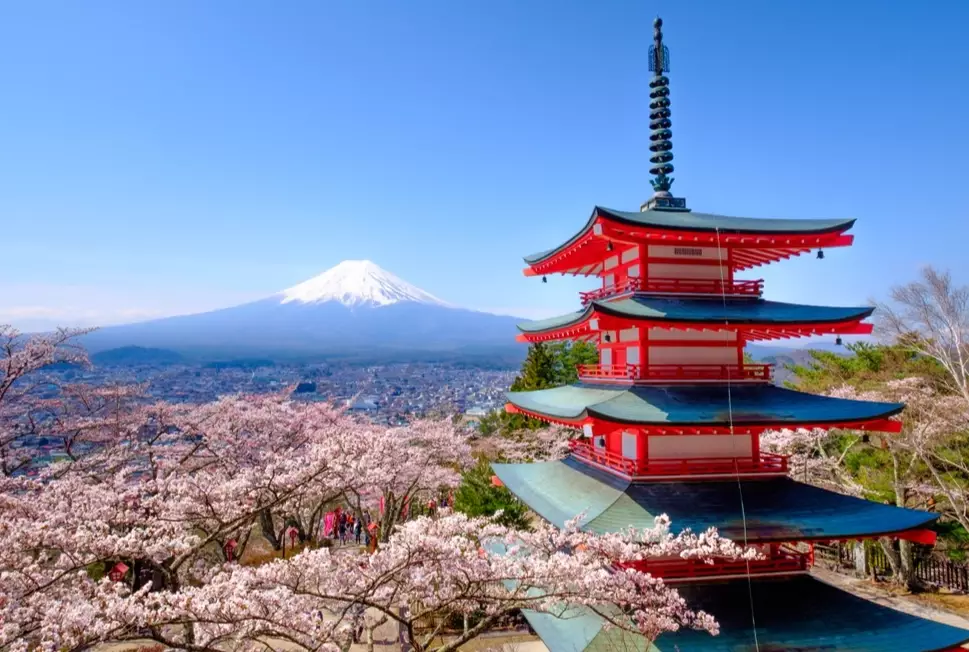
The Classic Compositions: Where Postcards Come From
These spots give you that "wow" shot, but often come with crowds.
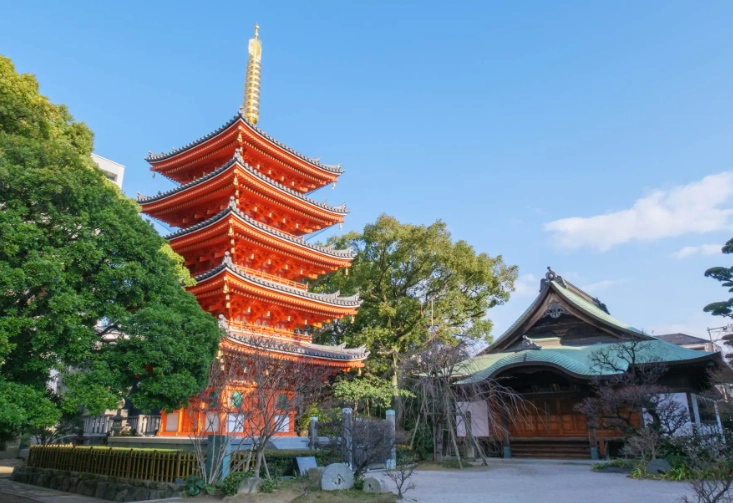
- Arakura Sengen Shrine (Chureito Pagoda), Fujiyoshida: The iconic five-story pagoda with Fuji looming behind. It's a steep 400-step climb. Go at opening (9 AM) or two hours before sunset. Midday buses from Kawaguchiko station swarm the place. Admission is free. The view is spectacular year-round, but cherry blossom season (mid-April) and autumn (November) are insane (in a good and bad way).
- Miho no Matsubara, Shizuoka City: A UNESCO World Heritage site, this 7km pine grove on the coast frames Fuji across the water. It's atmospheric, vast, and never feels packed. It's about the panorama, not a single focal point. Access is via bus from Shimizu Station. No entrance fee. Perfect for a long, contemplative walk.
The Local Favorites: Where Atmosphere Wins
These are where I send friends who want to feel the place, not just photograph it.
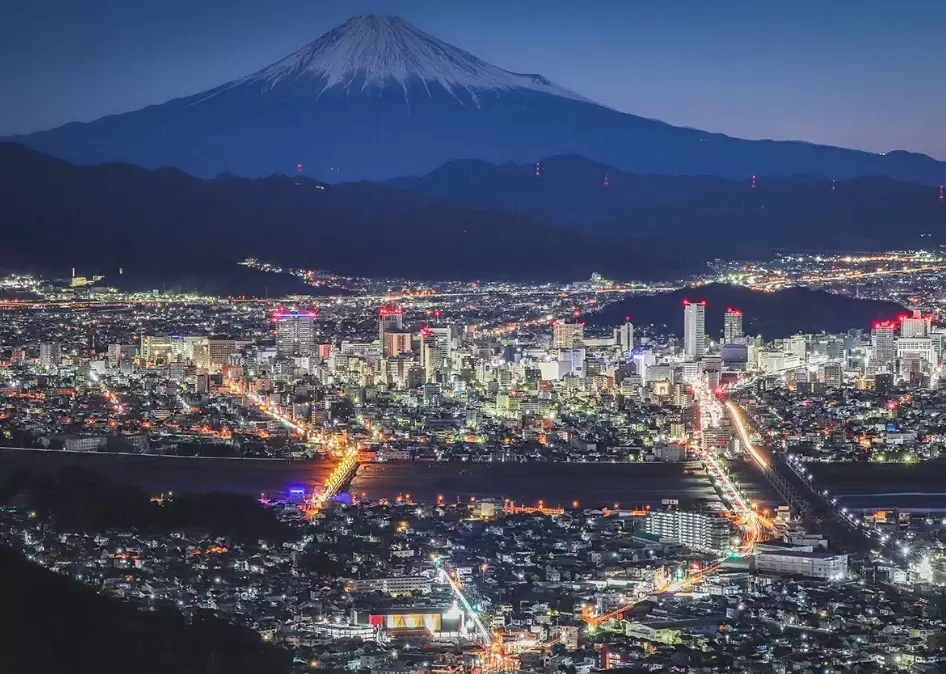
- Nihondaira Plateau, Shizuoka City: Take the ropeway from Nihondaira Station up to Kunozan Toshogu Shrine. You get a 360-degree view of Shizuoka City, Suruga Bay, and Fuji. The ropeway costs 1,200 yen roundtrip. The shrine, the final resting place of Tokugawa Ieyasu, is stunningly ornate and worth the separate admission (500 yen).
- Fujisan Hongu Sengen Taisha, Fujinomiya: This is one of the head Sengen shrines dedicated to Fuji itself. The atmosphere is powerful and ancient. It's less about a distant view and more about feeling Fuji's spiritual presence at its base. A good option if the mountain is shrouded in clouds—you still get a profound cultural experience.
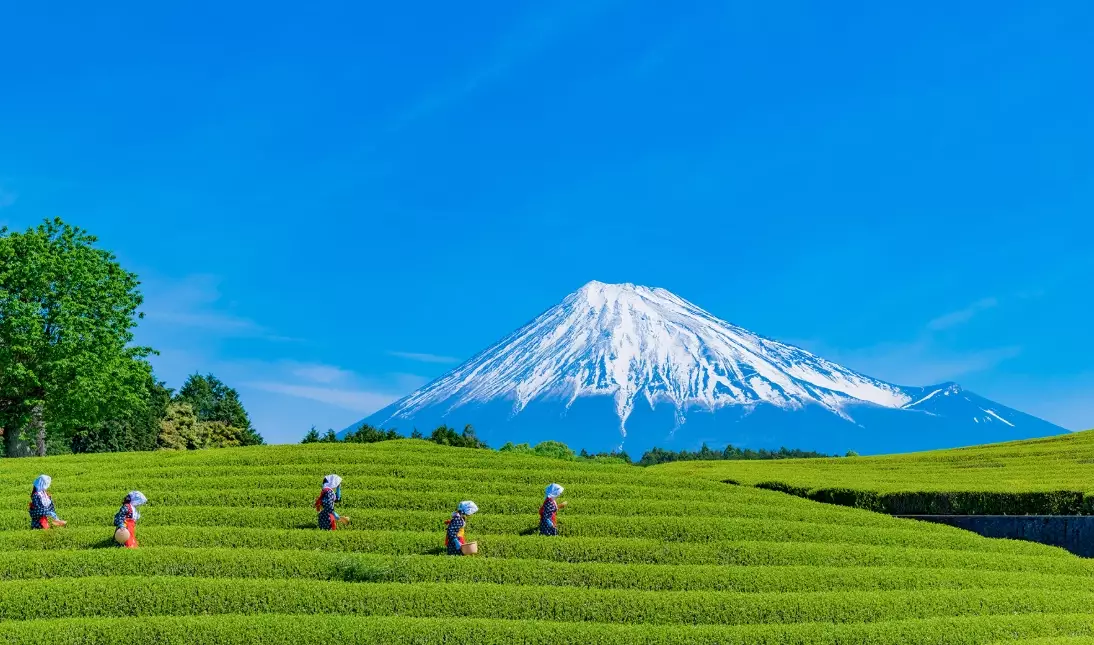
A Deep Dive into Shizuoka's Green Tea Culture
Shizuoka produces over 40% of Japan's tea. But the tourist experience is often shallow—a gift shop with pre-packaged bags. You need to go deeper.
The magic is in the terroir. The mist from Mount Fuji and the warm climate create perfect growing conditions. The best tea fields are on hillsides with good drainage, like those around Kakegawa and Shimada.
How to Have a Real Tea Experience
Skip the generic "tea tasting" at the station. Do this instead:
- Visit a Working Farm: Places like Kunozan Tea Farm near Shizuoka City offer hands-on tea picking (seasonal) and processing workshops. You see the leaves, smell the steam, and taste the difference between sencha, gyokuro, and matcha straight from the source. Address: 832-1 Mochimune, Suruga-ku, Shizuoka City. A 2-hour workshop runs about 3,000-4,000 yen.
- Learn the Grades: A farmer once told me most people over-brew their sencha, making it bitter. Use water at 70-80°C (158-176°F), not boiling, and steep for just 60 seconds for the first infusion. The second infusion can be hotter and shorter.
- Try Tea-Infused Food: This isn't a gimmick. Chagashi (tea sweets) are an art form. In Shizuoka City, look for Green Tea Tiramisu at local cafes or soba noodles made with green tea flour. The flavor is subtle and earthy.
For a deep dive into tea history, the Shizuoka Tea Museum in Kikugawa City is surprisingly engaging and detailed.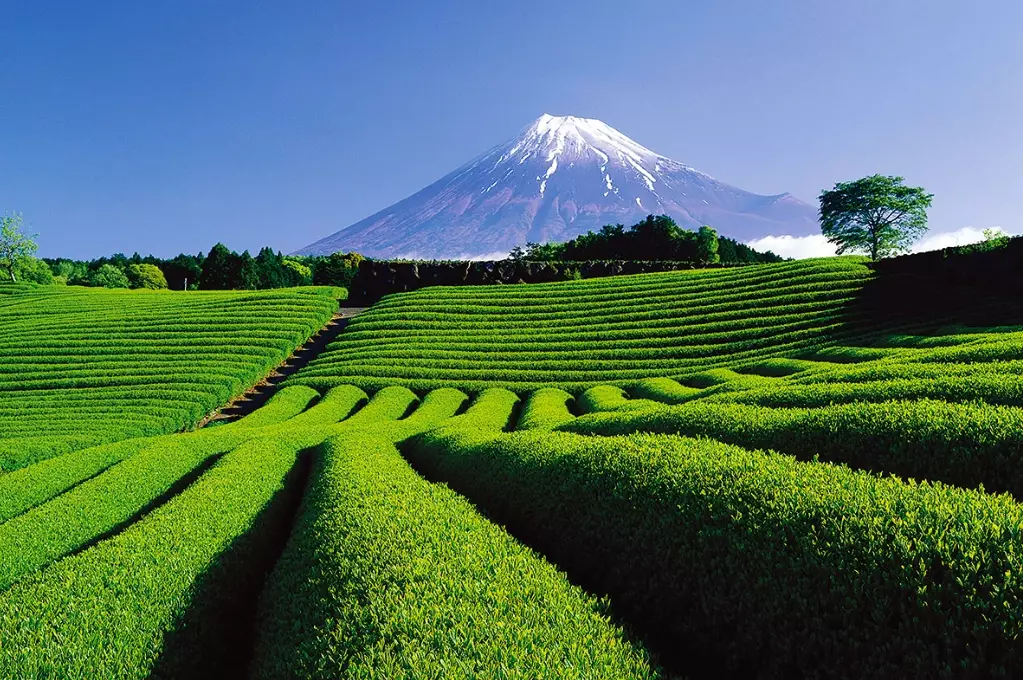
Shizuoka's Coastal Bounty and City Flavors
The Suruga Bay is one of the deepest in Japan, bringing up nutrient-rich waters and an insane variety of seafood. Your taste buds will thank you.
Must-Try Foods & Where to Find Them
| Food | What It Is | Best Place to Try | Notes |
|---|---|---|---|
| Sakura Ebi (Cherry Shrimp) | Tiny, pink, sweet shrimp. Eaten fresh (raw) in season (Spring & Autumn) or dried. | Shimizu Sushi-dokoro near Shimizu Port, or any market. | The fresh version is a rare delicacy. Dried, they're a crunchy topping for rice or salads. |
| Shizuoka Oden | A local variant of the Japanese hotpot dish, using a dark, rich broth made with black hanpen (fish cake). | Aoba Honten in Shizuoka City (2-8-1 Tokiwa-cho). Opens 5 PM. | Darker, sweeter, and more robust than Tokyo or Kansai oden. A winter comfort food staple. |
| Unagi (Eel) | Eel grilled over charcoal with a sweet-savory sauce. The Hamamatsu/Mikawa region is famous. | Unagi Fujita in Hamamatsu (various branches). | More affordable and just as good as the famous places in Tokyo. A set meal runs 3,500-5,000 yen. |
| Wasabi | Real, fresh wasabi from the Izu Peninsula or the Abe River system. | Izu area (e.g., Daio Wasabi Farm) or high-end sushi shops. | The fresh-grated version is floral and complex, not just a nasal-burning paste. |
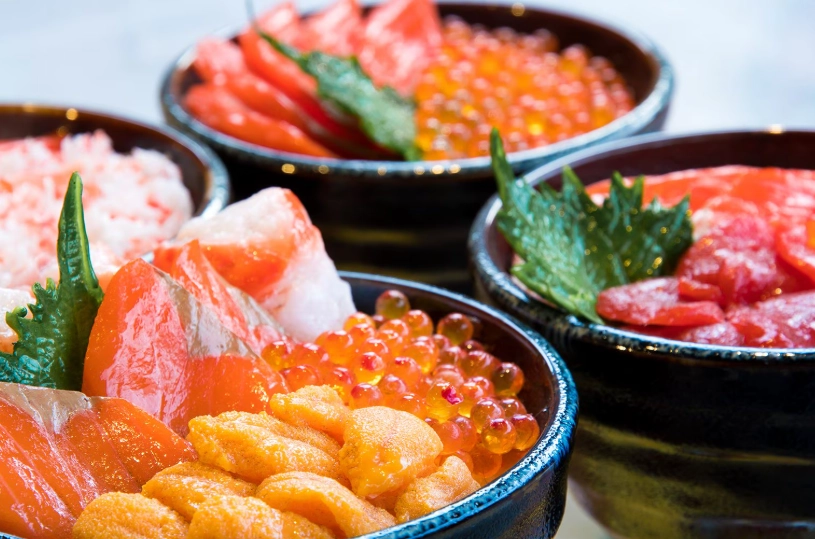
For a Food Adventure: Head to the Shimizu Fish Market (S-Pulse Dream Plaza). It's less hectic than Tokyo's Tsukiji, and you can get incredibly fresh donburi (rice bowls) topped with tuna, sea urchin, and ikura right on the spot.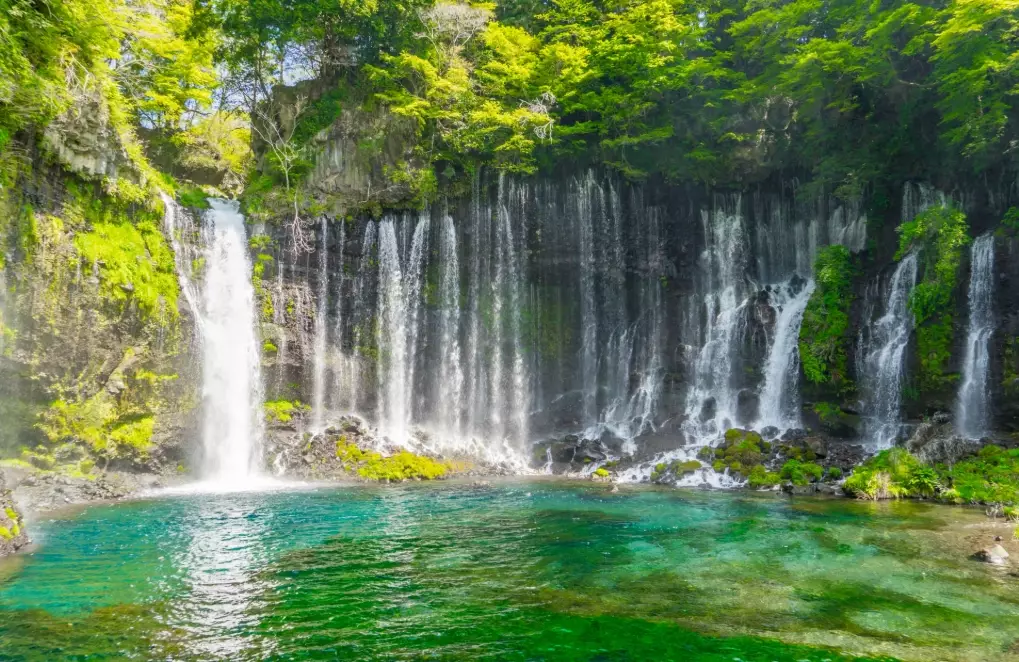
Where to Stay: A Quick Breakdown
Your base depends on your focus.
- Shizuoka City: Best for a mix of city life, tea culture, and access to Miho no Matsubara/Nihondaira. Hotels like the Associa Shizuoka (connected to the station) are convenient. For a ryokan experience, look for places with onsen in the Nihondaira area.
- Fujinomiya/Fujiyoshida: Ideal for dedicated Fuji climbing or deep shrine exploration. More traditional, smaller lodgings.
- Atami/Izu Peninsula (southern part of Shizuoka): A classic hot spring resort area. Perfect if your goal is onsen relaxation by the sea. It's a bit farther from the main Fuji viewpoints but has its own dramatic coastline.
Crafting Your Perfect Shizuoka Itinerary
Here’s a realistic 3-day plan that balances highlights with local immersion. It assumes you're arriving via Shinkansen at Shizuoka Station.
Day 1: Fuji & The City
Morning: Arrive at Shizuoka Station. Stow luggage. Take bus/taxi to Nihondaira Plateau. Ride the ropeway, visit Kunozan Toshogu Shrine.
Afternoon: Head back towards the city. Visit the Sunpu Castle Park ruins for a history hit. Then, wander the streets around Aoba Honten for an early dinner of Shizuoka oden.
Stay: Shizuoka City.
Day 2: Tea Fields & The Coastal Pine Grove
Morning: Rent a bicycle or take a local train to the Kunozan area. Join a tea farm workshop (book ahead).
Afternoon: Take a train/bus to Shimizu Station, then a bus to Miho no Matsubara. Walk the pine grove, find your favorite Fuji view.
Evening: Dinner at the Shimizu Fish Market area for super-fresh sushi and sakura ebi dishes.
Stay: Shizuoka City or a hotel in Shimizu.
Day 3: Choose Your Adventure
Option A (Culture/History): Take a train to Fujinomiya. Visit Fujisan Hongu Sengen Taisha. If you're feeling energetic, hike part of the Yoshida trail (outside of official climbing season, just a short walk is possible).
Option B (Scenic Classic): Take an early train/bus combo to Fujiyoshida and the Arakura Sengen Shrine (Chureito Pagoda). Beat the crowds. Afternoon, explore the local streets of Fujiyoshida.
Depart from either station via local train back to Shizuoka or onward to your next destination.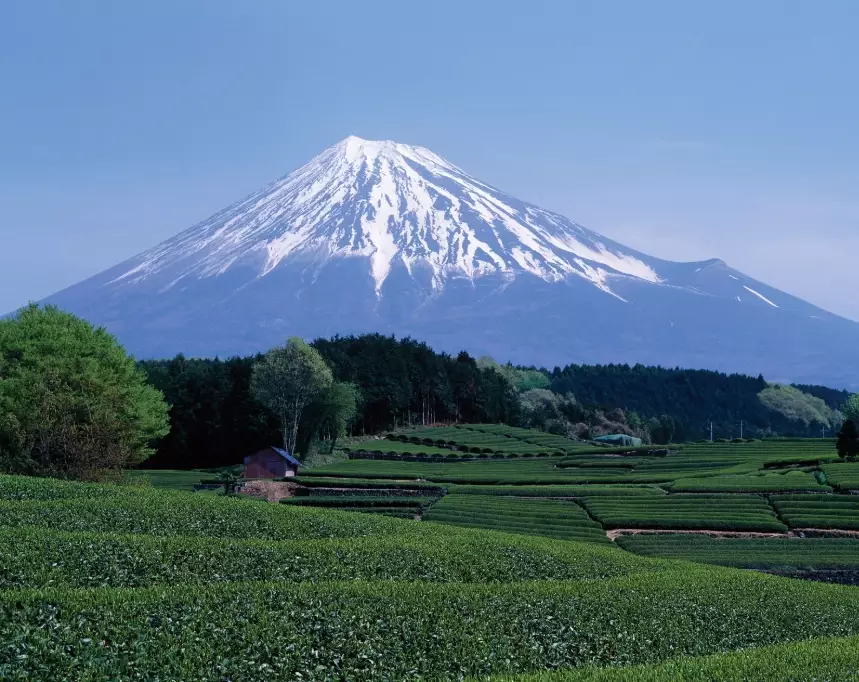
Practical Information for Your Shizuoka Trip
- Getting There: The Tokaido Shinkansen is king. From Tokyo Station to Shizuoka Station: about 1 hour on the Nozomi, 1.5 hours on the Hikari/Kodama. A one-way ticket is roughly 6,000 yen. Consider a JR Pass if it fits your wider Japan itinerary.
- Getting Around: Local JR lines connect major cities (Shizuoka, Shimizu, Fuji, Fujinomiya). For specific viewpoints, buses are essential but infrequent. Study timetables on Google Maps or the local bus company websites. Taxis are a viable option for small groups going to specific spots like Nihondaira.
- Best Time to Visit: Late October to early December for clear autumn skies and fall colors. February for crisp, clear winter views of snow-capped Fuji. Avoid June-July (rainy season, Fuji often hidden).
- Budget: Mid-range. Accommodation is cheaper than Tokyo. Food can be very reasonable, especially at local markets. Transportation costs add up if you're moving between cities daily.
Your Shizuoka Questions, Answered
 Shizuoka rewards the curious. It asks you to look beyond the obvious snapshot, to sip tea slowly, to wander a pine grove without a firm destination. It's the Japan you imagine between the bullet train rides. Give it the time it deserves, and it will give you memories far richer than any postcard.

Comments