Most first-time visitors to Japan land in Tokyo and never leave. That's a mistake. Just south of the capital, Kanagawa Prefecture waits with a completely different rhythm. It's where samurai history, cutting-edge cityscapes, and relaxing hot springs exist within an hour's train ride. Think of it as Japan's greatest hits album—compact, varied, and endlessly rewarding. I've spent years exploring its corners, from the packed streets of Yokohama Chinatown to the quiet forest paths behind Kamakura's temples. This guide isn't just a list of places. It's the blueprint for the trip you'll remember long after the jet lag fades.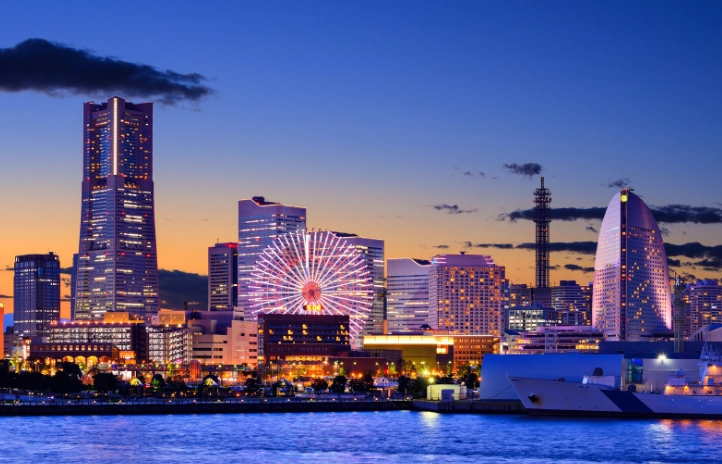
Your Kanagawa Journey at a Glance
Why Kanagawa Deserves Your Time
Kanagawa is the relief valve for Tokyo's pressure cooker. You come here to breathe. The air feels different—sometimes salty from the Sagami Bay, sometimes mineral-rich from Hakone's volcanic vents. Culturally, it's a layer cake. Kamakura was Japan's political capital in the 12th century, and you can feel that weight in its giant bronze Buddha and serene Zen temples. Yokohama, Japan's first major international port, buzzes with a cosmopolitan energy you won't find in more traditional cities. Then there's Hakone, the classic hot spring resort that has been soothing travelers for centuries. The beauty is in the proximity. You can meditate in a 13th-century garden in the morning and be sipping craft beer in a waterfront skyscraper by afternoon.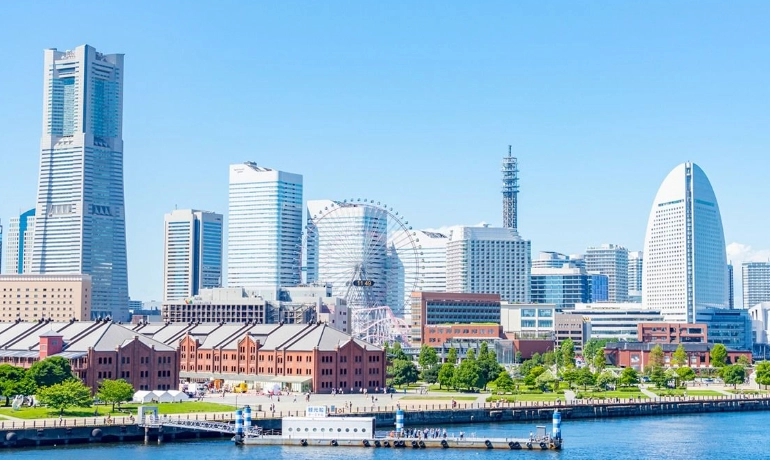
A Local's Perspective: Everyone rushes to the Great Buddha in Kamakura. Few take the 10-minute walk behind it to the quiet Hase-dera Temple. The view of the coast from its gardens, especially with autumn leaves or hydrangeas in bloom, often beats the main attraction for me. It's less crowded, and you can actually hear yourself think.
How to Get to Kanagawa from Tokyo
This is the easy part. The region is woven into Tokyo's rail network. Your choice depends on your destination and budget.
| Destination | Best Train Line | Starting Station (Tokyo) | Approx. Travel Time | Approx. Cost (One Way) |
|---|---|---|---|---|
| Kamakura | JR Yokosuka Line | Tokyo, Shinagawa | 55-60 minutes | ¥920 |
| Yokohama | JR Tokaido Line / Keihin-Tohoku Line | Tokyo, Shinagawa | 25-40 minutes | ¥470 - ¥580 |
| Hakone | Odakyu Romancecar (Limited Express) to Hakone-Yumoto | Shinjuku | 85 minutes | ¥2,330 (plus seat fee) |
For Hakone, the Hakone Free Pass from Odakyu Railways is almost always worth it. It covers the round-trip from Shinjuku and unlimited use of almost all transport in Hakone (trains, buses, cable cars, pirate ships—yes, pirate ships). It saves you money and mental energy. Buy it online or at the Odakyu Sightseeing Service Center in Shinjuku Station.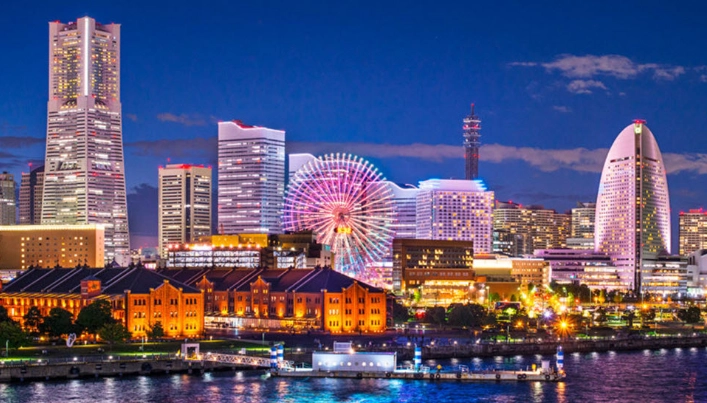
A common trap? Trying to do Hakone as a day trip with the Free Pass. The pass is valid for two or three days. If you rush, you'll spend the entire day in lines for transport and miss the whole point: relaxation.
Top Things to Do in Kamakura
Kamakura is a town of temples and trails. Don't just tick off the big sights. Linger.
Kamakura Daibutsu (The Great Buddha)
The iconic symbol. At Kotoku-in Temple, this 11.4-meter tall bronze statue has stood since the 13th century. It's impressive, no doubt. For ¥300, you can even go inside it (a cramped but unique experience).
Address: 4-2-28 Hase, Kamakura, Kanagawa 248-0016.
Access: 7-minute walk from Hase Station (Enoden Line).
Pro Tip: Go as early as possible, right at 8:00 AM opening. By 10 AM, the courtyard is packed with school groups. The light is better for photos in the morning anyway.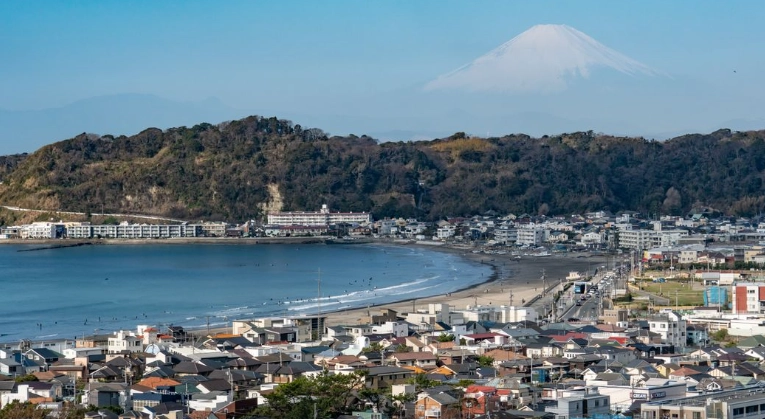
Hokokuji Temple (The Bamboo Temple)
This is my personal favorite and often overlooked. A small, serene Zen temple with a stunning grove of several hundred bamboo stalks. For an extra ¥600, you can have matcha green tea in the tatami-mat tea house overlooking the grove. The sound of the wind in the bamboo is pure therapy.
Address: 2-7-4 Jomyoji, Kamakura, Kanagawa 248-0003.
It's a 10-minute bus ride from Kamakura Station (bus #4), then a short walk. The journey is part of the charm.
Hiking the Daibutsu Trail
Connect multiple temples the old-fashioned way. The walk from Kita-Kamakura Station to the Great Buddha takes about 90 minutes, passing through forests and lesser-known temples like Jochi-ji and Zeniarai Benten. You'll see far fewer people and get a real sense of Kamakura's geography as a fortified town surrounded by hills. Wear good shoes.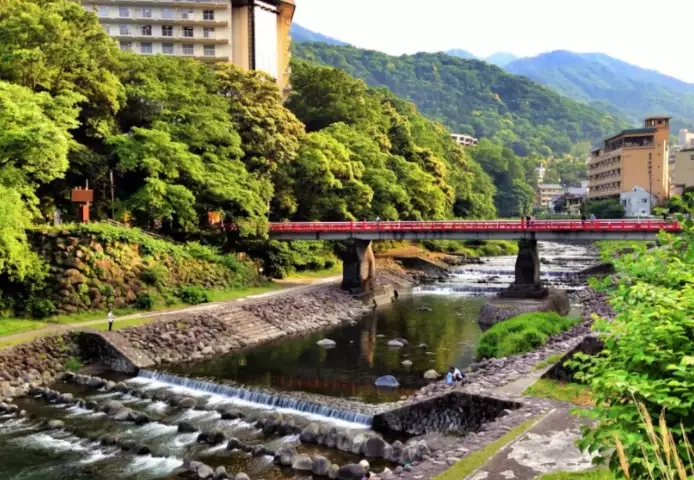
Yokohama Highlights: More Than a Port
Yokohama feels spacious and modern. It's for strolling, eating, and enjoying the waterfront.
Yokohama Chinatown is the largest in Japan and a sensory overload in the best way. Don't just wander. Go with a goal: soup dumplings at Ramen Iroha for a spicy twist, or a fluffy pork bun from one of the countless street stalls. Many restaurants have plastic food displays outside—use them to choose. It's open and buzzing until late.
Minato Mirai is the postcard waterfront area. The Landmark Tower has the view, but the Cosmo Clock 21 Ferris wheel is a more fun (and cheaper) way to see it. For something unique, the Shin-Yokohama Raumen Museum is a time-warp basement replica of 1958 Tokyo, dedicated to ramen. You can sample mini bowls from famous shops across Japan. It's kitsch, delicious, and utterly unique.
Address: 2-14-21 Shinyokohama, Kohoku-ku. 5 mins from Shin-Yokohama Station.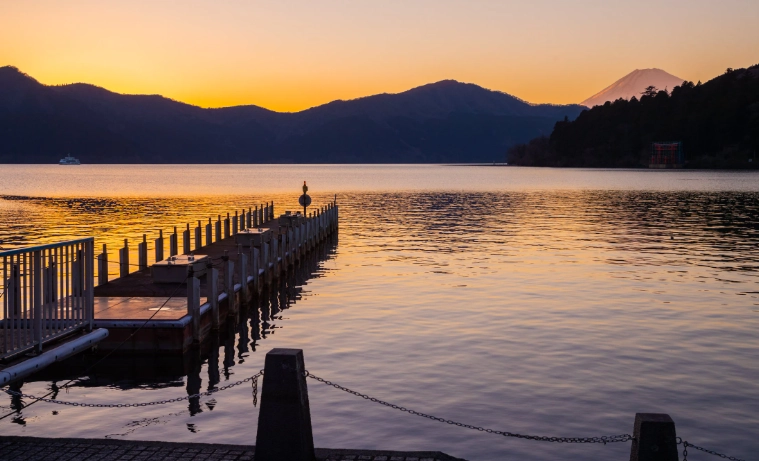
Hakone: The Onsen and Fuji View Experience
Hakone is about the circuit and the soak. The classic "Hakone Loop" involves switching between trains, cable cars, a boat, and buses. The goal is views of Mount Fuji (weather permitting) and volcanic activity at Owakudani.
Owakudani is the active volcanic valley where you can smell sulfur and try the infamous kuro-tamago (black eggs), boiled in the hot springs. Legend says they add seven years to your life. They taste like... slightly sulfurous hard-boiled eggs. Try one for the story.
Where to Stay in Hakone: The real Hakone experience is a ryokan (traditional inn) with a private onsen. Here are three tiers:
- Luxury Splurge: Gora Kadan. A former imperial villa, now a ryokan. Impeccable service, exquisite kaiseki meals, and stunning private baths. Expect ¥70,000+ per person per night.
- Mid-Range Gem: Hakone Ginyu. Each room has its own open-air onsen bath with a forest or valley view. Modern and private. Around ¥40,000-60,000 per person.
- Budget-Friendly: Yutorelo-an. A cozy, family-run ryokan near Hakone-Yumoto Station. It has a lovely communal bath and delicious home-cooked food. A great authentic experience for around ¥15,000-20,000 per person.
Book ryokans well in advance, especially for weekends and holiday periods.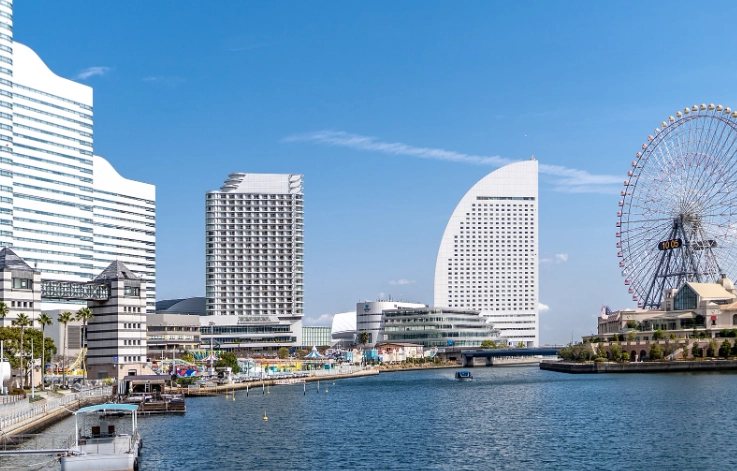
Planning Your Kanagawa Itinerary
Here’s how to structure your time based on what you have.
The Perfect Day Trip: Focus on Kamakura OR Yokohama, not both. For Kamakura: Start at Hokokuji (bamboo), walk to Tsurugaoka Hachimangu Shrine, have a sushi lunch on Komachi-dori, then see the Daibutsu in the later afternoon. For Yokohama: Stroll the Red Brick Warehouse area in Minato Mirai, visit the Ramen Museum for lunch, then spend the evening eating through Chinatown.
Two-Day, One-Night Getaway: This is the sweet spot.
Day 1: Morning in Kamakura (Daibutsu, Hase-dera). Take the Enoden train along the coast (it's cute) to Enoshima Island for seafood and sunset views. Stay in Enoshima or head to Hakone for the night.
Day 2: Full Hakone Loop with your Free Pass. Soak in an onsen. Return to Tokyo relaxed.
Three-Day Deep Dive:
Day 1: Yokohama (Minato Mirai, Chinatown). Stay in Yokohama.
Day 2: Train to Kamakura. Explore temples and hike. Stay in a Kamakura guesthouse.
Day 3: Travel to Hakone (from Kamakura, go to Odawara Station). Do the loop, stay in a ryokan. This pace lets you actually absorb each place.
Practical Tips for a Smooth Trip
- Cash is King at smaller temples, local eateries, and many ryokans. Withdraw at 7-Eleven ATMs.
- Get a Suica/Pasmo IC card in Tokyo. It works on almost all trains and buses in Kanagawa, saving you from buying individual tickets.
- Check Mount Fuji visibility forecasts if that's a priority for Hakone. The Japan Meteorological Agency website has mountain visibility reports.
- Pack a small towel. Public foot onsens (like at Hakone's Owakudani) require one, and they often charge for rentals.
- Don't over-schedule. The charm of Kanagawa is in the slow moments—sipping tea, watching the harbor lights, soaking in a bath. Leave space for those.
Your Kanagawa Questions Answered
How many days do I need in Kanagawa?
You can get a satisfying taste in a single, focused day trip. But to experience the contrast between its historic, urban, and natural sides without feeling rushed, I recommend two full days and one night. This lets you stay in a ryokan and do the full Hakone loop at a human pace.
Is the Hakone Free Pass worth it for a day trip?
Financially, it usually breaks even or saves a little. The bigger value is convenience—one ticket for everything. However, a day trip to Hakone using the pass is a marathon. You'll spend more time on transport and in lines than actually enjoying the sights. If you only have a day, choose Kamakura or Yokohama. Use the Hakone Free Pass for an overnight stay.
What's the best way to avoid crowds in Kamakura?
Go on a weekday. Arrive at major sites right at opening time (usually 8 or 9 AM). Most tour groups and day-trippers from Tokyo arrive between 10:30 AM and 2 PM. Alternatively, explore the lesser-known temples in the Kita-Kamakura area, like Engaku-ji or Tokei-ji, which are spacious and peaceful even when the town center is packed.
Can I see Mount Fuji from Kanagawa?
Yes, on clear days, especially in winter and early spring. The best vantage points are from Hakone (on the Lake Ashi pirate ship or the Hakone Ropeway) and from Enoshima Island. From Kamakura's coast, you can sometimes see it floating on the horizon. Always check the weather forecast—Fuji is famously shy.
Where should I stay if I want to experience a traditional ryokan?
Hakone is the classic choice, with hundreds of options at various prices. Look for ones with "kashikiri" or "家族風呂" (family bath) which are private onsens you can book by the hour, or "露天風呂付き客室" (rooms with open-air bath). Some quieter towns in Kanagawa, like Yugawara (south of Odawara), also have excellent, less touristy ryokans at better prices.



Comments