Planning a trip to Kyushu and wondering what souvenirs to bring back? I've spent years exploring Japan's southern island, and let me tell you, the souvenir scene here is more than just keychains and postcards. From savory food kits to delicate ceramics, Kyushu offers unique gifts that capture its culture. In this guide, I'll break down the best Kyushu souvenirs, where to buy them without overpaying, and some pitfalls to avoid based on my own experiences.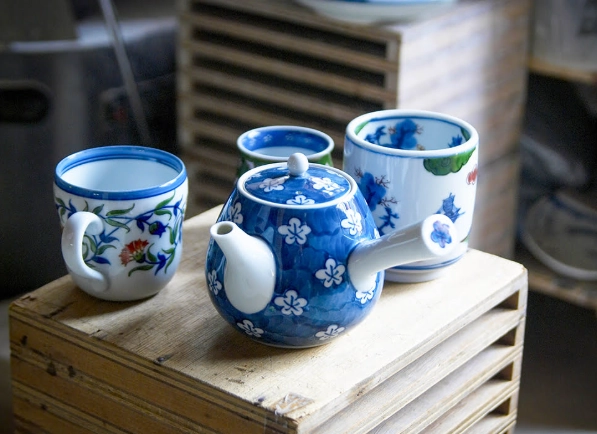
Quick Navigation: What's Inside This Guide
Top Kyushu Souvenirs You Shouldn't Miss
Kyushu is diverse—each prefecture has its specialty. I've grouped souvenirs into food and crafts because that's how most shoppers think. Skip the generic stuff; these items have local roots.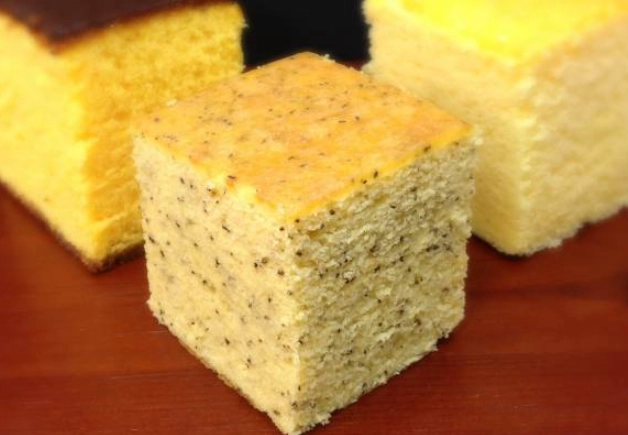
Food and Drink Souvenirs from Kyushu
Food souvenirs are huge in Japan, and Kyushu does them right. But not all are easy to carry home. Here are my top picks, based on taste and practicality.
Hakata Ramen Kits: Fukuoka is famous for tonkotsu ramen. You can buy kits with noodles and soup base. I recommend Ichiran's take-home packs—they're widely available, but for something less commercial, try local shops like Ramen Stadium in Canal City. Price: ¥1,500 to ¥3,000 per kit.
Kagoshima Black Vinegar (Kurozu): This fermented vinegar is a health trend. It's tangy and great for dressings. Look for brands like Mizkan at Kagoshima airport or specialty stores. A 500ml bottle costs around ¥1,200. Check if it's sealed for travel.
Miyazaki Mango Products: Miyazaki mangoes are premium, but fresh ones are pricey and perishable. Instead, go for mango candies or jams. I found a small shop in Miyazaki City called "Mango no Sato" that sells delicious mango soft cookies for ¥800 per box. Address: 1-2-3 Tachibana-dori, Miyazaki City. Open 10 AM to 6 PM.
Traditional Crafts and Goods
Kyushu's crafts tell stories. Arita porcelain from Saga is world-renowned, but there's more. I once bought a Satsuma pottery vase—it broke in my luggage, so I'll share how to pack safely.
- Arita Porcelain: Made in Saga prefecture for over 400 years. You'll find plates, cups, and figurines. Prices range from ¥2,000 for small items to over ¥10,000 for intricate pieces. Visit the Arita Porcelain Park for a wide selection. Address: 285-1 Otsu, Arita-cho, Saga. Open 9 AM to 5 PM.
- Hakata Dolls (Hakata Ningyo): These are clay dolls from Fukuoka, often depicting kabuki actors. Authentic ones are handmade and expensive—¥5,000 to ¥20,000. For budget options, check Hakata Riverain shopping complex. I think some mass-produced versions lack detail, so inspect carefully.
- Kumamoto Bear Goods: Kumamoto's mascot is Kumamon, the black bear. You'll find plushies, stationery, and snacks. It's kitschy but popular. At Kumamoto Castle's gift shop, a small Kumamon keychain costs ¥500. Address: 1-1 Honmaru, Kumamoto City. Open 8:30 AM to 6 PM.
Where to Buy Kyushu Souvenirs: Best Shops and Markets
Location matters. Tourist spots often hike prices. I prefer local markets for authenticity and better deals. Here's where to shop, with specifics.
Fukuoka: Hakata and Tenjin Areas
Fukuoka is a shopping hub. Canal City Hakata is a mall with many souvenir stores, but it can be crowded. For a quieter experience, try the Hakata Station underground mall. I found a small shop called "Hakata Meibutsu Hiroba" there, selling local crafts at reasonable prices. Address: B1F Hakata Station, Fukuoka. Open 10 AM to 8 PM.
Tenjin Underground Mall: This is massive—over 150 shops. Look for "Kyushu Brand" stores that focus on regional products. Prices vary, but I scored some Yame tea (a Fukuoka specialty) for ¥1,500 per 100g pack. Open 10 AM to 9 PM.
Other Key Locations in Kyushu
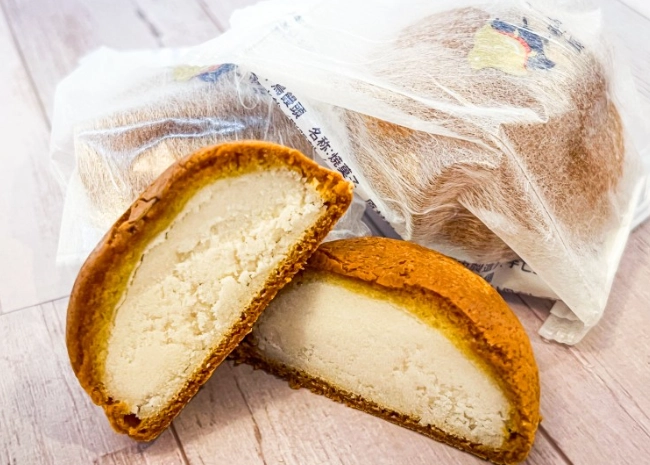
Don't just stick to Fukuoka. Nagasaki's Dejima Wharf has unique blends of Japanese and Dutch influences. The souvenir shops there sell castella cake (a sponge cake introduced by Portuguese)—Nagasaki's famous. I recommend Fukusaya's castella, but it's heavy; a small box costs ¥1,800. Address: 1-1 Dejimamachi, Nagasaki. Open 9 AM to 6 PM.
In Kagoshima, Sengan-en Garden has a shop with local goods like Satsuma pottery and sweet potato shochu. It's scenic but pricey. For budget options, visit the Kagoshima City Aquarium gift shop—they have quirky marine-themed items. Address: 3-1 Honkoshin-machi, Kagoshima City. Open 9 AM to 6 PM.
How to Choose the Perfect Souvenir: Practical Tips
Choosing souvenirs isn't just about picking pretty things. Consider your budget, luggage space, and customs rules. From my trips, I've learned to avoid fragile items unless I'm shipping them.
First, set a budget. Food souvenirs are generally cheaper, around ¥1,000 to ¥3,000, while crafts can go higher. Second, think about durability. I regretted buying a delicate glass piece from Huis Ten Bosch in Nagasaki—it cracked. Opt for sturdy items like cloth or packaged foods.
Check customs regulations. Japan allows most food exports, but some countries restrict meat or dairy products. For instance, if you're buying Kagoshima beef jerky, verify it's allowed in your home country. The Japan National Tourism Organization (JNTO) website has general guidelines, but always confirm with your airline.
Packing tips: Use bubble wrap for ceramics. I now carry a small roll in my bag. For liquids like black vinegar, seal them in plastic bags to prevent leaks. And if you're buying multiple items, consider shipping via Japan Post—it's reliable and often cheaper than excess baggage fees.
FAQ: Your Kyushu Souvenir Questions Answered
Kyushu's souvenir scene is rich and varied. Whether you're into food, crafts, or quirky mascots, there's something for everyone. Remember to shop smart, pack carefully, and enjoy the hunt. If you have more questions, drop a comment—I'm happy to share more from my travels.


Comments