Let's get one thing straight. If you think Naoshima is just about getting that perfect Instagram shot with Yayoi Kusama's polka-dotted pumpkin, you're missing 95% of the story. This island in Japan's Seto Inland Sea is a full-body experience, a place where art isn't something you just look at—it's something you walk through, sleep inside, and feel in the sea breeze. I've lost count of my visits over the years, and each time, I find a new corner, a new perspective. It's less of a museum island and more of a living, breathing argument for how humans and nature can create beauty together.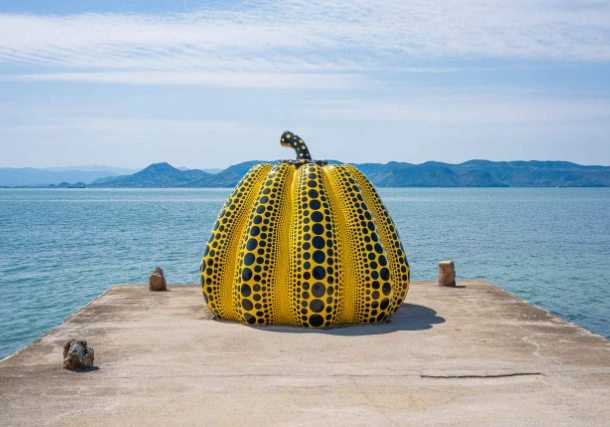
The real magic happens when you move beyond the postcard spots. It's in the quiet concrete halls designed by Tadao Ando, where light becomes a sculptural material. It's in the repurposed traditional houses of the Honmura district, where you step into immersive installations that blur past and present. Planning a trip here isn't complicated, but a few wrong moves can leave you frustrated, hot, and feeling like you just did a pricey gallery crawl. This guide is the one I wish I had before my first trip.
Your Naoshima Navigation
The Non-Negotiable Art & Architecture Sites
You can't see everything in one day. Don't try. The island's sites are spread out, and the pleasure is in the pace. Focus on these core areas.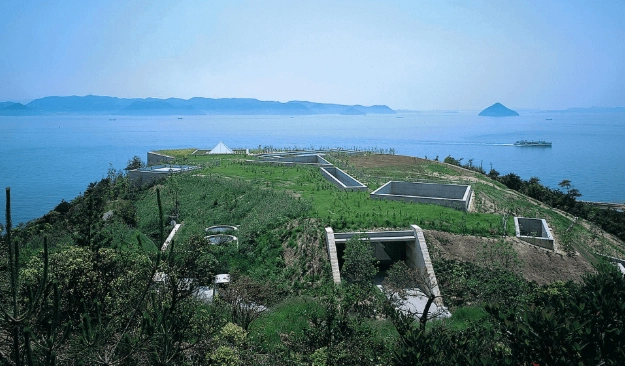
The Benesse Art Site Naoshima (Southern Coast)
This is the heart of it all. The Benesse House complex, masterminded by businessman Soichiro Fukutake and architect Tadao Ando, is where the dream began. It's not a single museum but a cluster of buildings fused with the coastal landscape.
- Benesse House Museum: Part museum, part hotel. Even if you're not staying (more on that later), you must visit. The collection includes works by Bruce Nauman, David Hockney, and Shinro Ohtake, all curated in dialogue with the sea views. The building itself, with its geometric concrete forms cutting into the hill, is the main exhibit. Address: Gotanji, Naoshima, Kagawa 761-3110. Hours: 8:00 AM - 9:00 PM (for museum visitors). Admission: 1,030 yen (free for hotel guests).
- Chichu Art Museum: Ando's underground masterpiece. Literally built into a hill, it uses only natural light to illuminate a tiny, perfect collection: Claude Monet's Water Lilies rooms, Walter De Maria's giant sphere and granite floor, and James Turrell's light installations that play with your perception. Booking tickets online in advance is non-optional. Address: 3449-1 Naoshima, Kagawa. Hours: 10:00 AM - 6:00 PM (Last entry 5:00 PM). Closed Mondays (or Tuesday if Monday is a holiday). Admission: 2,100 yen.
- The Pumpkins: Yes, the iconic yellow one is at the Miyanoura pier. The larger, famous red one is on a small pier near the Benesse House. Go early or late to avoid the crowds. They're simple, joyful, and surprisingly powerful in person.
Art House Project & Ando Museum (Honmura District)
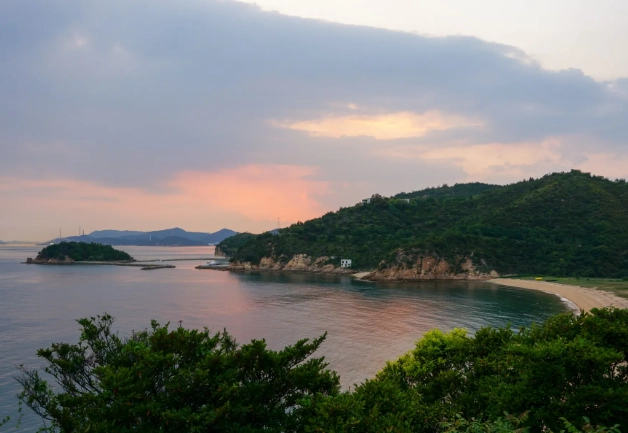
This is my favorite part of Naoshima. In the old fishing village of Honmura, artists have transformed abandoned traditional houses (machiya) into permanent art installations. You buy a combined ticket and walk between them. The standout is James Turrell's "Backside of the Moon" in the Go'o Shrine—a pitch-black room that slowly reveals light in a way that feels spiritual. The Tadao Ando Museum, fittingly housed in a minimalist concrete box inserted into a old wooden house, gives context to the architect's philosophy.
Pro Tip Everyone Misses: After visiting the Art House Project, stop by the Naoshima Bath "I♥湯" (I Love Yu). It's a functional public bathhouse designed by artist Shinro Ohtake. It's wild, eclectic, and a perfect way to end a day of walking. For 800 yen, you get art you can soak in. Address: 2252-2 Naoshima. Hours: 2:00 PM - 9:00 PM (Closed 1st & 3rd Mondays).
The Logistics: Getting There, Around & Staying
This is where trips are made or broken. Naoshima is accessible, but it requires a bit of forethought.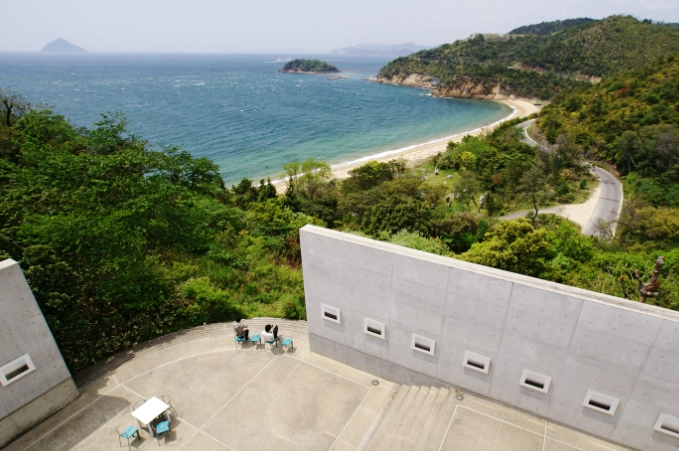
How to Get to Naoshima Island Japan
The main gateway ports are Uno Port (Okayama Prefecture) and Takamatsu Port (Kagawa Prefecture).
| From | To Port | Ferry Details | Travel Time | Cost (approx.) |
|---|---|---|---|---|
| Osaka/Kyoto | Uno Port (via JR train to Okayama, then local to Uno) | Frequent ferries to Miyanoura Port | ~3 hours total | 6,000 yen+ |
| Hiroshima | Miyahama Port (via train) then ferry to Matsuyama, then train/bus to Uno | More scenic, involves multiple legs | ~4.5 hours | 8,000 yen+ |
| Takamatsu | Takamatsu Port | Ferries to both Miyanoura & Honmura Ports | 50 mins (car ferry) | 520 yen (passenger) |
My recommendation? Base yourself in Okayama for a night. It's a lovely city with the famous Korakuen Garden. From Okayama Station, it's a smooth 45-minute local train ride to Uno Port (about 580 yen), then a 20-minute ferry (290 yen) to Miyanoura. It's the most straightforward route.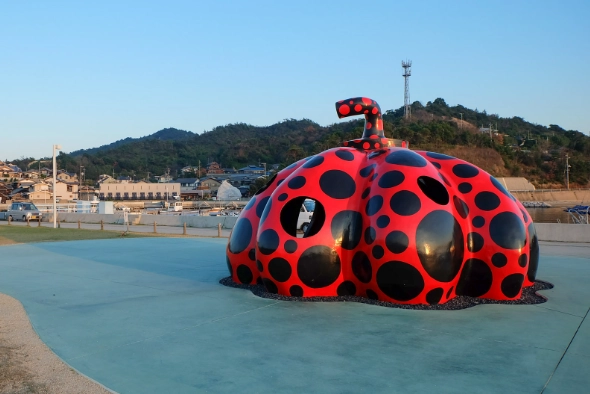
Getting Around Naoshima & Where to Stay
On the island, you have a few options: rental bicycles (electric recommended for the hills), the local shuttle bus (runs between Miyanoura, Honmura, and the Benesse area), or walking (only feasible for short distances). The bus schedule is limited, so plan your movements around it or rent an e-bike for freedom.
Accommodation Reality Check: The legendary Benesse House Museum is an experience—waking up in a museum with private after-hours access is unbeatable. But it books out months in advance and costs a premium (rooms from 50,000+ yen). The more affordable and charming options are guesthouses (minshuku) in Honmura or Miyanoura. I've had great stays at places like Roka or Lodge Tabiji, where you get home-cooked meals and local insight for 8,000-12,000 yen per night with meals. Book early, especially during the Setouchi Triennale art festival.
Beyond the Art: Food, Culture & Hidden Gems
Naoshima isn't a culinary desert. While options are limited compared to cities, the quality is high, focusing on local Seto Inland Sea ingredients.
- Shioya Diner: A casual, stylish spot near Miyanoura Port. Their Naoshima Lemon Curry is famous for a reason—tangy, rich, and utterly unique. Great coffee too. Address: 2252-2 Naoshima. Hours: 11:00 AM - 5:00 PM (often closes earlier if sold out). Price: Curry around 1,200 yen.
- Cafe Salon Nakaoku: Tucked away in Honmura, this feels like a local secret. Simple, delicious set meals (teishoku) in a relaxed, homey setting. The owner is lovely. Address: 763-1 Naoshima. Hours: 11:30 AM - 2:30 PM (Lunch only).
- Miyanoura Port Area: For dinner, explore the small izakayas and noodle shops here. Look for places serving sanuki udon (the thick, chewy udon from Kagawa) and fresh seafood.
Don't skip the Naoshima Public Bathhouse mentioned earlier. Also, take time to just wander the backstreets of Honmura. You'll find small shrines, friendly cats, and the quiet, daily life that persists amidst the global art phenomenon.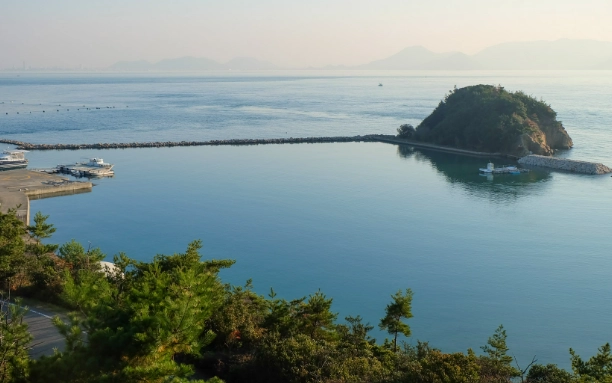
Crafting Your Perfect Naoshima Itinerary
Here’s how to structure your time, whether you have one day or three.
The Essential One-Day Blitz (From Okayama):
Catch the first ferry from Uno (around 8 AM). Rent an e-bike at Miyanoura Port. Head straight to the Benesse area. Pre-book your timed entry for Chichu Art Museum for late morning. Visit the Benesse House Museum after. Have lunch at the museum cafe. Bike to Honmura in the afternoon for the Art House Project (prioritize Minamidera for the Turrell piece and Kadoya). Catch the 5 PM-ish ferry back. It's rushed, but hits the highs.
The Ideal Two-Day Immersion:
Day 1: Arrive midday. Check into your guesthouse. Focus on Honmura: Art House Project, Ando Museum, relax at the bathhouse "I♥湯". Dinner at a local port izakaya.
Day 2: Full day for the Benesse Area. Chichu Museum, Benesse House Museum, Lee Ufan Museum, and leisurely time with the pumpkins and coastal sculptures. Stay overnight on the island to experience the quiet after the day-trippers leave.
Naoshima Travel FAQ: Your Questions Answered
Technically yes, but I strongly advise against it. The round-trip travel from Osaka can take over 6 hours, leaving you only 3-4 rushed hours on the island. You'll be exhausted, stressed about ferry/bus times, and miss the island's best atmosphere in the early morning and evening. You're investing time and money to get there—give it at least one night. Stay in Okayama or on the island itself.
Not checking the opening days. This is huge. Most museums on Naoshima (Chichu, Lee Ufan, Ando Museum) are closed on Mondays (or Tuesday if Monday is a national holiday). If you arrive on a Monday, you'll find the major sites shuttered. Always plan your visit for Tuesday through Sunday. Also, failing to pre-book Chichu Art Museum tickets online means you might not get in at all.
It's a double-edged sword. The Triennale (next in 2025) spreads amazing temporary artworks across many islands, making the whole region buzz with energy. However, Naoshima becomes extremely crowded. Accommodation prices skyrocket and book out a year in advance. Ferries and buses are packed. If you crave a quieter, more contemplative experience, go in the off-season (late autumn or early spring are perfect). If you want festival energy and don't mind crowds, the Triennale is spectacular.
With careful planning, yes, but it's not a typical "kid-friendly" destination. The art is often conceptual and requires quiet contemplation. Many installations have strict no-touch rules. However, kids usually love the pumpkins, the bathhouse "I♥湯", and riding bikes around the island. The Naoshima Hall by Hiroshi Sambuichi is a stunning wooden community center they can run around in. Manage expectations: focus on outdoor exploration over silent museum time, and rent an e-bike with a child seat.
Comments