In This Guide
Let's be real. When you picture a beach in Japan, your mind probably jumps straight to the turquoise waters of Okinawa. Those pictures are everywhere. But what if I told you that some of the most interesting, accessible, and downright surprising beach experiences are actually on Japan's main island, Honshu? The Japan beaches mainland scene is a whole different world, and it's one most international travelers completely miss.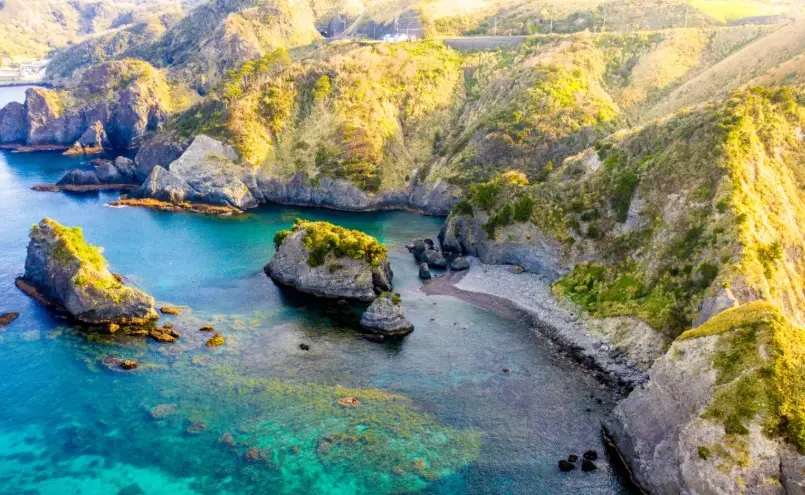
I used to be one of those people. I'd fly into Tokyo, see the shrines, eat the ramen, and never once think about the ocean being a train ride away. That changed a few summers ago when a local friend dragged me to Kamakura. The vibe wasn't what I expected at all. It was less "remote tropical paradise" and more "lively, local, and full of character." That's the charm of the mainland Japan coastline. It's woven into the fabric of everyday life here.
This guide is for you if you're planning a trip to Tokyo, Osaka, or Kyoto and want to add some sun and sand to your itinerary. Or maybe you're a beach lover who wants to see a different side of Japan. We're going to dig into the best spots, the practical stuff nobody tells you, and how to navigate the beaches of Honshu like you know what you're doing.
Where to Find the Sand: Breaking Down Honshu's Coastline
Honshu is big. Its coastline is incredibly diverse, shaped by the Pacific Ocean on one side and the Sea of Japan on the other. This creates totally different beach personalities. The Pacific side (east and south) often has bigger waves, whiter sand, and is more developed for swimming and surfing. The Sea of Japan side (west coast) tends to be calmer, sometimes rockier, and feels more secluded, though the water can be cooler.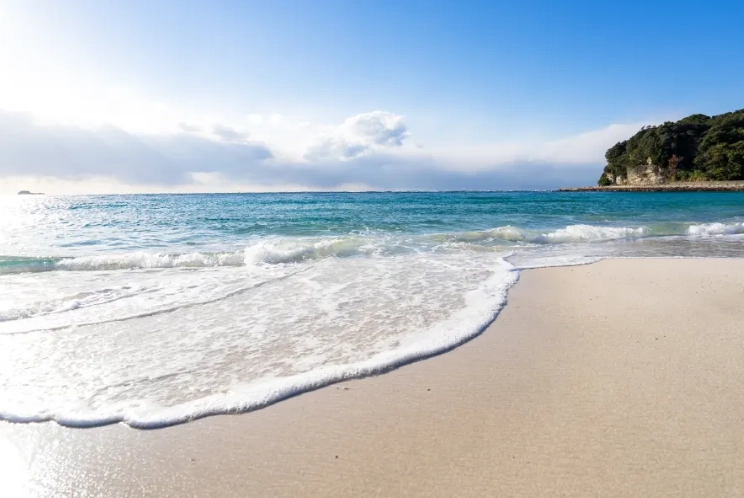
To make sense of it all, let's split the Japan mainland beaches into manageable chunks. Think of these as your main playgrounds.
The Kanto Region: Beaches Near Tokyo
This is your quick beach fix. You're based in Tokyo, you have a free day, and you need to see the ocean.
Shonan Coast (Kanagawa Prefecture): This is the classic Tokyoite escape. Places like Kamakura's Yuigahama and Zaimokuza beaches, and the more surf-centric Shichirigahama and Enoshima areas. They get packed in summer. I mean, body-to-body towels on a sunny weekend. But there's an energy to it—beach houses blasting music, groups playing frisbee, the smell of yakisoba from concession stands. It's a social scene. For a slightly less hectic vibe, hop on a train a bit further to Chigasaki or Hiratsuka.
Chiba's Pacific Coast: Heading east from Tokyo, Chiba offers longer, wider stretches of sand. Kujukuri Beach is famous—it's about 60 kilometers long! It's great for long walks and has a more relaxed, spread-out feeling than Shonan. Further south, you hit the Onjuku and Shirahama areas, which are popular with surfers and have a cool, almost Californian feel to some of the beachfront cafes.
The Kansai Region: Beaches Near Osaka and Kyoto
Most people are temple-hopping in Kyoto. Few realize great beaches are within reach.
Wakayama Prefecture: This is the gem of the region for beaches on Japan's mainland. Shirahama (yes, there's one in Wakayama too, not just Chiba) is the big name. It has a famous white sand beach (some of it is actually imported, but don't let that deter you) and natural hot springs right by the shore. Further down the coast, you find more rugged and beautiful spots like Kushimoto. The water clarity here on the Kii Peninsula is stunning.
Osaka Bay Area: Beaches like Sumiyoshi and Maishima are easily accessible from central Osaka. They're man-made or heavily developed, so manage your expectations. They're more about having a place to cool off and hang out with friends than pristine nature. Think of them as convenient urban beach parks.
The Chubu and Tohoku Regions: For the Adventurous
If you're willing to travel further, the rewards get bigger. The Izu Peninsula (Shizuoka), south of Tokyo, is a mountainous landmass jutting into the Pacific. It's dotted with incredible coves, scenic drives, and beaches like Shirahama (a third one!) in Shimoda, which has a fantastic, relaxed vibe. This is a great area for a road trip.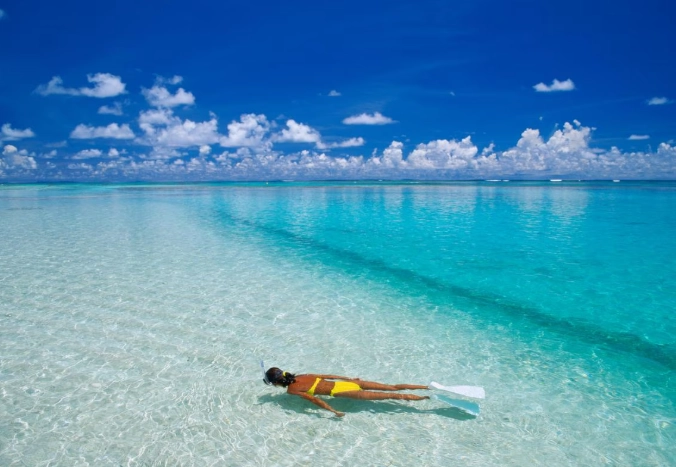
Up north in Tohoku, the coastline becomes wilder and less populated. Beaches like Osado in Niigata or Jodogahama in Miyagi (a national scenic treasure) offer dramatic rock formations and deep blue water. The swimming season is short, but the views are year-round spectacular.
Here’s a quick comparison to help you decide at a glance:
| Region/Area | Vibe & Best For | Access (From Major City) | Water & Sand Notes |
|---|---|---|---|
| Shonan (Kanagawa) | Lively, social, surf culture. Great for people-watching and a fun day out. | ~1 hour from Tokyo (Train) | Pacific waves, decent sand, can be crowded. |
| Chiba (e.g., Kujukuri) | Long, spacious, relaxed. Good for walks, cycling, and escaping crowds. | ~1.5-2 hours from Tokyo (Train/Bus) | Wide sandy beaches, strong currents in places. |
| Wakayama (e.g., Shirahama) | Scenic, resort-like, with onsens. Perfect for a 1-2 night beach getaway. | ~2.5 hours from Osaka (Train) | Beautiful clear water, famous white sand. |
| Izu Peninsula (Shizuoka) | Picturesque, romantic, road-trip worthy. Hidden coves and great seafood. | ~2-3 hours from Tokyo (Train/Car) | Stunning coastal scenery, varied beach types. |
| Tohoku (e.g., Jodogahama) | Dramatic, natural, serene. More for sightseeing than sunbathing. | Long trip from Tokyo (Shinkansen + local) | Cold water, short season, breathtaking views. |
See? The options on the mainland of Japan beaches are way more varied than you thought.
What to Actually Expect: The Nitty-Gritty Details
Okay, so you've picked a spot. Now let's talk about the reality of a day at a Japanese beach. It's not all Instagram perfection.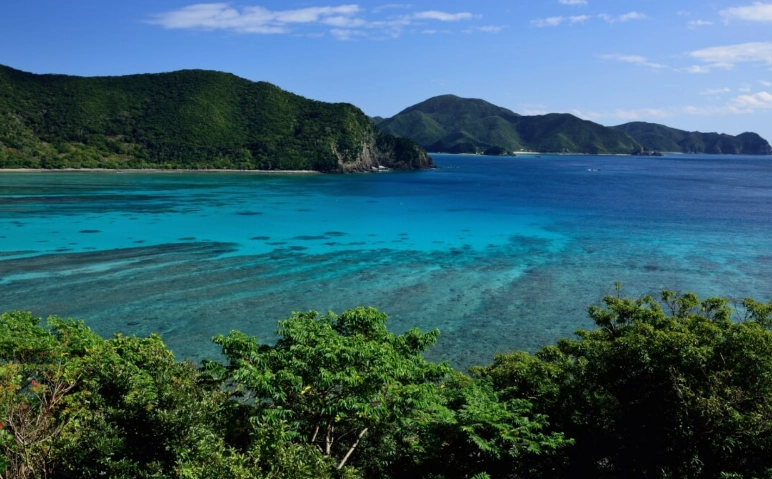
Swimming Season and Lifeguards
The official swimming season is short. Very short. It typically runs from mid-July through August, maybe extending a week or two into September if you're lucky. Outside this period, lifeguards are gone, swimming is prohibited (and often dangerous), and beach facilities are closed. Don't underestimate this. The Pacific can be rough.
During the season, lifeguards are present at managed beaches. Pay attention to the flag system:
- Red Flag: Swimming prohibited. No arguments.
- Yellow Flag: Caution. Swim only in designated areas.
- Green/Blue Flag: Safe for swimming.
I've seen red flags flying on perfectly sunny days because of strong undertows. Respect them.
Facilities and Amenities
Popular beaches in mainland Japan will have basic facilities during the season: toilets (sometimes coin-operated, keep 100 yen handy), outdoor showers to rinse your feet, and rental shops for umbrellas, surfboards, and bodyboards. Changing rooms can be hit or miss—often just a basic shack. Many people arrive in their beachwear under their clothes.
Food options range from vending machines (for drinks and ice cream) to full-fledged concession stands selling ramen, fried chicken, and soft serve. In more remote areas, bring your own supplies.
The Crowd Factor
Weekends in July and August are peak chaos at beaches near big cities. If you can go on a weekday, do it. The difference is night and day. The crowds also mean parking can be a nightmare and expensive. Public transport is almost always the better choice for major spots like Shonan.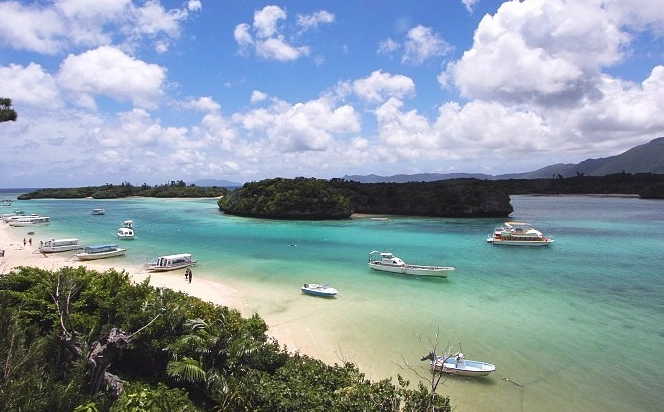
Beyond Sunbathing: What to Do at a Mainland Beach
Just lying there is only part of the story.
Surfing: The Pacific coast of Chiba, Shonan, and the Izu Peninsula are surfing meccas. You'll find rental shops and surf schools catering to all levels. The Japan Surfing Association's website has info on spots and events if you're serious about it.
Beachside Cycling: Many areas, like the Shonan coast and Kujukuri, have great cycling paths right along the beach. Renting a bicycle is a fantastic way to explore.
Fireworks Festivals (Hanabi Taikai): Summer in Japan means fireworks. Many coastal towns hold their major displays over the ocean. Sitting on the beach watching a hanabi show is magical. Check local town tourism sites for schedules. For example, the Chigasaki City website or the Fujisawa City website will list their summer event calendars.
Onsen (Hot Springs) After: This is the ultimate combo. Chill in the ocean, then warm up in a natural hot spring. Many beach towns, especially in Wakayama and Izu, have public baths or ryokan with onsens overlooking the sea. Pure bliss.
My Top 5 Mainland Japan Beaches (A Highly Subjective List)
- Shirahama Beach (Wakayama): For the full package. Great sand, clear water, nearby onsens (like Saki-no-yu, right on the rocks), and a pleasant town to explore. It feels like a proper destination.
- Zaimokuza Beach (Kamakura): For the iconic experience. The view of the Great Buddha from the sand is unique. It's crowded, yes, but it's the quintessential Japan beaches mainland day trip from Tokyo.
- Kujukuri Beach (Chiba): For space and solitude. Pick any spot along its immense length, walk a few minutes from an access point, and you can have a huge stretch of sand almost to yourself.
- Shichirigahama (Kanagawa): For the cool factor. Less family-oriented, more surf and style. The cafes along the road have amazing views. Sunset here is unbeatable.
- Jodogahama (Miyagi): For sheer beauty. It's not a swimming beach per se, but the contrast of the white pumice stone rocks against the deep blue water is unforgettable. It heals the soul.
You might disagree. That's fine! Half the fun is finding your own favorite spot along the mainland Japan beaches.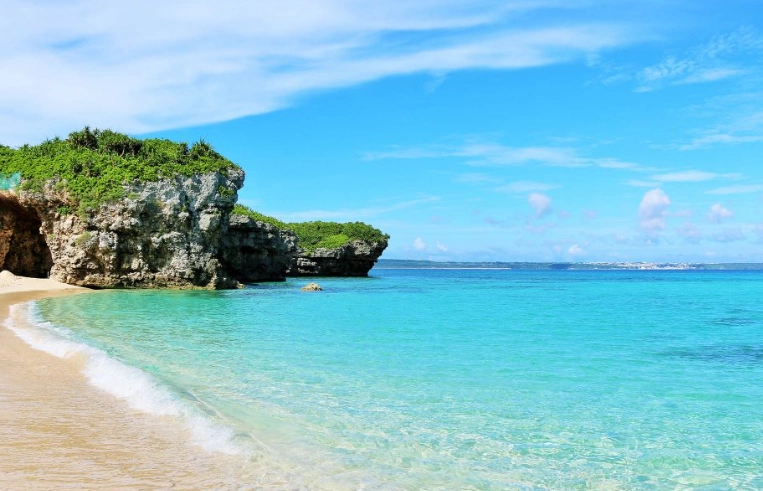
Questions You're Probably Asking (FAQ)
Wrapping It Up: Your Beach Day Checklist
Let's make this simple. Before you head out to any Japan mainland coastline spot, run through this list:
- Check the season and weather. Is it swim season? Any warnings for high waves or typhoons?
- Pack cash. For rentals, food, lockers, and transport.
- Bring a trash bag. Seriously.
- Sun protection is non-negotiable. The Japanese sun is intense. Hat, rash guard, strong sunscreen.
- Water shoes can be helpful. Some beaches have pebbly entries or can get hot.
- Have a plan for your valuables. Use a waterproof pouch or rent a locker if available.
- Download offline maps. Service can be spotty in some coastal areas.
The beaches of Japan's mainland offer an experience that's uniquely Japanese—orderly, social, scenic, and deeply integrated into the seasonal rhythm of life. It's not the Maldives. It's better, in its own way. It's real.
So, skip the assumption that you need to fly to an island. Look at a map of Honshu, pick a coastline, and go explore. You might just find your new favorite part of Japan.
The sound of the waves here is the same as anywhere else. But the view? The view is all Japan.


Comments