Let's get one thing straight. Fukuoka is famous for tonkotsu ramen, and yes, you should eat it. But if you land in this dynamic Kyushu city thinking it's just a food stop before moving on to Kyoto or Tokyo, you're making a classic traveler's error. Fukuoka is a layered city—a historical port, a modern commercial hub, and a green oasis all rolled into one. The Fukuoka places to visit tell a story that stretches from ancient envoys from China to cutting-edge robotics.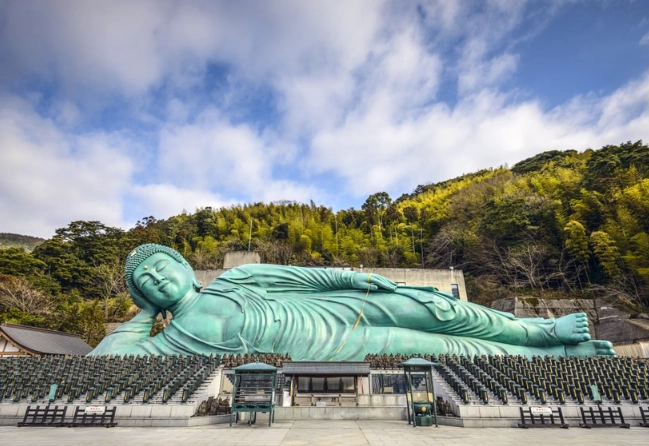
I've lost count of my visits over the years. Each time, I find something new: a quiet corner in a 1300-year-old shrine, a local artist's studio in a back alley, a view of the city that completely changes my perspective. This guide isn't a generic list. It's a curated map based on spending real time there, mixing the essential sights with the subtle details most guides miss.
Your Fukuoka Trip Roadmap
The Historical Core: Shrines, Castles & Quiet Paths
This is where Fukuoka's soul resides. Skip this area, and you've missed the point of the city.
Kushida Shrine (Kushida-jinja)
The spiritual heart of Hakata. Founded in 757 AD, this is the city's most important Shinto shrine. It's compact but powerful. Everyone comes for the iconic Ōtabisho float display building, which houses the massive floats used in the Hakata Gion Yamakasa festival. The real magic, though, is in the early morning or late afternoon, when the tour groups thin out.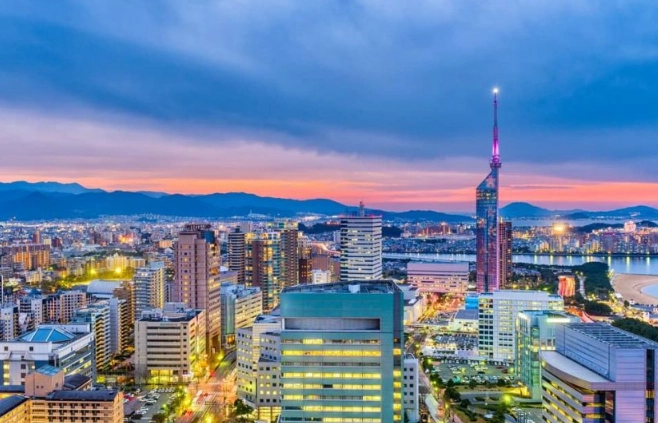
Location: 1-41 Kamikawabatamachi, Hakata Ward.
Access: A 5-minute walk from Gion Station (Kuko Line) or Nakasu-Kawabata Station (Hakozaki Line).
Hours: Open 24/7 for the grounds; treasure hall 9:00-17:00.
Cost: Free to enter; treasure hall ~¥200.
My Tip: Look for the giant 1000-year-old gingko tree in the precinct. It's a stunning sight in autumn and a peaceful spot year-round.
Fukuoka Castle Ruins (Maizuru Park)
Don't expect Himeji. The castle itself is gone, but the vast stone foundations sprawling over Maizuru Park are incredibly atmospheric. You get a real sense of scale. Climb up to the remaining towers and gates for panoramic views of the city against a backdrop of modern skyscrapers. It's a fantastic place for a walk, especially during cherry blossom season.
A common mistake? People just snap a photo from below and leave. Walk the entire perimeter. Explore the different baileys. You'll find quiet gardens, a teahouse, and viewpoints most visitors never see.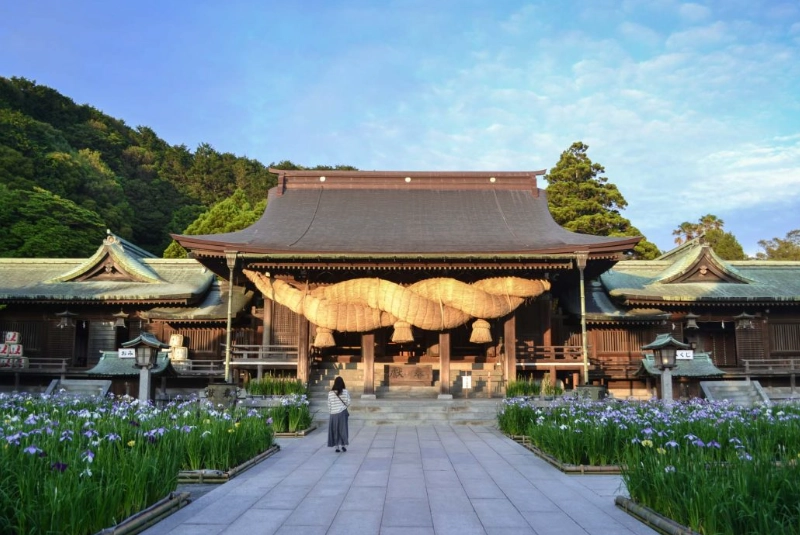
Location: Maizuru Park, Chuo Ward.
Access: 15-20 min walk from Ohorikoen Station (Kuko Line) or Akasaka Station (Nanakuma Line).
Hours: Park is always open.
Cost: Free.
My Tip: Combine this with a visit to the nearby Fukuoka Art Museum (closed on Mondays) for a perfect cultural afternoon.
Dazaifu Tenmangu Shrine
Yes, it's a short train ride out of the city center (about 30-40 minutes). No, you should not skip it. This is one of Japan's most important Tenmangu shrines, dedicated to the god of learning, Sugawara no Michizane. Students flock here to pray for exam success. The approach is half the experience: a path lined with shops and food stalls leading to a stunning pond-garden crossed by three bright red arched bridges.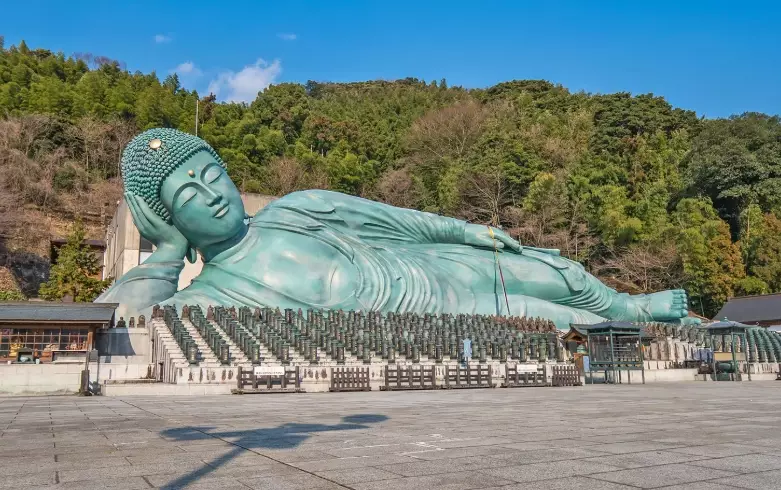
Urban & Modern Fukuoka: Art, Shopping & City Views
Fukuoka knows how to balance old and new. This is its vibrant, contemporary face.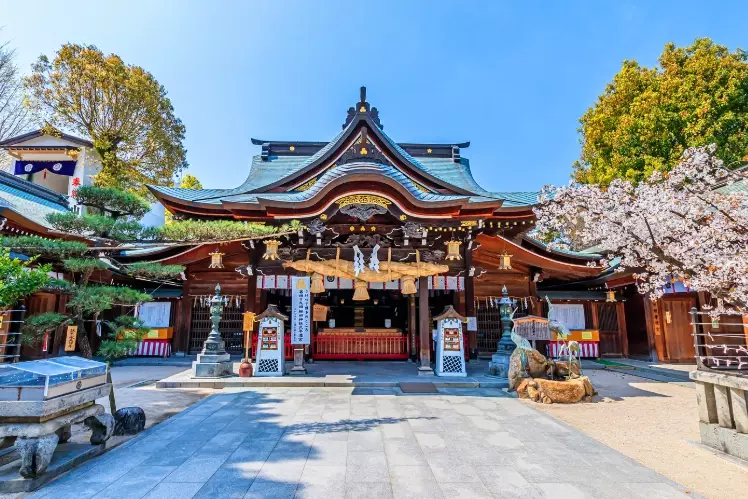
Canal City Hakata
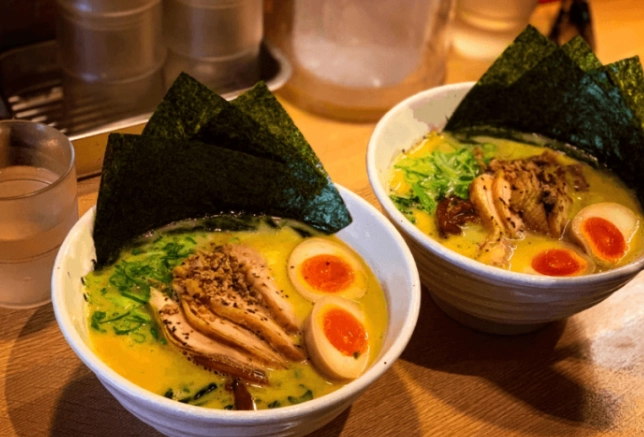
Calling this a shopping mall is like calling a symphony an orchestra tune-up. It's a city-within-a-city, a massive complex with a canal running through its center, around which shops, cafes, theaters, and two hotels are arranged. There are regular fountain and light shows. Even if you hate shopping, go for the architecture and the energy. The Ramen Stadium on the 5th floor is a pilgrimage site for noodle lovers, featuring eight famous ramen shops from across Japan.
Ohori Park & Fukuoka Art Museum
This is Fukuoka's lung. A large, scenic park built around a central pond that was once part of the castle's moat system. A 2-kilometer path circles the water, perfect for jogging, walking, or just sitting and watching the birds. It's a masterclass in urban park design.
The Fukuoka Art Museum, on the park's southern edge, has a solid collection of modern Japanese and contemporary art, along with ancient Buddhist artifacts and items from along the Silk Road. Its curation is thoughtful, and it's never as crowded as museums in Tokyo or Osaka.
Ohori Park Location: Ohorikoen, Chuo Ward.
Access: Directly from Ohorikoen Station (Kuko Line), Exit 2.
Fukuoka Art Museum Hours: 9:30-17:30 (last entry 17:00). Closed Mondays.
Cost: Park is free. Museum admission ~¥200-¥500 depending on the exhibition.
The Coastal Escape: Beaches, Towers & Museums
Head southwest to the Momochi area, a reclaimed land project that feels like a glimpse into a planned, futuristic city.
Fukuoka Tower & Momochi Seaside Park
At 234 meters, Fukuoka Tower is Japan's tallest seaside tower. The observation deck offers a 360-degree view that's particularly stunning at sunset, as you watch the city lights begin to sparkle. The mirrored exterior is iconic. Right at its base is Momochi Seaside Park, a wide, sandy beach. It's man-made and the water isn't crystal clear, but it's a fantastic place for a stroll, a picnic, or flying a kite with a futuristic skyline as your backdrop.
Location: 2-3-26 Momochihama, Sawara Ward.
Access: Take a Nishitetsu bus from Tenjin or Hakata Station (bound for "Momochi"), or a 20-min walk from Nishijin Station (Nanakuma Line).
Hours: 9:30-22:00 (last entry 21:30).
Cost: Observation deck ~¥800 for adults.
Fukuoka City Museum
A short walk from the tower, this museum is where you go to understand how Fukuoka became Fukuoka. Its star exhibit is the Gold Seal (Kin-in), a national treasure. This solid gold seal, inscribed in Chinese characters, was given by the Han dynasty emperor of China to an envoy from Na, an ancient kingdom in this area, in 57 AD. It's physical proof of Fukuoka's ancient international connections. The museum does a great job of tracing the region's history from prehistoric times to the modern era.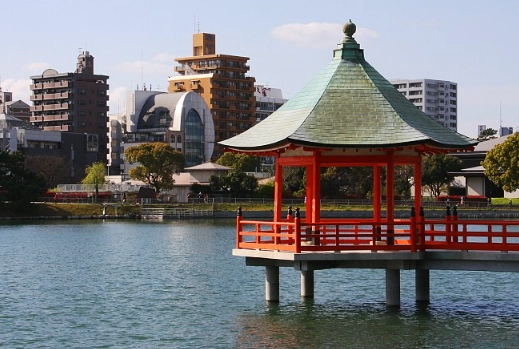
Your Practical Fukuoka Travel Guide
Information you can actually use to build your itinerary.
Getting Around: The Simple Truth
The Fukuoka City Subway is your best friend. It has three lines and covers almost all major city-center destinations. For a day of heavy sightseeing, the One-Day Subway Pass (¥620) is unbeatable value. You can buy it at any station ticket machine. For Dazaifu, you'll need the private Nishitetsu train from Nishitetsu Fukuoka (Tenjin) Station. Buses fill in the gaps, especially for the Momochi coastal area.
A Sample 3-Day Fukuoka Itinerary
| Day | Morning | Afternoon | Evening |
|---|---|---|---|
| Day 1: Hakata Deep Dive | Kushida Shrine, explore Hakata's old streets | Canal City Hakata (lunch at Ramen Stadium) | Yatai hopping in Nakasu or Tenjin |
| Day 2: History & Greenery | Fukuoka Castle Ruins & Maizuru Park | Ohori Park walk, visit Fukuoka Art Museum | Dinner in trendy Daimyo district |
| Day 3: Culture & Coast | Day trip to Dazaifu Tenmangu Shrine | Return to city, visit Fukuoka Tower & seaside park | Last-minute shopping in Tenjin underground mall |
This mix gives you history, modern culture, nature, and a day trip, without feeling rushed.
Where to Stay: Area Breakdown
- Hakata Station Area: Best for first-timers and convenience. Direct airport link, major train hub, plenty of hotels (from budget to luxury). You're close to Canal City and Kushida Shrine.
- Tenjin Area: The commercial and nightlife heart. Endless dining, shopping, and entertainment options. Slightly more complex subway transfers but unbeatable for energy.
- Nakasu Area: The entertainment district between Hakata and Tenjin. Famous for its yatai stalls along the river. Can be noisy at night but incredibly central.

Comments