Quick Navigation
- The Biggest Factors That Determine Your Climb Time
- The Two Main Climbing Styles: Which One Defines Your Timeline?
- What Actually Slows You Down? The Nitty-Gritty Details
- Your Essential Packing List (For a Safe and Timely Climb)
- Common Questions (FAQs) About Climbing Time
- My Personal Advice (The Unfiltered Take)
So you're thinking about climbing Mount Fuji. That's awesome. The first question that pops into everyone's head is a simple one: how long to climb Fuji? I get it. You need to plan your trip, book accommodation, figure out if you can do it in a day or need two. The short, unhelpful answer is "it depends." But that's useless, right? You came here for specifics, not vague advice.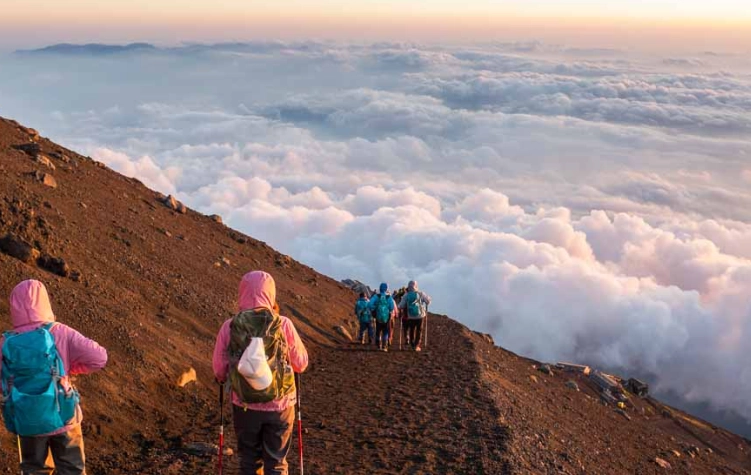
Let me give you the real answer, the one based on my own climb a couple of seasons back and the collective wisdom of hundreds of hikers. The total time from the most common starting point (the 5th Station) to the summit and back down typically ranges from 7 to 12 hours for a one-day climb. But that's just the core hiking time. It ignores the drive to the mountain, waiting in lines (yes, there can be literal traffic jams on the trail during peak season), and, most importantly, how your body reacts to the altitude.
My own climb took about 10.5 hours round trip on the Yoshida Trail, but I made some mistakes. I'll get into those later. The point is, your time can vary wildly.
The Biggest Factors That Determine Your Climb Time
Asking "how long to climb Mount Fuji" is like asking how long it takes to drive across a city. Rush hour? Clear roads? It's all about the conditions. Here’s what really controls the clock.
1. Which Trail You Pick (This is HUGE)
Fuji has four main trails, and they are not created equal. The official trails are the Yoshida, Subashiri, Gotemba, and Fujinomiya trails. They all start at different 5th Stations (the usual launch point), have different lengths, and different personalities. The Yoshida Trail is the most popular, especially for first-timers, partly because it has the most mountain huts if you need to bail or rest.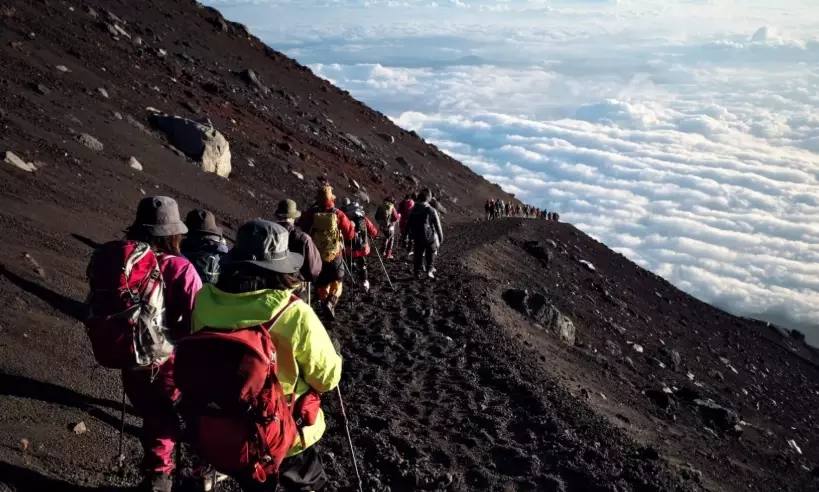
Here’s a breakdown that will make your planning easier. This table shows you the core stats that directly answer "how long does it take to climb Mount Fuji" for each path.
| Trail Name | Starting 5th Station Elevation | Distance to Summit (One Way) | Average Ascent Time | Average Descent Time | Best For |
|---|---|---|---|---|---|
| Yoshida Trail | 2,305m (7,562 ft) | ~7.5 km (4.7 mi) | 5-7 hours | 3-4 hours | First-timers, sunrise seekers, those wanting hut access |
| Subashiri Trail | ~2,000m (6,562 ft) | ~8.0 km (5.0 mi) | 5-7 hours | 3-4 hours | Hikers wanting a quieter, forested start |
| Fujinomiya Trail | 2,400m (7,874 ft) | ~5.0 km (3.1 mi) | 4-6 hours | 2.5-3.5 hours | Fitness-focused hikers, the shortest but steepest route |
| Gotemba Trail | 1,450m (4,757 ft) | ~11.0 km (6.8 mi) | 7-9+ hours | 3-4 hours | Adventure seekers, longest & least crowded route |
See the difference? The Fujinomiya Trail is the shortest in distance but don't let that fool you—it's steep. The Gotemba Trail answers the question "how long to climb Fuji" with "a very, very long time" because you start so much lower. Most people, including me, go for Yoshida. It's well-organized, but that also means it can get crowded.
2. The Season and Weather
You can only climb during the official season, which is shockingly short: early July to early September. The mountain is covered in snow and dangerously cold outside this window. Even within the season, weather is king.
A clear, cool day in late August? You'll make good time. A rainy, windy day in early July? Everything slows down. The trails turn into slippery mud slides (trust me, descending in the rain is no joke), and you have to stop to put on and take off rain gear. High winds near the summit can literally stop progress as you huddle behind a rock. Always, always check the official Japan Meteorological Agency forecast for the specific summit area. Don't just look at the base.
3. Your Fitness and Acclimatization (The Silent Time-Eater)
This is the factor people most often misjudge. You might be a gym rat, but climbing Fuji is a different beast. It's not technical, but it's a relentless, steep slog on uneven volcanic scree. The biggest thief of time, however, is altitude sickness.
Above 2,500 meters, it can hit anyone. Symptoms are headaches, nausea, dizziness, and overwhelming fatigue. When you have altitude sickness, every step feels like you're wading through concrete. You stop every ten steps to gasp for air. What should be a 30-minute section can take 90 minutes. It completely warps your sense of "how long to climb Mount Fuji."
It happened to my hiking partner.
She was fitter than me, but around the 7th Station, she got hit with a pounding headache and nausea. Our pace slowed to a crawl. We spent an extra hour at a hut just letting her rest and sip water. That's time you can't plan for but must be prepared to accommodate. The best defense is to climb slowly from the start. The Japanese have a saying: "登山はゆっくりと" (Tozan wa yukkuri to) – climb slowly.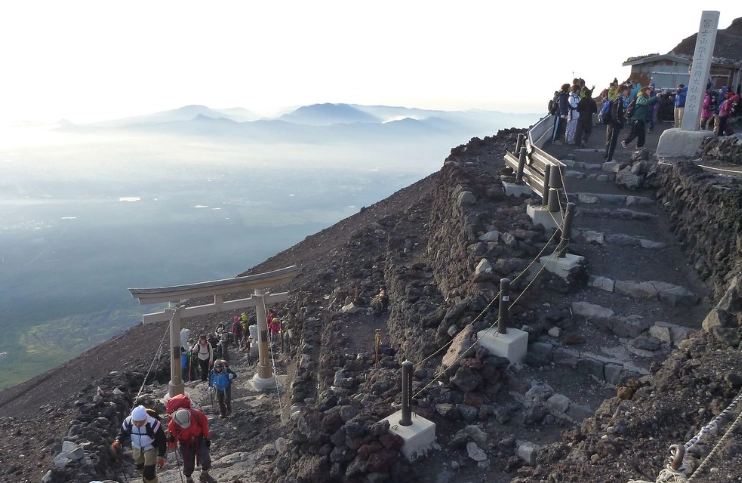
The Two Main Climbing Styles: Which One Defines Your Timeline?
How you structure your climb is the single biggest planning decision you'll make. It fundamentally changes the experience and the answer to "how long does it take to climb Mount Fuji?"
Option 1: The Bullet Climb (One-Day Ascent)
You start early in the morning (like 5-7 AM) from the 5th Station, power up to the summit, and come back down all in one go. No overnight stay.
Typical Timeline (Yoshida Trail Example):
- 5:00 AM: Start hiking from 5th Station.
- 10:00 AM - 12:00 PM: Reach the summit (5-7 hours of ascent).
- 12:00 PM - 1:00 PM: Explore crater, have lunch, take photos.
- 1:00 PM: Begin descent.
- 4:00 PM - 5:00 PM: Arrive back at 5th Station (3-4 hours descent).
Total Elapsed Time: 10-12 hours.
Option 2: The Traditional Sunrise Climb (Overnight Ascent)
This is the classic Fuji experience. You start in the afternoon, hike to a mountain hut near the 7th or 8th Station, sleep (or try to) for a few hours, then wake up around midnight to summit for sunrise.
Typical Timeline (Yoshida Trail Example):
- Day 1, 1:00 PM: Start hiking from 5th Station.
- Day 1, 5:00 PM - 7:00 PM: Arrive at booked mountain hut (e.g., at the 8th Station). Have a simple dinner, rest.
- Day 1, 10:00 PM - 1:00 AM: "Sleep" in a crowded dormitory (be realistic, it's more like noisy resting).
- Day 2, 1:00 AM - 2:00 AM: Wake up, have a light snack, start final ascent in the dark with headlamps.
- Day 2, 4:30 AM - 5:30 AM: Reach summit before sunrise.
- Day 2, 5:30 AM: Witness sunrise from the top of Japan.
- Day 2, 7:00 AM: Begin descent after exploring crater.
- Day 2, 10:00 AM - 11:00 AM: Arrive back at 5th Station.
Total Elapsed Time: ~20-22 hours from start to finish, but broken into two hiking sessions with a rest.
This method spreads the effort and gives you that magical sunrise. But it has its own challenges: the huts are expensive and basic, you won't sleep well, and the final push in the dark when you're tired is tough. Also, everyone is doing this, so the trail during the midnight push can become a slow-moving conga line. That adds unexpected time.
I did the overnight climb. The sunrise was unforgettable, a sea of clouds below turning gold and red. But the "sleep" in the hut was a joke—a dozen people snoring in a tiny space. And the trail from 3 AM onwards was so crowded it felt like a queue for a theme park ride. It added at least an extra hour to my summit time. Worth it? For the sunrise, yes. For a peaceful hike, no.
What Actually Slows You Down? The Nitty-Gritty Details
Beyond the big factors, little things eat up minutes that add to hours. When planning how long to climb Fuji, budget time for these.
- Rest Breaks: You'll need more than you think. Plan for a 5-10 minute break every hour, plus longer breaks for meals.
- Crowds: On popular trails (Yoshida) on weekends in peak season, bottlenecks happen, especially at narrow sections or just below huts. You might just be standing still.
- The Terrain: The upper sections are loose volcanic scree. On the way up, you take two steps forward, slide one step back. On the way down, some trails have separate descent paths that are just long, sandy scree slopes. You can "surf" down them, which is fun, but it's hard on your knees and not fast.
- Summit Activities: You didn't come all this way just to turn around. Walking the crater rim, visiting the highest post office, getting your stamp at the summit shrine—this can easily take an extra 1-2 hours.
- Bathroom Lines: Yes, really. The toilets are limited, especially clean ones, and there can be waits during peak times. It's 200-300 yen per use, so have coins ready.
Your Essential Packing List (For a Safe and Timely Climb)
Having the right gear doesn't just keep you safe; it keeps you moving efficiently. Forgetting something can mean stopping, rummaging, or worse, turning back.
- Sturdy Hiking Boots: Ankle support is crucial on the rocky, uneven terrain. Trail runners are a bad idea for most people.
- Layered Clothing: Temperature range can be from 25°C (77°F) at the base to 5°C (41°F) or lower at the summit, plus wind chill. Think moisture-wicking base layer, insulating mid-layer (fleece), and a waterproof/windproof outer shell.
- Headlamp: Essential for any overnight climb or if you get caught finishing in the dark.
- Water & Food: At least 1.5-2 liters of water. More for a one-day climb. High-energy snacks (nuts, chocolate, energy bars).
- Sun Protection: Sunglasses, hat, and high-SPF sunscreen. The UV radiation is intense at high altitude, and the volcanic rock reflects it.
- Cash (Yen): For toilets, emergency snacks/drinks at huts, donations, and summit souvenirs.
- Trash Bag: There are NO trash cans on the mountain. You must carry all your trash down. This is a strict rule.
Common Questions (FAQs) About Climbing Time
Let's tackle the specific questions buzzing in your head.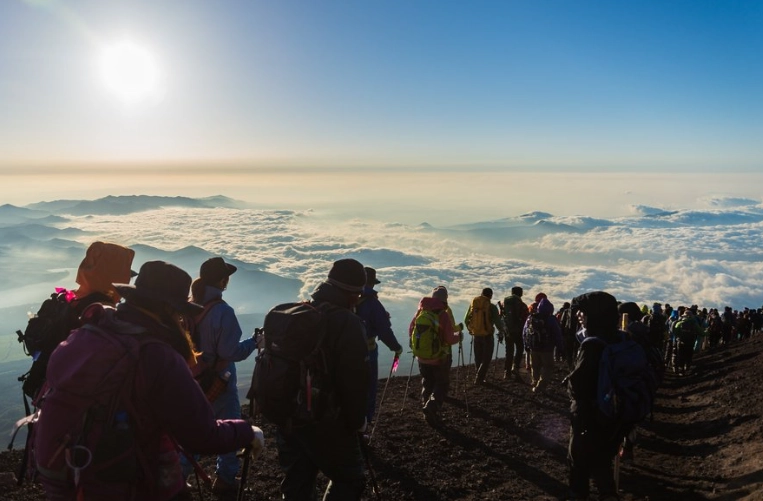
Can I climb Mount Fuji in one day?
Yes, absolutely, as the "Bullet Climb" section explains. It's physically demanding but doable if you're fit and start very early. It's the most direct answer to how long to climb Mount Fuji if you mean pure hiking time.
Is the descent faster than the ascent?
Generally, yes. For most trails, descent takes about half to two-thirds the time of the ascent. But don't underestimate it. The descent is punishing on your knees and quads. The loose scree can be tricky. By the end, you might be going slower just because your legs are screaming.
What's the fastest recorded time?
That's for elite runners. The record for the famous (and brutal) Mt. Fuji Hill Climb Race from the 5th Station to the summit is mind-bogglingly fast (under 1.5 hours!). This is completely irrelevant for a recreational hiker. Comparing yourself to that is like comparing your commute to a Formula 1 race.
How long to climb Fuji with children or as a beginner?
Officially, children under 10 are discouraged from climbing due to altitude risks. For older kids and beginners, the overnight climb is strongly advised. It breaks up the effort. Expect everything to take 1.5 to 2 times longer than the "average" times listed. Your pace will be set by the slowest person. Patience is key.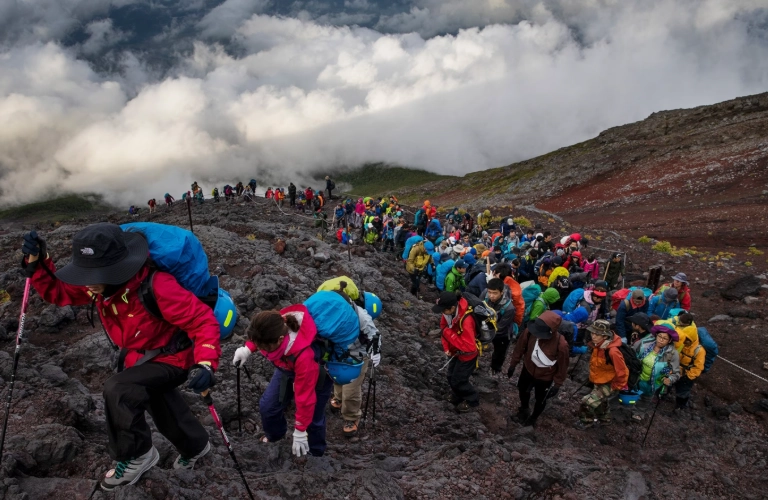
Does taking a bus to the 5th Station save time?
It saves massive effort and time. The old trails started from the base (sea level!), which added days to the climb. The bus-accessible 5th Stations are the standard start for 99.9% of modern climbers. Check bus schedules from Kawaguchiko or Gotemba stations in advance—missing the last bus down is a disaster.
My Personal Advice (The Unfiltered Take)
Looking back, I wish I had trained more for the downhill. Everyone focuses on getting up, but the descent wrecked my knees for days. I also wish I had brought more salty snacks. All that sweating depletes your salts.
And I can't stress this enough: climbing Mount Fuji is not a walk in the park. It's a serious mountain. Respect it. The official Mount Fuji Climbing Official Website is an indispensable resource for the latest trail conditions, hut lists, and safety info.
So, how long to climb Fuji? Plan for a full, exhausting day (or a long night and morning). Build in buffer time. Listen to your body. The goal isn't to set a speed record; it's to have a safe, memorable experience that you'll be proud of for years.
Start slow, drink water, and look up from your feet once in a while. The views are incredible.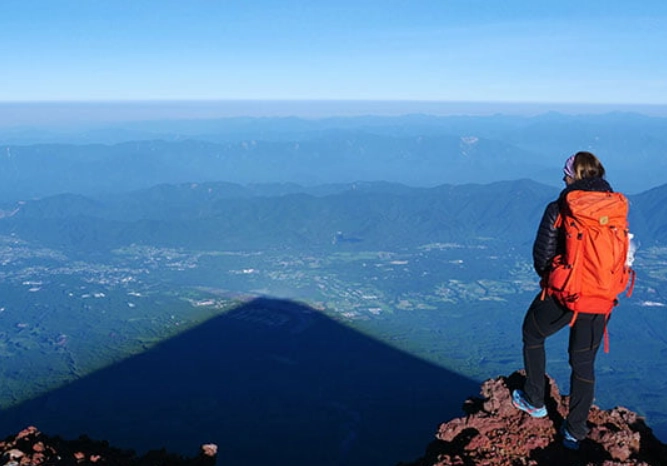

Comments