Shikoku often gets overlooked in favor of Tokyo or Kyoto, but that's exactly why I love it. As Japan's fourth largest island, it's a mix of ancient pilgrim trails, stunning gardens, and food that'll make you rethink udon. I spent two weeks there last fall, and let me tell you, it's not just a side trip—it's a destination. If you're tired of crowded spots and want something real, Shikoku delivers. But planning can be tricky. Public transport isn't as seamless as in Honshu, and some temples feel like they're stuck in time. That's where this guide comes in. I'll walk you through the must-sees, eats, and stays, plus some hard-earned tips from my own misadventures.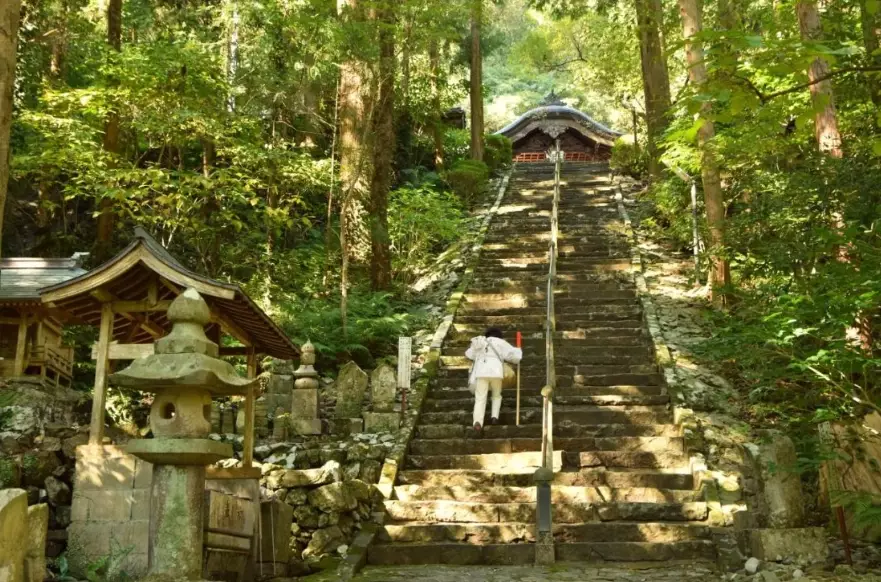
Your Quick Jump to Shikoku Insights
Why Shikoku Should Be on Your Radar
Most travelers hit Shikoku for the 88 Temple Pilgrimage, and yeah, it's a big deal. But there's more. The pace is slower here. In Takamatsu, I wandered through Ritsurin Garden without bumping into tour groups. In Matsuyama, locals chatted with me over a bowl of udon. It's Japan without the polish, and that's the charm. If you're into culture, nature, or just avoiding selfie sticks, Shikoku works. The downside? It's not as connected. Trains run, but buses to remote temples can be infrequent. I once waited an hour for a bus in Tokushima—bring a book. But that isolation keeps it authentic. For resources, check Japan National Tourism Organization for updates.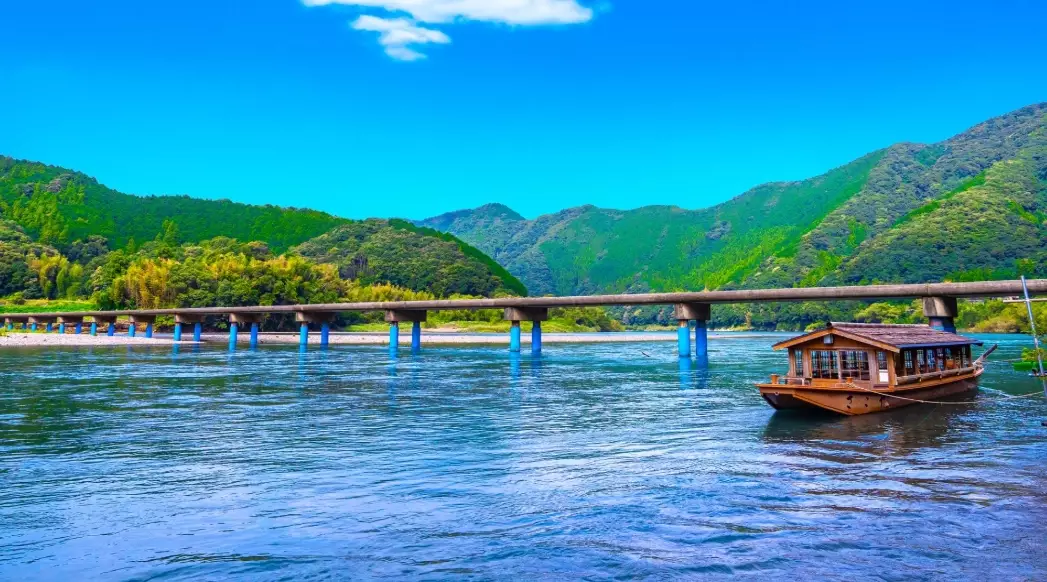
Top Attractions You Can't Miss
Don't try to see everything. Focus on highlights that match your interests. I've grouped them by prefecture to simplify planning.
Shikoku Pilgrimage (88 Temple Trail)
This is the heart of Shikoku. Spanning 1,200 km, it's a spiritual journey that dates back centuries. You don't need to do it all—I tackled a few temples and felt the vibe. Temple 1, Ryozenji, in Tokushima is a good start. Address: 126-1 Itano, Tokushima 779-0103. Open from 7:00 AM to 5:00 PM, no entrance fee, but donations are appreciated. The trail is well-marked, but wear sturdy shoes. Some sections are steep, and in summer, the heat is brutal. I met pilgrims who walked for months, but driving or biking is common too. For a deep dive, the Shikoku 88 Temple Guide website has maps.
Ritsurin Garden in Takamatsu
One of Japan's best gardens, and it lives up to the hype. Address: 1-20-16 Ritsurincho, Takamatsu, Kagawa 760-0073. Hours: 7:00 AM to 5:00 PM (until 6:30 PM in summer). Admission: 410 yen for adults. I spent half a day here, getting lost in the ponds and tea houses. Pro tip: Visit early to avoid crowds. The garden is huge, so pick up a map at the entrance. Nearby, you can try Sanuki udon—more on that later.
Naruto Whirlpools
Natural spectacle at its finest. Located in Naruto, Tokushima, the whirlpools form during tidal changes. Best viewing times vary; check the Naruto Whirlpools official site for schedules. I took a boat tour from Uzushio-Kazan Park—address: 264-1 Oge, Naruto, Tokushima 772-0053. Tour cost: around 1,800 yen. It's windy, so bring a jacket. If you're short on time, skip it, but it's worth the detour for nature lovers.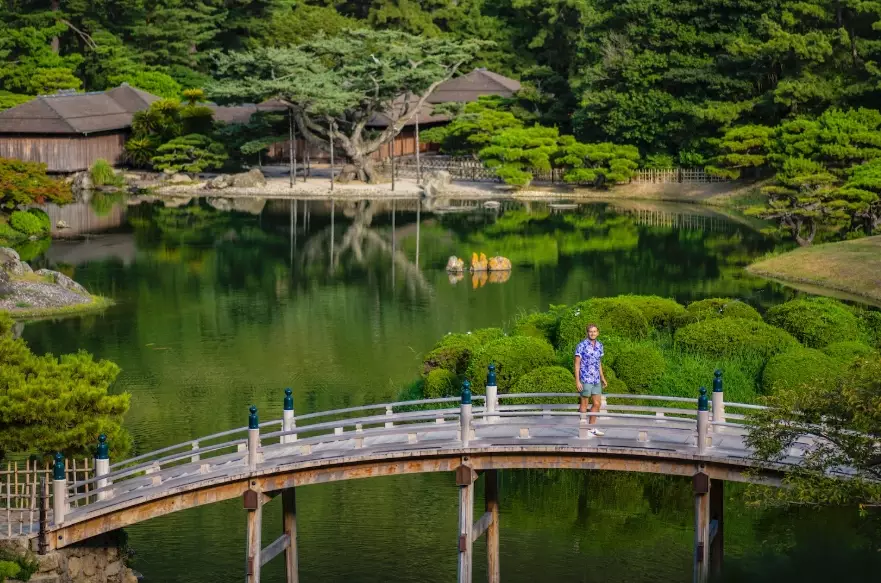
Insider note: Many blogs hype the Iya Valley, but it's remote. Unless you have a car, access is tough. I found the vine bridges overrated—they're stable now, not the rickety experience you might expect.
Savoring Shikoku: A Food Lover's Paradise
Food here is simple but incredible. Each prefecture has its specialty. Kagawa is udon kingdom, Ehime is citrus heaven, and Tokushima serves up sudachi citrus in everything. Don't just eat at random spots; seek out local joints.
Must-Try Dishes
- Sanuki Udon: Thick, chewy noodles. In Takamatsu, Ikkaku (address: 1-1-1 Kawaramachi, Takamatsu) does it best for 500 yen a bowl. Open 11:00 AM to 3:00 PM, cash only.
- Mikan Oranges: Ehime's pride. Buy them at markets like Dogo Hot Spring area—sweet and cheap, about 300 yen per bag.
- Katsuo no Tataki: Seared bonito from Kochi. Try it at Hirome Market (address: 2-3-1 Obiyamachi, Kochi), open 8:00 AM to 9:00 PM, dishes from 800 yen.
Recommended Restaurants
Here's a quick list based on my visits:
| Restaurant | Address | Specialty | Price Range | Hours |
|---|---|---|---|---|
| Ikkaku Udon | 1-1-1 Kawaramachi, Takamatsu | Sanuki Udon | 500-800 yen | 11:00-15:00 |
| Dogo Onsen Main Building | 5-6 Dogoyunomachi, Matsuyama | Traditional Kaiseki | 3,000-5,000 yen | 11:00-20:00 |
| Yoshida-ya | 2-4-1 Tokiwa, Matsuyama | Local Sake & Snacks | 1,000-2,000 yen | 17:00-23:00 |
I made the mistake of eating at a touristy spot near Ritsurin Garden—overpriced and bland. Stick to places filled with locals.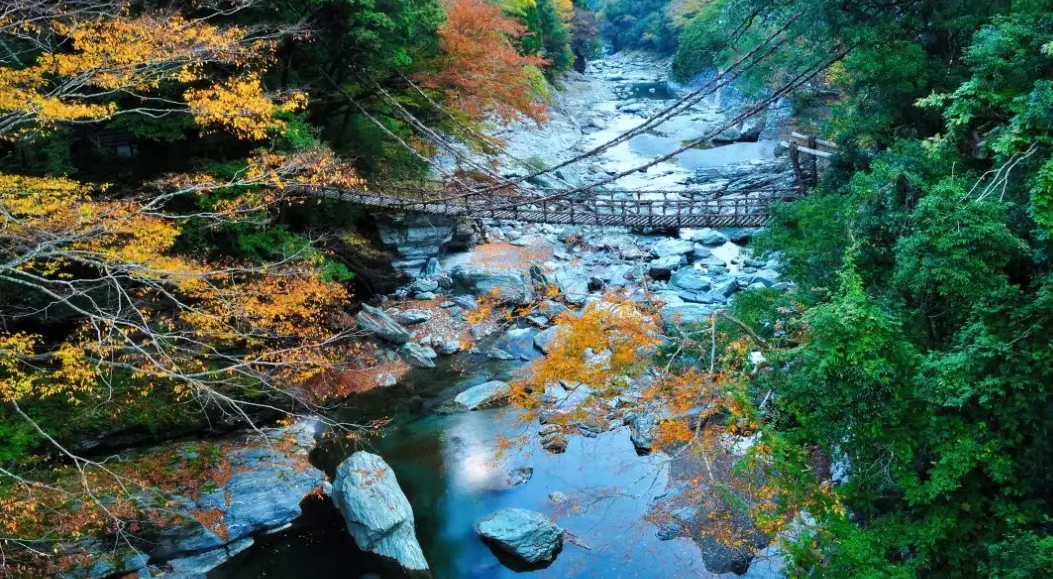
Where to Stay: Accommodation for Every Budget
Accommodation ranges from ryokans to business hotels. Book in advance, especially during pilgrimage seasons (spring and fall). I prefer staying in cities like Takamatsu or Matsuyama for convenience.
- Budget: Toyoko Inn Takamatsu (address: 1-1-1 Kawaramachi, Takamatsu). Around 5,000 yen per night. Basic but clean, with free breakfast. Wi-Fi is spotty, though.
- Mid-range: Dogo Onsen Honkan (address: 5-6 Dogoyunomachi, Matsuyama). From 10,000 yen. Historic hot spring experience, but rooms book out fast. I stayed here and loved the atmosphere, but it's noisy at night.
- Luxury: Setouchi Retreat Aonagi (address: 794-1 Noshima, Matsuyama). Starts at 30,000 yen. Stunning sea views, but remote—rent a car to get there.
For temple stays, some offer shukubo lodging, but conditions are Spartan. I tried one in Tokushima: no heating, shared baths. It's authentic, but not for everyone.
Crafting Your Perfect Shikoku Itinerary
Tailor your trip based on time. Here's a sample 5-day itinerary I used, adjustable for shorter or longer stays.
Day 1-2: Takamatsu & Kagawa
Start in Takamatsu. Morning at Ritsurin Garden, lunch at Ikkaku Udon. Afternoon explore Takamatsu Castle ruins. Stay at Toyoko Inn. Day 2, day trip to Naoshima Art Island (ferry from Takamatsu port, 500 yen one way).
Day 3-4: Tokushima & Pilgrimage
Train to Tokushima (about 1.5 hours). Visit Temple 1 (Ryozenji) and Naruto Whirlpools. Stay in Tokushima city—business hotels like Comfort Hotel Tokushima are around 6,000 yen.
Day 5: Matsuyama & Ehime
Train to Matsuyama (3 hours). See Matsuyama Castle, soak at Dogo Onsen. Dinner at Yoshida-ya. Overnight at Dogo Onsen Honkan.
If you have 7 days, add Kochi for Katsuo no Tataki and more temples. I found 5 days rushed but doable; 7 lets you breathe.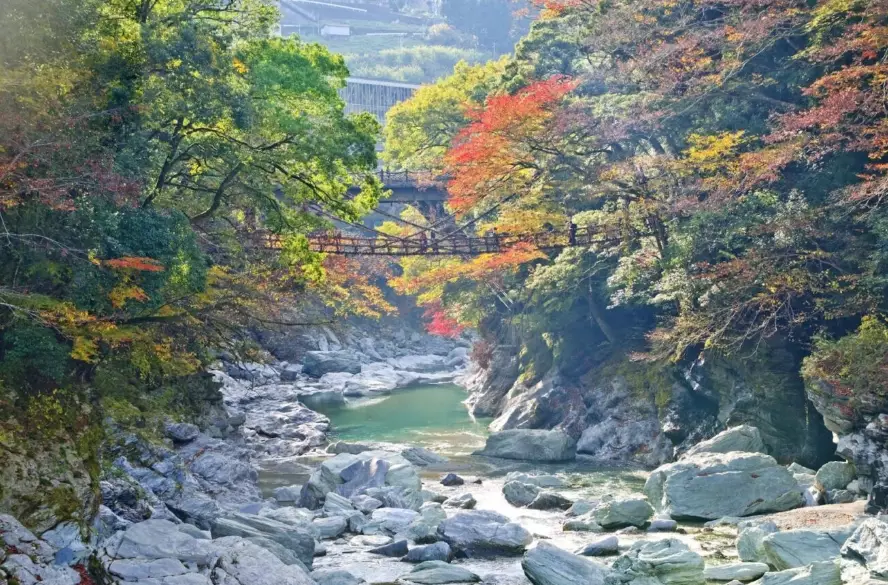
Practical Tips for Smooth Travel
Transport is the biggest hurdle. Trains connect major cities, but for temples, buses or rental cars are better. I rented a car for two days—cost about 8,000 yen per day, plus tolls. Without a car, use the JR Shikoku Rail Pass (around 10,000 yen for 3 days). Buses are cheaper but slower; check Shikoku Railway Company for schedules.
Budget-wise, Shikoku is cheaper than Tokyo. Daily costs: 5,000-8,000 yen for food and transport, plus accommodation. I overspent on taxis once—stick to public options.
Best time to visit: Spring (March-May) for cherry blossoms and mild weather, or fall (September-November) for foliage. Summer is hot and humid; I went in October and it was perfect.
Language: English isn't widely spoken. Learn basic Japanese phrases or use translation apps. In rural areas, signs are in Japanese only.

Comments