Your Visa Journey Guide
- First Things First: Do You Even Need a Visa for Japan?
- Understanding the Different Types of Japan Visas
- The Heart of the Matter: Japan Tourist Visa Requirements
- The Step-by-Step Japan Visa Application Process
- Common Japan Visa Application Questions (And Real Answers)
- After You Get the Visa: Before You Fly
- Final Thoughts: Keeping Your Sanity During the Process
Let's be honest for a second. The words "visa application" can send a shiver down anyone's spine. Visions of confusing forms, endless document lists, and anxious waits at consulates come to mind. I've been there, staring at a pile of papers, wondering if my trip to see Kyoto's temples was doomed before it even began.
But here's the thing: getting a Japan travel visa doesn't have to be a nightmare. Really. It's a process, a detailed one for sure, but it's completely manageable if you know what you're doing. The key is cutting through the official jargon and getting a clear, step-by-step picture of what's required for your specific Japan travel visa application.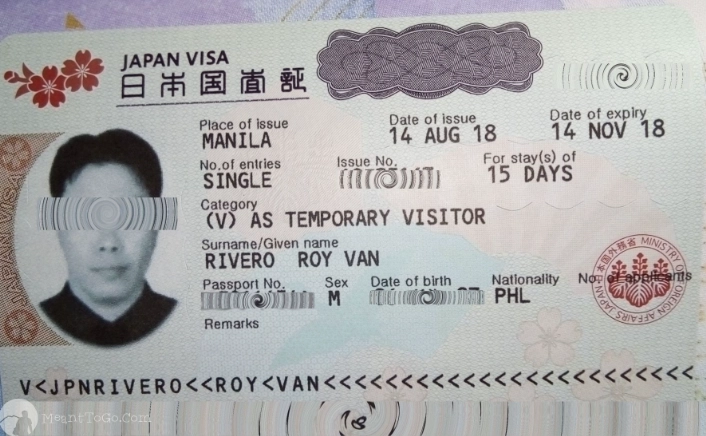
This guide is that picture. We're going to walk through this together, from figuring out if you even need a visa, to gathering every single document, to handing in your application and finally getting that sticker in your passport. I'll share some of the hiccups I faced (and how to avoid them) and break down the common worries everyone has.
A Quick Reality Check: I'm not a visa officer or a lawyer. This guide is based on extensive research, official sources, and personal/community experience. Visa rules can and do change. The single most important thing you will do is double-check everything on the official website of the Japanese embassy or consulate that has jurisdiction over your place of residence. They have the final say, always. Bookmark their site now.
First Things First: Do You Even Need a Visa for Japan?
This is where we start. Japan has visa exemption agreements with many countries. If you're a passport holder from the United States, Canada, the United Kingdom, Australia, South Korea, Singapore, and most EU nations (among others), you're in luck. You can enter Japan as a tourist for short stays (typically up to 90 days) without obtaining a visa in advance. You get a temporary visitor stamp on arrival.
But—and this is a big but—this is for tourism only. No work, no paid activities. Your passport must usually be valid for the entire duration of your stay.
If your country isn't on that exemption list, then you'll need to apply for a visa before you travel. The most common type is the Temporary Visitor Visa, which is for tourism, visiting family/friends, or short business trips (like conferences). This guide focuses primarily on this tourist visa application process.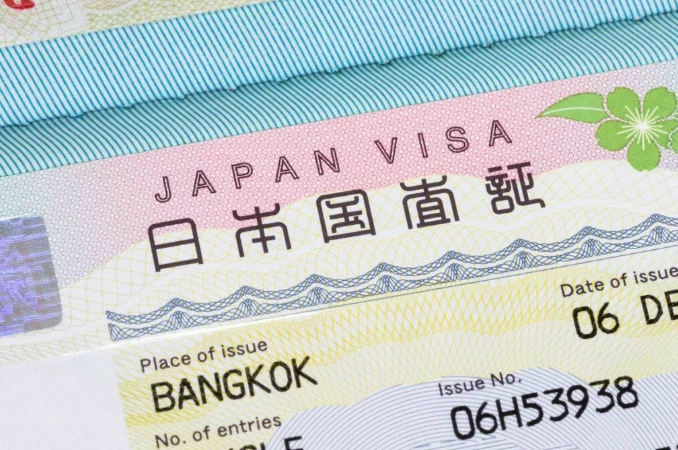
Pro Tip: Even if you're from a visa-exempt country, you might still need to apply for a visa if you plan to stay longer than the exemption period (e.g., for 6 months) or if you intend to engage in specific activities like cultural studies, unpaid internships, or visiting as a dependent. Always verify your status.
Understanding the Different Types of Japan Visas
While we're focusing on the tourist visa, it helps to know the landscape. Japan offers a range of visas, and applying for the wrong one is a surefire way to get rejected.
| Visa Type | Who It's For | Key Points |
|---|---|---|
| Temporary Visitor | Tourists, short-term business visitors, family visitors. | Single or double entry. Stays of 15, 30, or 90 days. Most common for first-time visitors. |
| Work Visa | Engineers, instructors, intra-company transferees, skilled labor. | Requires a Certificate of Eligibility (COE) from a Japanese sponsor. Complex process. |
| Student Visa | Those enrolled in Japanese language schools, universities, etc. | Also requires a COE from the educational institution. |
| Spouse/Dependent Visa | Spouses or children of Japanese nationals or long-term residents. | Requires proof of relationship and financial support. |
| Working Holiday Visa | Young people (18-30) from specific partner countries. | Allows an extended stay with permission to work to supplement travel funds. |
See the difference? Your purpose of visit dictates everything. For a classic sightseeing trip, the Temporary Visitor visa is your target.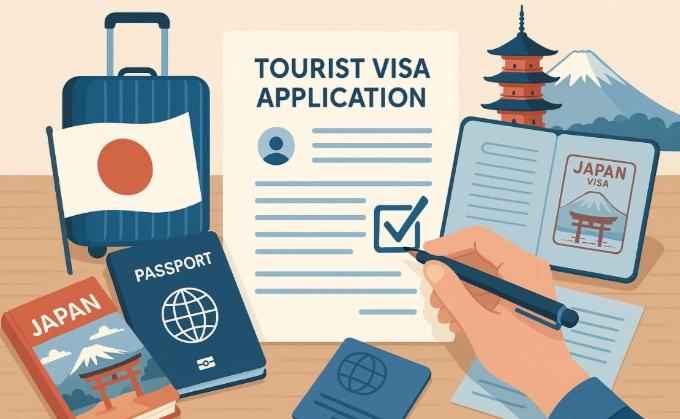
The Heart of the Matter: Japan Tourist Visa Requirements
This is the core of your Japan travel visa application. Embassies are notoriously strict about documentation. Missing one item, or having one that doesn't meet their standards, can lead to delays or a flat-out rejection. Let's break down the typical checklist. I'll tell you right now, the financial proof is where most people get nervous.
The Ultimate Japan Tourist Visa Document Checklist
- Valid Passport: Must have at least two blank pages and be valid for the duration of your intended stay. Some consulates require six months' validity beyond your trip dates—check!
- Visa Application Form: Downloaded from your local embassy's website. Fill it out on a computer, print it, and sign it. Handwriting can lead to mistakes. Be meticulous.
- Passport Photo: One recent, color, 45mm x 45mm (2in x 2in) photo with a plain white background. Glue or staple it to the form as instructed. No selfies.
- Proof of Financial Means: This is the big one. You need to convince them you can afford the trip. This usually means recent bank statements (last 3-6 months) showing consistent balance. There's no fixed magic number, but the balance should comfortably cover flights, accommodation, and daily expenses. Some embassies ask for a minimum balance (e.g., equivalent to $3,000-$5,000 USD). If someone is sponsoring you, you'll need their documents and a letter of guarantee.
- Detailed Travel Itinerary: A day-by-day plan. Include dates, cities, hotel names and addresses, and key activities. "Day 1: Arrive Tokyo, stay at Hotel X. Day 2: Visit Senso-ji, Tokyo Skytree." It shows you've planned a genuine trip.
- Flight Reservation: Not a purchased ticket, but a reservation or itinerary from an airline or travel agent showing your entry and exit from Japan. Do NOT buy non-refundable tickets until you have the visa.
- Hotel Reservation Confirmation: For the entire stay. Book refundable accommodations through platforms like Booking.com. The confirmations must show all guest names.
- Proof of Employment/Studies: A letter from your employer (on company letterhead) stating your position, salary, length of employment, and approved leave dates. Students need an enrollment letter.
- For Previous Visitors: If you've been to Japan before, copies of visas and entry stamps in your old passport can be very helpful.
My Experience: The financial proof gave me major anxiety. My bank statements were a bit messy with lots of transfers. What I did was write a short, simple cover letter explaining my financial situation and highlighting my steady income and savings. I also attached my last three pay stubs. I think it helped present a clearer picture. Don't be afraid to add a little context if your statements aren't perfectly straightforward.
Some embassies might ask for additional items like a copy of your national ID, marriage certificate (if applicable), or tax returns. Again, your specific embassy's list is the bible.
Navigating the Financial Proof Hurdle
Let's talk about this separately because it's so important. The officers want to see stability. A sudden, large deposit right before your application looks suspicious—like you borrowed money just for the visa. They prefer to see a history of savings or a consistent, healthy balance over several months.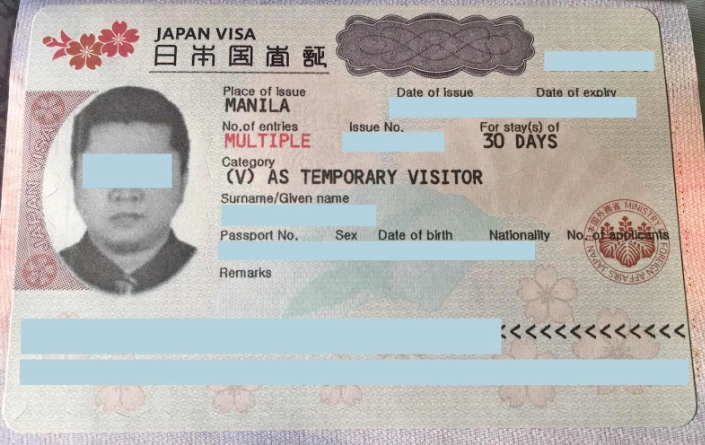
If you're self-employed or a freelancer, the bar can feel higher. You'll likely need to provide business registration documents, tax returns for the past year or two, and invoices or contracts to show ongoing work. It's more paperwork, but it's doable.
The Step-by-Step Japan Visa Application Process
Okay, you've got your documents in a neat folder. Now what? The actual process varies slightly by country, but the general flow is the same.
Step 1: Find Your Jurisdiction
Japan's embassies and consulates have specific geographic jurisdictions. You must apply to the one that covers your permanent address or place of legal residence. If you're living abroad temporarily on a work permit, you often must apply from your home country. This trips up a lot of people. Use the Ministry of Foreign Affairs of Japan website to find the correct diplomatic mission.
Step 2: Prepare Your Documents
We just covered this. Follow the checklist on your embassy's site to the letter. Make neat, clear photocopies. Organize them in the order they request.
Step 3: Submission
Here's where policies diverge sharply.
- In-Person: Many consulates require the applicant to submit in person. You take a number, wait, and hand over your packet. They might ask a couple of simple questions.
- By Post/Courier: Some accept mailed applications, but this is becoming rarer.
- Through an Accredited Travel Agency: This is very common in many countries, especially in Asia. The embassy only accepts applications from a list of authorized agencies. You pay them a service fee, and they check your documents and submit for you. It's often worth the fee for the peace of mind and convenience.
You need to find out which method your embassy uses. Don't just show up expecting to hand in papers.
Step 4: Payment of Fees
For a single-entry temporary visitor visa, the fee is often waived for many nationalities as part of tourism promotion. But not always. Check if there's a charge. If there is, it's usually a small, fixed amount paid upon submission or collection.
Step 5: The Waiting Game (Processing Time)
Standard processing is typically 5 to 7 working days. During peak seasons (before holidays, summer), it can stretch to 10 days or more. Some embassies offer expedited processing for an extra fee if you have urgent travel. Never plan your travel dates too close to your application date. Give yourself a buffer of at least 3-4 weeks from submission to intended departure.
Step 6: Passport Collection & The Outcome
You'll be notified to collect your passport. When you get it back, check the visa sticker immediately!
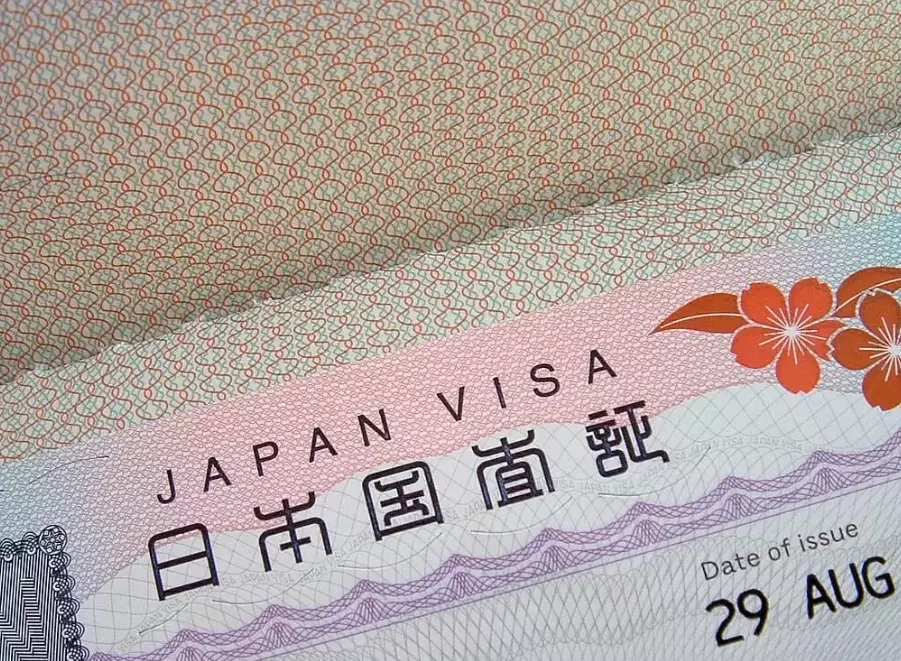
- Approved: You'll see a beautiful sticker with your photo, visa type (e.g., "Temporary Visitor"), number of entries, validity period (the window in which you must enter Japan), and duration of stay (e.g., "15 days," "30 days").
- Rejected: Your passport will be returned without a sticker, often with a brief, standard reason. It's disappointing, but you can usually reapply after addressing the issue.
Remember: The visa validity period is NOT the same as your allowed stay. If your visa is valid from Oct 1 to Dec 31, you can enter Japan any day within that window. Once you enter, the immigration officer will stamp your passport with the allowed duration of stay (e.g., 15 days from entry date), which is what you must adhere to.
Common Japan Visa Application Questions (And Real Answers)
Let's tackle the stuff that keeps you up at night.
- Incomplete or Incorrect Documents: The number one reason. A missing signature, an old bank statement, a blurry photocopy.
- Insufficient Financial Proof: Unstable balance, unexplained large deposits, income that doesn't seem to support the trip cost.
- Unconvincing Travel Purpose: A vague or unrealistic itinerary. Why would a first-time visitor with 7 days try to visit Tokyo, Osaka, Kyoto, Hokkaido, and Okinawa?
- Weak Ties to Home Country: For an officer, the biggest risk is that you won't leave Japan. If you're unemployed, have no property, no family ties, or a very sparse travel history, it can raise a red flag. Your employment letter and asset proofs help counter this.
After You Get the Visa: Before You Fly
Congratulations! But you're not done yet.
First, triple-check the details on the visa sticker. Is your name spelled correctly? Do the validity dates match your travel plans? If there's an error, contact the embassy immediately—it's rare, but it happens.
Now you can safely book your non-refundable flights and finalize any flexible hotel bookings. Make copies of your visa and passport photo page. Leave one copy with someone at home and take a separate copy with you, stored separately from your actual passport while traveling.
Familiarize yourself with Japan's entry procedures. You'll fill out a disembarkation card (for foreigners) and a customs declaration on the plane or upon arrival. Have your hotel address and details handy to fill these out.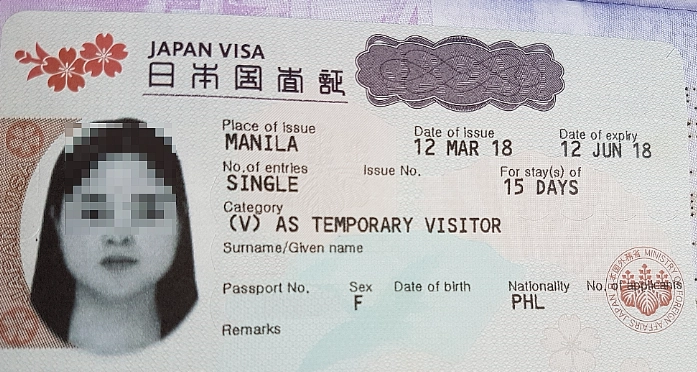
Post-Visa Tip: While your visa allows entry, the final decision on your length of stay is made by the immigration officer at the port of entry. They have the authority to grant a shorter period than your visa states (though this is uncommon for straightforward tourists). Be polite, have your return ticket and itinerary ready to show if asked, and you'll be fine.
Final Thoughts: Keeping Your Sanity During the Process
Look, applying for a Japan travel visa is a test of paperwork stamina. It can feel intrusive and tedious. The most frustrating part for me was the lack of real-time updates during processing. You just have to wait.
My best advice is to start early. Give yourself a good 6-8 weeks before your planned trip to begin gathering documents and understanding the requirements for your specific Japan tourist visa application. Rushing leads to mistakes.
Use the official resources. The MOFA visa information page is a great starting point for general policy, but always, always cross-reference with your local embassy. For those in the U.S., the Embassy of Japan in the USA website has detailed guides. In the UK, check the Embassy of Japan in the UK.
If you're feeling overwhelmed, especially in countries where using an agency is the norm, just use one. The fee is a small price to pay for having an expert review your file and handle the submission.
Ultimately, the process is a gateway. Once you have that visa, the excitement truly begins. All the paperwork fades away the moment you step out into the organized chaos of Shinjuku Station or see the serene beauty of a Kyoto garden. It's worth every form, every bank statement, every minute of waiting.
Take it one step at a time, be thorough, and you'll get there. Happy travels, and see you in Japan.

Comments