Let's talk about Wakkanai. It's not Kyoto, it's not Tokyo. It's the end of the line in the most literal sense—Japan's northernmost city, perched on the tip of Hokkaido where the Sea of Japan meets the Okhotsk. Most tourists never make it this far. That's their loss. What you find here is a raw, wind-swept beauty, a rich history tangled with Russia and the Ainu people, and seafood so fresh it practically jumps onto your plate. Forget the crowds. This is for the traveler who wants to say they've truly been to the edge.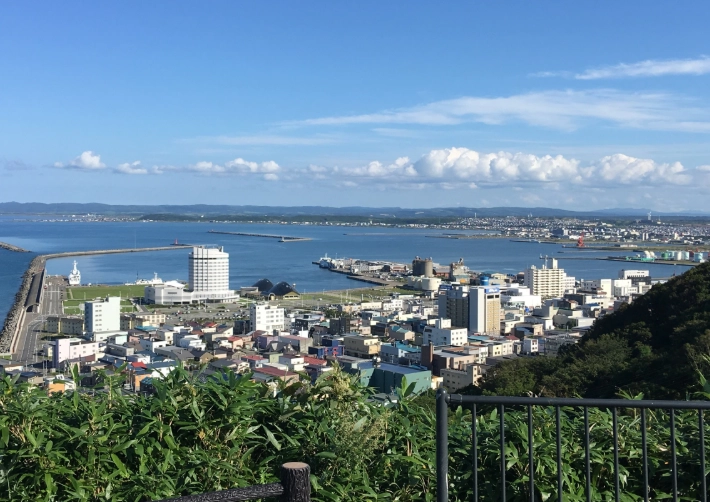
The best time? Late spring to early autumn (May to October). July and August are mild, perfect for hiking and boat tours. September brings stunning autumn colors to the surrounding hills. Winter (December to March) is a whole different beast—harsh, beautiful, and challenging. I'll get into that later.
Your Quick Guide to Wakkanai
How to Plan Your Northern Escape
First thing most people get wrong: thinking they can do Wakkanai as a day trip. The journey is part of the experience. From Sapporo, you're looking at a 5-hour train ride on the JR Limited Express Soya. It's a beautiful, meditative trip through changing landscapes. Fly if you're short on time (about 1 hour from New Chitose), but know that flights are more prone to weather delays, especially in winter.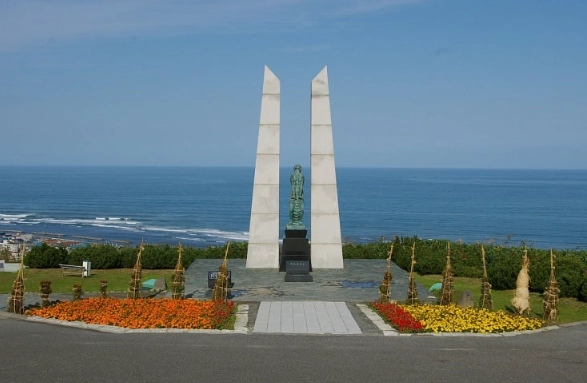
You need at least two full days. One for the immediate city highlights—the cape, the museum, the port. The second day is for the deeper stuff: a boat tour to see the sea lions on Todo Island, a trip to the serene Sarobetsu Wetlands, or just soaking in the onsen while watching the sea. Rushing this place misses the point entirely.
The Must-See Sights in Wakkanai
This isn't a city of a hundred temples. It's about landscapes, history, and a specific feeling of standing at the continent's edge.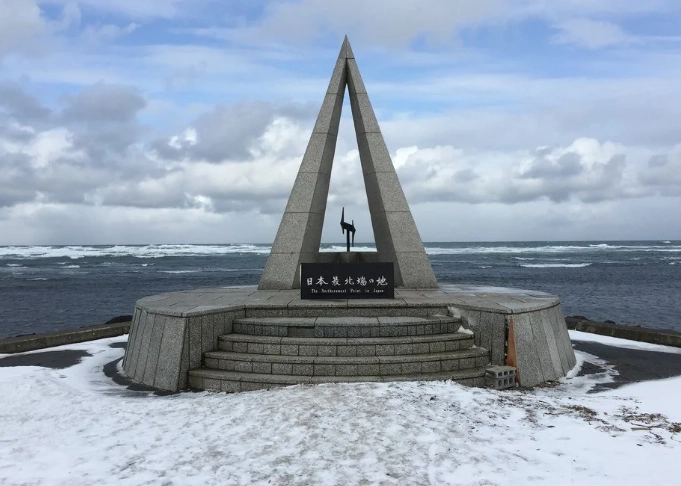
Soya Misaki (Cape Soya)
Address: Soya Misaki, Wakkanai, Hokkaido 097-0026. Admission: Free. Access: 40-minute bus ride from Wakkanai Station (Soya Misaki Line), or a 30-minute drive.
The big one. The Monument of the Northernmost Point of Japan is a simple stone pillar, but the symbolism is powerful. On a clear day, you can see Sakhalin, Russia, across the water—a tangible reminder of how close and yet how distant Japan's neighbor is. The wind here is no joke. It howls across the cape with a force that'll steal your hat and take your breath away. There's a small shop selling certificates proving you've been here, which feels a bit touristy, but hey, why not.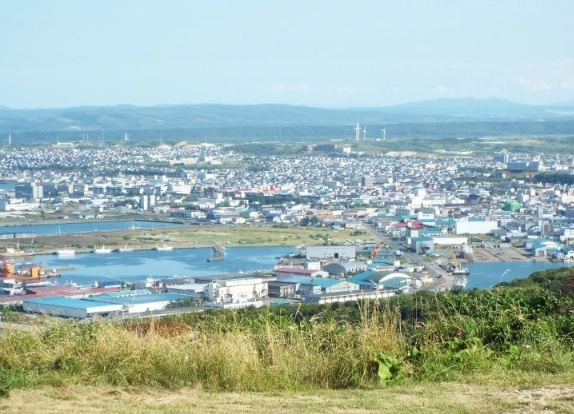
My personal ritual? Visiting the nearby Bell of Prayer for Peace, dedicated to the fishermen lost at sea. The sound of the bell carried by that relentless wind is haunting. Don't just snap a photo and leave. Walk around, feel the wind, read the plaques. That's where the meaning is.
Wakkanai Park & The Northern Memorial Museum
Address: 2-6-1 Nishi-3, Wakkanai. Hours: 9:00 AM - 5:00 PM (Last entry 4:30 PM). Admission: 350 JPY for adults.
Perched on a hill overlooking the city and port, this is the cultural heart. The park itself is lovely for a stroll, but the museum is the star. It's not huge, but it's packed with thoughtful exhibits on the region's natural history, the indigenous Ainu culture, and the poignant history of Japanese repatriates from Karafuto (Southern Sakhalin) after WWII. This last part is something you won't find emphasized in guidebooks, but it's crucial to understanding Wakkanai's modern identity. The observation deck on the top floor offers the best panoramic view in town.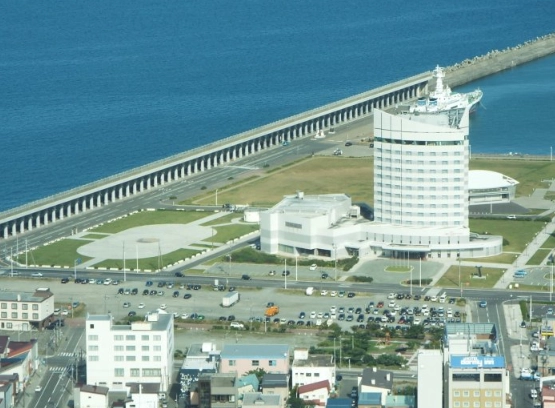
Noshappu Misaki & The Old Lighthouse
Address: Noshappu, Wakkanai. Access: 15-minute drive or 25-minute bus ride from the station.
If Soya Misaki is for the milestone, Noshappu is for the mood. It's quieter, with a long breakwater leading to an old, red-roofed lighthouse. It's famous for sunsets over the Sea of Japan and, in winter, for "diamond dust" (tiny ice crystals glittering in the air). The area has a small aquarium and an onsen facility, but I come for the walk and the sense of calm. The breakwater is a popular spot for locals to fish, even in the cold.
Wakkanai Port & The Northern Breakwater Dome
This is a working port, not a sanitized marina. The smell of salt and fish is in the air. The unique Northern Breakwater Dome is a 427-meter-long arched concrete structure protecting the port. Walking its length feels like being inside the ribcage of a giant sea creature. It's purely functional infrastructure, but it's become an iconic, almost surreal piece of architecture. It's free to walk, open 24/7, and dramatically lit at night.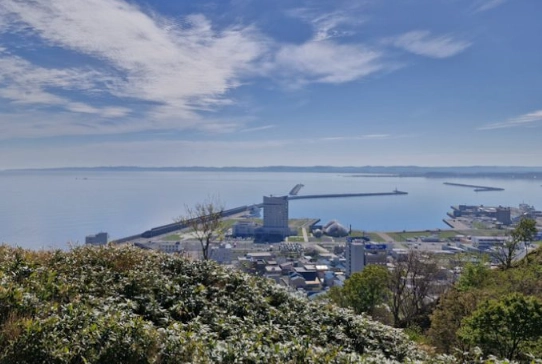
| Attraction | Key Feature | Time Needed | Best For |
|---|---|---|---|
| Soya Misaki | Northernmost Point Monument, Views to Russia | 1-1.5 hrs | Iconic photos, sense of achievement |
| Wakkanai Park Museum | Local history, Ainu culture, Panoramic views | 1.5-2 hrs | Cultural understanding, rainy day activity |
| Noshappu Misaki | Scenic lighthouse, Sunsets, Onsen | 1-2 hrs | Relaxation, photography, atmosphere |
| Breakwater Dome | Unique architecture, Port views | 30-45 min | A unique walk, engineering interest |
Where to Eat Like a Local
Wakkanai is a seafood town. The cold, rich waters of the north produce some of Japan's best crab (kegani), sea urchin (uni), and scallops (hotate). If you don't like seafood, your options narrow considerably, but there are a few solid non-fish places.
- Kita no Aji (北の味): The go-to for a classic, high-quality seafood donburi (rice bowl). Their "Wakkanai Don" is a masterpiece of local uni, ikura (salmon roe), crab, and scallop piled high on rice. It's not cheap (around 3,500 JPY), but it's a rite of passage. Address: 3-11-8 Chuo, Wakkanai. Hours: 11:00 AM - 3:00 PM, 5:00 PM - 9:00 PM (Closed Wed).
- Umineko (海猫): This is my personal favorite—a tiny, atmospheric izakaya (pub) near the port. It's where fishermen and locals go. The menu is all fresh, simple, and delicious. Try the grilled scallops in the shell, the sashimi platter (ask for the day's catch), and wash it down with local sake. The owner might not speak much English, but pointing works just fine. Address: 2-9-18 Chuo, Wakkanai. Hours: 5:00 PM - 11:00 PM (or until the fish runs out).
- Soya Black Beef: Yes, there's famous beef up here too! Soya-gyu is a rare, high-quality wagyu breed raised in the region. You can find it at yakiniku (BBQ) restaurants like Yakiniku King (焼肉きんぐ). It's rich, marbled, and a perfect change from seafood. Expect to pay 5,000+ JPY for a good set meal.
Where to Rest Your Head
You won't find international luxury chains here. What you get are solid, clean Japanese business hotels with one incredible bonus: many have onsens (hot spring baths) with ocean views.
- Dormy Inn Premium Wakkanai: The top choice for most travelers. Why? Excellent location near the station, a fantastic rooftop onsen (indoor and outdoor) overlooking the port, and a free late-night ramen service. Rooms are standard Japanese business hotel size—compact but efficient. Rates: 8,000 - 15,000 JPY/night.
- Wakkanai Terminal Hotel: Attached to the JR station, making it ultra-convenient, especially if you have an early train. Also has a public bath (not a natural onsen, but a large communal bath). Slightly older but well-maintained. Rates: 7,000 - 12,000 JPY/night.
- JR Inn Wakkanai: Another station-adjacent reliable option. Newer than the Terminal Hotel, with slightly more modern rooms. Has a men's and women's public bath. A good no-fuss choice. Rates: 8,000 - 14,000 JPY/night.
For a more unique experience, look into minshuku (family-run guesthouses) in the port area. They're more basic, but you'll get home-cooked meals and a chance to interact with locals.
Getting Around & Essential Tips
The city center is walkable, but the major attractions (the capes) are not. Here are your options:
- Local Bus: The Soya Misaki Line and the Noshappu Line buses run from Wakkanai Station. They're infrequent. I mean, really infrequent. You must check the timetable at the station bus center and plan your day around it. Missing the last bus back from Soya Misaki means an expensive taxi.
- Rental Car: This is, without a doubt, the best way to experience Wakkanai and its surroundings. It gives you freedom and saves you hours waiting for buses. Major companies have offices at the station and airport. Winter driving requires confidence and experience with snow and ice—don't attempt it if you're not prepared.
- Taxi: Expensive but viable for small groups. You can even hire a taxi for a 2-3 hour tour to hit the main sights. Negotiate a fixed price with the driver beforehand.
Weather Wisdom: Pack layers. Even in summer, the wind off the sea is cool. A waterproof and windproof jacket is essential year-round. In winter, you need serious gear: thermal underwear, a heavy down coat, waterproof snow boots, gloves, hat, scarf. The wind chill is brutal.
Your Wakkanai Questions Answered
Wakkanai won't dazzle you with neon or ancient castles. It rewards you with space, wind, history, and some of the most honest seafood you'll ever eat. It's a place for reflection, for feeling small against the sea and sky, and for understanding a different corner of Japan. Go with an open mind, pack a good jacket, and get ready for the end of the map.



Comments