Let's cut to the chase. Japan has a reputation for being pricey, but after five trips there—some on a shoestring, others with more flexibility—I've learned it's all about how you approach it. Yes, you can easily drop $300 a night on a hotel in Tokyo, but you can also find a clean capsule for $30. The key is knowing where to splurge and where to save. This guide dives into the real costs, backed by personal slips and wins, to help you plan without the sticker shock.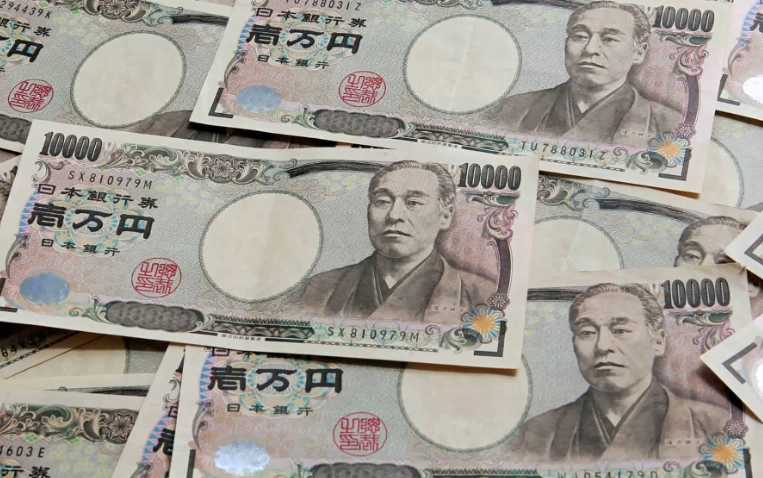
What's Inside This Guide
- The Real Cost of Accommodation in Japan
- Eating in Japan Without Breaking the Bank
- Getting Around: Transportation Expenses
- Attractions and Activities: Free vs. Paid
- A Week in Japan: Sample Budget Itinerary
- Personal Insights: My Experience Traveling Japan on a Budget
- FAQ: Answering Your Top Questions on Japan Travel Costs
The Real Cost of Accommodation in Japan
Accommodation often eats the biggest chunk of your budget. In major cities like Tokyo and Kyoto, prices can soar, but alternatives exist. I remember booking a last-minute room in Shinjuku for $120 and feeling ripped off—until I discovered cheaper options a few blocks away.
Budget Hotels: What to Expect
Chain hotels like Toyoko Inn or APA Hotel offer consistency. A double room typically runs $70-$100 per night. Locations matter: staying near major stations like Shinjuku or Shibuya costs more, but areas like Ikebukuro or Asakusa can be 20% cheaper. Book early; prices spike during cherry blossom season (late March to April).
Traditional Ryokans: Worth the Splurge?
Ryokans are Japanese inns with tatami mats and onsen baths. In Kyoto, a night can cost $150-$300 per person, including kaiseki meals. Is it worth it? For a cultural experience, yes—but for budget travelers, consider day visits to onsens instead. I stayed at a ryokan in Hakone once, and while amazing, it drained my funds for other activities.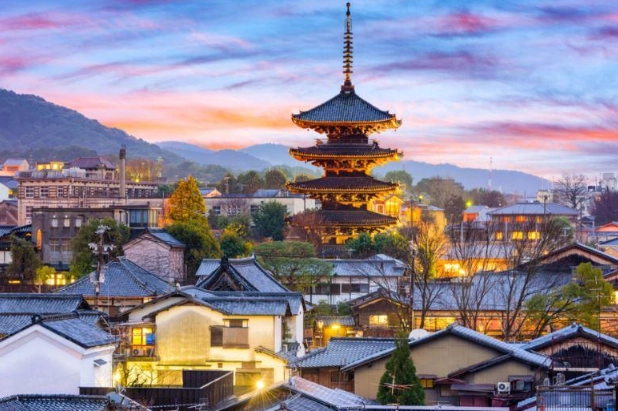
Here's a quick comparison of average nightly rates in key cities (based on recent trends and data from sources like Japan National Tourism Organization reports):
| City | Budget Hotel (per night) | Mid-range Hotel (per night) | Hostel/Capsule (per night) |
|---|---|---|---|
| Tokyo | $70 - $100 | $120 - $200 | $30 - $50 |
| Kyoto | $60 - $90 | $100 - $180 | $25 - $45 |
| Osaka | $50 - $80 | $90 - $150 | $20 - $40 |
Eating in Japan Without Breaking the Bank
Food in Japan can be a highlight or a budget-buster. My first meal was a $25 ramen in Ginza—delicious, but I later found similar bowls for $8 in local joints. The trick is to avoid tourist traps.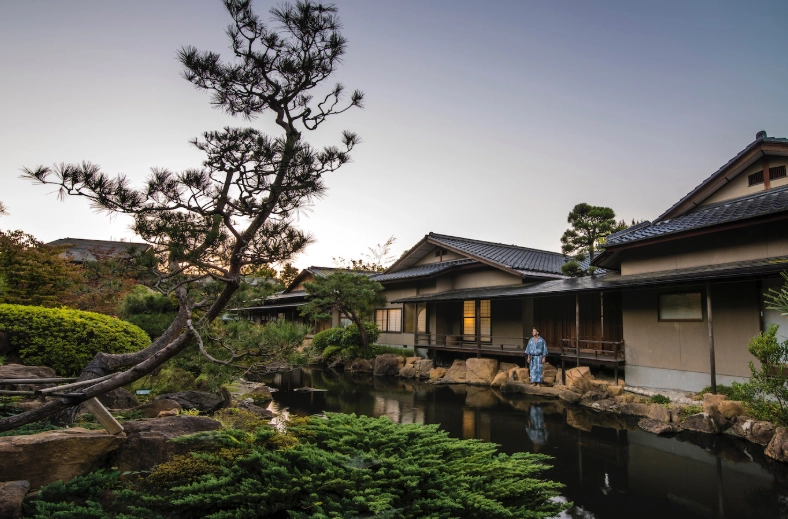
Conbini Meals: The Secret to Cheap Eats
Convenience stores (conbini) like 7-Eleven, FamilyMart, and Lawson are lifesavers. You can get a filling meal—rice balls, sandwiches, salads—for $3-$5. I often grabbed breakfast here: a coffee and pastry for under $4. Quality is surprisingly good, with fresh options daily.
Local Izakayas and Standing Bars
Izakayas are Japanese pubs where small plates cost $2-$6 each. In Tokyo's Omoide Yokocho (Memory Lane), I had yakitori skewers for $1.50 each. Standing bars (tachinomi) are even cheaper; in Osaka, I drank beer for $3 and ate edamame for $2. Look for places filled with locals, not English menus.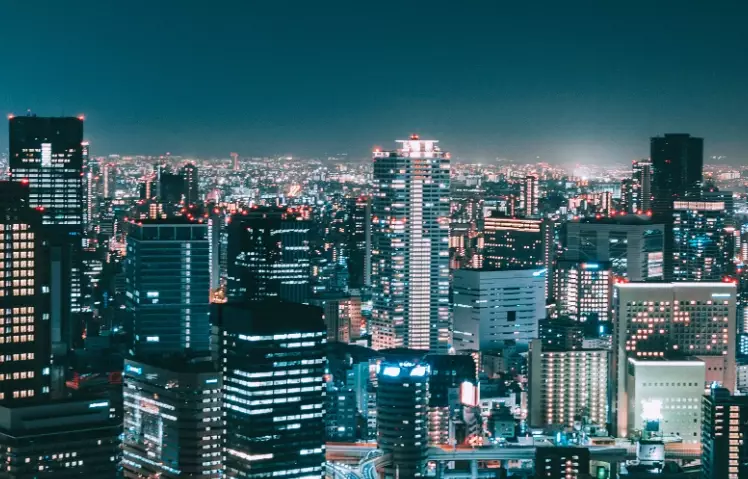
For specific spots:
- Tokyo: Try "Ramen Street" in Tokyo Station—bowls from $8 at places like Rokurinsha.
- Kyoto: Nishiki Market has street food like takoyaki for $3-$5 per serving.
- Osaka: Dotonbori area, but venture to side streets for cheaper okonomiyaki (around $6).
Getting Around: Transportation Expenses
Transportation in Japan is efficient but can add up. A common mistake? Buying the Japan Rail Pass without checking if it fits your itinerary.
Japan Rail Pass: Is It Worth It?
The JR Pass allows unlimited travel on JR trains for 7, 14, or 21 days. A 7-day pass costs around $250. It's worth it if you're doing long-distance trips, like Tokyo to Kyoto (one-way Shinkansen costs about $130). But for city-only travel, skip it. I bought it for a Tokyo-Osaka round trip and barely broke even—wish I'd calculated first.
City Transport: Trains and Buses
In cities, subways and buses are affordable. Tokyo metro rides start at $1.50, with day passes around $6. Kyoto has a bus day pass for $5, perfect for temple hopping. Use IC cards like Suica or Pasmo—they're rechargeable and give small discounts. I loaded $20 on my Suica and it lasted three days of local travel.
Attractions and Activities: Free vs. Paid
Japan offers plenty of free experiences alongside pricey attractions. I once spent $30 on Tokyo Skytree and regretted it—the view from free observatories like Tokyo Metropolitan Government Building was just as good.
Top Free Things to Do in Tokyo
- Senso-ji Temple in Asakusa: Free entry, though donations are welcome.
- Meiji Shrine in Shibuya: A serene escape at no cost.
- Ueno Park: Great for cherry blossom viewing without tickets.
Must-See Paid Attractions and Their Costs
- Tokyo Disneyland: About $80 for a one-day ticket—book online to avoid lines.
- Fushimi Inari Shrine in Kyoto: Free, but nearby museums charge $5-$10.
- Universal Studios Japan in Osaka: Tickets around $70; go on weekdays to save.
Budget around $10-$20 per day for attractions if you mix free and paid sites.
A Week in Japan: Sample Budget Itinerary
Here's a realistic 7-day plan for a mid-range budget, based on my own trips. Adjust based on your preferences.
- Day 1-3: Tokyo
- Accommodation: Budget hotel in Asakusa ($80/night).
- Food: Mix of conbini meals and izakaya dinners ($25/day).
- Transport: Metro day pass ($6/day).
- Attractions: Senso-ji (free), Skytree skip, maybe a museum ($10).
- Daily total: ~$121.
- Day 4-5: Kyoto
- Accommodation: Hostel in central Kyoto ($40/night).
- Food: Nishiki Market snacks and local ramen ($30/day).
- Transport: Bus day pass ($5/day).
- Attractions: Fushimi Inari (free), Kinkaku-ji temple ($4).
- Daily total: ~$79.
- Day 6-7: Osaka
- Accommodation: Capsule hotel in Dotonbori area ($35/night).
- Food: Street food and standing bars ($20/day).
- Transport: Local trains ($4/day).
- Attractions: Osaka Castle ($6), free wandering in Dotonbori.
- Daily total: ~$65.
Total for 7 days: Approximately $700-$800 per person, excluding flights. This is a moderate budget; you can go lower by cutting attractions or choosing cheaper eats.
Personal Insights: My Experience Traveling Japan on a Budget
On my first solo trip to Japan, I landed with $1000 for two weeks and panicked. But by day three, I'd figured out the rhythm. I stayed in a capsule hotel in Shinjuku—cramped but clean at $30 a night. Ate at 7-Eleven for breakfast, grabbed $5 bento boxes for lunch, and splurged on a $15 sushi dinner once. Transportation was my biggest lesson: I walked a lot, using Google Maps to find shortcuts, and saved $50 by not buying unnecessary passes.
One evening in Kyoto, I stumbled upon a local festival with free food samples—something you won't find in guidebooks. That's the thing: Japan's cost isn't just about numbers; it's about flexibility. I skipped the expensive robot restaurant in Tokyo and instead spent an afternoon in Yoyogi Park, people-watching for free. It was more memorable.
Negative side? Some tourist areas like Tokyo's Ginza feel overpriced for what you get. I'd avoid dining there unless you're celebrating. Also, taxis are prohibitively expensive—a short ride cost me $20, so I stuck to trains.
FAQ: Answering Your Top Questions on Japan Travel Costs
To wrap up, Japan doesn't have to be expensive. With smart choices—like opting for conbini meals, using IC cards, and mixing free attractions—you can enjoy a rich experience without draining your wallet. My biggest takeaway? Spend on what matters to you (for me, it was food), and cut corners elsewhere. Start planning, and you'll see—Japan is as affordable as you make it.

Comments