You've seen the temples, soaked in the onsens, and navigated the neon streets. But Japan's soul, I've found, often whispers loudest on its ancient footpaths and rugged mountain ridges. Hiking here isn't just exercise; it's a journey through living history, sacred geography, and landscapes that shift from subtropical coast to alpine wilderness within a single prefecture.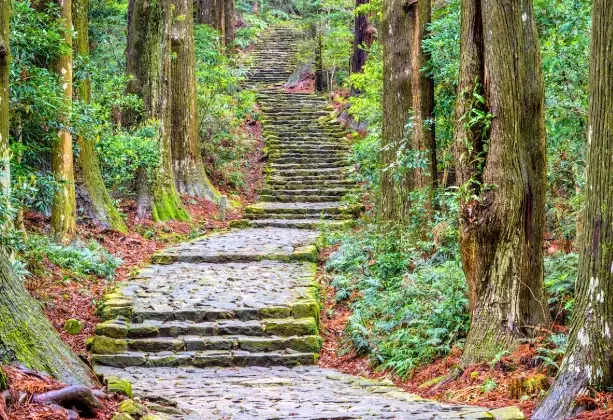
I remember my first real hike here, on the Kumano Kodo. I was fixated on reaching the waterfall, head down, counting steps. An elderly local pilgrim gently tapped my shoulder, pointed to a seemingly ordinary mossy stone by the path, and said, "Buddha sat here." That changed everything. Hiking in Japan requires you to look up, down, and within.
Your Trail Map: What's Inside This Guide
Trail Breakdown: Three Iconic Japan Hiking Routes
Let's move past vague descriptions. Here’s a concrete look at three trails that offer completely different experiences, from a UNESCO pilgrimage to a volcanic climb.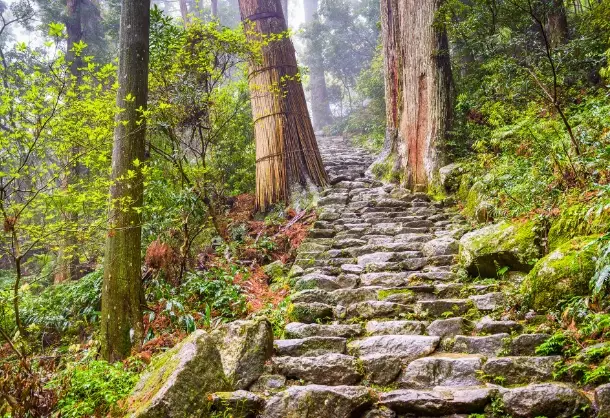
| Trail Name & Region | Core Experience & Difficulty | Key Practical Details |
|---|---|---|
| Kumano Kodo Nakahechi Route (Wakayama) | A forested pilgrimage to grand shrines. Moderate difficulty with steep, stone-stepped sections. It's about endurance and spirit. | Best Time: Apr-Jun, Sep-Nov. Access: Train to Kii-Tanabe, then bus to trailheads like Takijiri-oji. Must-Book: Lodging in trail towns (Kawayu, Hongu) fills fast. Unique Need: A stamp book (Nōkyōchō) for temple stamps. |
| Mount Fuji Yoshida Trail (Yamanashi) | The iconic, grueling ascent. High altitude, rocky terrain. It's a physical challenge with surreal sunrise views. | Season: Official climbing season only (early Jul to early Sep). Access: Bus from Kawaguchiko Station to 5th Station. Critical: Reserve mountain hut space MONTHS ahead. Cost: ~¥10,000 for hut + meals. Donation at summit. |
| Tateyama Kurobe Alpine Route (Toyama/Nagano) | High-altitude vistas via cable cars, buses, and walking. Easy to moderate walking on paved paths. It's about panoramic scale. | Window: Mid-Apr to Nov (snow corridor melts by June). Access: Complex one-way system. Start at Dentetsu Toyama Station. Trick: Buy the full through-ticket. Watch: Weather changes instantly; pack layers. |
Kumano Kodo: More Than Just a Walk
The Nakahechi route is the most popular. A typical 4-day segment from Takijiri to Nachi Falls covers about 40km. The walking itself is tough—those stone steps are centuries old and uneven. But the rhythm is peaceful. You'll pass oji (sub-shrines), drink from bamboo pipe springs, and sleep in family-run minshuku where the dinner is a feast of local river fish and mountain vegetables.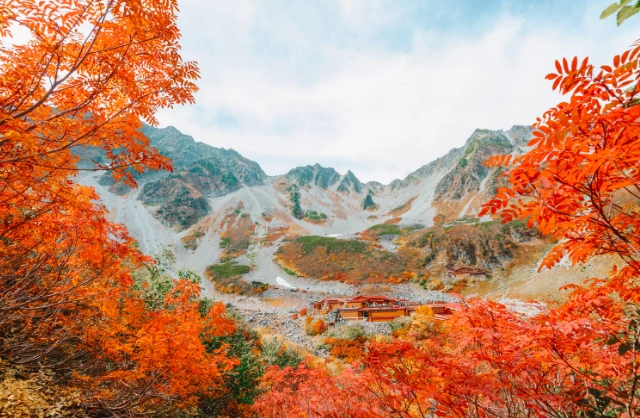
The biggest mistake? Rushing to the "big three" grand shrines. The magic is in the small, silent ojis in between. Hosshinmon-oji, the "Gate of Awakening," is just a torii gate in a field. But arriving there, knowing emperors walked here for centuries, hits differently.
Mount Fuji: The Climb Everyone Gets Wrong
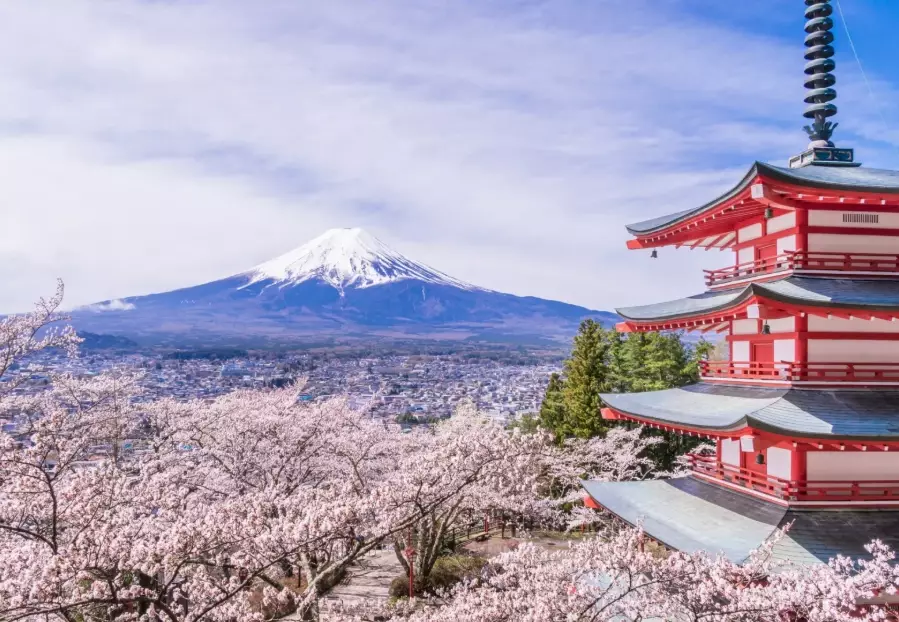
Most people attempt Fuji with a daypack mentality. That's a recipe for misery. The Yoshida Trail is a long, relentless slog on volcanic scree. You climb at night to see the Goraikō (sunrise). Here’s the non-consensus tip: book a hut at the 7th or 8th Station, not just the lowest one. Yes, it's more expensive. But shortening your final midnight climb from 5 hours to 2 hours is worth every yen. You get more sleep and arrive less exhausted.
The descent is worse than the ascent—monotonous, dusty, and hard on the knees. Trekking poles are not optional here.
How to Pick Your Perfect Japan Hiking Trail
Choosing a trail isn't just about difficulty. Ask yourself:
What's your pilgrimage? History (Kumano, Nakasendo), summiting an icon (Fuji), raw nature (Kamikochi valleys), or alpine scenery (Tateyama)?
How do you handle logistics? Trails like the Nakasendo Way (Magome to Tsumago) are simple: walk point-to-point, baggage forwarded, sleep in a town. Trails in the North Alps (Kamikochi to Karasawa) require hut bookings, precise bus timing, and carrying all your gear.
What's your season? This is crucial. July-August means heat, humidity, and rain south of Hokkaido, but it's prime time for alpine flowers and Fuji. May and October are arguably the sweet spots for most of Honshu.
Local Insight: Don't overlook the Japan Alps around Kamikochi. It's Switzerland-level scenery. The hike to Karasawa Cirque is busy, but for good reason—it's breathtaking. The catch? Kamikochi is closed from mid-November to late April. No private vehicles are allowed; you must take a bus from Hirayu or Shin-Shimashima.
The Real-World Logistics & Gear Most Guides Skip
You can read a hundred lists telling you to bring a rain jacket. Let's get specific.
Footwear: Sturdy hiking boots are a must for any trail with rocks or roots (so, almost all of them). Trail runners only work for paved paths like sections of the Tateyama route. Break them in before you come.
Rain Gear: A waterproof jacket isn't enough. You need rain pants. When a mountain shower hits, you'll be walking through wet brush. Soaked pants ruin a day.
Navigation: Trail signage is good on major routes, often bilingual. However, always have an offline map. I use YAMAP or Maps.me with downloaded regions. A physical map from a local tourist office is a reliable backup.
Money: Mountain huts, rural bus drivers, and small minshuku operate on cash. Even if they take card, assume they won't. Carry more yen than you think you need.
Baggage Forward: Use takkyūbin (like Yamato Transport's TA-Q-BIN) to send your main suitcase ahead to your next city hotel. It's cheap, reliable, and worth the peace of mind. Carry only a 30-40L pack for the trail itself.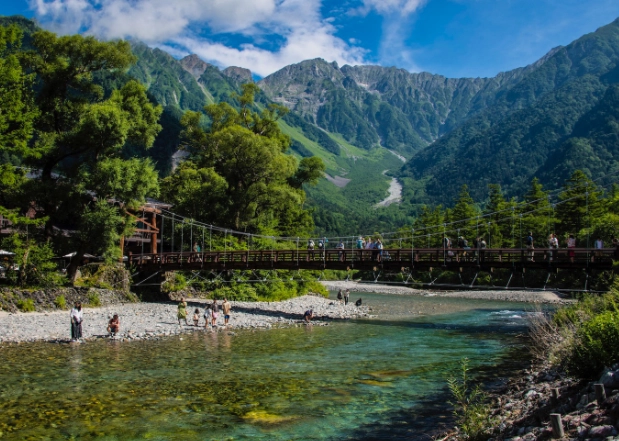
Trail Etiquette: Unspoken Rules That Matter
Japanese trails are clean because people take personal responsibility. Pack out ALL your trash—there are often no bins. If you must pee, go well off the trail.
Greet fellow hikers with a nod and a quiet "Konnichiwa." On narrow paths, the person going uphill generally has the right of way (they're working harder).
In mountain huts, you're in a shared space. Be quiet after lights out. Follow the shoe protocol: outdoor boots off at the genkan, indoor slippers provided. Onsen before dinner is basically mandatory—and you'll be glad for it.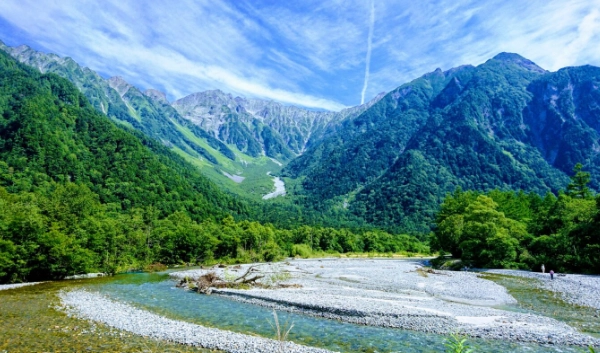
Your Hiking Questions, Answered
What is the best Japan hiking trail for first-timers with limited time?
For a first-timer short on time, the Nakasendo Way's Magome to Tsumago section is unbeatable. It's a well-marked, 8km (5-mile) stone path through preserved post towns, taking about 2-3 hours. You get history, forest, and mountain views without strenuous climbs. Public transport is easy from Nagoya. Skip the full pack; a daypack with water and snacks is all you need. The trail ends are connected by bus, so you can walk one-way without backtracking.
Do I need a guide for hiking the Kumano Kodo trails in Japan?
For the popular Nakahechi route (like from Takijiri to Nachi), a guide isn't mandatory if you're an experienced hiker comfortable with navigation. The trail is well-signed in English and Japanese. However, hiring a guide for even a half-day unlocks the trail's spiritual layer—they explain the hidden meaning of shrines, specific rocks, and rituals most hikers walk right past. For the more remote Kohechi or Iseji routes, a guide is strongly advised due to tougher terrain and fewer people.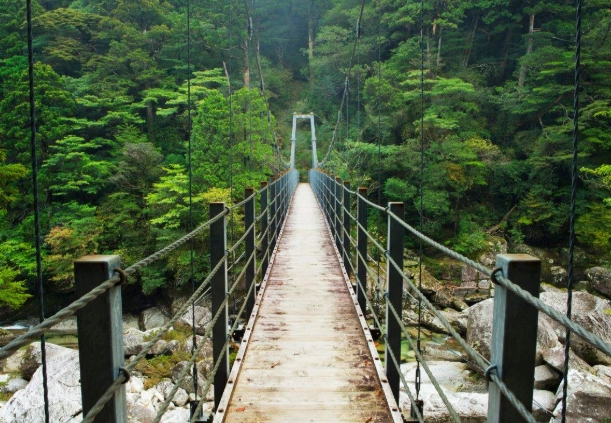
How do I book mountain huts (山小屋) on the Mt. Fuji Yoshida Trail?
Book directly and early, as spots vanish months ahead. Don't rely on third-party travel sites. Use the official Mt. Fuji Climb website's hut list, which has direct phone numbers and some email addresses. Phone bookings often require a Japanese speaker. A growing number of huts now use simple online booking forms. When you book, you're reserving a spot in a shared dormitory (a 'futon space') and usually two meals: dinner and breakfast. Payment is almost always cash-only upon arrival.
Is hiking in Japan during the rainy season (June-July) a complete mistake?
Not a mistake, but a different adventure. Focus on trails in Hokkaido (which has less rain) or well-maintained forest paths like parts of the Kumano Kodo. The rain brings surreal mist, vibrant green moss, and no crowds. The key is gear: a high-quality rain jacket AND rain pants are non-negotiable. Pack multiple pairs of merino wool socks and use waterproof pack covers. Trails can be slippery, so trekking poles become crucial. Just mentally prepare for limited panoramic views—you're trading vistas for atmosphere.
Final thought: Japan's trails are a dialogue. They ask for your effort and respect, and in return, they offer a perspective on the country you simply can't get from a train window. Start planning, pack thoughtfully, and get ready to walk into the heart of it.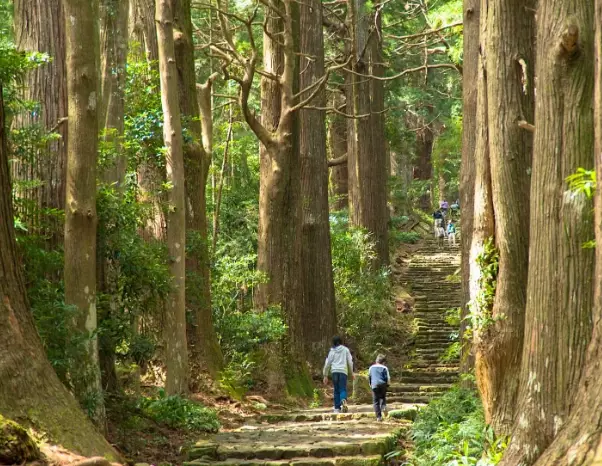

Comments