Most travelers to Japan stick to the golden route: Tokyo, Kyoto, Osaka. They see the neon and the temples, snap photos of Mount Fuji, and leave thinking they've seen it all. They haven't. Shikoku, the smallest of Japan's four main islands, is where the country's soul feels most palpable. It's not a place you "fit in" between bullet train rides; it's a destination that demands you slow down. We're talking about misty gorges you can have to yourself, a 1,200-kilometer pilgrimage walked for over a thousand years, and udon noodles so good they'll ruin all other udon for you. Forget the crowds. This is the Japan you imagine but rarely find.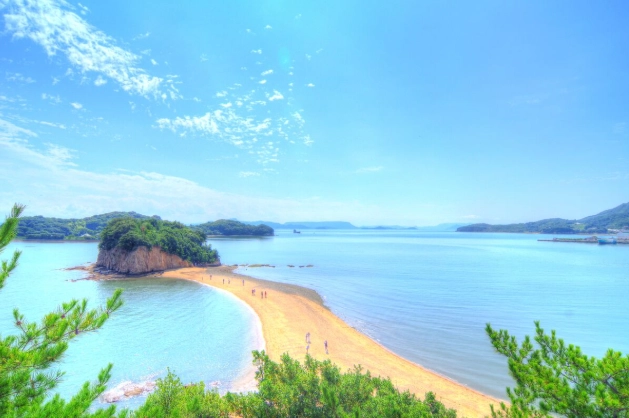
In This Guide: Your Shikoku Journey Mapped Out
Top 5 Must-Visit Destinations in Shikoku
Shikoku is divided into four prefectures, each with a distinct flavor. Trying to see it all in a few days is a classic mistake. Focus on one or two areas for a richer experience.
1. The Iya Valley (Tokushima Prefecture)
This is Japan's answer to the Scottish Highlands, but with deeper ravines and vine bridges. The Iya Valley feels remote, almost mythical. The main attraction is the Kazurabashi (Vine Bridge). It's exactly what it sounds like—a bridge woven from mountain vines. Crossing it is a wobbly, thrilling experience. Don't just cross and leave. Hike the path on the other side for stunning views back down the valley.
Kazurabashi (Vine Bridge) Info:
Address: 162-2 Zentoku, Miyoshi, Tokushima 778-0102.
Admission: 550 yen for adults.
Hours: Sunrise to sunset (typically 8:00 AM - 5:00 PM, varies seasonally).
Getting There: It's a challenge. The most flexible way is by rental car from Takamatsu or Tokushima city (approx. 2-hour drive). Public bus access is limited and infrequent—check schedules on the Japan Guide website meticulously.
2. Kotohira & Konpira-san (Kagawa Prefecture)
Home to Kotohira-gu Shrine (Konpira-san), a Shinto shrine dedicated to the protector of sailors. The climb is legendary: 785 stone steps to the main hall, and another 583 if you're feeling brave to reach the inner shrine. The view over the Sanuki plain is your reward. The town below, Kotohira, is charming and retains an old-world feel. This is also deep in udon country.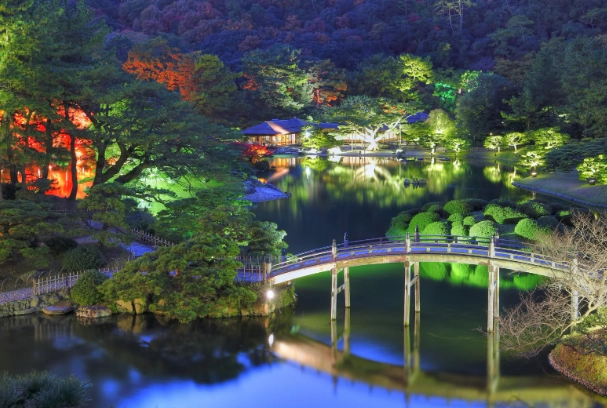
Kotohira-gu Shrine (Konpira-san) Info:
Address: 892-1 Kotohira, Nakatado District, Kagawa 766-8501.
Admission: Free to enter the shrine grounds. The Treasure Hall costs 800 yen.
Hours: Shrine grounds are always open. Treasure Hall 8:30 AM - 4:30 PM.
Getting There: Direct trains from Takamatsu Station on the JR Dosan Line (about 1 hour). The station is a short walk from the base of the steps.
3. The Shimanto River (Kochi Prefecture)
Called "Japan's last clear stream," the Shimanto is famous for having no dams. The scenery is gentle and beautiful. You can drive along it, stopping at iconic chinkabashi (submersible bridges) that disappear underwater during floods. The best way to experience it is by renting a canoe or taking a riverboat cruise from Nakamura City. It's peaceful, green, and a world away from urban Japan.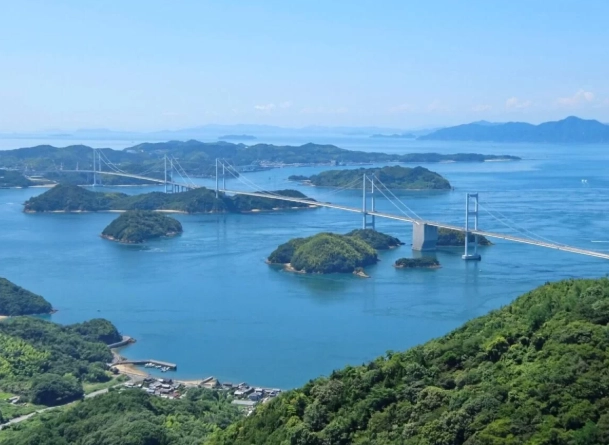
4. Matsuyama & Dogo Onsen (Ehime Prefecture)
Shikoku's largest city, Matsuyama, is wonderfully manageable. The star is Matsuyama Castle, one of Japan's few original castles (not a concrete reconstruction). You can take a chairlift up. But the real gem is Dogo Onsen Honkan, a magnificent wooden public bathhouse that's over 100 years old and famously inspired the bathhouse in Studio Ghibli's "Spirited Away." Go for the history, not for luxury—it's a functional, communal experience.
5. The Naruto Whirlpools (Tokushima Prefecture)
Where the Seto Inland Sea meets the Pacific Ocean, massive tidal whirlpools form. You can view them from the Uzunomichi Walkway under the Naruto Bridge (free) or take a sightseeing boat that gets you right beside them. Check the tidal timetable—they're only impressive during spring tides.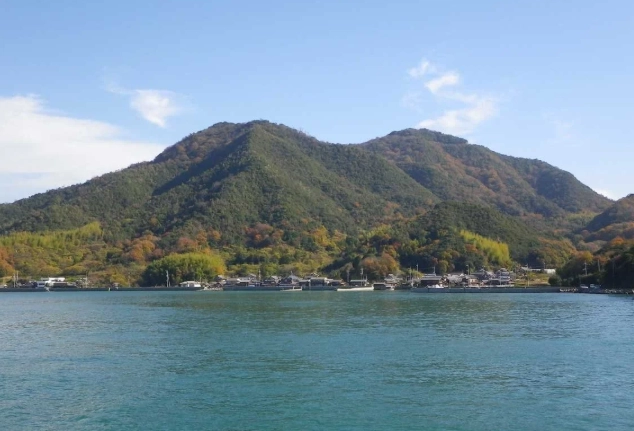
How to Plan Your Shikoku 88 Temple Pilgrimage
The Shikoku 88 Temple Pilgrimage (Shikoku Henro) is the island's spiritual backbone. Walking the entire 1,200km loop takes about 40-60 days. Most visitors aren't doing that. The smart approach is to experience a segment.
The biggest mistake beginners make? Thinking they need to be Buddhist or ultra-fit to participate. You don't. Many modern henro (pilgrims) walk for personal reflection, challenge, or cultural immersion.
Here’s how to tackle a short segment:
Choose a Starter Section: The first 20 temples in Tokushima (the "Hosshin no Dōjō" or "Place of Awakening") are popular. The stretch between Temples 84 (Yashima-ji) and 88 (Ōkubo-ji) in Kagawa is relatively short and flat. Temple 45 (Iwaya-ji) in Ehime involves a beautiful mountain climb but is doable as a day hike.
Get the Gear (Minimally): At the very least, get a nōkyōchō (stamp book) and a henro outfit—the white vest (hakui) and conical hat (sugegasa). It signals your intent and often triggers incredible kindness (o-settai) from locals, like free fruit, drinks, or even a lift.
Use Public Transport Realistically: The official pilgrimage is walked, but for a taste, it's perfectly acceptable to use trains or buses to get between temple clusters. The Shikoku 88 Temple Pilgrimage official site has detailed maps and transport notes.
I walked a 5-day section last fall. The physical challenge was real, but the silence, the rhythm of walking, and the spontaneous chat with a farmer who gave me a mikan (mandarin) were what I remember most. It wasn't just sightseeing; it was feeling the place.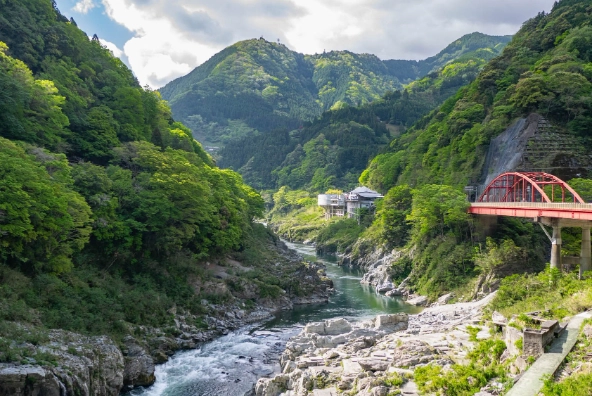
Where to Stay in Shikoku: Accommodation for Every Budget
Forget big international chains. Shikoku is about family-run inns, historic ryokan, and unique lodgings.
| Property | Location | Type & Vibe | Price Range (per night) | Why Stay Here? |
|---|---|---|---|---|
| Dogo Onsen Honkan Annex (Yushinden) | Matsuyama, Ehime | Historic Ryokan | ¥40,000 - ¥60,000+ | Stay in the exclusive, imperial wing of the legendary bathhouse. Pure history. |
| Iya Onsen | Iya Valley, Tokushima | Mountain Ryokan | ¥25,000 - ¥40,000 | Open-air bath perched on a cliffside 170m above the river. Unforgettable views. |
| Hotel AreaOne Takamatsu | Takamatsu, Kagawa | Modern Business Hotel | ¥8,000 - ¥12,000 | Great value, super clean, right next to JR Takamatsu Station. Perfect base. |
| Shimanto River Hotel | Nakamura, Kochi | Riverside Hotel | ¥12,000 - ¥18,000 | Simple but comfortable rooms with balconies overlooking the clear Shimanto River. |
| Guesthouses & Minshuku | All over (esp. pilgrimage routes) | Family-run Guesthouse | ¥5,000 - ¥8,000 (with meals) | For authentic interaction and home-cooked meals. Look for the 民宿 sign. |
Booking Tip: For ryokan and unique places, use Japanese platforms like Jalan or Rakuten Travel. You'll find more options and sometimes better prices than on international sites.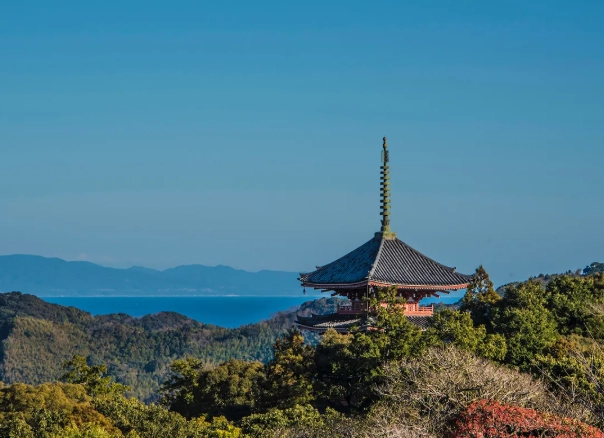
What to Eat in Shikoku: A Food Lover's Guide
Each prefecture has a proud culinary identity. This isn't generic Japanese food.
Kagawa = Udon Kingdom. Sanuki udon is famous for its square, flat, chewy noodles. Skip the fancy places in the guidebooks at first. Look for a small, locals-only shop with a plastic curtain (noren) and a line. Tamamo-koen Mae near Takamatsu Castle is a classic. Get kake udon (plain in broth) or kamaage udon (noodles dipped in sauce). Expect to pay 400-800 yen for a bowl.
Ehime = Seafood & Citrus. Tai meshi (sea bream rice) is a must-try, often cooked in a donabe (clay pot). Ehime produces more mikan than anywhere else in Japan. The juice is sweeter. Try mikan soft serve everywhere.
Kochi = Bold Flavors. This is the home of katsuo no tataki—bonito seared over straw until the outside is charred and the inside is raw, served with garlic, ginger, and ponzu. It's smoky and incredible. Hit the Hirome Ichiba market in Kochi City for a lively, standing-and-eating experience.
Tokushima = Sudachi & Ramen. The tiny green sudachi citrus is in everything. Tokushima ramen is a local variant: a brown, soy-based broth with pork, raw egg, and often a side of rice. It's hearty and cheap.
My personal rule in Shikoku? If you see a shop selling something you don't recognize, just point and order. The worst that happens is you get a story.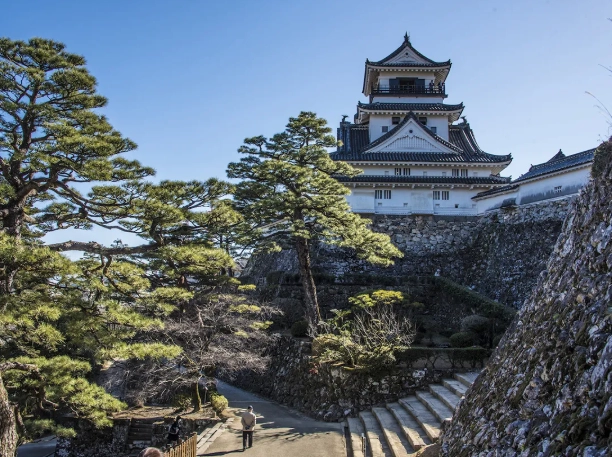
Essential Shikoku Travel Tips
Getting Around: A rental car is king for exploring valleys and coasts. Companies like Toyota Rent-a-Car have English sites. For cities and major sights, trains and buses work, but schedules in rural areas can be sparse. The All Shikoku Rail Pass (3, 4, 5, or 7 days) is worth it if you're moving between prefectures by train.
When to Go: Spring (April-May) and autumn (October-November) are ideal. Summer (June-August) is brutally hot and humid, especially inland. Winter is mild on the coast but cold in the mountains.
Connectivity: Free WiFi is less common than in Tokyo. Rent a pocket WiFi or get a Japanese SIM card for reliable navigation.
Pace Yourself: Don't try to "do" all four prefectures in four days. Pick two bases, like Takamatsu and Matsuyama, and explore outward. The magic is in the slow discovery.
Shikoku Island FAQs
I've heard Shikoku island is boring compared to Honshu. Is that true?
It depends on what you find "boring." If your ideal trip is non-stop shopping, nightlife, and ticking off world-famous landmarks, then Shikoku might feel quiet. But if you find crowds exhausting and crave natural scenery, unique cultural experiences (like the pilgrimage), and interacting with locals who aren't jaded by tourism, Shikoku is the opposite of boring. It's engaging in a deeper, slower way.
What's the biggest mistake people make when planning a Shikoku itinerary?
Underestimating travel times and overestimating public transport. People see it's a small island on a map and think they can day-trip from Takamatsu to the Iya Valley and back easily. You can't. The Iya Valley is a full-day commitment from Takamatsu, even by car. The train network doesn't go deep into the most scenic areas. Build your itinerary around 2-3 key bases and allocate generous time for moving between them.
Can I experience the Shikoku 88 Temple Pilgrimage without walking for weeks?
Absolutely. The most practical way is a "bus henro" tour or self-guided day trips. Many tour companies offer day trips from cities like Takamatsu or Tokushima that visit 5-10 temples by bus. Alternatively, use public transport to reach a cluster of temples (like the first few in Tokushima or the last few in Kagawa) and walk between just those. You still get the ritual of collecting stamps (nōkyō) and the atmosphere without the multi-week commitment.
Is Shikoku good for a family trip with young kids?
It can be, with the right focus. The long hikes and remote valleys might be tough with toddlers. Instead, base yourself in Matsuyama (with its castle and easy-to-reach Dogo Onsen) or Takamatsu. Visit family-friendly spots like Ritsurin Garden in Takamatsu (one of Japan's best strolling gardens), take a short boat trip to see the Naruto whirlpools, or enjoy a gentle river cruise on the Shimanto. The pace is slower, which can be less stressful than navigating Tokyo crowds with kids.
How many days do I need in Shikoku to get a real feel for it?
Five days is the minimum to scratch the surface without just rushing through. With five days, you could spend two nights in Takamatsu (exploring the city, Ritsurin, Kotohira) and two nights in Matsuyama (castle, Dogo Onsen), with a travel day between them. A week to ten days allows you to add a night in the Iya Valley or along the Shimanto River, which is where you truly start to understand Shikoku's unique character.

Comments