Quick Navigation
- Getting There: Your Kawagoe Day Trip Transportation Cheat Sheet
- When to Go: Timing Your Kawagoe Day Trip Perfectly
- The Heart of the Journey: Must-See Spots on Your Kawagoe Day Trip
- Fueling Your Adventure: The Kawagoe Day Trip Food Guide
- Crafting Your Perfect Kawagoe Day Trip Itinerary
- Questions You Might Be Asking (The FAQ Section)
- Final Thoughts Before You Go
Honestly, the first time someone told me to go to Kawagoe for a day, I was skeptical. Another "old town" near Tokyo? How different could it be? But let me tell you, I was completely wrong. A Kawagoe day trip isn't just a visit; it's a full-blown, time-traveling escape that drops you right into the Edo period, with the added bonus of fantastic snacks. It’s the perfect antidote to Tokyo's neon buzz.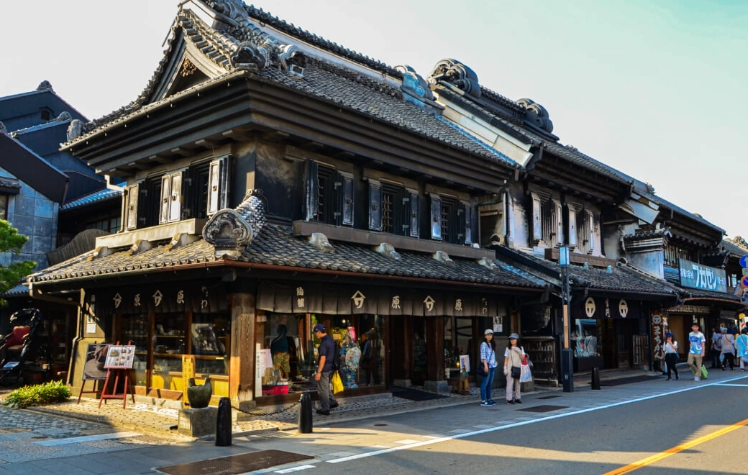
People call it "Little Edo" (Koedo) for a reason. After the Great Fire of Meireki in 1657, the Tokugawa shogunate mandated fireproof clay-walled warehouses, or kurazukuri. Kawagoe, being a major supplier to Edo (old Tokyo), built a ton of them. While much of old Tokyo was lost to fires and war, Kawagoe's main street survived. Walking down it feels like you've stumbled onto a preserved film set, but one where people actually live and work. It’s authentic in a way many restored towns aren't.
Why a Kawagoe Day Trip Makes Sense: It's incredibly accessible from central Tokyo (about 30-60 minutes), compact enough to see the highlights in a day, offers a distinct historical and cultural experience you can't get in the city, and is a paradise for foodies. Whether you're a history buff, a photography enthusiast, or just someone who wants a break from the skyscrapers, this place ticks all the boxes.
Getting There: Your Kawagoe Day Trip Transportation Cheat Sheet
This is arguably the easiest part of planning your Kawagoe day trip. You have a couple of great options, and the best one depends on your budget and whether you have a JR Pass.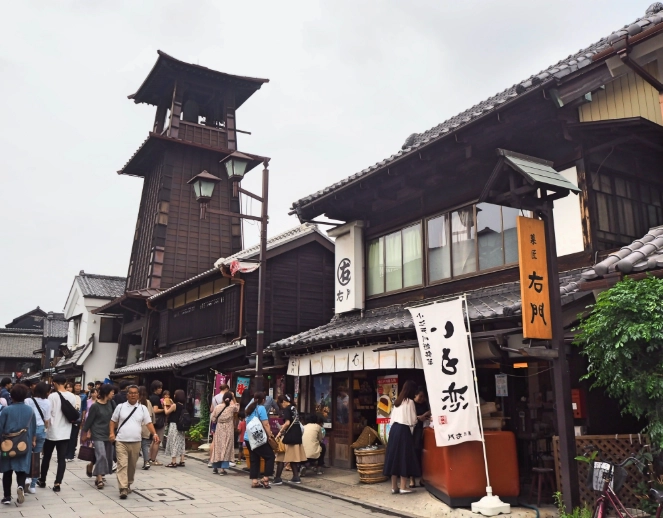
From Ikebukuro Station (my preferred starting point), you have two main lines. The Tobu Tojo Line is a private railway. It's fast, frequent, and drops you at Kawagoe Station (Tobu). The other option is the JR Kawagoe Line, which is covered by the Japan Rail Pass. It's a bit slower and more local-feeling, ending at Kawagoe Station (JR). Both stations are a pleasant 15-20 minute walk from the main historic area, or you can hop on a bus.
But here's a local tip I wish I knew earlier: consider the Seibu Shinjuku Line from Seibu Shinjuku Station. It goes to Hon-Kawagoe Station, which is actually closer to the Kurazukuri Street than the other two stations. It's a slightly more local experience and can be less crowded. Check the handy Seibu Railway tourist page for pass options that might save you money on a round trip.
| Route | Starting Station | Line | Travel Time | Key Advantage | Approx. Cost (One Way) |
|---|---|---|---|---|---|
| Option A (Fast & Direct) | Ikebukuro | Tobu Tojo Line (Express) | ~30 mins | Speed & frequency | ¥500 |
| Option B (JR Pass Friendly) | Ikebukuro / Shinjuku | JR Saikyo/Kawagoe Line | ~45-60 mins | Free with JR Pass | ¥500-600 (Free w/Pass) |
| Option C (Closer to Old Town) | Seibu Shinjuku | Seibu Shinjuku Line (Express) | ~45 mins | Drops you at Hon-Kawagoe, a shorter walk | ¥500 |
Once you're in Kawagoe, walking is the best way to explore the core area. The main sights are clustered together. There's also a retro-looking "Kawagoe Kuru Kuru Bus" that loops around the major tourist spots. A one-day pass is cheap and saves your feet, especially on a hot day. You can find the latest route map and fares on the official Kawagoe City Tourism Association website.
My Personal Take: I've taken all three routes. For pure efficiency, the Tobu Line from Ikebukuro can't be beat. But if you're not in a rush, arriving at Hon-Kawagoe via Seibu gives you a more gradual, local immersion as you walk into the old town. Try different routes if you go twice!
When to Go: Timing Your Kawagoe Day Trip Perfectly
You can enjoy a Kawagoe day trip year-round, but the vibe changes dramatically with the seasons.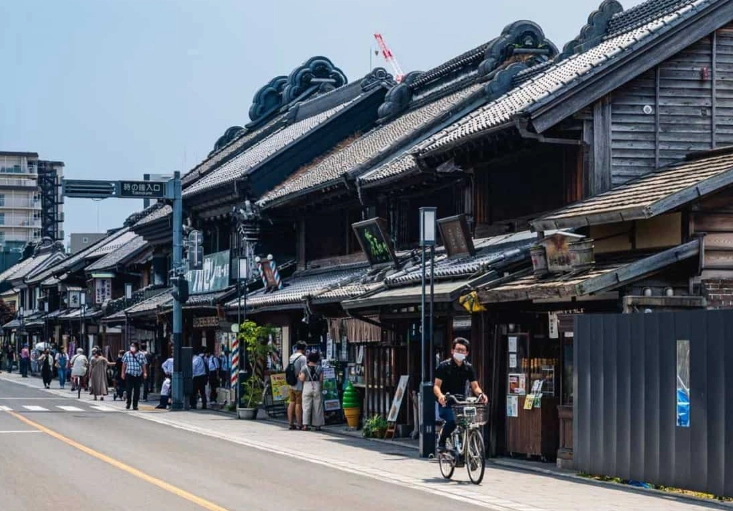
Spring (March-May) is gorgeous, with cherry blossoms along the Shingashi River and in Kita-in Temple. The weather is mild, but this is also peak tourist season, so weekends can get packed.
Summer (June-August) is hot and humid. The upside? Lively festivals. The downside? Walking on exposed streets can be exhausting. Hydrate like it's your job.
Autumn (September-November) is my absolute favorite. The crowds thin a bit, the heat breaks, and the fall colors against the dark kurazukuri walls are stunning. The light is perfect for photography.
Winter (December-February) is cold but has its own charm. The streets are quieter, and you might see beautiful illuminations. Just bundle up.
Now, about crowds. Avoid national holidays and rainy weekends if you can. A Tuesday or Wednesday in autumn? Perfection. The stores all open around 9:30 or 10 am. If you want photos of the empty street (a rarity), aim to arrive right as things are opening. By noon, the main drag is bustling.
The Heart of the Journey: Must-See Spots on Your Kawagoe Day Trip
Okay, let's get to the good stuff. What do you actually do on a Kawagoe day trip? Here’s the breakdown, moving from the iconic to the interestingly obscure.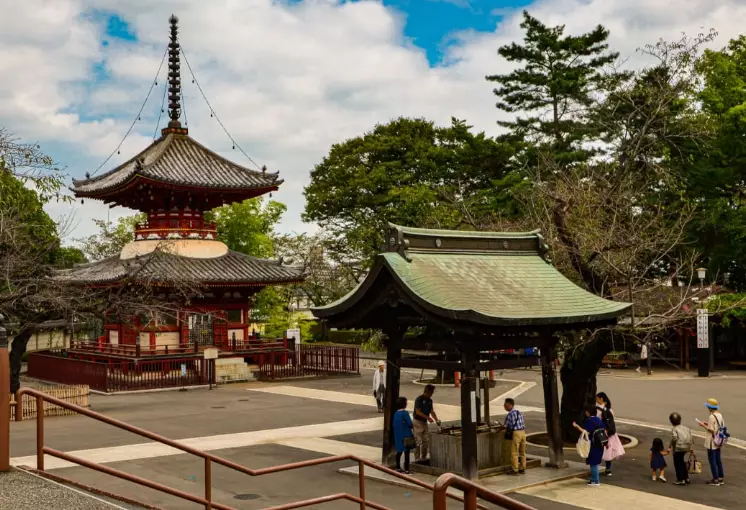
Kurazukuri no Machinami (The Clay-Walled Warehouse Street)
This is the postcard. This 400-meter stretch is the star of the show. The massive, black-tiled, earthen-walled buildings feel imposing and ancient. Some are shops, some are restaurants, some are museums. Don't just walk down the middle of the street. Look up at the intricate lattice work and namako walls (the white-grid pattern on black, meant to be fireproof). Pop into a few. My first time, I just wandered in and out, discovering candy shops, antique stores, and a fantastic knife shop.
It’s touristy, yes. But it’s the real, preserved deal, not a replica. That matters.
Toki no Kane (The Bell of Time)
You'll hear it before you see it. This wooden bell tower is the symbol of Kawagoe. The current structure dates from 1894, after the previous one burned down (a common theme in Japanese history!). It chimes four times a day (6 AM, 12 PM, 3 PM, 6 PM). The 3 PM chime seems to be the one everyone gathers for. Is it a must-see? Sure. Is it life-changing? No. But it’s a nice focal point and a good meeting spot if your group splits up. The area around it is usually the most crowded part of your Kawagoe day trip.
Kashiya Yokocho (Candy Alley)
A block away from the main street, this narrow lane is a burst of color and sugar. Dozens of old-school candy shops sell traditional Japanese sweets, rice crackers, and senbei. The smell is incredible. You can buy giant bags of hard candy for pennies, see sweets being made, and just soak in the nostalgic atmosphere. It feels like stepping into a Miyazaki film. Even if you don't have a sweet tooth, the visual spectacle is worth the detour.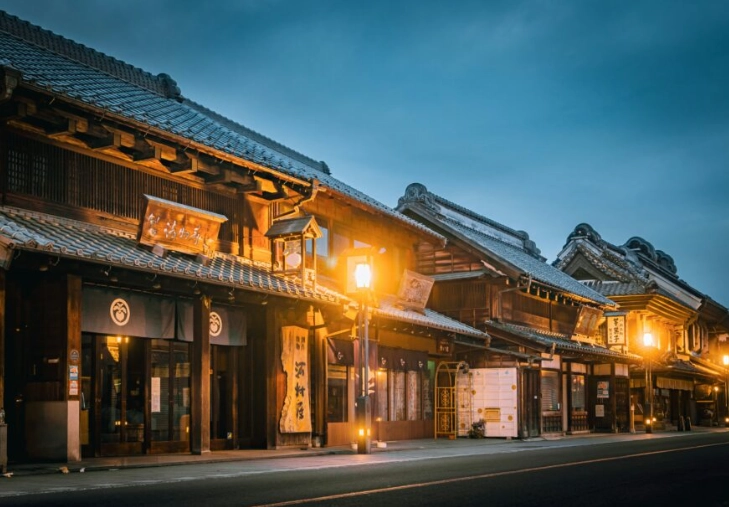
Confession: I find some of the super-sweet traditional candies a bit much. But the freshly grilled age-manju (fried sweet bean paste buns) from one of the stalls? I'll queue for those every single time. Hot, crispy, and not too sweet.
Kawagoe Hikawa Shrine
A short walk from the main street, this shrine is famous for its "enmusubi" (matchmaking) power. But what makes it truly unique are the thousands of colorful ema (votive plaques) shaped like cute cartoon animals (called kawaii ema) and the "Enmusubi Daruma" you can decorate yourself. It's a more playful, interactive shrine experience. They also have a tunnel of about 15 heart-shaped mikuji (fortune) draws. It’s popular with couples and young people. A nice, quieter contrast to the commercial main street.
Kita-in Temple
If you have a bit more time and want deeper history, head to Kita-in. It's about a 10-15 minute walk from the bell tower. This temple has strong connections to the Tokugawa shoguns. The main draw is the Gohyaku Rakan, a collection of over 500 stone statues of Buddha's disciples. No two faces are alike—some are laughing, some thoughtful, some grotesque. It's strangely moving and a bit eerie. The temple grounds also contain a few rooms originally from Edo Castle itself, which is pretty remarkable. This spot adds serious historical heft to your Kawagoe day trip.
Fueling Your Adventure: The Kawagoe Day Trip Food Guide
You cannot, I repeat, cannot do a Kawagoe day trip without eating. It's a key part of the experience. Here’s the hit list.
Unagi (Eel): Kawagoe is famous for its unagi, grilled over a special high heat that makes the skin crispy and the flesh tender. There are several longstanding restaurants along the main street. It's a pricier lunch option but a classic.
Sweet Potato Everything: The region grows sweet potatoes (satsuma-imo). This translates to sweet potato ice cream, sweet potato chips, sweet potato crackers, sweet potato beer (!), and even sweet potato croquettes. The purple ice cream is everywhere and it’s actually delicious—creamy and not artificial tasting.
Kawagoe's Signature Dishes: Look for Kawagoe Ramen (a soy-sauce based ramen, often with a fish broth), and Yaki Tomorokoshi (grilled corn with a sweet soy glaze) from street vendors.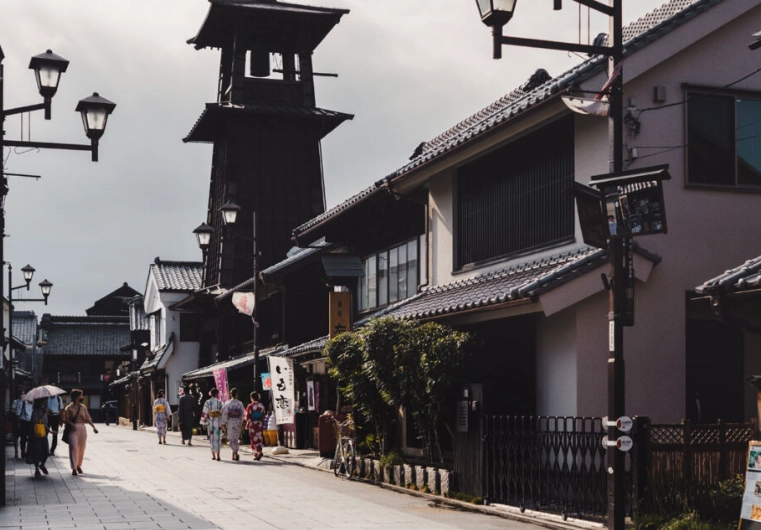
My Top 3 Street Food Picks for a Kawagoe Day Trip:
- Age-manju from Osawa Shoten in Candy Alley: The classic. Fried dough with a red bean paste center. Hot, fresh, and utterly satisfying.
- Sweet Potato Ice Cream: Get the swirl with vanilla. The perfect walking snack. I prefer the ones from smaller shops over the biggest stalls.
- Grilled Mochi on a Stick: You'll see it glistening with soy sauce. Chewy, savory, and simple. Great for a quick energy boost.
For a sit-down meal, the side streets off the main drag have some lovely, quieter cafes and soba shops. If the main street restaurants have long lines (and they often do), wander a block or two away. You'll find gems with no wait.
Crafting Your Perfect Kawagoe Day Trip Itinerary
Let’s put it all together. Here are two sample itineraries—one for the first-timer who wants the classics, and one for a more relaxed, deeper dive.
The Classic First-Timer's Kawagoe Day Trip (The Highlights Blitz)
This is for you if you want to see all the famous spots and don't mind a bit of a pace.
10:00 AM: Arrive at Kawagoe Station (Tobu or JR). Walk or take the bus to the Kurazukuri area.
10:30 AM: Start at the end of Kurazukuri Street near the Taisho-Roman Dream Street (a cool area with Taisho-era buildings) and begin walking down the main strip. Browse the shops, take photos.
12:00 PM: Arrive at Toki no Kane. Listen for the chimes if timing works. Grab some street food for a snack.
12:30 PM: Dive into Kashiya Yokocho (Candy Alley). Load up on souvenirs and snacks.
1:30 PM: Lunch time. Try an unagi restaurant or find a cozy soba place.
2:30 PM: Walk to Kawagoe Hikawa Shrine. Explore the playful grounds.
3:30 PM: If energy permits, make the walk to Kita-in Temple to see the Rakan statues. If not, do some final shopping on the main street.
5:00 PM: Head back to the station, maybe with a sweet potato dessert for the ride.
The Leisurely Explorer's Kawagoe Day Trip (Slow & Savored)
This is more my style now. It assumes you might arrive a bit later and want to linger.
11:00 AM: Arrive at Hon-Kawagoe Station (Seibu Line). Walk slowly towards the old town, exploring side streets.
11:45 AM: Start with Kawagoe Hikawa Shrine before the main street gets too busy.
12:45 PM: Get lunch at a lesser-known cafe or restaurant off the beaten path.
2:00 PM: Meander down Kurazukuri Street, going into any museum or shop that catches your eye (the Kawagoe Festival Museum is small but cool if you're into floats).
3:30 PM: Hit Candy Alley for an afternoon sugar rush. Then find a coffee shop to sit and people-watch.
4:30 PM: As the day-tripper crowds start to thin, enjoy the softer light on the old buildings. Do last-minute shopping.
6:00 PM: Have an early, relaxed dinner before catching the train back to Tokyo.
See? A Kawagoe day trip can be whatever you want it to be.
Questions You Might Be Asking (The FAQ Section)
Final Thoughts Before You Go
A Kawagoe day trip succeeds because it delivers exactly what it promises: a vivid, accessible, and delicious slice of old Japan. It’s not a hidden secret anymore, but its popularity is earned. The preservation is remarkable, the food is fantastic, and the contrast to Tokyo is sharp and refreshing.
My last piece of advice? Don't treat it like a checklist. Don't rush from point A to B to C. The magic of Kawagoe is in the slow discovery—the smell of grilling mochi, the feel of the rough clay walls, the sound of the bell mixing with modern laughter. Let yourself get a little lost in the side alleys. Buy a silly souvenir. Sit on a bench and just watch the world go by in this little pocket of the past.
That’s how you turn a simple Kawagoe day trip into a memory that sticks with you long after you've returned to Tokyo's future.
For the most current event info and detailed maps, always double-check the official Japan National Tourism Organization (JNTO) page on Kawagoe. They have reliable, up-to-date information for international travelers.



Comments