Jump to What Matters
I first visited Kanazawa on a whim, thinking it would be a quiet side trip from Tokyo. Boy, was I wrong. This city on Japan's west coast packs a punch with its preserved Edo-era districts, world-class gardens, and a food scene that rivals Osaka's. If you're searching for "kanazawa japan," you're probably wondering if it's worth the detour. Let me cut to the chase: yes, but only if you know how to navigate its quirks. Most guides regurgitate the same spots, but after spending weeks there, I've found that the magic lies in the details—like visiting Kenrokuen Garden at dawn to avoid the tour buses or knowing which sushi stalls in Omicho Market actually deserve the hype.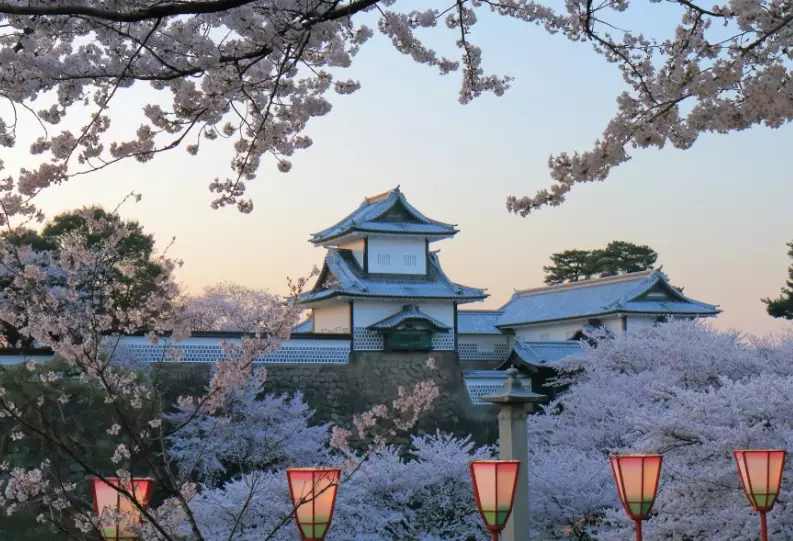
Why Kanazawa Should Be on Your Japan Itinerary
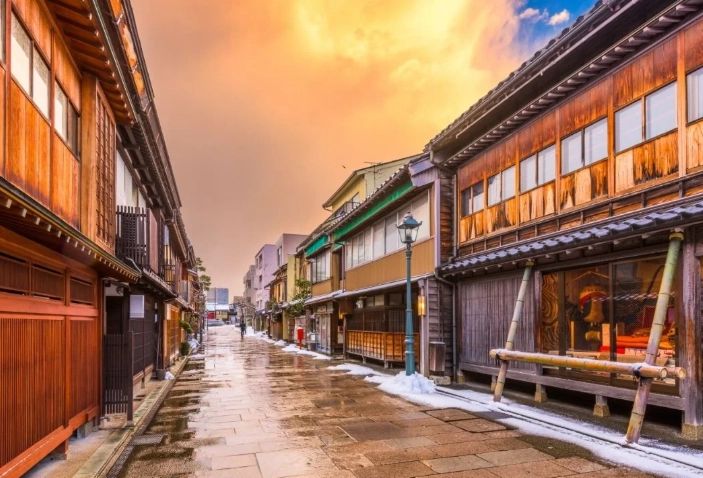
Kanazawa often gets overshadowed by Kyoto, but that's precisely its appeal. While Kyoto battles overtourism, Kanazawa offers a slower, more authentic slice of Japanese culture. The city survived World War II bombings, so its historical areas like Higashi Chaya District are remarkably intact. According to the Japan National Tourism Organization, Kanazawa's visitor numbers have grown steadily, but it still feels manageable compared to major hubs. The local government has invested in infrastructure, making it easy to get around via buses and a loop line bus specifically for tourists. But here's a non-consensus point: many travelers make the mistake of treating Kanazawa as a day trip. You'll need at least two days to soak it in properly, especially if you want to explore beyond the top sights.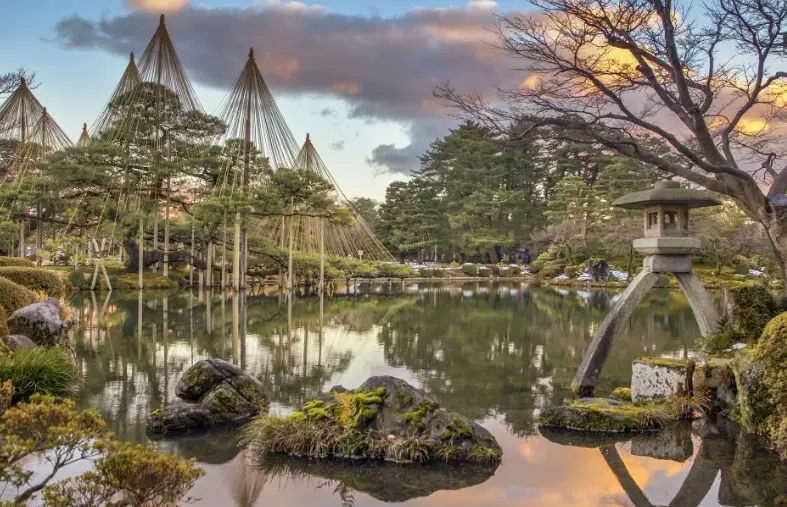
Must-See Attractions in Kanazawa: From Classics to Hidden Spots
Let's get practical. Kanazawa's attractions are clustered, but timing is everything. I've seen too many people rush through Kenrokuen at noon, only to complain about crowds. Instead, plan around opening hours and local events.
Kenrokuen Garden: Timing Your Visit Right
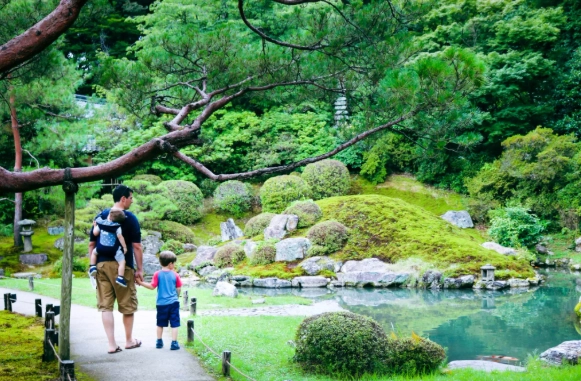
Kenrokuen is one of Japan's three great gardens, and it's stunning. But go early. The garden opens at 7 AM (5 AM during special summer hours), and that first hour is golden—you'll have the place almost to yourself. Admission is 320 yen for adults, and it's located at 1-1 Marunouchi, Kanazawa. From Kanazawa Station, take the Hokutetsu bus to Kenrokuen-shita stop; it's about 15 minutes. Pro tip: skip the paid tea houses inside and head to a local café nearby for better value.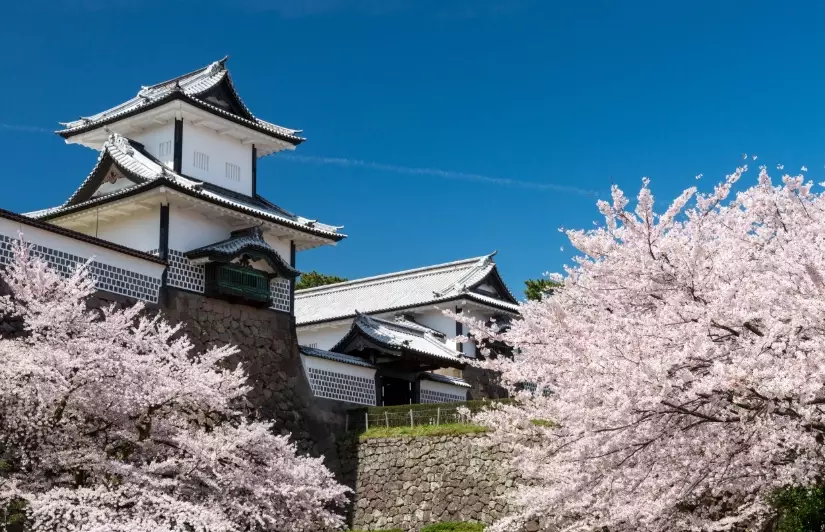
Kanazawa Castle: History Without the Crowds
Right next to Kenrokuen, Kanazawa Castle offers free entry to the park, with a 320 yen fee for the interior exhibits. Address: 1-1 Marunouchi, Kanazawa. Open 9 AM to 4:30 PM. Most visitors stick to the main keep, but the reconstructed Hishi Yagura turret offers quieter views. I found that the castle grounds are less crowded in the late afternoon, especially on weekdays.
Here's a quick table to summarize key attractions with essential details:
| Attraction | Address | Admission | Hours | Best Time to Visit |
|---|---|---|---|---|
| Kenrokuen Garden | 1-1 Marunouchi | 320 yen | 7 AM-6 PM (varies by season) | Early morning or late afternoon |
| Kanazawa Castle | 1-1 Marunouchi | Free park, 320 yen for exhibits | 9 AM-4:30 PM | Weekday afternoons |
| Higashi Chaya District | Higashiyama | Free to walk, fees for some tea houses | Always open, shops 9 AM-5 PM | Morning to avoid tour groups |
| 21st Century Museum of Contemporary Art | 1-2-1 Hirosaka | Free for grounds, 450 yen for exhibitions | 10 AM-6 PM (closed Mondays) | Weekdays |
Don't miss the Nagamachi Samurai District. It's free to wander, but the Nomura Samurai House charges 550 yen. Address: 1-3-32 Nagamachi. Open 8:30 AM to 5:30 PM. The narrow lanes here feel frozen in time, but go on a weekday—weekends get packed with photography tours.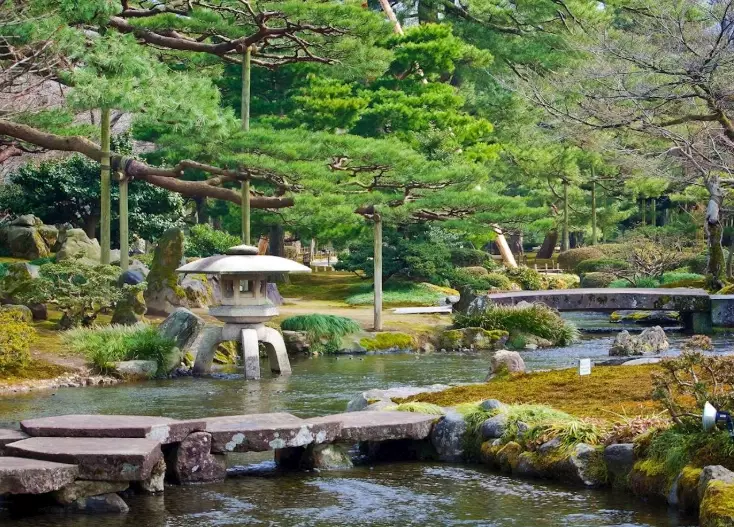
Eating in Kanazawa: Where Locals Go for Seafood and Sweets
Kanazawa's food is legendary, especially its seafood from the Sea of Japan. Omicho Market is the heart of it, but not all stalls are created equal. Many tourists flock to the front-row sushi spots, but I learned that the smaller stalls in the back offer fresher fish at lower prices. For example, try Sushi Ippei (address: Omicho Market, stall 45)—it's cramped, but the kaisendon (seafood bowl) costs around 1,500 yen and beats anything near the entrance. Open 8 AM to 5 PM, closed Wednesdays.
For a sit-down meal, head to Curio Espresso and Vintage in the Katamachi area. It's not traditional Japanese, but their lunch sets (around 1,200 yen) are a welcome break from rice and fish. Address: 2-30-21 Katamachi. Open 11 AM to 10 PM. Locals love it for its relaxed vibe.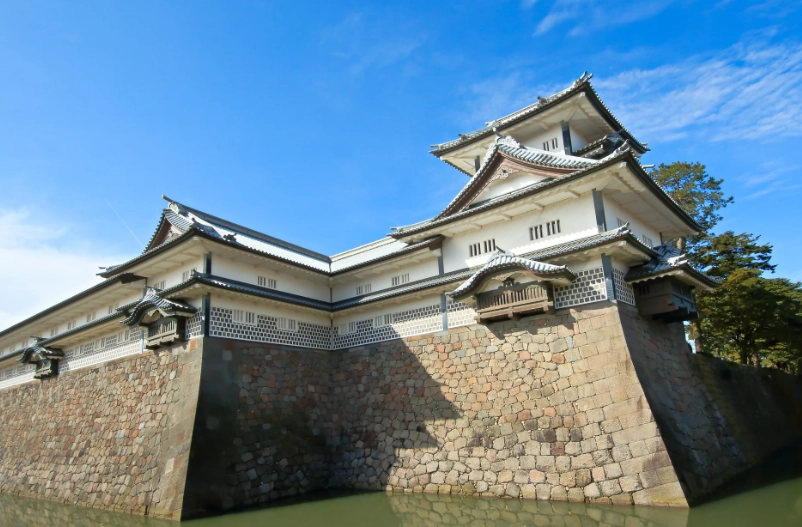
Kanazawa is also known for gold leaf. You'll see it on everything from ice cream to cosmetics. Hakuichi (address: 1-1-1 Kenroku-machi) sells gold leaf soft serve for 900 yen—it's gimmicky but fun. Open 9 AM to 6 PM. My advice: share one; it's too sweet to finish alone.
Insider Tip: Avoid eating in Omicho Market during lunch rush (12-1 PM). The lines can be insane. Instead, go around 11 AM or 2 PM. Also, many restaurants close early, around 8 PM, so plan dinners ahead.
Where to Stay in Kanazawa: Neighborhoods and Hotels for Every Budget
Choosing where to stay in Kanazawa depends on your priorities. The city is compact, but neighborhoods have distinct vibes.
- Near Kanazawa Station: Best for convenience. Hotels like the Hotel Nikko Kanazawa (address: 2-1-1 Horikawa-shinmachi) offer rooms from 12,000 yen per night. It's modern and connected to the station, but lacks charm.
- Higashi Chaya Area: Ideal for atmosphere. Try the Sumiyoshiya Ryokan (address: 1-13-22 Higashiyama), a traditional inn with rates from 20,000 yen including breakfast. The downside: it's farther from public transport, so you'll walk more.
- Katamachi: The nightlife hub. For budget travelers, Kanazawa Guesthouse Pongyi (address: 2-4-18 Katamachi) has dorm beds from 3,000 yen. It's noisy but social.
I stayed at a business hotel near the station and regretted it—the area felt sterile. Next time, I'd splurge on a ryokan in Higashi Chaya for the full experience. Book early, especially during peak seasons like cherry blossom (late March to April) or autumn foliage (November).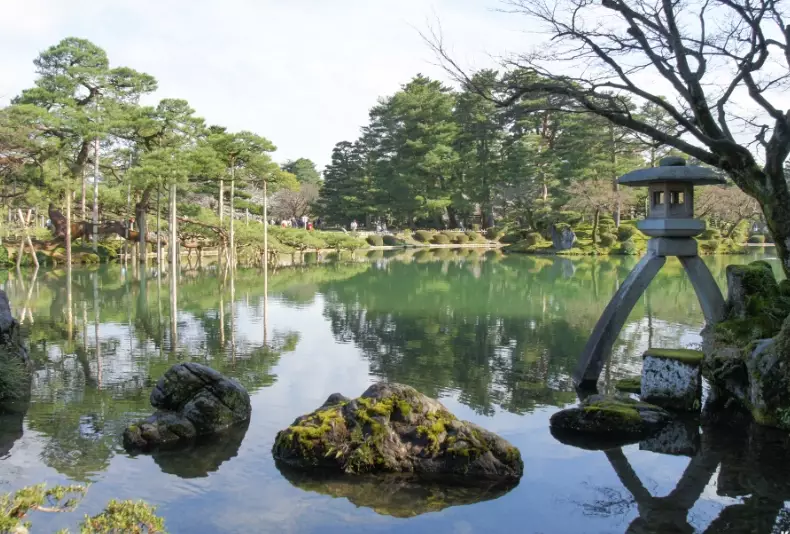
How to Plan Your Kanazawa Itinerary: 1-Day to 3-Day Options
Most visitors ask, "How many days do I need?" Here's a sample based on my own trips.
1-Day Itinerary (Rushed but doable): Start at Kenrokuen Garden at opening, then Kanazawa Castle. Grab lunch at Omicho Market. Afternoon in Higashi Chaya District, and end at the 21st Century Museum. You'll miss the samurai district, but it covers highlights.
2-Day Itinerary (Recommended): Day 1: Kenrokuen, Kanazawa Castle, and Nagamachi Samurai District. Day 2: Omicho Market for breakfast, Higashi Chaya District, and a half-day trip to the Myoryuji Temple (Ninja Temple)—it requires advance booking, so plan ahead.
3-Day Itinerary (Leisurely): Add a day for deeper exploration. Visit the D.T. Suzuki Museum for meditation (450 yen, address: 3-4-20 Honda-machi), and take a bus to the coastal area like Uchinada for a quieter beach experience. The Kanazawa City Loop Bus is your friend—a day pass costs 500 yen and covers most sights.
Transport tip: From Kanazawa Station, the Hokutetsu bus lines are efficient. Taxis are pricey, so stick to buses or rent a bicycle for around 1,000 yen per day.
FAQ: Solving Common Kanazawa Travel Dilemmas
Kanazawa isn't just a checklist of sights; it's a city that rewards slow travel. Whether you're here for the history, food, or just to escape the bustle, planning with these insights will make your trip smoother. Remember, the best moments often happen off-script—like stumbling upon a local festival or chatting with a shopkeeper in the samurai district. So pack light, keep an open mind, and enjoy the ride.

Comments