Explore This Guide
- Why Hokkaido Japan Feels Like a Different Country
- When to Go: There's No "Bad" Season, Just Different Ones
- The Can't-Miss Cities & Towns of Hokkaido
- Hokkaido's Natural Wonders: Where to Go for That "Wow" Moment
- The Hokkaido Food Bible: What to Eat and Where to Find It
- Getting Around Hokkaido: Trains, Buses, and the Car Dilemma
- Budgeting for Your Trip: What Things Really Cost
- Answers to the Questions You're Actually Searching For
Let's be honest. When you think of Hokkaido Japan, you probably picture endless snow, steaming bowls of ramen, and maybe a cute fox or two. That's not wrong. But there's so much more that gets lost in translation. I spent weeks there, got lost on rural roads, ate enough seafood to question my life choices, and froze my toes off at a few too many winter festivals. This guide is the one I wish I had before I went.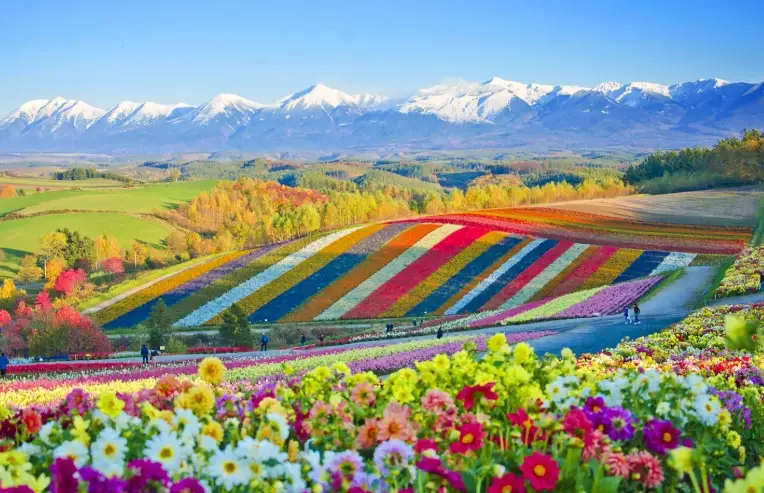
Forget the glossy brochures. We're talking about the real Hokkaido Japan experience—the stunning, the practical, and the occasionally overhyped. Whether you're dreaming of powder snow, flower fields that look photoshopped, or just the freshest crab of your life, let's break it down.
Why Hokkaido Japan Feels Like a Different Country
It's not just the cold. Hokkaido has a vibe all its own. It's younger, wilder, and more spacious than the main island of Honshu. The history is different (the indigenous Ainu culture is a vital part of it), the food is heartier, and the scale of everything—from farms to national parks—is just massive.
You come here for the wide-open spaces. For roads that stretch to the horizon without a convenience store in sight. It's a place to breathe.
The Lay of the Land: Key Regions Demystified
Hokkaido is huge. You can't see it all in one go, so don't try. Focus is your friend.
- Central Hokkaido (道央): This is where most people start. Sapporo, the capital, is here. So is Otaru and the popular ski resort of Niseko. It's the most accessible and has a bit of everything.
- Eastern Hokkaido (道東): This is the wild frontier. Think Shiretoko National Park (a UNESCO site), Kushiro wetlands with the iconic red-crowned cranes, and the otherworldly Lake Akan. It's remote, rugged, and incredibly rewarding if you love nature. Public transport gets tricky here; a car is almost essential.
- Southern Hokkaido (道南): Home to the historic port city of Hakodate, with its famous night view and morning market. It's the gateway from Honshu via the Seikan Tunnel.
- Northern Hokkaido (道北): Head here for the dramatic coastlines of the Shakotan Peninsula and the quiet, rural landscapes. It's less touristy, which is its main charm.
When to Go: There's No "Bad" Season, Just Different Ones
Honestly, your ideal time in Hokkaido Japan depends entirely on what you want to do. The shoulder seasons (late spring and autumn) are magical but short.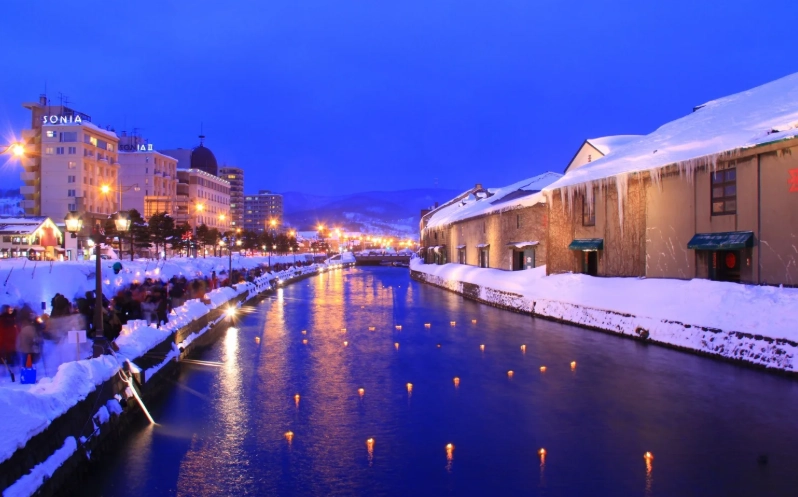
| Season | What to Expect | Best For | My Personal Take |
|---|---|---|---|
| Winter (Dec-Mar) | Heavy snow, festivals (Sapporo Snow Festival!), skiing/snowboarding, onsen (hot springs) steaming in the cold. Temperatures can drop to -15°C (5°F) or lower. | Skiers, festival-goers, onsen lovers, photographers chasing that perfect snowy scene. | It's stunning but brutally cold. Pack serious gear. The days are short. But sitting in an outdoor onsen while snow falls on your head is an unbeatable experience. |
| Spring (Apr-May) | Melting snow, late-season skiing possible in April. May brings lovely greenery and fewer crowds. The famous cherry blossoms bloom here in May (much later than Kyoto). | Hikers who want quiet trails, people who dislike crowds, those chasing late sakura. | A great "secret" season. The weather is unpredictable—sunshine one minute, a blizzard the next. But you have places almost to yourself. |
| Summer (Jun-Aug) | Mild and pleasant (rarely above 30°C/86°F), lush green landscapes, epic flower fields in Furano and Biei. Lavender season peaks in July. Perfect for hiking. | Hikers, cyclists, flower enthusiasts, families escaping the sweltering heat of southern Japan. | This is when Hokkaido Japan truly shines as a hiking paradise. The humidity is low, the skies are big. Book accommodation well in advance, especially in Furano. |
| Autumn (Sep-Nov) | Spectacular fall foliage, especially in Daisetsuzan National Park (which peaks in early September!). Crisp air, harvest season for foodies. Crowds thin out after October. | Leaf-peepers, photographers, food lovers enjoying autumn delicacies like sanma (Pacific saury). | My favorite season. The colors are insane, almost neon. The mosquito season is over. It's perfect for long drives. Just know the foliage moves fast and starts much earlier than in Kyoto or Tokyo. |
See what I mean? Each season in Hokkaido offers a completely different personality. There's no single "best" time.
The Can't-Miss Cities & Towns of Hokkaido
Sapporo: The Lively Capital
Sapporo is a modern, grid-planned city with a youthful energy thanks to its many universities. It's not a "pretty" old-Japan city like Kyoto. Its charm is in its vibrancy and food.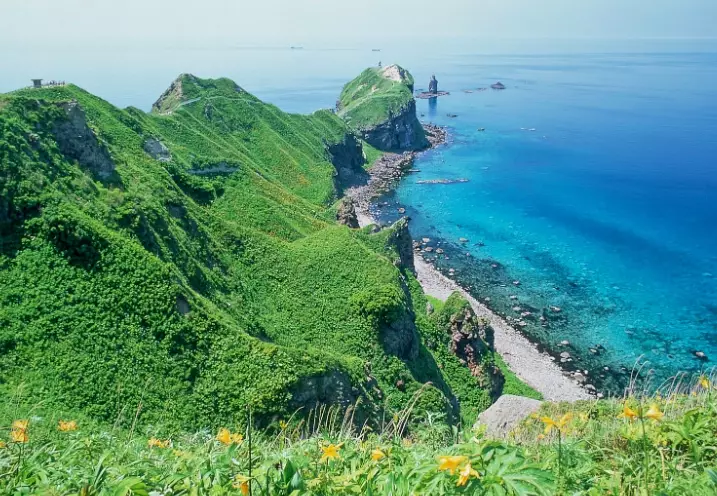
Do Not Leave Sapporo Without:
- Eating at Ramen Alley (Ganso Ramen Yokocho): Tiny, steamy shops serving Sapporo's signature miso ramen. It's a cliché for a reason. Buttery corn and sweet minced pork on rich miso broth? Yes, please.
- Wandering Odori Park: It's the city's green lung. In winter, it transforms for the Sapporo Snow Festival with massive ice sculptures. In summer, it's all beer gardens.
- Visiting the Historical Village of Hokkaido (Kaitaku-no Mura): An open-air museum with preserved Meiji-era buildings. It gives you real context on how Hokkaido Japan was developed. Way more interesting than it sounds.
- Getting the Night View from Mt. Moiwa: You take a cute cable car up. The view over the city lights is romantic and totally worth it, even if it's a bit of a tourist trap.
Otaru: The Picturesque Canal Town
Just a 30-minute train ride from Sapporo, Otaru is famous for its preserved canal area and music box shops. It's charming, yes, but can get overwhelmingly packed with day-trippers, especially on weekends.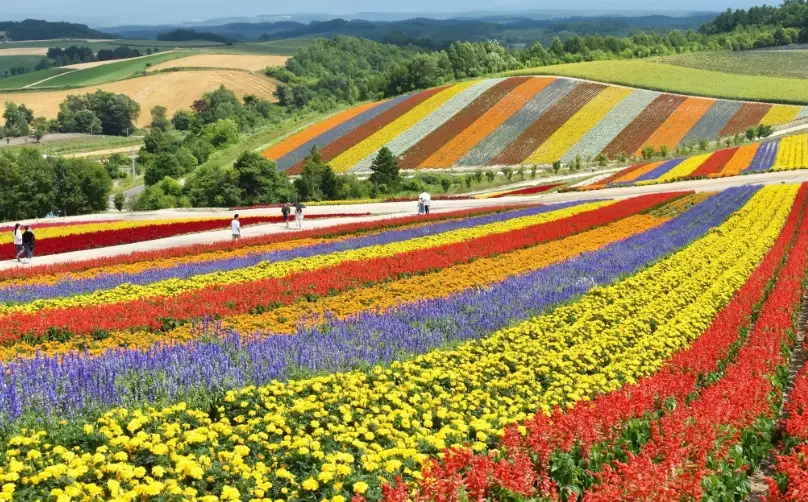
My Advice: Go early in the morning or stay overnight. When the tour buses leave, you get to see the quiet, melancholic beauty of the place. The sushi here is fantastic—the fish comes straight from the port. Try Masazushi or wander the Sankaku Market.
Hakodate: History and a Million-Dollar View
Hakodate feels different. The influence of early foreign traders is visible in the Motomachi district's Western-style buildings and the star-shaped Goryokaku Fort.
The Hakodate Morning Market is a must for breakfast. You can pick your own giant crab and have it cooked on the spot. But the crown jewel is the night view from Mount Hakodate. You take a cable car up, and the city sprawls beneath you in a perfect, glittering curve of land. It's consistently ranked one of the top three night views in Japan, alongside Nagasaki and Kobe. Check the Hakodate Official Travel Guide for cable car times and fees.
It's breathtaking. And yes, it's crowded. Everyone has the same idea.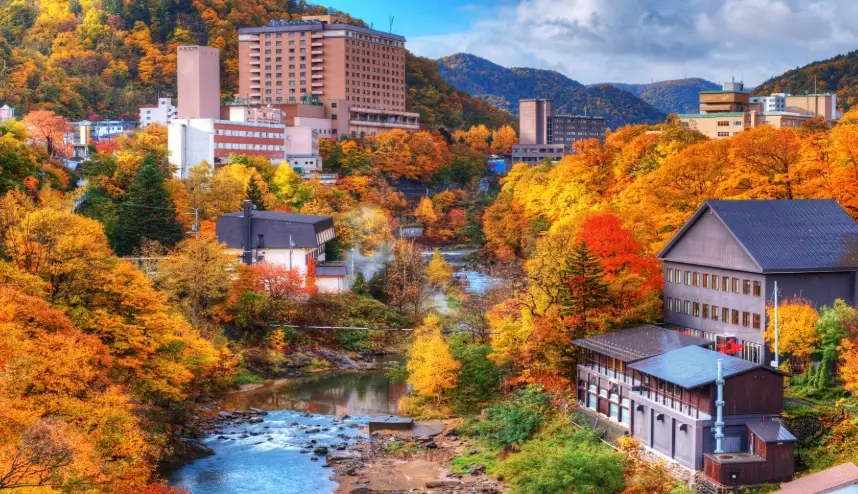
Hokkaido's Natural Wonders: Where to Go for That "Wow" Moment
This is the main event. The cities are fun, but the soul of Hokkaido Japan is outdoors.
The National Parks (You Only Need 2 or 3)
With six national parks, choosing can be paralyzing. Here's my brutally honest ranking based on accessibility and impact.
- Daisetsuzan National Park: Called the "roof of Hokkaido," it's the largest park. It has volcanic peaks, alpine fields, and wild bears. The Asahidake Ropeway gives you easy access to stunning highland hikes. Autumn comes shockingly early here (late August/September).
- Shiretoko National Park: A UNESCO World Heritage site on a remote peninsula. This is for the serious nature lover. You might see brown bears, deer, and killer whales offshore. Take a Shiretoko Cruise to see cliffs and waterfalls from the sea. The town of Utoro is your base. It feels like the edge of the world. Official info is best found on the Japanese Ministry of Environment's Shiretoko page.
- Akan-Mashu National Park: Famous for the mysterious, crystal-clear Lake Mashu (often shrouded in fog) and Lake Akan with its unique marimo moss balls. It has a strong Ainu cultural presence. It's beautiful but can feel a bit… curated for tourists.
Iconic Scenic Spots That Actually Deliver
- Blue Pond (Biei): Yes, the one that became a MacBook wallpaper. The surreal milky-blue color comes from natural minerals. It's a quick stop, not a day trip. Go at sunrise for fewer people and magical light. It's a 10-minute walk from the parking lot.
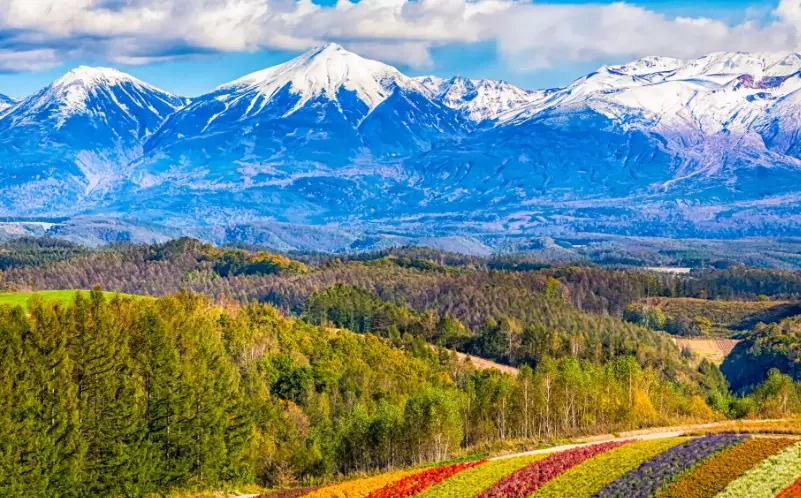
- Shikisai-no-Oka (Biei): Rolling hills of meticulously arranged flower fields. It's like a painter's palette. You can rent buggies or take a tractor cart tour. It's stunningly beautiful, but you have to pay an entrance fee, which feels a bit odd for a field. Still, worth it. Check their official multi-language site for bloom schedules.
- Furano Lavender Fields (Farm Tomita): The poster child of summer in Hokkaido. Endless rows of purple lavender with the Tokachi mountains in the background. The smell is heavenly. The farm is free to enter but gets packed. Go on a weekday morning. Their lavender soft serve ice cream is legendary.
The Hokkaido Food Bible: What to Eat and Where to Find It
Food is a primary reason to visit Hokkaido Japan. The ingredients are fresh, and the portions are no-nonsense.
The Non-Negotiable Dishes
1. Soup Curry: Not your typical Japanese curry. This is a lighter, soupier broth packed with spices, with a giant chicken leg or vegetables. It's addictive. Try Suage+ in Sapporo.
2. Jingisukan (Genghis Khan): Lamb and vegetables grilled on a special dome-shaped skillet. It's Hokkaido's iconic barbecue. The lamb is not typical in other Japanese cuisine.
3. Fresh Seafood: Uni (sea urchin), ikura (salmon roe), crab (kani), and scallops (hotate). Eat it as sashimi, in a donburi (rice bowl), or grilled. The Nijo Market in Sapporo or the Hakodate Morning Market are your temples.
4. Dairy Products: Hokkaido is Japan's dairyland. The milk, soft-serve ice cream, butter, and cheesecake are on another level. Just try it.
5. Ramen: Sapporo = miso ramen. Asahikawa = shoyu (soy sauce) ramen. Hakodate = shio (salt) ramen. Have fun with this delicious research.
Let's talk crab. There are multiple types: king crab (taraba), snow crab (zuwaigani), hairy crab (kegani). King crab legs are the showstoppers—sweet, meaty, and expensive. Snow crab is more delicate and often preferred by locals. A full crab course meal can be a splurge (think $100-$300 per person), but a crab donburi at a market is a more affordable way to taste heaven.
Getting Around Hokkaido: Trains, Buses, and the Car Dilemma
This is the biggest practical hurdle. Hokkaido's public transport network is good in the central and southern parts but gets sparse and infrequent in the east and north.
- Train: The JR Hokkaido network connects major cities. The JR Hokkaido Rail Pass can be economical if you're doing long trips like Sapporo-Hakodate-Sapporo-Asahikawa. Check the official JR Hokkaido site for the latest pass info and schedules. Limited Express trains like the Super Hokuto or Ozora are comfortable and scenic.
- Bus: Essential for reaching many national parks and scenic spots (e.g., buses go to Blue Pond, Shikisai-no-Oka, and Asahidake). They can be infrequent, so plan your day around the timetable.
- Rental Car: This is the key to freedom, especially for Eastern Hokkaido (Shiretoko, Akan) or exploring Furano/Biei at your own pace. You can stop at that random flower field or roadside ice cream stand. Driving is on the left. An International Driving Permit (IDP) is mandatory for most foreign visitors. Winter driving requires extreme caution and a car with proper snow tires.
My rule of thumb: For Central/South (Sapporo, Otaru, Hakodate, maybe Niseko), trains and buses are fine. For anywhere in Eastern Hokkaido or deep nature, rent a car.
Budgeting for Your Trip: What Things Really Cost
Hokkaido isn't the cheapest part of Japan, but it's not Tokyo either. Costs spike in peak winter (ski season) and summer.
| Item | Budget Range | Mid-Range | Notes |
|---|---|---|---|
| Accommodation (per night) | ¥4,000 - ¥7,000 (Hostel, business hotel) | ¥10,000 - ¥20,000 (Nice hotel, ryokan) | Ryokans with kaiseki meals and private onsen can be ¥30,000+. Book months ahead for peak seasons. |
| Meals (per day) | ¥3,000 (Convenience store, cheap ramen) | ¥6,000 - ¥10,000 (Nice restaurant, seafood bowl) | A good sushi/sashimi dinner can easily be ¥5,000+. Market breakfasts are great value. |
| JR Pass (7-day) | ¥24,000 - ¥29,000 (approx.) | Calculate your planned trips on Hyperdia first to see if it saves money. | |
| Rental Car (per day) | ¥6,000 - ¥12,000 (plus gas & tolls) | Much cheaper in low season. Snow tires in winter are non-negotiable and often included. | |
| Ski Lift Pass (Niseko) | ¥7,000 - ¥8,500 (1 day) | It's a premium international resort. Prices reflect that. | |
A comfortable daily budget for a mid-range traveler, excluding flights, is around ¥15,000-¥25,000 per person. This covers a decent hotel, two good meals, local transport, and some attractions.
Answers to the Questions You're Actually Searching For
Let's cut to the chase on some common Hokkaido Japan queries.
Absolute minimum: 5 full days. This lets you see Sapporo, Otaru, and maybe one other nearby spot (like a day trip to Yoichi for whisky). Ideal for a first taste: 7-10 days. This allows for a proper circuit of Central + either South (Hakodate) or a foray into the East. To truly relax and explore deeply, especially if hiking or skiing, 2 weeks is perfect.
Compared to Southeast Asia? Yes. Compared to Tokyo or Kyoto? It can be slightly cheaper for accommodation, but activities (skiing, special tours) and certain foods (premium seafood) can be pricey. Transportation costs add up quickly if you're moving around a lot. It's not a budget backpacker destination, but you can manage costs with smart choices.
Yes, especially in Sapporo, Otaru, Hakodate, and major ski resorts like Niseko where English signage and menus are common. In rural areas and smaller restaurants, it gets harder. But people are incredibly helpful. Learn a few basic phrases (sumimasen, arigatou gozaimasu), use a translation app, and point at pictures. You'll be fine. The language barrier is part of the adventure.
Don't just stand in the cold looking at snow. Participate. Go skiing or snowboarding (even beginners can take lessons). Soak in an outdoor onsen (rotenburo). Attend a winter festival (the Sapporo Snow Festival is the big one, but the Otaru Snow Light Path is more intimate and magical). Eat hot, steaming comfort food. Winter here is an active, cozy season, not just a visual one.
Absolutely. The flower fields are just one part of it. Summer is for hiking in Daisetsuzan or along the Shiretoko trails. It's for cycling around the quiet roads of Biei. It's for kayaking on Lake Akan or watching the red-crowned cranes in Kushiro (yes, some are there year-round). The mild, sunny weather alone is a huge draw if you're coming from a hot, humid climate.
So there you have it. Not just a list of places, but a feel for the place. Hokkaido isn't just a destination; it's an experience of scale, seasons, and incredible food. Do your research, pack for the weather (seriously, pack good layers), and get ready for one of the most memorable trips Japan has to offer.
Comments