If you're thinking about Japan, onsen probably pops into your mind—those steamy hot springs steeped in tradition. But here's the thing: most guides just scratch the surface. After a decade of soaking across Hokkaido to Kyushu, I've seen travelers miss out because they focus only on the hot water. Onsen Japan is about relaxation, sure, but it's also a window into culture, history, and even local life. Let's cut to the chase: this guide will help you plan a trip that goes beyond the bath, with practical tips you won't find elsewhere.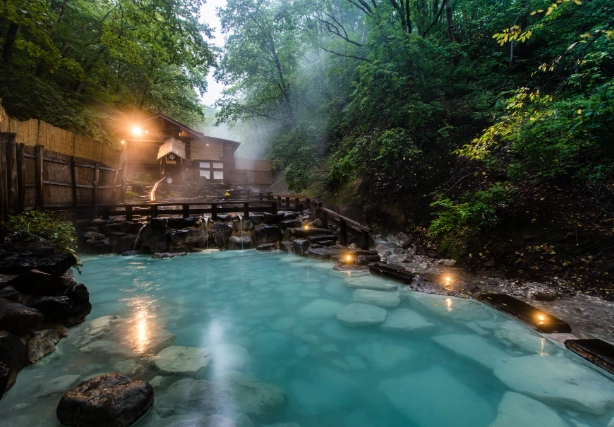
Your Onsen Journey at a Glance
What Makes Onsen More Than Just a Hot Bath?
An onsen, by Japanese law, is a natural hot spring with water heated geothermally to at least 25°C and containing specific minerals. But that's the boring definition. In practice, it's a community hub, a healing ritual, and for many, a weekly habit. The minerals—like sulfur for skin or sodium for relaxation—actually work. I met a local in Beppu who swears by the iron-rich waters for his arthritis. But here's a non-consensus point: not all onsen are created equal. Some are overly commercialized, with crowded pools and lukewarm water. The real gems are often the rustic, family-run ones off the beaten path. For example, a tiny onsen I stumbled upon in Gunma Prefecture charged only 500 yen and had a view of maple trees—no tourists, just locals chatting. That's the essence.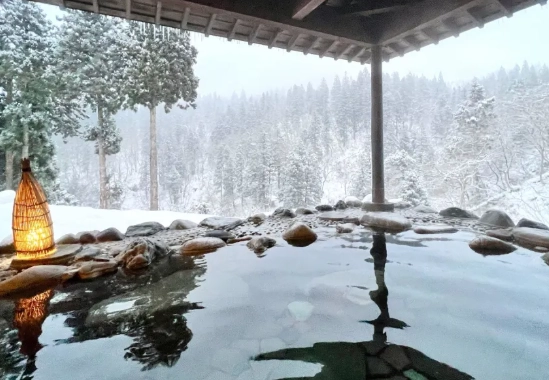
Why bother? Onsen reduces stress, improves circulation, and offers a slice of Japanese life. But skip it if you're just ticking a box; the magic fades if you rush.
Top 5 Onsen Regions You Can't Miss
Japan has over 3,000 onsen areas, but let's focus on the standouts. I've ranked these based on accessibility, variety, and that 'wow' factor.
| Region | Key Features | Best Time to Visit | How to Get There |
|---|---|---|---|
| Hakone (Kanagawa) | Views of Mt. Fuji, diverse baths, easy from Tokyo. Try the Hakone Open-Air Museum nearby. | Spring or Fall | Take the Odakyu Romancecar from Shinjuku Station (about 85 minutes). |
| Beppu (Oita) | Known as 'Hell's Hot Springs' for its dramatic steam vents. Eight hells to tour, plus sand baths. | Year-round | Fly to Oita Airport or take a train from Fukuoka (2 hours). |
| Noboribetsu (Hokkaido) | Sulfur-rich waters, Jigokudani (Hell Valley) hiking. Great for winter soaking. | Winter for snow scenes | From Sapporo, take a train to Noboribetsu Station (1.5 hours). |
| Kinosaki (Hyogo) | Traditional town with seven public baths, wear a yukata and stroll. Very photogenic. | Spring for cherry blossoms | From Osaka, take a train to Kinosaki Onsen Station (2.5 hours). |
| Kusatsu (Gunma) | Acidic waters said to cure ailments, iconic yumomi water-cooling performance. | Autumn for foliage | From Tokyo, take a train to Naganohara-Kusatsuguchi (3 hours), then bus. |
Each has its vibe. Hakone is touristy but convenient; Beppu feels otherworldly. I prefer Kusatsu for its authenticity—the water is so acidic it tingles, but avoid if you have sensitive skin.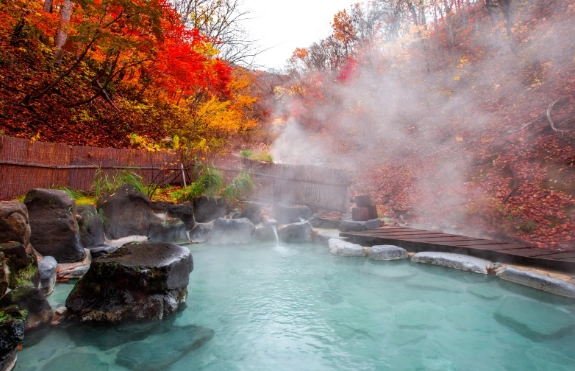
How to Handle Onsen Etiquette Without Stress
This is where most first-timers panic. Relax, it's simple if you follow the basics. Wash thoroughly before entering the bath—use the shower stalls provided, sit on the stool, and soap up completely. No swimsuits; you go in naked. Yes, everyone does. Here's a subtle mistake: people often forget to rinse off all soap, which contaminates the water. I've seen staff politely ask someone to re-shower.
Other rules: tie long hair up, don't splash, and keep towels out of the water (place them on your head or nearby). Silence is golden, but chatting softly is fine in relaxed settings. In mixed-gender onsen (rare), follow posted guidelines. A personal tip: if you're unsure, watch the locals. At a rural onsen in Tohoku, I mimicked an old man who leisurely soaked for 20 minutes, then took a cold plunge—it was invigorating.
What Not to Do
- Don't enter if you're drunk or have open wounds.
- Don't take photos—privacy is sacred.
- Don't stay in too long; 10-15 minutes per soak is enough to avoid dizziness.
Finding the Right Onsen for Your Travel Style
Not all onsen suit everyone. Let's break it down.
For families: Look for 'kaze-no-yu' style with shallow pools and play areas. Yunessun in Hakone has coffee and wine baths—gimmicky but fun for kids. Check if they offer family rates.
For couples: Private rental baths ('kashikiri') are perfect. Many ryokan have them for an extra fee. I booked one in Beppu for 2,000 yen per hour; it overlooked the sea at sunset.
For solo travelers: Public onsen are great for people-watching. Try sento (public baths) in cities for a local feel. In Tokyo, Jakotsuyu in Asakusa is cheap and friendly.
For luxury seekers: High-end onsens like Gora Kadan in Hakone offer gourmet meals and exclusive baths. Expect to pay over 50,000 JPY per night.
Staying at a Ryokan: The Full Experience
A ryokan is a traditional Japanese inn, often with onsen. It's where onsen culture shines. You get a tatami room, kaiseki dinner, and breakfast. Here are three I recommend, based on my stays.
- Suehiro Ryokan (Beppu): Address: 1-15-21 Kitahama, Beppu City. Features: Private open-air bath in each room, kaiseki with local seafood. Price: Around 30,000 JPY per person per night. Book directly on their website for a 10% discount.
- Gora Kadan (Hakone): Address: 1300 Gora, Hakone. Features: Luxury suites, multiple hot spring baths, Michelin-starred dining. Price: Starts at 70,000 JPY. Perfect for a splurge.
- Yama no Chaya (Kinosaki): Address: 469 Yushima, Kinosaki-cho. Features: Historic building, access to all seven public baths, free yukata rental. Price: 20,000 JPY. The owner speaks English and gives great town tips.
Staying at a ryokan isn't just sleep; it's an event. Dinner is served in your room, and you wear a yukata everywhere. One time, I overslept and missed breakfast—they kindly packed it for me. That's the service level.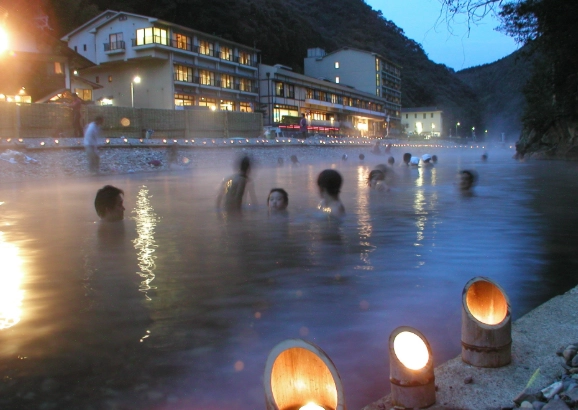
Crafting a 3-Day Onsen Trip: A Sample Plan
Let's assume you're starting from Tokyo and heading to Hakone. This itinerary balances soaking with sightseeing.
Day 1: Depart Tokyo early. Take the Romancecar to Hakone. Check into a ryokan like Hakone Ginyu. Spend the afternoon at the Hakone Open-Air Museum (entry: 1,600 JPY). Evening: enjoy the ryokan's onsen and kaiseki dinner.
Day 2: Morning: hike around Owakudani volcanic valley (free entry). Try the black eggs boiled in sulfur springs. Afternoon: visit a public onsen like Tenzan Tohji-kyo (entry: 1,300 JPY). Evening: relax at your ryokan or explore local shops.
Day 3: Morning: take a cruise on Lake Ashi for Mt. Fuji views (1,000 JPY). Visit Hakone Shrine. Afternoon: one last soak before heading back to Tokyo.
Budget tip: Get the Hakone Free Pass for unlimited transport (6,100 JPY for 2 days). I skipped it once and spent more on individual tickets.
Answers to Your Burning Onsen Questions
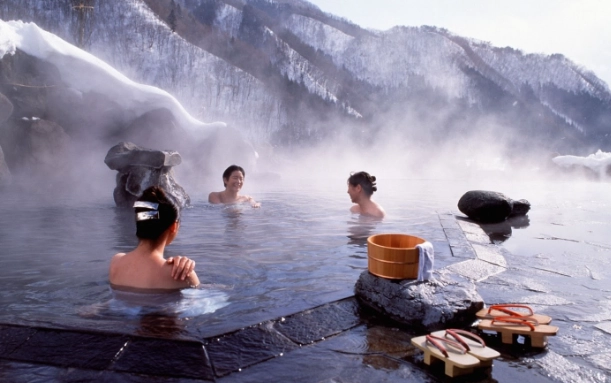
Onsen Japan is about slowing down and soaking it all in—literally. Whether you're after healing waters or cultural immersion, this guide should give you the confidence to dive in. Remember, the best onsen moments often come from unexpected places, like a conversation with a local over a post-soak milk. Plan, but leave room for serendipity.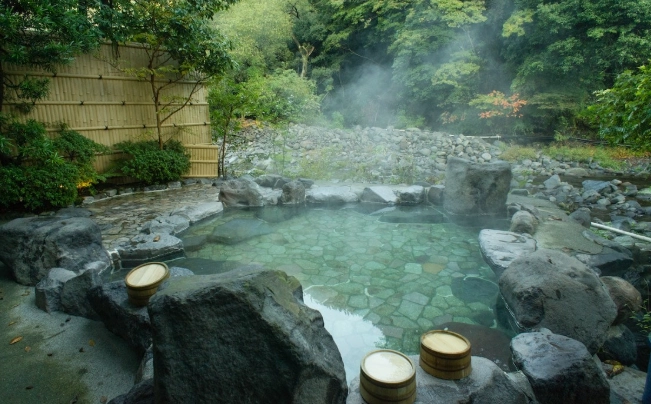

Comments