Your Day Trip Blueprint
- The Heart of the Matter: Vibe and Core Experience
- Breaking It Down: A Side-by-Side Look
- Getting There, Getting Around, and the Money Talk
- The Food Face-Off
- What About Combining Them?
- Weather, Seasons, and the Fuji Factor
- Straight Answers to Your Burning Questions
- The Final Verdict: Making Your Choice
So you're planning a day out from Tokyo's concrete jungle. You've heard the names tossed around—Enoshima, Kamakura. Maybe you saw a stunning photo of the Great Buddha or a sunset behind a island torii gate. But now you're stuck. Which one do you pick? I've been there, literally and figuratively. Standing at Shinjuku Station, coffee in hand, staring at the train maps, wondering if I'd regret my choice by lunchtime. Is it Enoshima or Kamakura that's right for this particular Saturday? The answer, frustratingly, isn't a simple one. It's not about which is "better." It's about which is better for you, your mood, your travel companions, and what you want to feel when you get back on the train home.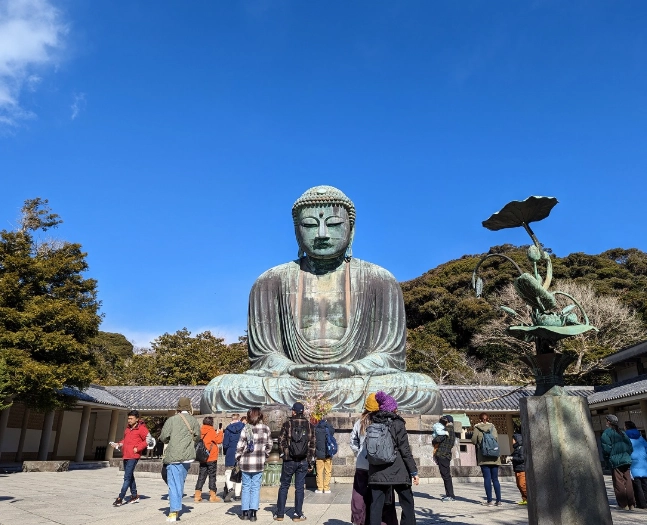
Let's cut through the generic travel brochure stuff. This isn't just a list of temples versus beaches. We're going to dig into the vibe, the practicalities (like how crowded that tiny island path gets on a Sunday), the food scenes, and those little moments that make a trip memorable. I'll share some wins and a couple of minor regrets from my own trips to both places. By the end, you'll have a clear picture, not just of what's there, but of what a day in each place actually feels like.
The Core Dilemma: Kamakura is a former political capital dripping with samurai history and serene Zen Buddhism, spread across a leafy town and hills. Enoshima is a small, spirited island connected by a bridge, dedicated to a goddess, wrapped in ocean views and a more playful, maritime energy. Choosing isn't about quality—it's about personality.
The Heart of the Matter: Vibe and Core Experience
Close your eyes for a second. Imagine your perfect getaway day from the city. Are you picturing quiet temple gardens where the only sound is raked gravel, followed by a contemplative stroll down a historic street? Or are you seeing ocean breezes, walking across a bridge with seagulls crying, exploring caves, and finishing with a cold drink overlooking the water? That right there is your first big clue in the "Is it Enoshima or Kamakura?" puzzle.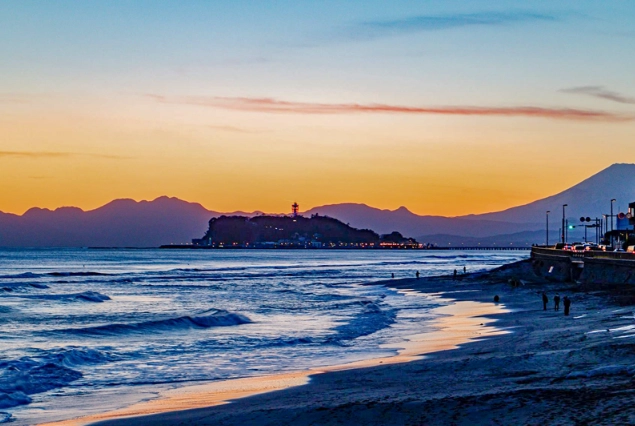
Kamakura: The Weight of History
Kamakura feels grounded. Literally and spiritually. As the seat of the first shogunate (the Kamakura period, 1185-1333), power and politics were centered here. Today, that translates to an impressive density of significant temples and shrines. The place has a scholarly, calm atmosphere. You walk down Komachi-dori, the main shopping street, and the buzz is there, but turn down any side alley heading towards the mountains, and the noise falls away. You're suddenly among towering trees, moss-covered stone lanterns, and the distant sound of a temple bell.
The star attraction, the Kotoku-in's Great Buddha (Daibutsu), is a perfect example. It's not just a big statue. Sitting there in the open air for centuries, it embodies resilience. It’s powerful, quiet, and humbling. Visiting Hase-dera Temple with its panoramic view of the coast, or the Zen complex of Engaku-ji, reinforces this feeling of depth and timelessness. Kamakura demands a bit more walking (or renting a bicycle) between sites, which adds to its laid-back, exploratory vibe. It's a place for soaking in atmosphere, history, and a sense of scale in human history.
My last Kamakura trip was in November. The crowds at the Great Buddha were manageable, but the line for the tiny street food stalls on Komachi-dori for hot sweet potato sticks? Ridiculous. Sometimes the popular simple things are the hardest to get.
Enoshima: The Island Adventure
Enoshima is an experience with a different rhythm. It's more dynamic. Your journey starts with the iconic bridge from Katase-Enoshima Station. Immediately, you're in a maritime world. The air smells like salt, there are fishing boats, and the island itself rises ahead, crowned with greenery. The energy is playful and slightly commercial in a classic Japanese tourist-spot way—think fortune-telling omikuji, charm stalls, and ice cream stands.
The ascent to the top is part of the fun. You can take escalators (for a fee, a lifesaver on a hot day), but walking the winding paths through the Samuel Cocking Garden (a nice surprise with its sea-view greenhouse) and past the various shrines of the Enoshima Jinja complex feels like a pilgrimage-lite. The payoff is the Sea Candle observation tower and the stunning views of Mount Fuji on a clear day and the long sweep of the Shonan coastline. The Iwaya Caves at the island's western tip, linked to the goddess Benzaiten, are dark, damp, and wonderfully atmospheric—a complete contrast to Kamakura's open-air temples.
Enoshima feels more like a contained adventure. The focus is on the journey up and around the island, the views, the sea, and the legends of a goddess of music and wealth, rather than deep historical political narratives.
Is it Enoshima or Kamakura for a more active, scenic, and ocean-focused day? Enoshima wins hands down. But if your soul is craving quiet contemplation and historical depth, Kamakura's call is stronger.
Breaking It Down: A Side-by-Side Look
Let's get practical. Here’s a table that lays out the key differences. This isn't about scores, but about characteristics.
| Feature | Kamakura | Enoshima |
|---|---|---|
| Primary Vibe | Historical, Zen, contemplative, leafy. | Scenic, maritime, adventurous, slightly touristy. |
| Main Attractions | Great Buddha (Kotoku-in), Hase-dera, Tsurugaoka Hachimangu, various Zen temples (Engaku-ji, Kencho-ji). | Enoshima Shrine, Samuel Cocking Garden, Sea Candle Tower, Iwaya Caves, panoramic ocean/Fuji views. |
| Terrain & Walking | Spread-out town with some gentle hills. More walking/biking between sites. Feels like exploring a small town. | Concentrated island with a significant uphill climb (escalators available). A circular route around/over the island. |
| Crowd Factor | Heavy crowds on main street & major temples weekends/holidays. Side temples are quieter. | Consistently busy on the main path, especially the narrow shopping street leading up. Can feel congested. |
| Food Scene | Famous for sweet potato soft serve, Hato Sabure dove cookies, traditional street snacks. Good local restaurant options. | Seafood! Shirasu (whitebait) bowls are the iconic dish. Fresh octopus crackers, seafood grills. More casual, stand-and-eat options. |
| Best For... | History buffs, temple enthusiasts, photographers, those seeking a quieter(ish) cultural day. | Ocean lovers, couples, families (kids might prefer the island adventure), views of Mt. Fuji, a more "active" feel. |
| Potential Downside | Can feel repetitive if you're not into temples. Sprawling—hard to see everything in one day without rushing. | Can feel overly commercial in parts. The uphill walk, if you skip escalators, is strenuous. Highly weather-dependent. |
Looking at that, the choice in the "Is it Enoshima or Kamakura?" debate starts to crystallize. But wait, there's more to consider.
Getting There, Getting Around, and the Money Talk
Logistics matter. A stressful journey can sour the start of your day.
Kamakura Access: From Tokyo Station or Shinagawa, the JR Yokosuka Line goes directly to Kamakura Station (about 55-60 minutes). It's straightforward. The Enoshima Electric Railway (Enoden)—that cute, old-fashioned train that runs along the coast—connects Kamakura with Fujisawa, stopping at Hase (for the Great Buddha and Hase-dera) and Enoshima. You can easily base yourself at Kamakura Station and use the Enoden to get to specific points. For official station and fare info, the JR East website is the authoritative source.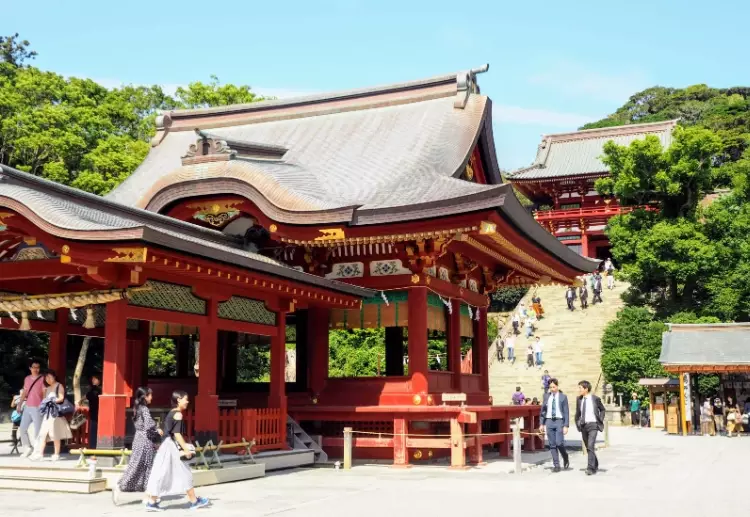
Enoshima Access: The Odakyu Romancecar from Shinjuku Station to Katase-Enoshima Station is a comfortable, direct, and scenic option (about 60 minutes). It feels like part of the experience. You can also take the JR Shonan-Shinjuku Line to Ofuna and transfer, but the Romancecar is more fun. Once at Katase-Enoshima Station, you walk across the bridge to the island. The island itself is walkable, with paid escalator sections to help with the climb.
Budget Insight: Kamakura can be slightly cheaper for entry fees if you pick your temples wisely (the Great Buddha is only a few hundred yen). Enoshima has a combined escalator pass that saves money if you plan to use them all. Both are very reasonable day-trip destinations. The biggest cost is usually the train fare from Tokyo.
Let's be real. The Enoden line on a summer weekend is packed. Like, sardine-level packed. If you plan to use it to go between Hase and Enoshima, be prepared for a squeeze. Sometimes, a taxi for a short hop (e.g., from Kamakura Station to the Great Buddha area if the Enoden queue is insane) is worth the 1000-1500 yen for sanity.
The Food Face-Off
This is a big one for me. Food defines a place.
In Kamakura, you're in a historic town. The food reflects that.
- The Must-Try: Kamakura's sweet potato soft serve ice cream. Creamy, with a distinct, earthy sweet potato flavor. You'll see it everywhere.
- The Classic: Hato Sabure, the buttery dove-shaped shortbread cookies from Toshimaya, are the quintessential souvenir.
- The Savory: You can find excellent Japanese-style curry, soba noodles, and even trendy cafes tucked away. Komachi-dori is lined with snack stalls selling things like fish-shaped cakes (taiyaki) and dango rice dumplings.
Enoshima is the undisputed king of fresh seafood for the day-tripper.
- The Iconic Dish: Shirasu-don or Shirasu-jiru. A bowl of rice topped with tiny, translucent whitebait fish, either raw or boiled. It's a local specialty you can't miss. Some places offer it as a donburi, others as a soup. It's light and tastes of the sea.
- The Snack: Grilled octopus on a stick (tako senbei) or fresh, hot octopus crackers. Perfect for munching while you walk.
- The Vibe: Many restaurants have terraces with ocean views. The dining is more casual, often centered around the catch of the day.
So, is it Enoshima or Kamakura for foodies?
If you have a deep craving for fresh, simple seafood with a view, Enoshima. If you prefer a mix of traditional sweets, street food, and sit-down meals in a town setting, Kamakura.
What About Combining Them?
I see this question all the time. "Can't I just do both in one day?" Technically, yes. The Enoden line connects them. But I'm going to be the voice of caution: I don't recommend it for a first-time visitor.
Here’s why. Each place deserves time to breathe. Rushing from the Great Buddha to catch a crowded Enoden to then sprint across the bridge and up Enoshima will leave you exhausted and feeling like you checked boxes instead of having experiences. You'll spend a significant chunk of your day in transit and queueing. The magic of both spots is in the leisurely exploration, the unexpected alleyway, the quiet moment in a garden, or the long gaze at the horizon.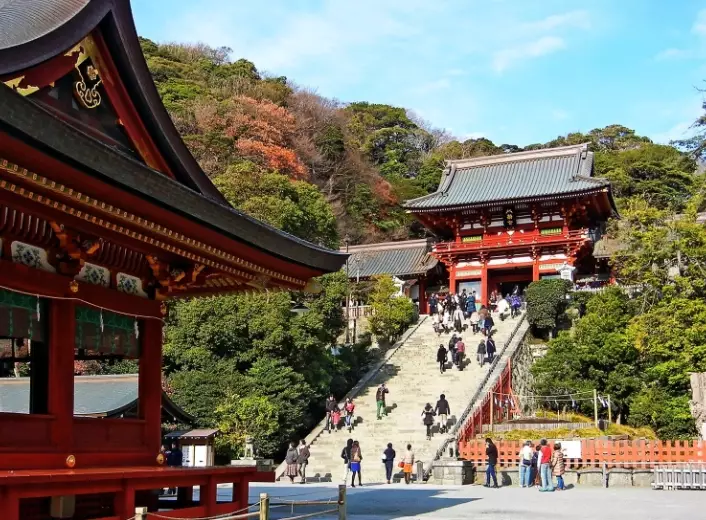
I tried the combo once, thinking I was being efficient. I ended the day with sore feet, a camera full of rushed photos, and the distinct memory of stressing over train times instead of enjoying the sea breeze at Enoshima's lookout. It was a lesson learned.
If you are absolutely determined and have only one day slot, here's the only way I'd suggest it: Start very early at Kamakura. Visit one or two key sights (e.g., Tsurugaoka Hachimangu and the Great Buddha) by late morning. Take the Enoden to Enoshima. Have a seafood lunch, walk up to the gardens and maybe the observation deck, then head back. You'll miss the caves and the deeper exploration of either place, but you'll get a taste. Honestly, you're better off picking one.
Weather, Seasons, and the Fuji Factor
This is crucial. Enoshima is brutally weather-dependent. On a gray, rainy, or foggy day, the island loses about 70% of its appeal. The views vanish, the sea is dull, and walking the outdoor paths is miserable. The caves might still be cool, but the main draw is gone. Kamakura, however, can still be compelling in the rain. Temples in the mist have a mysterious, atmospheric quality. The colors of the gardens pop, and the crowds thin out. A rainy day actually tips the scale heavily towards Kamakura in the "Is it Enoshima or Kamakura?" decision matrix.
Seasons matter too. Kamakura is famous for its hydrangeas (ajisai) in June, particularly at Hase-dera and Meigetsu-in. It's stunning but also the peak of crowding. Enoshima is fantastic in late autumn and winter for crisp, clear views of Mount Fuji. Summer brings beach crowds and a festive atmosphere but also heat and humidity on that uphill climb.
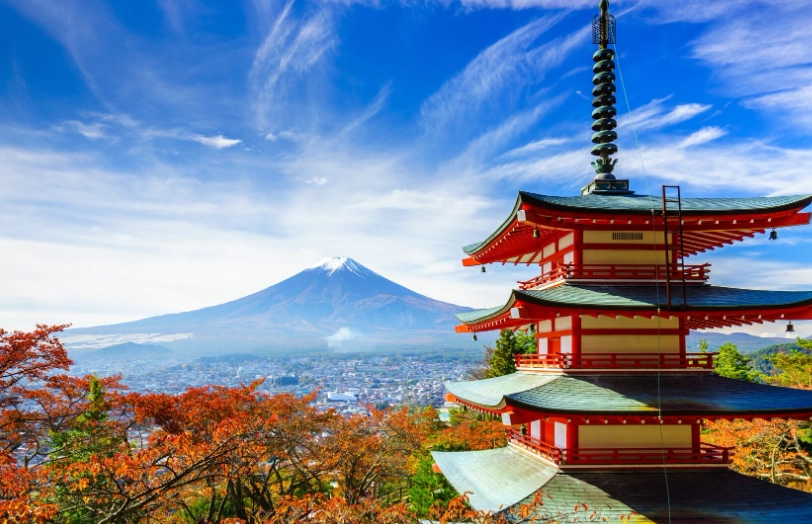
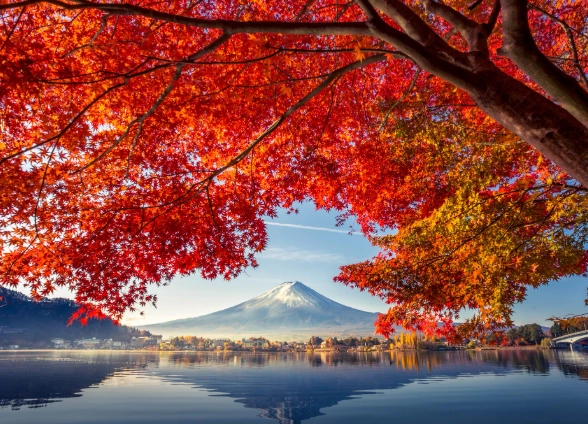
Ah, Mount Fuji. If seeing the iconic mountain is a top priority, Enoshima (specifically the Sea Candle observatory or the western side of the island) offers one of the best classic views—Fuji with the coastline and sometimes the torii gate in the foreground. Kamakura has sporadic views (like from Hase-dera's outlook), but they are not as guaranteed or as framed as Enoshima's. Check the Fuji visibility forecast if this is important to you.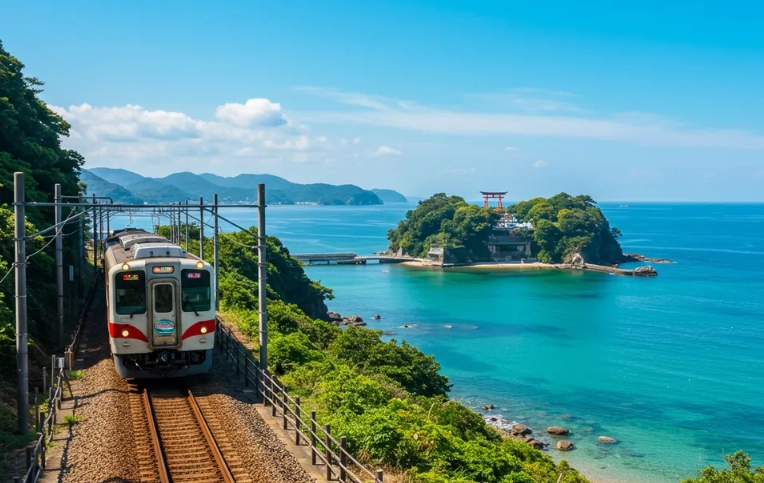
Straight Answers to Your Burning Questions
This is a tough call. Young kids might find the temple-hopping of Kamakura boring. The Great Buddha is impressive for a few minutes, but that's it. Enoshima feels more like an adventure—crossing a bridge, going through caves, riding escalators up a hill, seeing an observation tower. The path is stroller-unfriendly, though. For older kids who can handle walking, Kamakura's history might be engaging if presented well. I'd lean slightly towards Enoshima for the under-10 crowd, purely for the variety of experiences in a compact area.
Neither is a hidden gem; both are popular. However, Kamakura offers more escape routes. You can visit the major sights early or late, and then seek out smaller, quieter temples like Sugimoto-dera or An'yoin. You can get away from the main drag. Enoshima's congestion is concentrated on the main path up the island—there's no alternative route. The narrow shopping street is a bottleneck. For crowd-avoidance, Kamakura gives you more options to strategize.
Different portfolios. Kamakura offers classic Japan shots: the Great Buddha, temple architecture, moss-covered gardens, long alleyways with stone lanterns. Enoshima is about landscapes: the island bridge, the ocean horizon, the torii gate with the sea behind it, the dramatic coastline from above, and potentially Mount Fuji. For cultural/architectural detail, Kamakura. For sweeping seascapes and iconic vistas, Enoshima.
On a clear day, 100% yes. The 360-degree view is spectacular. You see the entire Shonan area, the curve of the coast, and if you're lucky, Fuji. On a cloudy or hazy day, save your money and enjoy the (still very good) free views from the surrounding gardens.
The Final Verdict: Making Your Choice
We've layered in a lot of information. Let's simplify it into a final decision guide.
Choose Kamakura if: You feel drawn to Japanese history, samurai culture, and Zen Buddhism. You enjoy taking your time in serene temple grounds. You don't mind doing a fair bit of walking between locations. You prefer a town-based exploration with a mix of street food and sit-down meals. Your trip is on a day with questionable weather.
Choose Enoshima if: Your soul craves the ocean, sea breezes, and panoramic views. You want a more active, contained "journey" (cross bridge, ascend island, explore caves). Eating fresh, simple seafood is a top priority. Seeing Mount Fuji from a classic vantage point is on your bucket list. You're traveling on a guaranteed clear, sunny day.
At the end of the day, you can't make a *wrong* choice. Both are fantastic, accessible, and rich experiences just an hour from Tokyo. The real win is in knowing what you're signing up for. Is it Enoshima or Kamakura? The answer was never in a generic "top 10" list. It was always in knowing whether you wanted to walk in the footsteps of shoguns or in the realm of a sea goddess.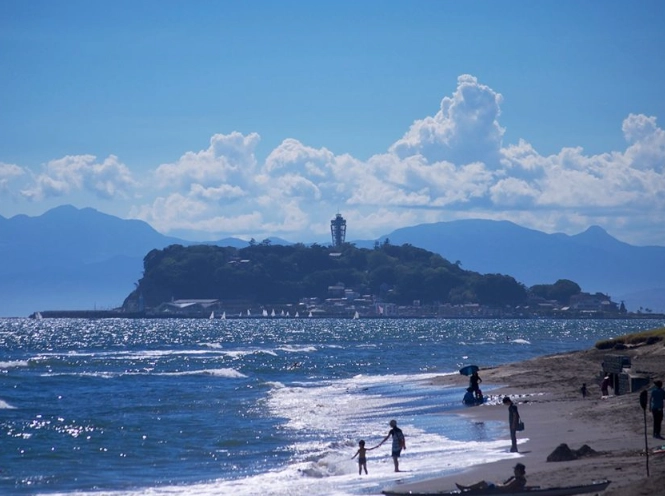
So check the weather app, listen to your gut, and go have a great day. Whichever you pick, leave some time to just sit and absorb it. That's where the best memories are made, far from the train schedules and the guidebook bullet points.
Comments