Quick Navigation
So you've got two weeks for Japan. Exciting, right? But then the panic sets in. Tokyo, Kyoto, Osaka, Hiroshima, Fuji... how on earth do you fit it all in without spending the entire trip on a train? I've been there. My first trip was a messy scramble. I've since been back multiple times, refining the plan each visit.
This Japan travel itinerary for 2 weeks is the result of that trial and error. It's the classic "Golden Route" but with the pacing fixed. We're hitting the iconic spots—the neon buzz of Tokyo, the serene temples of Kyoto, the food paradise of Osaka—and squeezing in a dash of countryside and history. The goal is balance: culture, food, cities, and a bit of nature, without the burnout.
Let's get straight into it. This is a day-by-day guide, but think of it as a framework. I'll tell you what worked for me, what didn't, and give you options to tweak it based on whether you're a foodie, a history buff, or just want to soak in the vibe.
The Core 14-Day Japan Itinerary: A Day-by-Day Breakdown
This is the skeleton of your trip. We start in Tokyo, use the super-efficient shinkansen (bullet train) to leap to Kyoto, use Osaka as a base for the Kansai region, and loop back to Tokyo. It's the most logical flow for a first-timer's two weeks in Japan.
| Day | Base City | Key Activities & Focus | Overnight |
|---|---|---|---|
| 1-4 | Tokyo | Arrival, modern culture, pop districts, history | Tokyo |
| 5-8 | Kyoto | Temples, shrines, traditional gardens, geisha districts | Kyoto |
| 9-10 | Osaka | Street food, nightlife, day trip to Nara | Osaka |
| 11 | Hakone OR Kanazawa | Onsen (hot springs) & Mt. Fuji views OR Samurai culture | Hakone/Kanazawa |
| 12-14 | Tokyo | Final shopping, last-minute sights, departure | Tokyo |
See? It's not just bouncing around. You unpack your bag a few times. Now, let's dig into the details.
Part 1: Tokyo (Days 1-4) - The Electrifying Metropolis
You'll likely fly into Narita (NRT) or Haneda (HND). Haneda is closer. My advice? Land, get your pocket Wi-Fi or SIM card at the airport, withdraw some yen, and figure out the train to your hotel. Don't try to do much on Day 1. Just find your neighborhood, get a feel for the 7-Eleven (your best friend), and fight the jet lag.
Day 2: Shibuya & Shinjuku. Dive into the deep end. Start at the Shibuya Scramble Crossing. It's chaotic and wonderful. Then walk to Harajuku for Takeshita Street (be warned: it's insanely crowded with teens, a bit overwhelming but an experience). Escape the crowds by walking into the adjacent Meiji Jingu shrine—the silence among giant trees next to the bustling city is magical. At night, head to Shinjuku. Go up the Tokyo Metropolitan Government Building for a free panoramic view. Then get lost in the narrow alleys of Omoide Yokocho for yakitori (grilled skewers).
Day 3: Asakusa & Ueno. A more traditional day. Senso-ji Temple in Asakusa is a must. It's crowded, yes, but the atmosphere, the smell of incense, the fortune-telling slips—it's the real deal. Walk down Nakamise shopping street for souvenirs. Then, head to Ueno Park. You've got museums here (the Tokyo National Museum is superb if you're into history), a zoo, and just a nice park to stroll. I'm not a huge museum person, but I spent a good three hours in the National Museum.
Day 4: Your Choice Day. Tokyo is massive. You need to pick your vibe.
- Akihabara: For anime, manga, and electronics. It's sensory overload in the best way.
- TeamLab Planets/Borderless: An immersive digital art experience. It's pricey and you need tickets in advance, but it's unlike anything else. Borderless is currently closed, so check for Planets or its new iterations.
- Ginza & Tsukiji Outer Market: For high-end shopping and incredible fresh seafood snacks. The inner wholesale market moved, but the outer market is still a foodie heaven.
Part 2: Kyoto (Days 5-8) - The Heart of Tradition
On Day 5 morning, take the shinkansen from Tokyo Station to Kyoto Station. It's about 2.5 hours. Reserve your seat if you have a Japan Rail Pass. Watching the urban sprawl give way to mountains and fields is part of the fun.
Kyoto is about temples, but if you see too many, they'll all blur into one. The key is variety.
Day 5 (Afternoon): Check in, then head to Fushimi Inari Taisha. This is the famous path with thousands of red torii gates. Go later in the afternoon; the tour groups thin out. You don't need to hike the whole mountain—even just the first crowded section is impressive, but going a bit further rewards you with quiet spots.
Day 6: The Eastern Highlights. This is a big walking day. Start early at Kiyomizu-dera. The wooden stage overlooking the city is iconic. Walk down the charming Sannen-zaka and Ninen-zaka slopes (preserved historic streets) towards Maruyama Park and Yasaka Shrine. Then continue to the philosopher's path. If it's cherry blossom season, it's heaven. If not, it's still a lovely canal-side walk. End at the silver pavilion, Ginkaku-ji. It's a long day. Wear good shoes.
Day 7: Arashiyama & Golden Pavilion. Take the train to Arashiyama. The bamboo grove is beautiful but, let's be honest, it's a short path crammed with people. Go very early if you want a serene photo. I found the nearby Tenryu-ji temple garden more peaceful. Afterwards, you can take a scenic train along the Hozugawa River. In the afternoon, visit Kinkaku-ji, the Golden Pavilion. It's covered in gold leaf, stunning against a pond. It's also a single-view sight—you follow a set path, see it, and leave. No lingering. But it's worth it.
Day 8: Nara Day Trip. Yes, from Kyoto. It's a quick train ride (about 45 minutes). Nara Park is where the famous bowing deer roam. They're cute but can be aggressive if they see you have food (the special crackers you can buy). The main event is Todai-ji Temple. The Great Buddha Hall houses a colossal bronze Buddha statue—the scale is mind-boggling. You can spend a relaxed half-day here before heading back to Kyoto. For official info on Nara's treasures, the Nara City official website is helpful.
Part 3: Osaka & Beyond (Days 9-11) - Food, Fun, and a Change of Pace
On Day 9, move to Osaka. It's only 30 minutes from Kyoto by train. The vibe shifts instantly. Kyoto is refined; Osaka is loud, friendly, and all about eating.
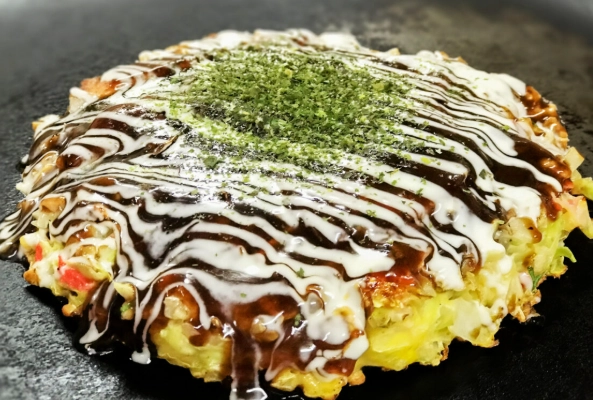
Day 9: Dotonbori at Night. Settle into your hotel, then head to Dotonbori in the evening. This is the iconic strip with the giant Glico Running Man sign and crazy food signage. Try takoyaki (octopus balls), okonomiyaki (savory pancake), and kushikatsu (deep-fried skewers). Don't eat at the first stall you see; wander a bit. The energy here is infectious.
Day 10: Osaka Castle & Umeda. Osaka Castle is a concrete reconstruction, but the museum inside is modern and interesting, and the views from the top are great. Then, head to the Umeda area for shopping and the Umeda Sky Building—its floating garden observatory offers a fantastic 360-degree view. For a deep dive into Osaka's unique food culture, the Osaka Official Guide has great neighborhood guides.
Now, here's the crucial fork in the road for your Japan 14 day itinerary.
Day 11 Option A (The Classic): Hakone. From Osaka, take the shinkansen to Odawara, then local transport into Hakone. This is your chance for a ryokan (traditional inn) experience with kaiseki dinner, onsen baths, and if you're lucky, a view of Mount Fuji. The Hakone Loop (ropeway, pirate ship on Lake Ashi) is a bit touristy but fun. The real value is the relaxation.
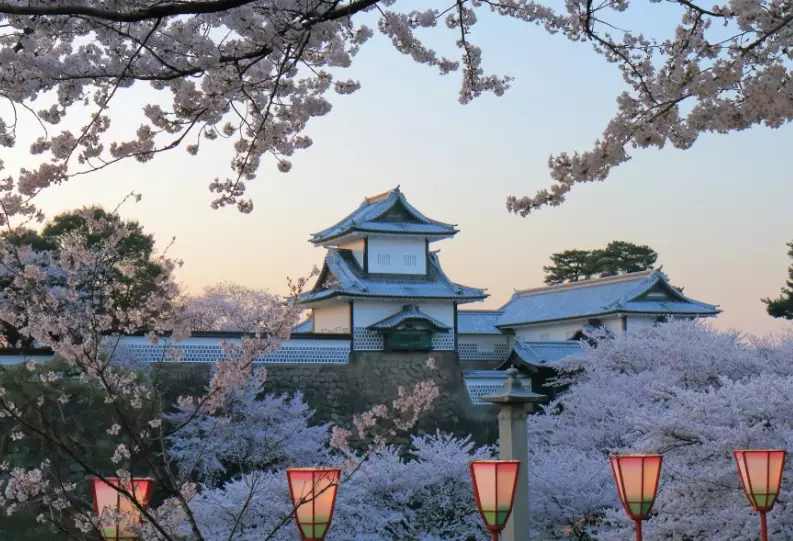
Day 11 Option B (My Personal Preference): Kanazawa. Take a longer shinkansen ride from Osaka to the coast. Kanazawa is called "Little Kyoto" but without the massive crowds. It has one of Japan's top three gardens, Kenrokuen, a beautiful samurai district (Nagamachi), and a preserved geisha district (Higashi Chaya). The seafood is incredible here. It feels more "discovered" than overrun.
Part 4: Final Tokyo Stretch & Departure (Days 12-14)
On Day 12, travel back to Tokyo from either Hakone or Kanazawa. Use this time for things you missed or want to revisit.
Day 12: Maybe explore a neighborhood like Daikanyama or Nakameguro for chic cafes and boutiques. Or hit up a specific museum you had on your list.
Day 13: Last-minute shopping. Shinjuku's department stores (Isetan, Takashimaya) are great for quality goods. Don Quijote (Donki) is a chaotic discount store perfect for quirky souvenirs and snacks. Shibuya's shopping streets are good for clothes.
Day 14: Departure. Make sure you know which airport you're flying from and give yourself plenty of time for the airport train (like the Narita Express).
Making Your Japan 2-Week Itinerary Work: The Essential Logistics
A great plan can fall apart without sorting the practical stuff. Here's what you absolutely need to figure out.
To JR Pass or Not to JR Pass?
This is the biggest question for any Japan travel itinerary 2 weeks. The Japan Rail Pass allows unlimited travel on most JR trains, including shinkansen, for a set period. It used to be a no-brainer. After a significant price hike in late 2023, you need to do the math.
For this specific itinerary:
- Tokyo to Kyoto shinkansen: ~¥14,000 one way
- Kyoto to Osaka local JR: cheap, ~¥600
- Osaka to Hakone/Kanazawa shinkansen: ~¥12,000-¥15,000
- Back to Tokyo shinkansen: ~¥14,000
That's roughly ¥40,000-¥43,000 in long-distance travel. A 7-day Ordinary JR Pass is about ¥50,000. For this trip, activating it on Day 5 (Tokyo to Kyoto) through Day 11 (return to Tokyo) might just about break even or offer a small saving, but it's tight. You have to use it on those exact days. If your travel dates are flexible, use the official Japan Rail Pass website calculator to compare point-to-point tickets. Sometimes, just buying individual tickets or using regional passes (like a Kansai area pass) is cheaper and less stressful.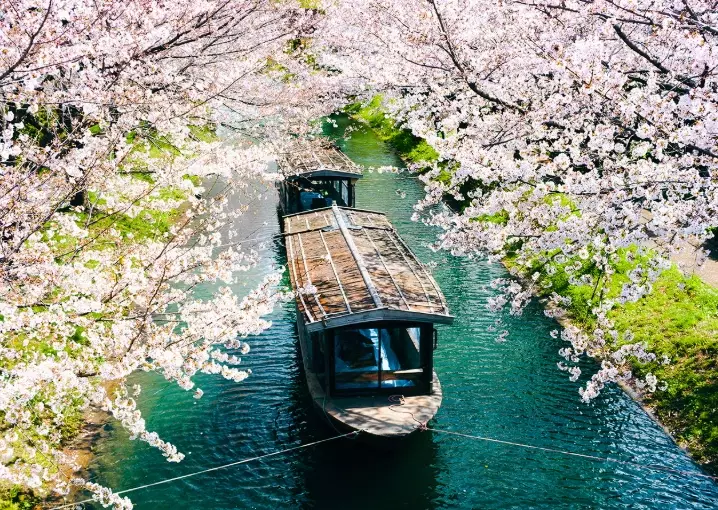
Budget Breakdown: What Does Two Weeks in Japan Really Cost?
Japan isn't as expensive as people think, but it's not cheap either. You can tailor it widely.
| Budget Tier | Accommodation (per night) | Food (per day) | Activities/Transport | Estimated Total for 2 Weeks* |
|---|---|---|---|---|
| Budget Traveler | Hostel dorm/Capsule: ¥3,000-¥5,000 | Convenience stores, street food, cheap ramen: ¥3,000 | Local transport, few paid temples: ¥2,000 + flights/rail | ¥150,000 - ¥200,000 + flights |
| Mid-Range (My Sweet Spot) | Business hotel/Private hostel room: ¥8,000-¥12,000 | Mix of casual meals, some nice dinners: ¥5,000-¥7,000 | Some shinkansen, entry fees: ¥3,000 + flights/rail | ¥250,000 - ¥350,000 + flights |
| Luxury/Splurge | Nice hotel/Ryokan: ¥20,000+ | Fine dining, omakase meals: ¥15,000+ | All transport, guided tours: Unlimited | ¥500,000+ + flights |
*Per person, excluding international flights. A mid-range budget is very comfortable.
Where to Stay: Location is Everything
- Tokyo: Stay near a major Yamanote Line station (the loop line that connects most major districts). Shinjuku, Shibuya, Ueno, or Tokyo Station areas are ideal for connectivity. I like Ueno—it's slightly less frantic and has great train links.
- Kyoto: Near Kyoto Station (for transport) or in the Gion/Higashiyama area (for atmosphere). I stayed near the station for convenience, but next time I'd try a machiya (traditional townhouse) in Gion for a night.
- Osaka: Namba or Umeda. Namba puts you right in the heart of the action (Dotonbori).
Frequently Asked Questions About a Japan 2-Week Trip
These are the questions I had, and the ones I see popping up all the time.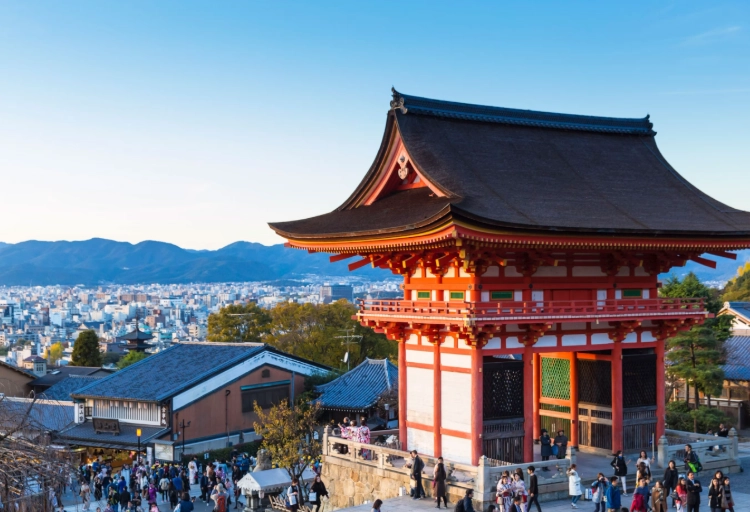
Is two weeks in Japan enough?
It's perfect for a first trip. You get a solid taste of the main cultural and urban highlights without being too rushed. You'll leave wanting more, which is the best way to end a trip.
Should I add Hiroshima/Miyajima to this itinerary?
It's a common wish. Hiroshima is a powerful and moving day trip from Osaka/Kyoto (about 2 hours one way by shinkansen). To do it justice—seeing the Peace Park, Museum, and Miyajima's floating torii gate—you need a full, long day. Adding it will make your Japan 14 day itinerary feel very packed. I'd recommend it only if you're okay with replacing the Hakone/Kanazawa day (Day 11) or cutting a day from somewhere else (maybe one less day in Tokyo). It's worth it for the historical significance, but it adds travel time.
What's the best time of year for this trip?
- Spring (March-May): Cherry blossoms (late March-early April). Magical but the most crowded and expensive.
- Autumn (October-November): Fall foliage. Similarly stunning and popular.
- Summer (June-September): Hot and humid. June is rainy season. Festivals (matsuri) are a plus.
- Winter (December-February): Cold, but clear skies. Great for onsen and seeing Mt. Fuji. Fewer crowds outside of New Year.
My pick? Late October or early November. The weather is crisp, the colors are starting, and the crowds are manageable.
Do I need to speak Japanese?
Not at all. In cities, signs are in English. People in service industries often know basic English. Learn a few polite phrases: "Arigatou gozaimasu" (thank you), "Sumimasen" (excuse me/sorry), "Kore o kudasai" (this, please). A smile and Google Translate will get you through everything else. People are incredibly helpful even with a language barrier.
Have an incredible trip. You're going to love it.

Comments