Explore the Guide
If you typed that question into Google, you probably got the blunt answer right away: it's Akita City. But honestly, that one-line fact is about as useful as knowing it rains in London. It doesn't tell you anything about the feel of the place, why it matters, or if it's somewhere you'd actually want to visit or even live. I remember when I first looked it up, I was planning a trip to Tohoku and that basic fact left me with more questions than answers. Is it just a big, boring administrative center? A vibrant hub? Something in between?
This guide is for anyone who's past the one-word answer. We're going to dig into what makes Akita City the largest city in Akita Prefecture, and I mean really dig in. We'll look at the numbers, the history, the culture, the practical stuff for travelers and potential residents, and even some of its less-glamorous sides. My aim is that by the end, you'll know Akita City not just as the prefectural capital, but as a place with its own unique character.
Why Akita City Holds the Title: It's More Than Just Population
Okay, let's break down the "largest" part. When people ask "what is the largest city in Akita Prefecture," they're usually thinking population. And on that front, Akita City is the undisputed champion. But its size isn't an accident of geography; it's the result of its role as the central node for the entire region.
Think of it this way. Akita City is where the main train lines converge, especially the Akita Shinkansen line. It's where the prefectural government offices are headquartered (you can find their official info on the Akita Prefecture website). It's home to the major banks, the biggest hospitals, and Akita University. For many people living in the smaller towns and villages around the prefecture, Akita City is where you go for specialized medical care, to handle important paperwork, to catch a long-distance train or flight, or to shop for things you can't find locally.
This centralization creates a feedback loop. The services attract people, and the concentration of people supports more services and businesses. It's a pattern you see in most Japanese prefectures outside of the massive Kanto and Kansai regions.
By The Numbers: How Akita City Compares
To visualize the gap between Akita City and other major urban areas in the prefecture, here's a quick comparison. The data is sourced from official municipal statistics and the latest census figures available on the Akita City official website and other city portals.
| City Name | Approx. Population | Key Characteristics | Role in the Prefecture |
|---|---|---|---|
| Akita City | ~305,000 | Prefectural capital, transport hub, government & business core. | Central administrative, economic, and cultural heart. |
| Ōdate City | ~70,000 | Famous for Hachikō (the loyal dog), forestry, and sake brewing. | Northern commercial center, strong local identity. |
| Yokote City | ~85,000 | Known for the Yokote Kamakura (snow igloo) Festival. | Southern center for agriculture and winter tourism. |
| Yuzawa City | ~45,000 | Historic post-town, known for its high-quality rice and sake. | Important junction in southern Akita. |
See the difference? Akita City's population is over three times that of the next largest contenders. This isn't just a minor lead; it's a defining feature of the prefecture's urban landscape. When discussing the largest city in Akita Prefecture, the conversation starts and ends with Akita City for a good reason.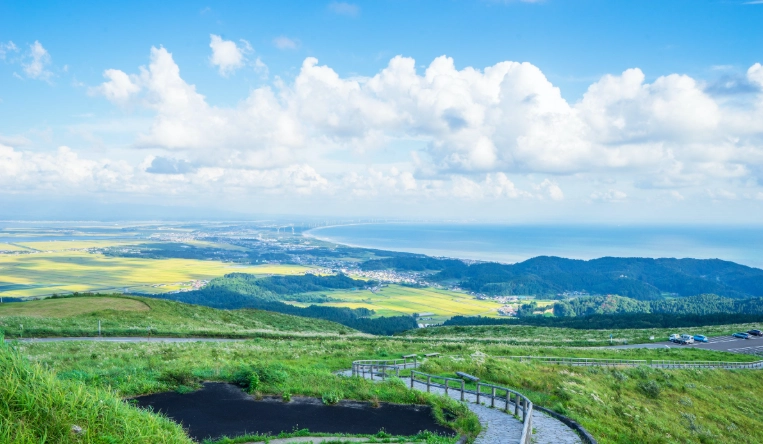
Getting to Know Akita City: Beyond the Title
Calling it the largest city in Akita Prefecture is accurate, but it doesn't paint a picture. So what's Akita City actually like? It's a city where modern conveniences sit comfortably alongside deep-rooted traditions. You can spend the morning in a sleek café using free Wi-Fi and the afternoon watching a centuries-old festival.
The Lay of the Land: Neighborhoods and Vibe
The city spreads out from the core around JR Akita Station. The station area itself is a mix of department stores (like Sogo), hotels, and business offices. It's practical. Head south towards the city hall and the Senshū Park area, and things feel a bit more relaxed, with wider streets and government buildings.
For a more local flavor, the Nakadōri area is worth exploring. It's a covered shopping arcade, a bit dated in parts if I'm being critical, but full of life, small eateries, and shops that have been there for decades. This is where you see the day-to-day rhythm of the city.
Then there's the waterfront along the Asahi River and the Oga Peninsula direction. The city makes good use of its riverfront for parks and walks, which is lovely in the summer and autumn.
Cultural Heartbeat: Festivals and Food
You can't talk about Akita City without mentioning Kantō. The Akita Kanto Festival, held every August, is the city's iconic event. Men (and some women) balance long bamboo poles hung with dozens of lit lanterns, making them look like fields of glowing rice plants. It's breathtaking. The official festival committee has details on the Akita Kanto Festival website.
Food is another major draw. This is the best place in the prefecture to try regional specialties. Kiritanpo (pounded rice sticks grilled in a hot pot) is a must-try comfort food, especially in the colder months. Inari-zushi (sushi rice in a fried tofu pouch) is a local variant that's sweeter than elsewhere. And of course, you have incredible sake. Breweries like Akita Shurui Seizohonpo are based here, and the city's izakayas and restaurants have impressive local selections.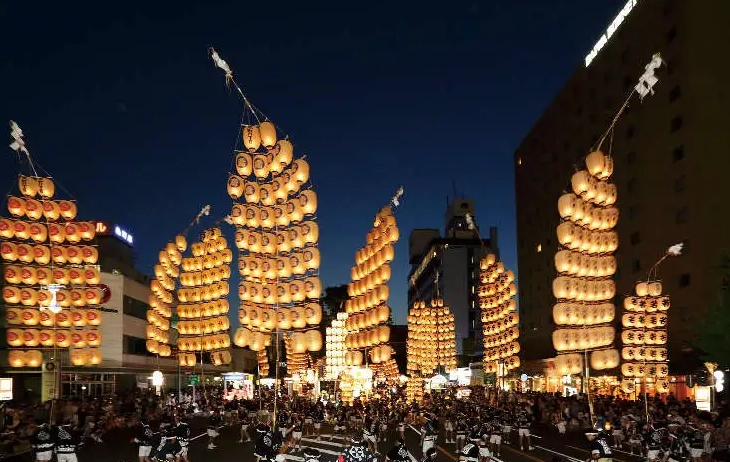
Living in the Largest City: A Practical Perspective
Maybe you're not just visiting. Maybe you're considering a move to Akita Prefecture for work, study, or a change of pace. Understanding what it's like to live in Akita City, the largest city in the prefecture, is crucial.
The Good: Convenience and Comfort
From a daily life standpoint, Akita City offers the most "complete" package in the prefecture.
- Transport: You have the Akita Airport (AXT) with domestic flights to Tokyo, Osaka, etc., and the Akita Shinkansen connecting you directly to Tokyo (about 4 hours). Within the city, buses are the main public transport, and a car is very useful for exploring outskirts.
- Shopping & Services: You'll find major electronics stores (Yamada Denki, etc.), larger supermarkets, a few import food shops, and most chain stores you'd know from bigger cities. Specialist services (e.g., for foreign residents) are more likely to be based here.
- Healthcare & Education: This is a big one. Akita University Hospital is the primary advanced medical center for the region. For families, there are more schooling options, including a couple of international schools.
- Community: While it's the biggest city, it's not anonymous. There's a strong sense of local pride and community, especially around festivals and neighborhood events.
The Challenges: Reality Check
It's only fair to talk about the downsides too, based on conversations with locals and my own observations.
It's still a regional Japanese city.
The nightlife is quiet compared to metropolises. The job market, while the most diverse in Akita Prefecture, is still heavily oriented towards local government, education, healthcare, and traditional industries. If you're in a very niche tech field, opportunities will be limited. Also, while public transport exists, its frequency and coverage can't compare to Tokyo's subway. Owning a car almost becomes a necessity for full independence, which is an added cost.
Winters are long, dark, and snowy. The city handles the snow well, but it's a significant factor for about four months of the year. Some people love the cozy winter vibe; others find it isolating.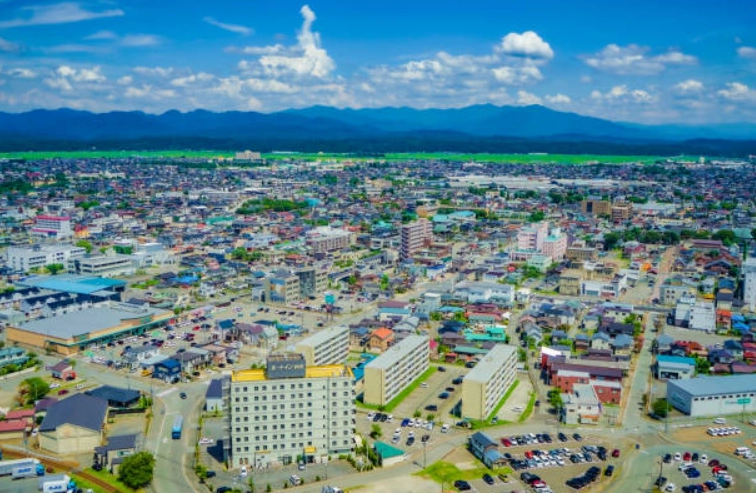
For the Traveler: Why Base Yourself in Akita City?
If you're visiting Akita Prefecture as a tourist, using Akita City as your base is a smart move. As the largest city in Akita Prefecture, it's the main transport gateway and has the widest range of accommodations, from business hotels to nicer ryokans.
Top Attractions Within the City
- Senshū Park: The grounds of the historic Kubota Castle. Beautiful in every season, especially during cherry blossom season and autumn.
- Akita City Folklore & Performing Arts Center (Neburi Nagashi Kan): You can try lifting a practice kanto pole here! It's much harder than it looks.
- Akita Museum of Art: For architecture and art lovers.
- Omoriyama Zoo: A pleasant zoo, famous for its successful breeding of Japanese martens.
- Asahi River and Yabase Area: Great for cycling, walking, and seeing local life.
Perfect Day Trips
This is where Akita City's location shines. You can take comfortable day trips to:
- Kakunodate: The "Little Kyoto of Tohoku," famous for its samurai district. About 50 minutes by Akita Shinkansen.
- Lake Tazawa & Nyūtō Onsen: Japan's deepest lake and a fantastic onsen (hot spring) village. Accessible by bus.
- Oga Peninsula: Home to the Namahage scary demon museum and dramatic coastal scenery. Accessible by train.
The Japan National Tourism Organization has great resources for planning these trips on their official site, which I often cross-reference for transport timetables.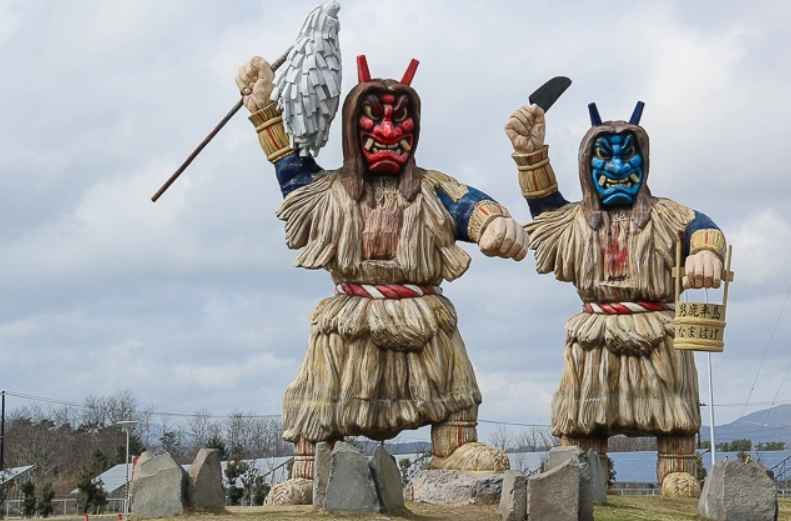
Frequently Asked Questions (Beyond the Basic)
Is Akita City just a boring administrative capital?
Not at all. While it has that function, it has a distinct soul defined by the Kanto Festival, its local cuisine, its museums, and its role as a guardian of Akita's traditions. It's not a non-stop party city, but it's far from boring if you engage with its culture.
Is it expensive to live in Akita City compared to Tokyo?
Generally, much cheaper. Rent is significantly lower. Daily groceries and eating out at local restaurants are also less expensive. However, some imported goods or specific international foods might be slightly more expensive or harder to find than in Tokyo's massive import markets.
Can I get by with only English in Akita City?
It's challenging but possible in core tourist areas. At the main tourist information center in Akita Station, major hotels, and the museum, you'll find some English support. For daily life, learning basic Japanese is highly recommended and will greatly enrich your experience. The city government offers Japanese classes for foreign residents.
What's the best season to visit?
For festivals, summer (August for Kanto) is unbeatable. For stunning scenery, autumn (late October to early November) is magical with fall colors. Winter is for serious snow lovers and the Yokote Kamakura festival nearby. Spring brings lovely cherry blossoms in Senshū Park.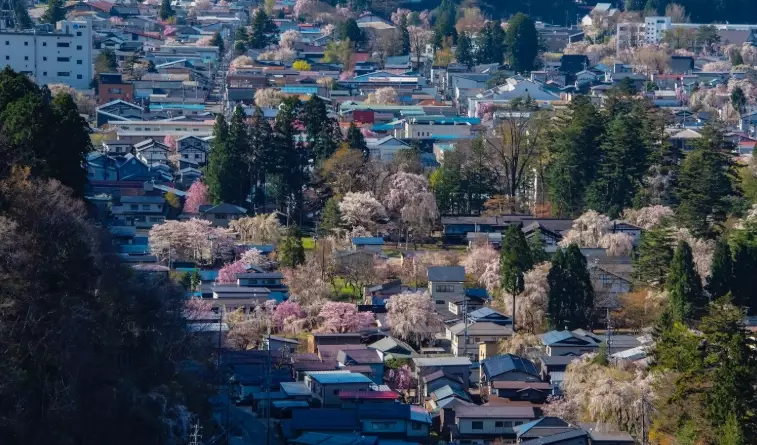
Final Thoughts: More Than Just the Biggest
So, what is the largest city in Akita Prefecture? It's Akita City, a place that holds that title not just by population count, but by being the region's beating heart. It's the place where tradition is kept alive with fiery passion during Kanto, where you can find the best medical care in the prefecture, where the shinkansen stops, and where the decisions that affect the entire region are made.
But more importantly, it's a living, breathing city with its own pace and personality. It has its practical, slightly bland sides (the area around the station could use more character, in my opinion), but it also has pockets of incredible warmth, history, and culture. It's a city that serves as both a comfortable gateway for visitors and a fully-functional home for its residents.
Knowing it's the largest is just the start.
The real discovery begins when you walk through its covered shopping arcades, try to lift a kanto pole, taste hot kiritanpo on a cold day, or simply talk to its people. That's when you move from knowing a fact to understanding a place. And that's what makes Akita City, the largest city in Akita Prefecture, truly worth getting to know.

Comments