Flying from the USA to Tokyo is a major trip, but it's absolutely worth the long flight. I've done it multiple times from both coasts, and the key is planning. This isn't just another list of tourist spots. It's a practical, step-by-step guide built on my own mistakes and wins, covering everything from booking your flight to navigating the subway like a local. Let's get you ready for an unforgettable Tokyo adventure.
Quick Navigation: What's Inside This Guide
Pre-Trip Essentials: Flights, Visa & Money
Let's tackle the logistics first. This part is boring but crucial.
Finding the Best Flight Deals from the USA
You're looking at a 12-14 hour flight from the West Coast (LAX, SFO) and 13-15 hours from the East Coast (JFK, EWR). Direct flights are a game-changer for avoiding layover fatigue. Major carriers like ANA, Japan Airlines, United, and Delta operate these routes. Here's my strategy: set price alerts on Google Flights or Skyscanner for both Narita (NRT) and Haneda (HND) airports. Haneda is closer to central Tokyo – a 30-minute train ride versus 60+ minutes from Narita. If the price difference is small, choose Haneda. The time you save is valuable.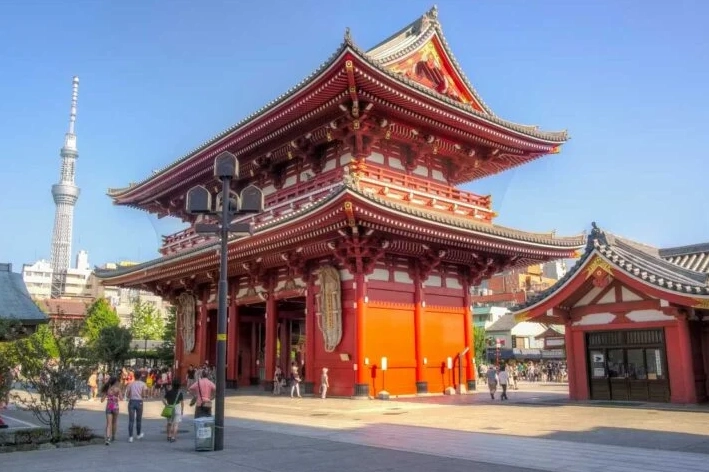
Visa, Currency, and Connectivity
For U.S. passport holders, you get a 90-day tourist visa on arrival. Just ensure your passport is valid for the entire stay. The currency is the Japanese Yen (JPY). As of my last trip, $1 was roughly 150 JPY. Don't expect to use credit cards everywhere. While hotels and big stores take them, many smaller restaurants, markets, and temples are cash-only. Withdraw yen from 7-Eleven ATMs (they have English menus and accept foreign cards). For connectivity, rent a pocket Wi-Fi device or buy a Japanese SIM card online before you go. Relying on public Wi-Fi is frustrating and unreliable for navigation.
Crafting Your Perfect 5-Day Tokyo Itinerary
Tokyo is massive. This 5-day plan balances iconic sights, cultural spots, and modern neighborhoods. It's paced to avoid burnout.
Day 1: Shinjuku & Shibuya – The Modern Pulse. Land, check in, and head to Shinjuku. Visit the Tokyo Metropolitan Government Building for a free panoramic view. Walk through the chaotic, sensory-overload of Kabukicho (just see it, maybe don't dine there). In the evening, experience the Shibuya Scramble Crossing. For dinner, head to Nonbei Yokocho ("Drunkard's Alley") for tiny yakitori bars.
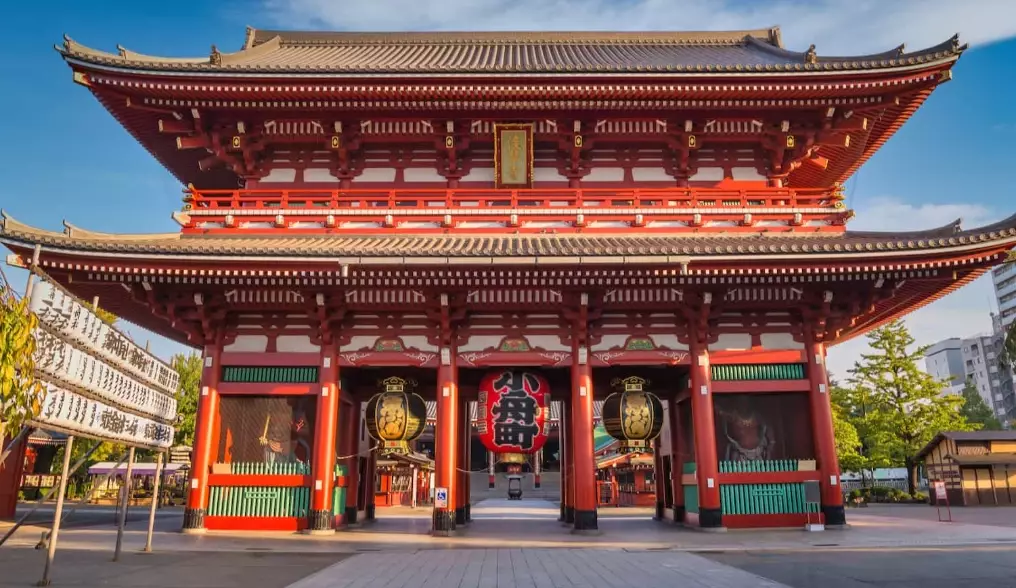
Day 2: Asakusa & Ueno – Old Tokyo. Start at Senso-ji Temple, Tokyo's oldest. Nakamise-dori street leads to it, full of snacks and souvenirs. Afternoon at Ueno Park, home to several museums and Ueno Zoo. For an authentic lunch, find a tempura restaurant near the temple. Many have set menus for under 1500 JPY.
Day 3: Harajuku & Omotesando – Fashion & Food. Morning on Takeshita Street in Harajuku for crazy crepes and youth fashion. Then, walk down Omotesando, Tokyo's Champs-Élysées, for high-end shopping and architecture. Visit Meiji Jingu shrine, a serene forest in the city. This area is perfect for people-watching and finding unique street food.
Day 4: Tsukiji & Odaiba – Market & Futurism. Early visit to the Tsukiji Outer Market (the inner wholesale market moved). Eat fresh sushi for breakfast. Then, take the Yurikamome line to Odaiba, a futuristic island. See the giant Gundam statue, teamLab Borderless digital art museum (book tickets *weeks* in advance), and enjoy views of Rainbow Bridge.
Day 5: Akihabara & Ginza – Electronics & Elegance. Morning in Akihabara, the electronics and anime paradise. Explore multi-story arcades and manga shops. Afternoon in Ginza for upscale shopping. Visit the Ginza Six rooftop garden. For your last dinner, splurge on a high-quality sushi omakase meal in Ginza.
Where to Stay in Tokyo: Area & Hotel Breakdown
Your hotel location defines your trip. I recommend staying near a major JR Yamanote Line station for easy access. Here are my top picks across budgets.
| Area | Best For | Hotel Recommendation | Approx. Price/Night |
|---|---|---|---|
| Shinjuku | First-timers, nightlife, transport hub | Hotel Gracery Shinjuku (with the Godzilla head) | $180 - $250 |
| Shibuya | Shopping, youth culture, energy | Shibuya Excel Hotel Tokyu (directly above station) | $200 - $300 |
| Tokyo Station / Marunouchi | Bullet train access, business, elegance | The Tokyo Station Hotel (historic, luxurious) | |
| Asakusa | Budget, traditional atmosphere, Senso-ji | The Gate Hotel Asakusa Kaminarimon (great views) | |
| Ginza | Luxury shopping, fine dining | Mitsui Garden Hotel Ginza Premier |
I personally lean towards Shinjuku or Shibuya for the convenience. Being able to stumble back to your hotel after a late night out without navigating complex train transfers is a luxury.
Tokyo Food Guide: Must-Try Dishes & Restaurants
Tokyo is a food heaven. Don't just stick to sushi. Here are specific spots I return to.
- Sushi: Sushi Dai (Toyosu Market) Yes, it's famous and has a long queue. Go at 5 AM if you're serious. The alternative is Sushi Daiwa in the same building – similar quality, slightly shorter line. Expect to pay 4,000-5,000 JPY for an omakase breakfast. Address: 6 Chome-5-1 Toyosu, Koto City.
- Ramen: Ichiran It's a chain, but it's a perfect, consistent solo dining experience. You order from a vending machine, sit in a private booth, and get incredibly rich tonkotsu broth. Multiple locations, including Shibuya and Shinjuku. About 1,000 JPY.
- Tonkatsu: Maisen (Aoyama) Housed in a converted bathhouse, their hirekatsu (pork loin) is unbelievably tender. The set meal with unlimited cabbage, miso soup, and rice is around 2,500 JPY. Address: 4-8-5 Jingumae, Shibuya City.
- Yakitori: Torikizoku A fantastic, cheap chain where everything is 350 JPY per skewer or plate. The atmosphere is lively, and the menu has pictures. Great for groups. Locations all over Tokyo.
- Tempura: Tempura Kondo (Ginza) A Michelin-starred tempura experience. The lunch course is a relative bargain at around 11,000 JPY. Reservations are essential. Address: 9th Floor, 5-5-13 Ginza, Chuo City.
Getting Around Tokyo: Transport Hacks
The subway and train system is efficient but can be intimidating.
Get a Suica or Pasmo IC card immediately at the airport station. Tap in and out on trains, subways, and buses. You can even use it at convenience stores and vending machines. Forget single tickets.
Google Maps is your best friend for routing. It tells you exactly which platform, train, and exit to use. The train lines are color-coded and have English signs.
A common mistake is taking the wrong "express" train on the same line. Some skip stations. Check the electronic sign above the platform—it shows the next few stops in real-time.
Taxis are expensive but useful for short trips with luggage or late at night. The doors open and close automatically—don't touch them.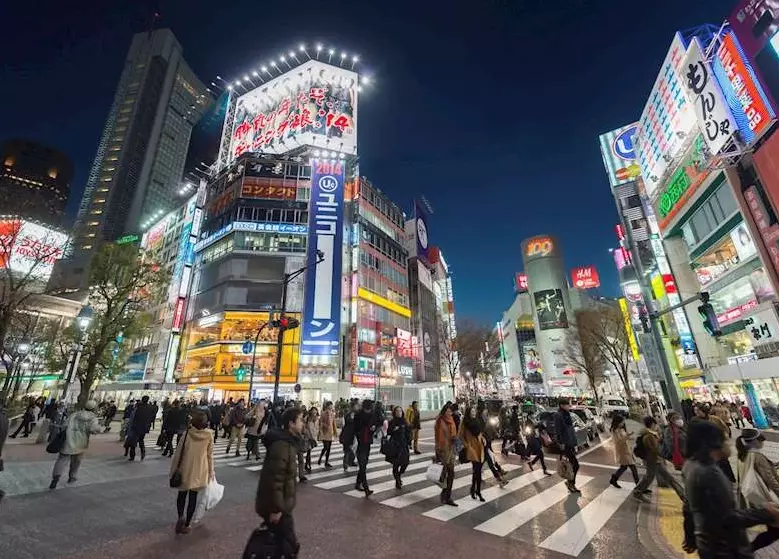


Comments