Your Quick Guide to Kanazawa's Best Keepsakes
Let's be honest. You're standing in a crowded airport gift shop, staring at a rack of generic keychains and plastic sushi magnets, wondering if this is really what you want to remember Kanazawa by. I've been there. After over a decade of visiting and living in this city, I've learned that the real treasures aren't in those airport shops. They're in the quiet backstreets of the Higashi Chaya district, in the workshops near Kenrokuen Garden, and in the bustling markets where locals actually shop.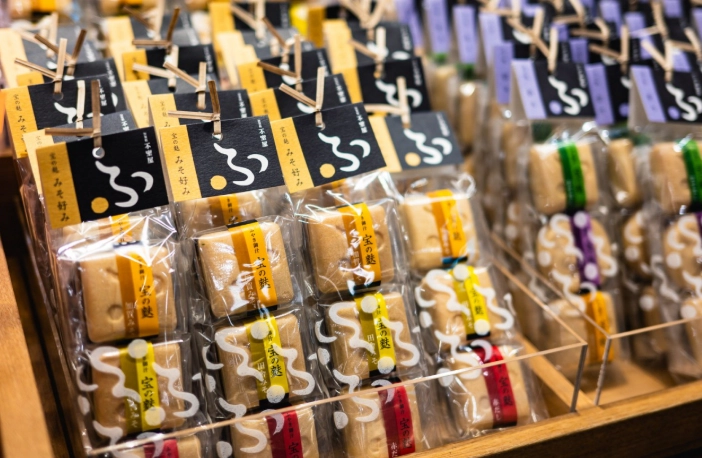
Kanazawa's souvenirs are different. They're tied to centuries-old crafts that the city has perfected. We're talking about gold leaf so fine it floats on air, pottery with colors that tell stories, and lacquerware that feels like holding liquid night. This isn't just shopping; it's taking home a piece of living history. But with so many options, where do you even start? This guide cuts through the noise. I'll show you exactly what's worth your money (and suitcase space), where to find it, and how to avoid the overpriced tourist trinkets.
Top 10 Must-Buy Kanazawa Souvenirs
Forget the top five lists you see everywhere. Here are the ten items that truly define a Kanazawa haul, based on authenticity, quality, and that special connection to the city. I've ranked them not just by popularity, but by how well they represent the soul of Kanazawa's craftsmanship.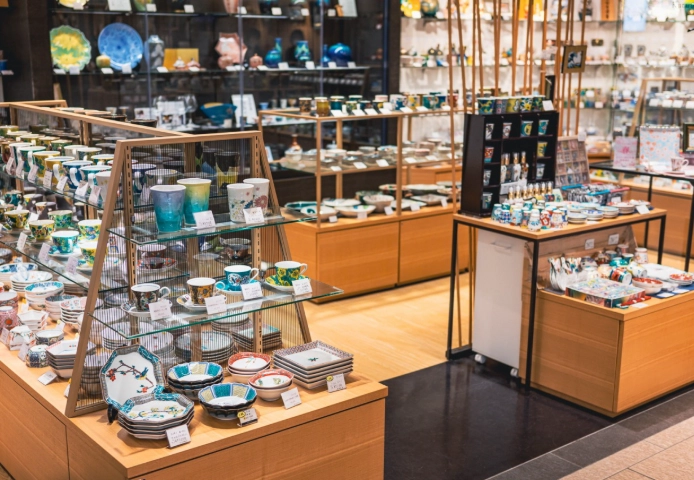
#1: Kanazawa Gold Leaf (Kimpaku) Products
Kanazawa produces over 99% of Japan's gold leaf. It's not just for temples. You can find it on everything. The classic is gold leaf flake in a decorative box (¥1,500 - ¥5,000), perfect for food decoration. But the real fun is in the applications: gold leaf-covered soap, face masks, and even sake. A small vial of pure gold leaf flakes makes an unforgettable, lightweight gift.
#2: Kutani-yaki (Kutani Ware) Pottery
This porcelain is famous for its vibrant five-color overglaze enamels (red, green, yellow, purple, navy). Look for modern pieces like elegant coffee cups (¥3,000 - ¥8,000) or small plates. Avoid the mass-produced, overly bright pieces in some souvenir stalls. Authentic Kutani ware has a depth to its colors and fine, detailed painting.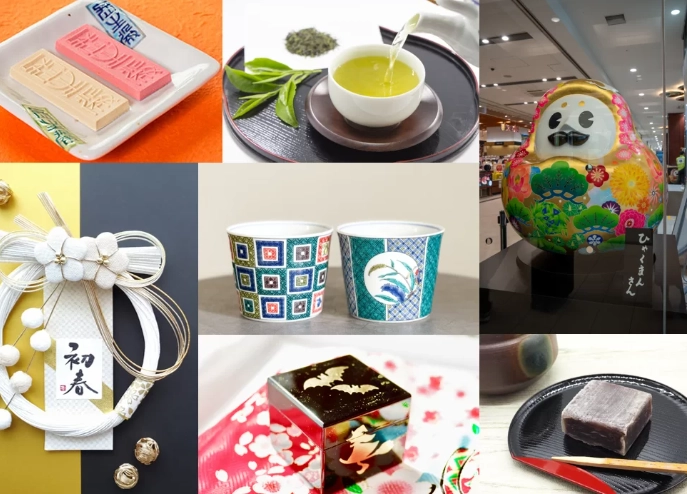
#3: Kaga Yuzen Silk Products
Kaga Yuzen is a dyeing technique known for realistic natural motifs like flowers and birds. A full kimono costs a fortune, but you can buy stunning tenugui (thin cotton hand towels, ¥1,000 - ¥2,500) or furoshiki(wrapping cloths, ¥2,000 - ¥5,000). They're practical, beautiful, and pack flat.
#4: Kanazawa Lacquerware
Known as "Kanazawa Shikki," this lacquerware uses techniques like maki-e (sprinkled picture) where gold powder is layered. It's an investment. A beautiful small jewelry box can run ¥8,000 to ¥20,000. But even a simple lacquered chopstick set (¥3,000 - ¥7,000) feels luxurious and lasts a lifetime.
#5: Gold Leaf Ice Cream
Okay, you can't take it home. But you HAVE to try it while you're there. It's the ultimate Kanazawa experience. A soft-serve vanilla cone wrapped in a sheet of edible gold leaf. It costs around ¥900-¥1,200. Is it just for the photo? Maybe. But it's delicious, and the gold leaf has no taste—just a delicate texture.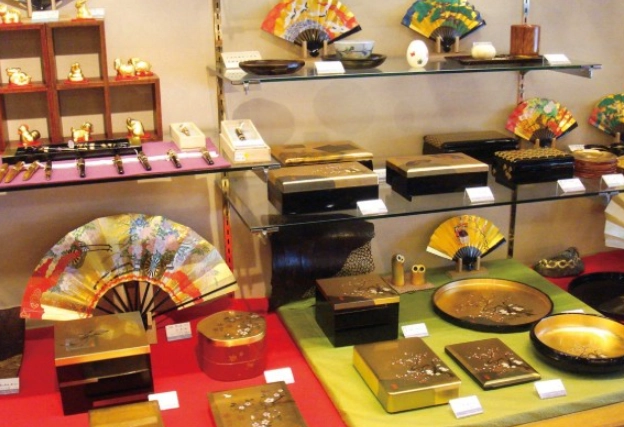
#6: Noto Peninsula Sea Salt & Products
From the nearby Noto Peninsula, this salt is harvested using ancient methods. You can buy bags of pure salt or flavored varieties like yuzu salt (¥800 - ¥1,500). It's a fantastic, cheap gift for foodies. Look for salt-based cosmetics too, like bath salts.
#7: Kaga Hosho (Traditional Paper)
This thick, durable paper was historically used for Noh theater scripts. Now it's made into beautiful stationery, notebooks (¥1,500 - ¥4,000), and lampshades. It has a unique, soft texture that feels wonderful to touch.
#8: Omi-cho Market Food Souvenirs
Don't skip the food. Omi-cho Market sells dried seafood, pickles, and local sake. Look for kabura-zushi (yellowtail and turnip pickled in rice bran), a local specialty. Packaged versions for travel are available. Also, pick up some Kaga vegetables seeds or spices if customs allows.
#9: Modern Craft Accessories
Young artisans are reinventing traditional crafts. Look for jewelry made with tiny fragments of Kutani ware or gold leaf sealed in resin. You'll find unique earrings, pendants, and brooches (¥2,500 - ¥10,000) that are wearable art.
#10: Kaga Mizuhiki
Mizuhiki are decorative cords made from twisted paper, used for gift-wrapping and ceremonies. Kanazawa's Kaga Mizuhiki is particularly intricate. Small decorative ornaments or keychains (¥800 - ¥2,000) made with these cords are a subtle, elegant souvenir.
A quick tip most guides miss: If you're buying gold leaf products, check if the gold is applied with traditional urushi (lacquer) or a modern adhesive. The lacquer-backed ones (slightly more expensive) last much longer without the gold flaking off. Run your finger gently over the edge. If you see tiny gold flakes come off easily, it's probably the cheaper kind.
Where to Buy Authentic Kanazawa Souvenirs
Location is everything. Buying a Kutani ware cup in a generic Japan-wide souvenir chain is not the same as buying it from a shop next to the kiln. Here’s your map to the real deals.
Higashi Chaya District
This is the famous geisha district. It's touristy, but the shops here are often the real deal, specializing in high-end crafts.
- Hakuichi: The gold leaf empire. Their main store here is an experience. You can try gold leaf application yourself. Address: 1-3-27 Higashiyama.
- Kutani Kosen: A small gallery-style shop with exquisite, modern Kutani ware. The owners are often there and love to explain the pieces. Look for their "Kutani Sea" series.
Kenrokuen Garden & Kanazawa Castle Vicinity
The areas surrounding these landmarks are dotted with reputable craft shops.
- Ishikawa Prefectural Products Center (Sogo Bussankan): A one-stop shop run by the prefecture. Prices are fair, quality is guaranteed, and it's tax-free for tourists. It's less atmospheric but highly efficient. Address: 2-20 Kenroku-machi.
- Various small workshops along the streets leading to the 21st Century Museum often have "making" experiences.
Kanazawa Station Area
Perfect for last-minute shopping.
- Hyakubangai (The Hundred Vendor Street): Located underground at Kanazawa Station. This is a curated collection of the best local food and craft shops from across Ishikawa Prefecture. It's clean, convenient, and the quality is surprisingly high.
Omi-cho Market
For food souvenirs, this is your spot. Go hungry, sample liberally, then buy packaged goods from the same stalls. Address: 88 Aokusa-cho.
| Shop/Area | Best For | Price Range | Atmosphere |
|---|---|---|---|
| Hakuichi (Higashi Chaya) | Gold leaf everything, luxury items | Mid to High | Traditional, immersive |
| Ishikawa Sogo Bussankan | One-stop shop, all major crafts, tax-free | Low to High | Modern, efficient |
| Kanazawa Station Hyakubangai | Last-minute gifts, curated local selection | Mid | Convenient, bustling |
| Omi-cho Market Stalls | Food souvenirs, local delicacies | Low to Mid | Lively, authentic market feel |
How to Choose the Right Kanazawa Souvenir for Your Budget?
Let's get practical. Your budget and luggage space are real constraints.
If you have under ¥3,000: Focus on consumables and small items. A pack of Noto salt, a beautiful tenugui (hand towel), a small box of gold leaf flakes, or a few postcards made from Kaga Hosho paper. The food items from Omi-cho Market are winners here.
If you have ¥3,000 - ¥10,000: This is the sweet spot. You can get a beautiful Kutani ware cup and saucer, a quality lacquered chopstick set, a piece of modern craft jewelry, or a medium-sized furoshiki cloth. Look for items you'll actually use.
If you have over ¥10,000: Now you're investing in heirlooms. Consider a small lacquerware box with maki-e, a finer piece of Kutani ware like a vase, or a high-quality silk accessory. Visit the smaller galleries in Higashi Chaya and talk to the shopkeepers. They often have pieces not on display.
My personal rule? I'd rather buy one truly beautiful, useful ¥8,000 item than five cheap trinkets that will end up in a drawer. That one good piece will remind you of Kanazawa every time you see it.
Your Kanazawa Souvenir Questions Answered
I only have one day in Kanazawa. What's the most efficient souvenir shopping route?
Are Kanazawa souvenirs cheaper at the airport?
What's the one souvenir most tourists overlook but is actually amazing?
How do I safely pack fragile items like Kutani ware or lacquerware in my suitcase?
Is it worth doing a gold leaf application workshop, or should I just buy the products?
Comments