Let's get one thing straight. Tokyo gets all the buzz, but Yokohama? Yokohama gets to have all the fun, especially when it comes to food. As Japan's first major port to open to the West, this city's culinary DNA is a wild, wonderful mix of deep Japanese tradition and bold international fusion. It's where you can slurp ramen from across the nation under one roof, bite into a dumpling that's evolved over 150 years, and watch the sunset with a craft beer in hand. Forget just visiting—you come to Yokohama to eat.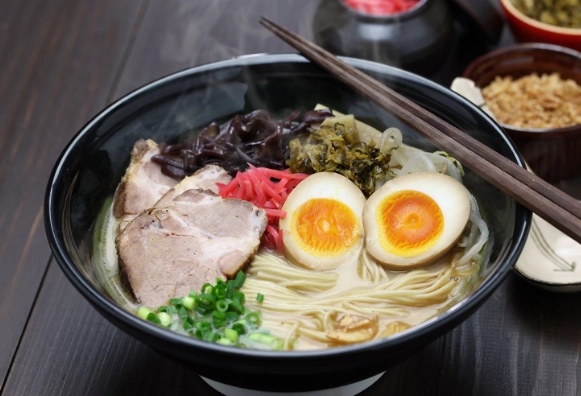
Your Yokohama Food Journey at a Glance
The Heart of the Feast: Yokohama Chinatown
Walk through any of the four giant, colorful gates and you're hit with it—the sizzle of woks, the steam from bamboo baskets, the sweet, pungent, utterly irresistible smell of a hundred different kitchens working at full tilt. This isn't just the largest Chinatown in Japan; it's a living, breathing, eating monument to Yokohama's history. Over 600 shops and restaurants are packed into a few square blocks.
Most first-timers make a beeline for the xiaolongbao (soup dumplings). They're good, sure. But the real star, the dish that's become Yokohama's own, is the Yokohama-style Shumai. These aren't the dainty, translucent dim sum you might know. They're hefty, juicy pork dumplings with a coarser filling, steamed to order and served piping hot. You eat them with karashi (Japanese hot mustard), not soy sauce. It's a flavor that landed here with early Chinese settlers and never left.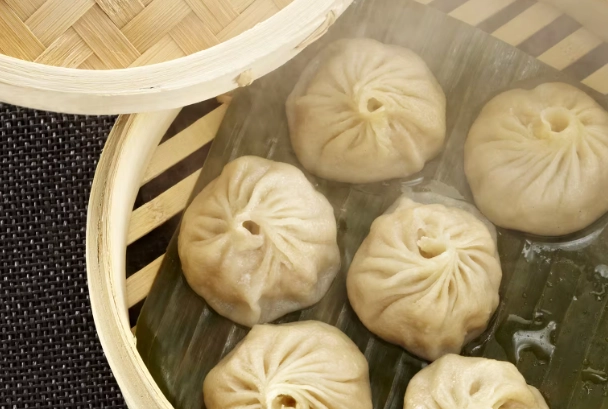
Where to Eat in Chinatown (Beyond the Obvious):
- Manchinro Honten (萬珍樓本店): The oldest restaurant in Chinatown (opened 1892). Don't be intimidated by the grand entrance. Their lunch sets are a steal. Try the Shumai Teishoku – you get history on a plate. Address: 186 Yamashitacho, Naka Ward. Lunch sets from ¥1,500.
- Kanteibyo Mazu Plaza Food Stalls: Behind the stunning Kanteibyo temple, this small plaza has a row of takeout stalls. Perfect for grabbing a bag of steamed buns (butaman), skewers, or sesame balls to eat on the go. Look for the long line—it's always worth it.
- Bake Culture: Need a break from savory? This place does insane egg tarts with a perfectly flaky, multi-layered crust. The matcha and original custard are both winners.
A common mistake? Spending your entire budget on one fancy dinner. Chinatown is best experienced as a graze. Buy a single shumai from a street vendor (¥200). Share a plate of Peking duck pancakes. Split a bowl of tantanmen noodles. The variety is the point.
A Ramen Time Capsule: The Shin-Yokohama Ramen Museum
Calling the Shin-Yokohama Ramen Museum a "museum" is a bit of a trick. It's actually a brilliantly conceived underground food theme park that recreates the downtown Tokyo of 1958, the year instant ramen was invented. The moody, detailed alleyways, vintage ads, and old-school shop fronts are the main exhibit. The nine ramen shops, each representing a famous regional style from across Japan, are the interactive part.
Here's the insider hack that most blogs don't stress enough: order the mini-men (mini ramen). For about ¥300-¥500 per bowl, you get a third of a regular serving. This isn't a gimmick; it's a genius design. It means you can try a rich, milky tonkotsu from Kyushu, a miso-laden broth from Hokkaido, and a clear, soy-based shoyu from Tokyo without needing a nap or a doctor afterwards. You become a ramen critic for a day.
Practical Info: Open 11:00-22:00 (last order 21:40). Admission is a surprisingly low ¥380 (adults). The ramen shops operate on a ticket system—buy food tickets at the machines inside each shop. It gets packed on weekends; aim for a weekday lunch. Address: 2-14-21 Shinyokohama, Kohoku-ku. A 5-minute walk from Shin-Yokohama Station (Shinkansen stop!).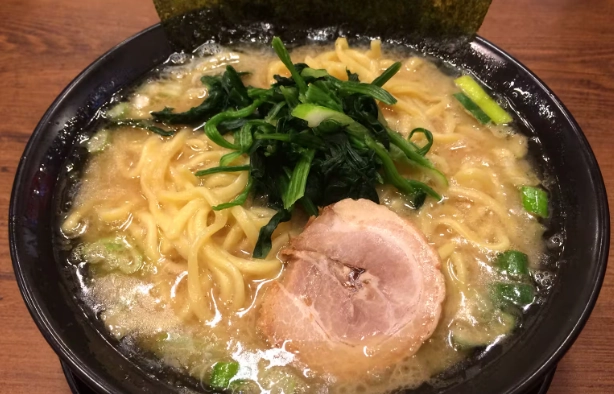
Which Ramen Shop Should You Try?
It depends on your mood. Komurasaki (Kumamoto style) is my personal go-to for its creamy, garlicky tonkotsu with thin noodles. If you want something truly unique, Ryukyu Shinmen Tondou serves Okinawan soba, a completely different beast with a lighter broth and wheat/rice noodles. Feel overwhelmed? Just pick the shop with the line that moves the fastest—they're all excellent.
Modern Bites & Waterfront Views: Minato Mirai
After the sensory overload of Chinatown and the retro vibes of the Ramen Museum, Minato Mirai 21—Yokohama's sparkling waterfront district—offers a completely different dining vibe. Think sleek izakayas, cafes with harbor views, and upscale international cuisine. This is where Yokohama looks forward.
For a classic Japanese pub experience with a killer view, you can't beat an izakaya in the Landmark Tower or Queen's Square area. Toriyoshi is a reliable chain with a great selection of yakitori (grilled chicken skewers) and local beers. Expect to pay ¥3,000-¥5,000 per person with drinks.
But my favorite spot for a casual yet memorable meal is the Yokohama Red Brick Warehouse (Aka Renga). These historic warehouses have been converted into a shopping and dining complex. In the evenings, the plaza between them often hosts markets. The restaurants here are solid—think Japanese-Italian fusion, hearty curry houses, and craft beer bars. Grab a seat by a window and watch the ferries go by.
| Area | Vibe | Must-Try Dish | Budget Tip |
|---|---|---|---|
| Chinatown | Historic, Bustling, Authentic | Yokohama-style Shumai | Graze on street food & lunch sets |
| Ramen Museum | Nostalgic, Fun, Interactive | Multiple Mini Ramen Bowls | ¥380 entry + ¥500 per mini bowl |
| Minato Mirai | Modern, Scenic, Upscale-Casual | Yakitori at a view izakaya | Lunch menus at hotel restaurants |
| Kannai / Noge-cho | Local, Rustic, Izakaya Alley | Kushi-age (deep-fried skewers) | Happy hour drinks & bar snacks |
How to Plan Your Yokohama Food Crawl
Trying to hit all of Yokohama's food spots in one day is a recipe for a stomach ache. The city's districts are spread out. Here’s a realistic, delicious one-day itinerary I'd give a friend.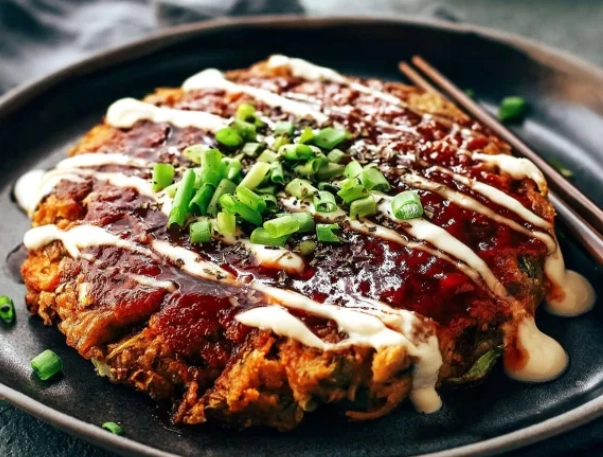
Morning (10:30 AM): Start at Shin-Yokohama Station. Head straight to the Ramen Museum. Pay the entry, soak in the atmosphere, and have your first mini-bowl as an early lunch appetizer. Maybe go for a Hokkaido miso to wake up your taste buds.
Afternoon (1:30 PM): Take the subway (Blue Line) from Shin-Yokohama to Ishikawacho Station, the back entrance to Chinatown. This avoids the main tourist crush at Motomachi-Chukagai Station. Spend 2-3 hours wandering. Have a shumai from a street stall. Share a proper lunch plate at a smaller restaurant in a side alley. Save room for an egg tart.
Evening (6:00 PM): Walk or take a short train to Kannai or Noge-cho. This is the old salaryman district, packed with tiny, authentic izakayas. It's less polished than Minato Mirai but full of character. Find a spot that looks busy with locals and point at what looks good. This is your dinner.
Late Evening (8:30 PM): If you have energy, take the Minato Mirai Line to Minato Mirai. Grab a nightcap at a bar with a view of the lit-up Ferris wheel. You've earned it.
Your Yokohama Food Questions, Answered
What is the one food you absolutely must try in Yokohama?
The signature dish is 'Shumai' (steamed pork dumplings) in Yokohama Chinatown. Unlike the Cantonese version, Yokohama's shumai is larger, juicier, and has a coarser, more flavorful pork filling. It's a direct culinary legacy from the city's port history. Head to old-school shops like Manchinro Honten for the classic experience.
Is the Yokohama Ramen Museum worth it for someone who isn't a huge ramen fan?
Surprisingly, yes. It's less a museum and more a themed food park that recreates a 1958 Tokyo street. The atmosphere is the main attraction. You can order mini bowls ('mini-men') from nine different regional ramen shops, allowing you to taste Hokkaido miso, Kyushu tonkotsu, and Tokyo shoyu styles without committing to a full, heavy bowl each time. It's a fun, low-pressure introduction to Japan's ramen culture.
What are some tips for finding authentic and affordable food in Yokohama Chinatown?
Avoid the main drag packed with souvenir stalls. Instead, duck into the narrow side alleys ('roji'). Look for small, bustling shops with plastic food models and menus only in Japanese or simple Chinese. For a cheap, filling lunch, find a place selling 'Chuka-don' (Chinese-style rice bowl) or grab fresh steamed buns from a street vendor. Also, go for set lunches; they're significantly better value than ordering a la carte at dinner.
Where can I find good food options in Yokohama for a family with young kids?
The Yokohama Ramen Museum is perfect for families—the mini bowls are kid-sized, and the retro atmosphere is engaging. For a calmer setting, the restaurants at Yokohama Red Brick Warehouse offer diverse menus (pasta, curry, Japanese sets) in a spacious, historic building with room for strollers. Many izakaya (like Toriyoshi) are family-friendly early in the evening, offering grilled chicken skewers and rice dishes that appeal to all ages.
Yokohama doesn't just feed you; it tells you a story with every bite. It's the story of ships arriving, cultures colliding, and communities making something new and delicious out of the mix. From the historic steam of Chinatown to the curated nostalgia of the Ramen Museum and the sleek waterfront tables of Minato Mirai, your appetite is the best map you can have. Start hungry.


Comments