In This Guide
- Why Sapporo Should Be Your Next Travel Destination
- Planning Your Sapporo Adventure: The Essentials
- Crafting Your Perfect Sapporo Itinerary
- Top Things to Do in Sapporo: Must-Sees & Hidden Gems
- Sapporo's Food Scene: What & Where to Eat
- Getting Around Sapporo: A Transportation Cheat Sheet
- Sapporo Travel on a Budget: Money-Saving Tips
- Your Sapporo Travel Questions Answered (FAQ)
So you're thinking about a trip to Sapporo? Good choice. Honestly, it's one of those cities that sneaks up on you. You go for the snow, the beer, or the ramen (all excellent reasons, by the way), but you leave remembering the vibe—this perfect mix of a modern city and wide-open Hokkaido nature right on its doorstep.
I've been a few times now, in different seasons, and each visit feels different. Planning your own Sapporo travel adventure can feel a bit overwhelming at first. What's worth it? What's overrated? How do you even get around? This guide is here to cut through the noise. Think of it as a chat with a friend who's been there, made some mistakes (like wearing the wrong shoes in February—ouch), and found some incredible spots you won't see on every postcard.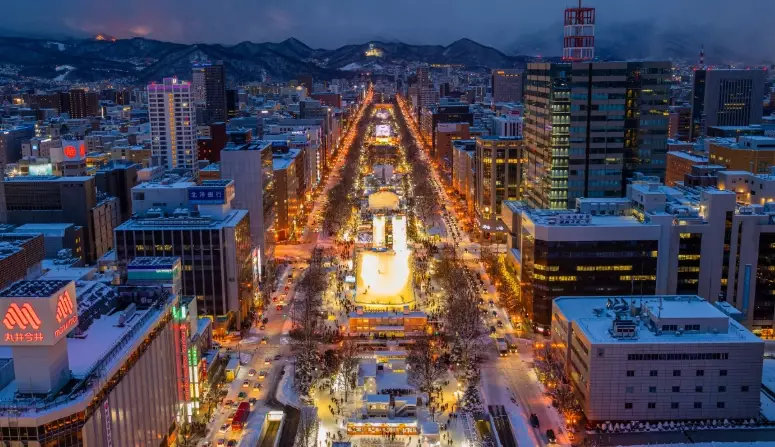
Why Sapporo Should Be Your Next Travel Destination
It's not just the Sapporo Snow Festival, though that's obviously a huge draw. The city has layers. In winter, it's a sparkling wonderland of powder snow (some of the best in the world, seriously). In summer, it's lush, green, and pleasantly cool—a perfect escape from Japan's sweltering southern cities. Autumn brings insane fall colors in places like Nakajima Park, and spring has its own quiet charm before the crowds hit.
The food culture alone is worth the flight. We're talking miso ramen born here, insane seafood from the nearby ports, Genghis Khan lamb barbecue, and of course, the beer. It's a city built for eating and drinking well, without the frantic pace of Tokyo.
And then there's the access. Sapporo is your perfect base. A short train ride gets you to the historic port town of Otaru. A bit further, and you're in the ski paradise of Niseko or the lavender fields of Furano in summer. Structuring your Sapporo travel plans to include these day trips is a game-changer.
Planning Your Sapporo Adventure: The Essentials
Best Time to Visit Sapporo
This is the million-dollar question. There's no single "best" time—it depends on what you want.
| Season | What to Expect | Best For | My Personal Take |
|---|---|---|---|
| Winter (Dec-Feb) | Heavy snow, freezing temps, Sapporo Snow Festival (early Feb). | Snow festivals, skiing/snowboarding, winter illuminations, onsen (hot springs). | The peak season for a reason. Magical but cold. Pack seriously warm gear. Hotels book up fast for the Snow Festival. |
| Spring (Mar-May) | Snow melts by April, cool and crisp weather, cherry blossoms in late April/early May. | Fewer crowds, lower prices, comfortable sightseeing weather, late-season skiing in March. | An underrated gem of a season. You might see snow and blossoms in the same trip. A great balance. |
| Summer (Jun-Aug) | Pleasant and mild (rarely above 28°C/82°F), lush greenery, occasional rain. | Hiking, beer gardens, outdoor festivals, escaping the heat, day trips to Furano/Biei. | My favorite for pure comfort. The city feels alive. The Sapporo Beer Garden is in its element. No humidity nightmare like elsewhere in Asia. |
| Autumn (Sep-Nov) | Cool, crisp air, stunning fall foliage peaking in October, fewer tourists. | Autumn colors photography, hiking, food festivals (like the Sapporo Autumn Fest), comfortable city exploration. | Breathtakingly beautiful. The parks are on fire with color. A foodie's delight with the harvest season. |
For a first-time Sapporo travel experience aiming for the classics, winter (Snow Festival time) or summer are solid picks. If you hate crowds and love a bargain, shoot for the shoulder seasons—late April/May or October/early November. You really can't go wrong.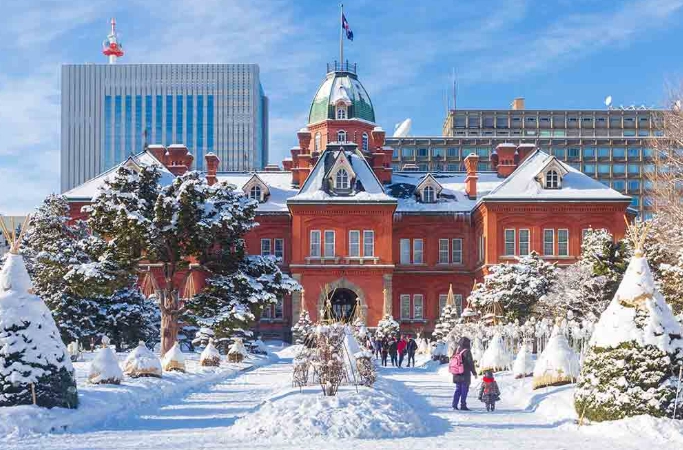
Budgeting for Your Trip: How Much Do You Really Need?
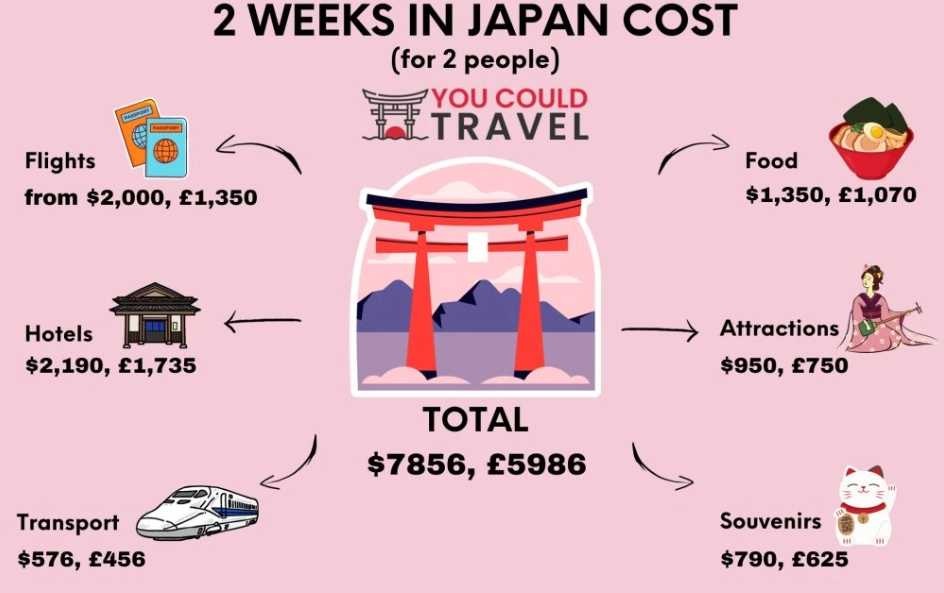
Japan has a reputation for being expensive, but Hokkaido, and Sapporo specifically, can be kinder to your wallet than Tokyo or Kyoto. Here's a real-world breakdown.
Budget Traveler (Dorm beds, convenience store meals, lots of walking): You could manage on ¥7,000-¥9,000 per day. This gets you a dorm bed, a couple of cheap eats (a bowl of ramen is your best friend), a day pass for transport, and maybe one paid attraction.
Mid-Range Traveler (My recommended sweet spot): This is where Sapporo shines. Budget ¥15,000-¥25,000 per day per person. This comfortably covers a nice business hotel or Airbnb, eating at solid local restaurants for every meal (ramen for lunch, a nice dinner of sushi or Genghis Khan), entry fees to museums and parks, using taxis occasionally, and indulging in some treats. Most of my Sapporo travel has been in this range, and I never felt like I was missing out.
Luxury Traveler (High-end hotels, fine dining, private tours): The sky's the limit, but expect to pay ¥40,000+ per day easily for top-tier hotels and culinary experiences.
The biggest cost is usually flights and accommodation. Eating out is surprisingly reasonable if you stick to local joints. Transportation within the city is cheap and efficient.
Where to Stay in Sapporo: Neighborhood Guide
Sapporo's grid system makes location less stressful than in other cities, but picking the right base helps.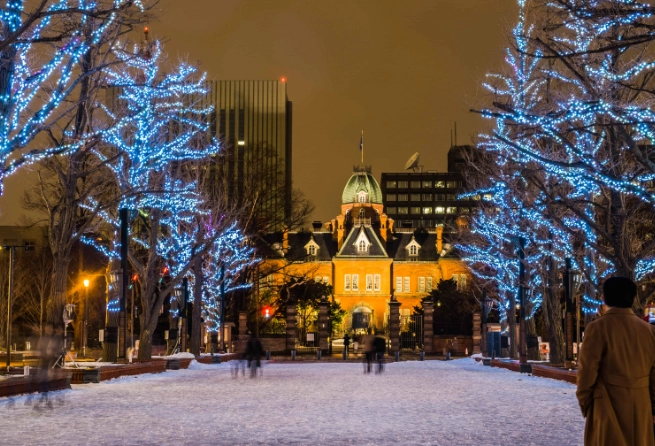
| Area | Vibe & Best For | Pros | Cons |
|---|---|---|---|
| Sapporo Station Area | The transport hub. Business-like, convenient, great shopping. | Unbeatable for train/bus connections (airport, day trips). Loads of department stores (Stellar Place, Daimaru) and underground malls (APIA, Paseo). Tons of hotel options. | Can feel impersonal and crowded. Nightlife/dining is less concentrated here than in Susukino. |
| Susukino | The entertainment district. Energetic, neon-lit, foodie heaven. | Incredible density of restaurants, bars, ramen joints, and nightlife. Walking distance to Odori Park. Feels very "alive" at night. Great for food-focused Sapporo travel. | Can be noisy, especially on weekends. Some side streets might feel a bit seedy late at night (but generally safe). |
| Odori Park Area | Central and scenic. Balanced, tourist-friendly, close to everything. | Right in the middle of the main sights (TV Tower, Museum). Peaceful with park views. Easy walk to both Station and Susukino. | Hotels here can be pricier. Fewer ultra-late-night dining options right outside your door compared to Susukino. |
| Nakajima Koen Area | Quiet and cultured. Residential, leafy, close to the arts. | Beautiful and peaceful, centered around Nakajima Park. Close to the Historical Museum and Hokkaido University of Education. Feels more local. | Further from the main transport hub. You'll rely more on the subway or walking. Fewer immediate hotel choices. |
My go-to? For a first trip, I'd split the difference and stay near Odori or the southern end of Susukino. You're within a 10-15 minute walk of almost everything central. The Station area is perfect if you have several day trips planned and don't want to haul luggage far.
Crafting Your Perfect Sapporo Itinerary
Here's the fun part. Let's build some sample itineraries based on how many days you have. These mix the iconic spots with some local flavor.
The Classic 3-Day Sapporo Travel Blitz
Perfect for a long weekend or as part of a bigger Japan trip.
Day 1: The Heart of the City
Start at Odori Park. Walk its length. See the Sapporo TV Tower (the view is better than you think, especially to grasp the grid layout). Head to the Sapporo Clock Tower – it's small and a bit underwhelming from the outside, but the historical exhibit inside is genuinely interesting. For lunch, hit Ramen Alley in Susukino (Ramen Shingen is a classic). Afternoon at the Sapporo Beer Museum. The tour is free, and the tasting flight at the end is a must. Have dinner at the adjacent Genghis Khan Hall in the Beer Garden for the all-you-can-eat lamb experience. It's touristy but a legitimately fun rite of passage.
Day 2: History, Shopping & Nightlife
Morning at the Historical Village of Hokkaido (Kaitaku-no Mura) on the Tozai subway line. It's an excellent open-air museum with preserved buildings from Hokkaido's pioneer days. Way more engaging than it sounds. Head back to the city center for lunch. Afternoon shopping: Tanukikoji Shopping Arcade for souvenirs and quirky shops, then the more upscale Stellar Place near the station. Evening, explore Susukino properly. Skip the flashy touts and find a tiny izakaya in one of the side streets. Or, for a unique experience, catch a show at the Norbesa building's rooftop ferris wheel for night views.
Day 3: Choose Your Own Adventure
Option A (Nature): Take a morning trip to Moerenuma Park. It's a stunning, massive art park designed by Isamu Noguchi. Rent a bike, explore the geometric landscapes. It's a local favorite and feels worlds away from the city.
Option B (Day Trip): Take the 30-minute train to Otaru. Stroll the canal, visit the music box museum, and eat incredibly fresh sushi at the Sankaku Market. Be back in Sapporo for a farewell dinner.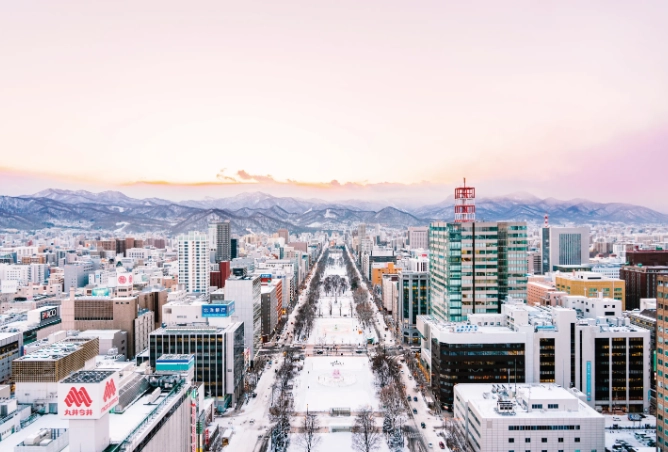
The Ideal 5-Day Deep Dive Itinerary
This is the gold standard for a dedicated Sapporo and immediate surrounds trip.
Days 1 & 2: Follow the 3-day blitz above, but slower. Spread the central sights over two days. Add in the Hokkaido University Botanic Garden or the Hokkaido Museum of Modern Art if that's your thing.
Day 3: Full Day Trip to Otaru
Don't rush it. Morning train to Otaru. Walk the canal, then explore the Unga (Canal) Plaza for local info. Dive into the maze of Sakaimachi Street for glassworks and music boxes. Lunch on kaisendon (seafood rice bowl) at the market. In the afternoon, visit the Otaru Aquarium or take a short bus to the Otaru Tenguyama Ropeway for panoramic views of the port city and sea. Stay for dinner—Otaru's sushi is legendary—before taking an evening train back.
Day 4: Mountains and Onsen
Take the subway to Makomanai Station and a short bus to Moiwayama. Take the ropeway up Mt. Moiwa for arguably the best panoramic view of Sapporo in a bowl of mountains. The observatory at the top is fantastic day or night. In the afternoon, head to Jozankei Onsen (about an hour by bus from Sapporo Station). Soak in a traditional onsen (many day-trip friendly hotels offer day-use passes) and enjoy a kaiseki-style lunch or early dinner surrounded by mountains before heading back.
Day 5: Local Flavors & Last-Minute Souvenirs
Morning visit to the Nijo Market (smaller than the famous ones but central) for a fresh seafood breakfast. Then, head to the Former Hokkaido Government Office Building (Akarenga)—the red brick building is photogenic and free to enter. Spend your final afternoon revisiting a favorite neighborhood, shopping for last-minute treats like Shiroi Koibito cookies from the factory outlet, or simply relaxing in Nakajima Park. A final evening ramen or izakaya crawl in Susukino is the perfect send-off.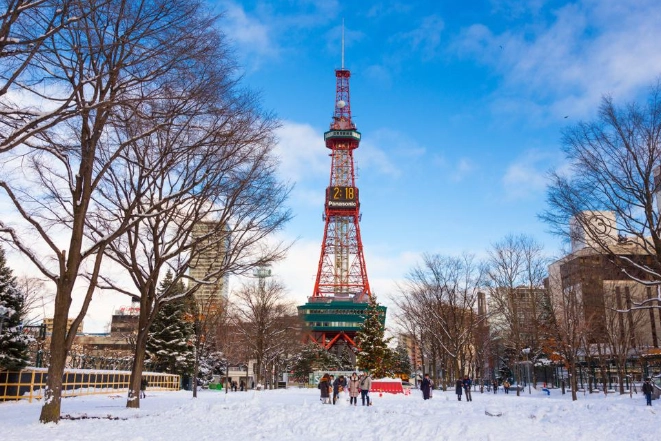
Top Things to Do in Sapporo: Must-Sees & Hidden Gems
The Iconic Must-Dos
Sapporo Snow Festival (Yuki Matsuri): Obviously. If your trip coincides with it (early February), it's the main event. The ice sculptures at Odori Park are mind-blowing. The crowds are also mind-blowing. Book everything way in advance. Official site is your bible: Sapporo Snow Festival Official Site.
Sapporo Beer Museum & Garden: More than just a brewery tour. It's a piece of Japanese industrial history. The museum is quick and free. The real joy is in the Garden, sitting at long tables grilling your own lamb (jingisukan) and washing it down with freshly poured Sapporo Classic (a brew you can only get in Hokkaido). It's loud, communal, and utterly satisfying.
Odori Park: The city's green spine. It's not just an empty space; it hosts events, has fountains, and offers great people-watching. The view from the TV Tower in the middle gives you the best geographical understanding of the city.
Local Favorites & Hidden Spots
Moerenuma Park: I mentioned it, but it deserves its own highlight. This isn't just a park; it's a land art sculpture you can walk into. The glass pyramid (Hidamari), the massive fountain, and Mount Moere (an artificial hill) are all stunning. Rent a bicycle. It's huge.
Hokkaido Shrine (Hokkaido Jingu): Tucked in Maruyama Park, it's a serene, forested oasis. A world away from the downtown bustle. Especially beautiful during cherry blossom season and the first shrine visit of the New Year (Hatsumode).
The Ramen Scene Beyond the Alley: Sure, go to Ramen Alley (Ganso Ramen Yokocho). But then, explore. Sumire for its legendary miso ramen (be prepared to queue). Menya Saimi for a rich, contemporary take. Part of the joy of Sapporo travel is finding your own favorite ramen shop.
Mt. Okura Ski Jump Stadium: Even if you're not a ski jumper, the scale of the jumps is terrifyingly impressive. You can take a chairlift up to the observation platform at the base of the large jump and stare down the ramp. The adjacent Sapporo Winter Sports Museum is fun and interactive.
Sapporo's Food Scene: What & Where to Eat
Hokkaido is Japan's breadbasket (and dairy basket, and seafood basket). Sapporo is where you enjoy it all.
Soup Curry: Don't confuse this with regular Japanese curry. This is a Hokkaido invention—a broth-like, deeply spiced soup loaded with vegetables and a protein (chicken leg is classic). It's incredible. Suage+ and Picante are famous chains, but small local shops abound.
Genghis Khan (Jingisukan): Lamb or mutton grilled on a dome-shaped skillet. Named after the Mongolian warrior, it's a Hokkaido staple. The Beer Garden is the famous spot, but any local jingisukan-ya will be great.
Seafood: Kaisendon (seafood rice bowl) at the markets (Nijo or Curb Market), fresh sushi (Otaru is king, but Sapporo has excellent places too), and grilled crab in winter.
Dairy: Soft serve ice cream everywhere. Milk, cheese, butter—all richer and creamier. Try the local cheesecake or a milk-based pastry.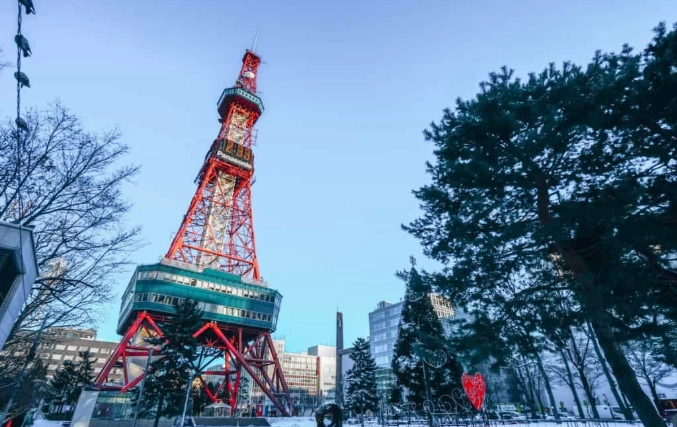
| Food Type | Must-Try Dish | Where to Find It | Budget per Person |
|---|---|---|---|
| Ramen | Sapporo Miso Ramen | Ramen Alley (Susukino), Sumire, Ramen Shingen | ¥800 - ¥1,200 |
| Grilled Meat | Genghis Khan (Lamb) | Sapporo Beer Garden, Daruma (chain) | ¥2,000 - ¥4,000 (AYCE options) |
| Curry | Soup Curry | Suage+, Picante, local shops | ¥1,000 - ¥1,500 |
| Seafood | Kaisendon (Seafood Bowl) | Nijo Market, Curb Market (Jogai) | ¥1,500 - ¥3,500 |
| Sweet Treat | Soft Serve Ice Cream / Shiroi Koibito | Farm stands, convenience stores, souvenir shops | ¥300 - ¥1,000 |
Getting Around Sapporo: A Transportation Cheat Sheet
This is one of Sapporo's strengths. The system is logical and clean.
Subway: Three lines (Namboku-green, Tozai-orange, Toho-blue). They intersect at Odori and Sapporo stations. Covers most tourist areas. Buy single tickets or, better yet, a rechargeable SAPICA card (like Suica/Pasmo but for Sapporo). Saves time and gives small discounts.
Buses: Fill in the gaps the subway doesn't reach (like Moerenuma Park, Jozankei). Use your SAPICA card. Google Maps is surprisingly accurate for bus times.
Taxis: Expensive but manageable for short hops, especially in groups or late at night. Hailing one is easy.
Walking: The central area (Odori, Susukino, Station) is very walkable. The grid pattern prevents you from getting lost.
From New Chitose Airport to Downtown
Rapid Airport Train (JR): The fastest and most convenient. Takes about 37 minutes to Sapporo Station. Costs ¥1,150. Runs frequently. This is what 90% of visitors use.
Airport Buses: Slower (60-80 mins) but drop you off at major hotels. Useful if your hotel is on their route and you have heavy luggage. Similar price to the train.
Taxi: Very expensive (¥13,000-¥20,000). Only consider for very late arrivals or large groups.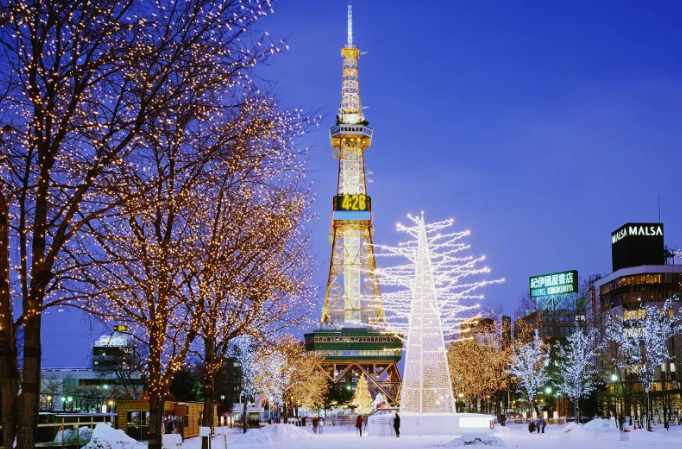
Sapporo Travel on a Budget: Money-Saving Tips
You can have an amazing Sapporo travel experience without blowing your budget.
1. Master the Transportation Passes. I can't stress this enough. The Donichika ticket, the weekend subway pass, the SAPICA card discounts—they add up. Plan your heavy subway/bus days around these passes.
2. Eat Like a Local for Lunch. Many restaurants offer amazing teishoku (set meals) for lunch at half the dinner price. Ramen and curry are always budget heroes. Department store basements (depachika) have incredible, high-quality prepared foods for a cheap and delicious picnic.
3. Seek Out Free Attractions. Odori Park, the Sapporo Beer Museum (tour is free, tasting costs), the Old Government Building (Akarenga), the grounds of Hokkaido Shrine, window shopping in Tanukikoji. You can fill days with low-cost sightseeing.
4. Stay Slightly Off-Center. Hotels a few subway stops from Odori or Susukino are often significantly cheaper. As long as you're close to a subway station (like Hiragishi, Nishi-18-chome on the Tozai line), you're still only 10 minutes from the action.
5. Travel in the Shoulder Seasons. This is the biggest one. Flight and hotel prices plummet outside of Snow Festival week, Golden Week, and summer peak. April-May and October are glorious and cheaper.
6. Buy Souvenirs at Supermarkets or Drugstores. Don't buy all your snacks and gifts at the airport or dedicated souvenir shops. Local supermarkets like Seicomart (a Hokkaido chain) or Drugstores (like Sugi, Tsuruha) sell local snacks, drinks, and cosmetics at regular prices.
Your Sapporo Travel Questions Answered (FAQ)
Is Sapporo good for solo travel?
Absolutely. It's safe, easy to navigate, and has plenty of dining options conducive to solo eating (ramen counters, kaiten-zushi/conveyor belt sushi). Hostels and business hotels cater well to solo travelers.
What should I wear in winter?
Layers. Thermal base layer, fleece, down jacket, waterproof/windproof outer shell. Waterproof, insulated boots with good grip are NON-NEGOTIABLE. The sidewalks can be icy. Hat, gloves, scarf. The cold is dry, so it's not as biting as a humid cold, but -5°C to -10°C (23°F to 14°F) is common.
Do I need to speak Japanese?
It helps, but you can manage very well without. In tourist areas, train stations, and major restaurants, you'll find English signs and menus. Learn a few basic phrases (hello, thank you, excuse me). People are generally patient and helpful. A translation app on your phone is your best friend for menus in smaller places.
Is Otaru worth a day trip?
100%. It offers a completely different, historical port-town vibe compared to Sapporo's modernity. The sushi is arguably the best in Hokkaido. It's an easy and rewarding trip that enriches any Sapporo travel plan.
What's the etiquette for onsens (hot springs) like in Jozankei?
Wash thoroughly at the shower stations before entering the bath. No swimsuits—enter nude (gender-segregated). Small towels are used for modesty when walking, not put in the water. Be quiet and relax. If you have tattoos, check the policy beforehand; some places still prohibit them, though many are relaxing their rules. The official Japan National Tourism Organization guide to onsen etiquette is a perfect primer.
How do I get around with luggage?
Use the excellent luggage forwarding service (takkyubin) like Yamato Transport. You can send your suitcase from the airport to your hotel, or from your hotel in Sapporo to your next destination in Japan. It's affordable, reliable, and lets you travel hands-free. Most convenience stores (Lawson, FamilyMart) can arrange it.
Look, at the end of the day, planning your Sapporo travel is part of the fun. This guide should give you the confidence and the concrete details to build a trip that's perfect for you. Don't try to tick every box. Pick a few highlights, leave room to wander down a side street because you smelled something good, and soak in that unique Hokkaido atmosphere. You're going to have a fantastic time.
And if you find an amazing ramen shop I haven't mentioned? Well, you'll just have to go back to find out.
Comments