Your Kyoto Journey at a Glance
- When to Go: Timing Your Kyoto Japan Travel Adventure
- Getting Around: Kyoto's Transport Made Simple
- Crafting Your Kyoto Itinerary: Beyond the Checklist
- Eating in Kyoto: More Than Just Kaiseki
- Navigating Culture & Etiquette Like a Pro
- Your Kyoto Japan Travel Budget: A Realistic Breakdown
- Sample 3-Day Kyoto Itinerary (The Balanced Approach)
- Kyoto Travel FAQs: Your Burning Questions Answered
- Final Thoughts: Making It Your Own
Let's be honest. You've probably seen a thousand pictures of Kyoto. The bright red gates of Fushimi Inari, the golden pavilion floating on a pond, the geisha in Gion. It looks amazing, right? But planning an actual trip there can feel overwhelming. Which temples are worth it? How do you avoid the crowds? Is the food as good as they say? I've been to Kyoto more times than I can count, made all the mistakes (got hopelessly lost in Arashiyama, spent too much on a mediocre lunch), and figured out what actually makes for a great trip.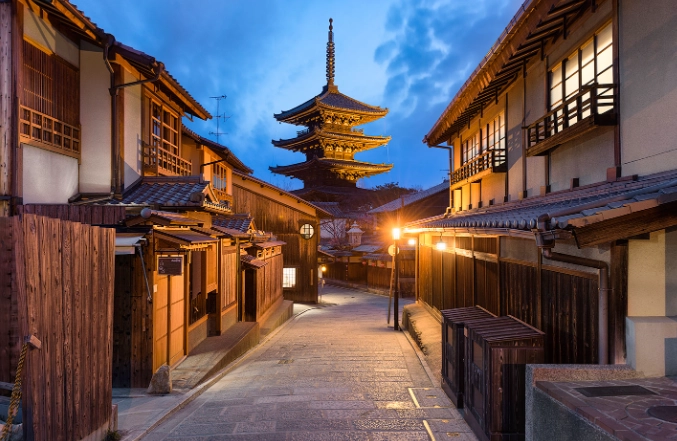
This isn't a list of every single attraction. It's a practical, no-nonsense guide to having an authentic and unforgettable Kyoto experience. We'll talk about timing your visit, managing your budget, navigating the city, and finding those quiet moments that make Kyoto so special. Think of this as a chat with a friend who's been there, done that, and wants you to have the best time possible.
When to Go: Timing Your Kyoto Japan Travel Adventure
This is the single biggest factor that will shape your trip. Get it wrong, and you'll be fighting through shoulder-to-shoulder crowds. Get it right, and you might just have a temple garden all to yourself.
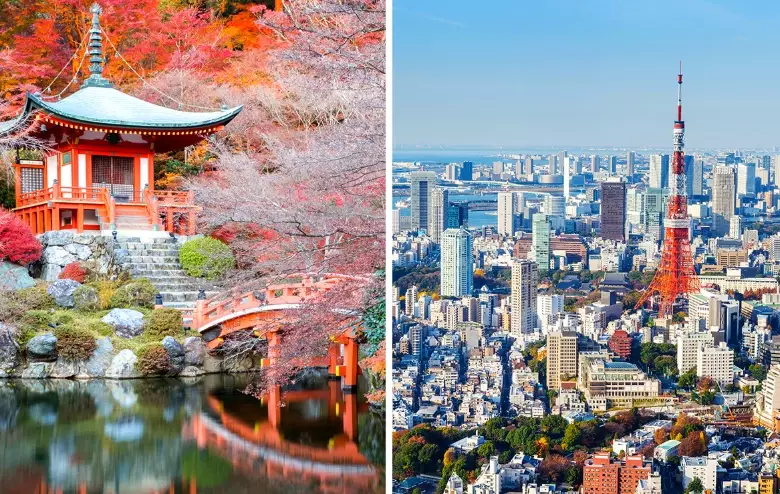
Most people will tell you spring (for cherry blossoms) and autumn (for fall colors) are the best times. They're not wrong about the beauty. The Philosopher's Path under a canopy of pink sakura or Kiyomizu-dera framed by fiery red maple leaves is pure magic. But here's the thing everyone is there. I mean everyone. Hotels triple in price, restaurants have lines out the door, and taking a peaceful photo becomes an Olympic sport.
So, what are the alternatives?
- Late Autumn/Early Winter (Late November - Early December): The crowds thin out significantly after the peak autumn color weekend. The weather is crisp and clear, perfect for walking. You might even catch the early winter illuminations.
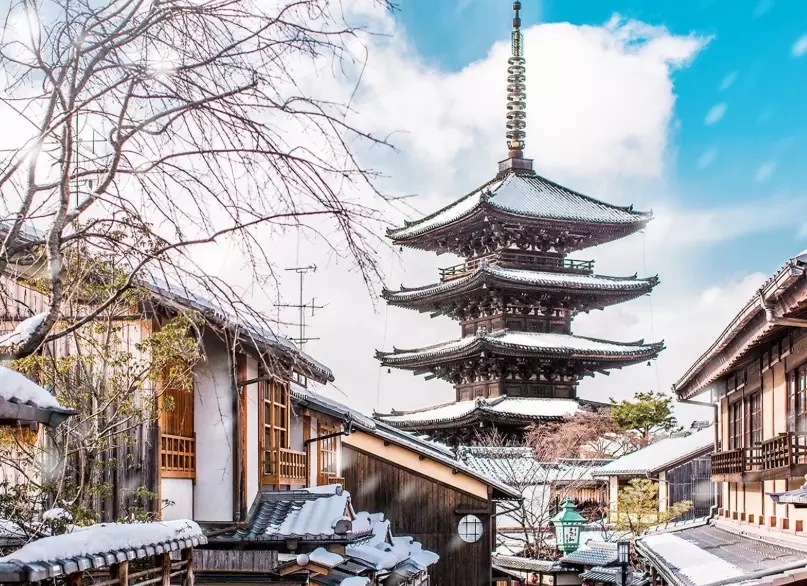
- Winter (January - February): This is Kyoto's secret season. Yes, it's cold, but seeing ancient temples dusted with snow is an experience few tourists get. The lanes of Gion are hauntingly quiet. Just pack a good coat.
- Early Summer (June): Before the brutal humidity and rainy season truly set in, June can be lovely and green. It's the low season for a reason (it can get hot and wet), but you'll have space to breathe.
| Season | Pros | Cons | My Verdict |
|---|---|---|---|
| Spring (Mar-Apr) | Cherry blossoms, mild weather, festivals. | Extreme crowds, highest prices, booked-out accommodations. | Beautiful but stressful. Only go if blossoms are your absolute dream. |
| Summer (Jul-Aug) | Lush greenery, Gion Matsuri festival (July), slightly lower prices. | Hot, humid, rainy season (Jun-Jul), crowded with domestic tourists. | I avoid it. The heat and humidity make temple-hopping a chore. |
| Autumn (Oct-Nov) | Stunning fall foliage, pleasant weather, great for photos. | Peak crowds (esp. Nov), high prices, need to book far in advance. | The best balance of beauty and bearable conditions if you avoid peak Nov weekends. |
| Winter (Dec-Feb) | Fewest crowds, lower prices, chance of snow scenery, illuminations. | Can be quite cold, some gardens are less colorful, shorter days. | My personal favorite for a peaceful, atmospheric trip. Pack thermals! |
See? It's not just about "good" and "bad" seasons. It's about what you value. Do you want perfect photos at any cost, or a more relaxed pace? Your Kyoto Japan travel experience hinges on this choice.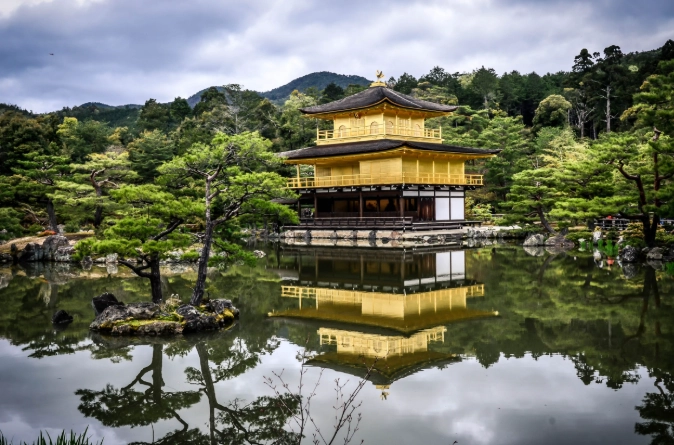
Getting Around: Kyoto's Transport Made Simple
Kyoto's bus system is legendary, and for good reason—it goes everywhere. But it can also be confusing and packed. The subway is limited but efficient for north-south travel. Then there's walking, biking, and taxis.
The Kyoto City Bus & Subway Pass
For most visitors, the one-day bus and subway pass (currently ¥1,100 for adults) is a no-brainer if you plan to visit more than two far-flung spots in a day. You can buy it at subway station windows or on the bus itself (ask the driver on your first ride). Just show it to the driver when you get off the bus. Easy.
The Underrated Power of Bicycles
This is my top tip for able-bodied travelers. Kyoto is surprisingly flat in the central areas, and cycling lets you discover back alleys, stop at random shrines, and move at your own pace. Rental shops are everywhere, with prices around ¥1,000-¥1,500 per day. Just be mindful of traffic rules (ride on the left, sidewalks are often for pedestrians only) and have a good lock.
Imagine cycling down the quiet canal path in the early morning, before the tour buses arrive. That's the real Kyoto.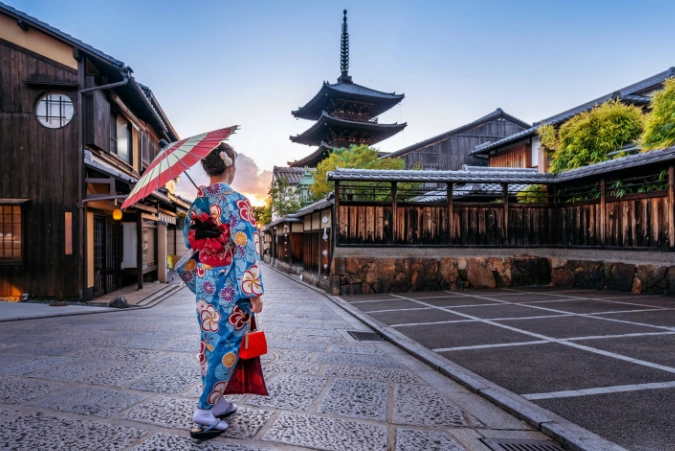
Taxis: Not the Budget-Buster You Think
For short hops between nearby temples, or when your feet are screaming after a long day, taxis can be a smart move. A 10-minute ride for 2-3 people often costs less than individual bus fares and saves you time and energy. Use the "Taxi" app or just hail one—they're plentiful.
Crafting Your Kyoto Itinerary: Beyond the Checklist
You can't see it all. Don't try. Temple fatigue is real. After the third or fourth stunning wooden structure and immaculate garden, they can start to blur together. The key is variety. Mix a major temple with a quiet neighborhood stroll, a market visit, and a long coffee break.
The Non-Negotiables (And How to See Them Better)
These are the icons for a reason. But you need a strategy.
- Fushimi Inari Taisha: Go for sunrise. I'm serious. Take the first train out. You'll have the iconic torii gates mostly to yourself, and the morning light filtering through is magical. By 9 AM, it's a parade. The hike to the summit takes about 2-3 hours round trip, but you can turn back anytime.
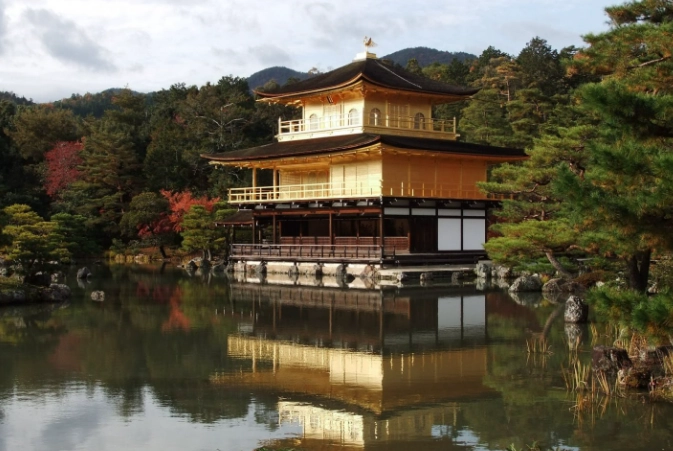
- Kinkaku-ji (Golden Pavilion): It opens at 9 AM. Be there at 8:45 AM. See it, take your photos, and get out before the tsunami of groups arrives. It's a quick visit—you view it from across the pond—but worth it for that first glimpse.
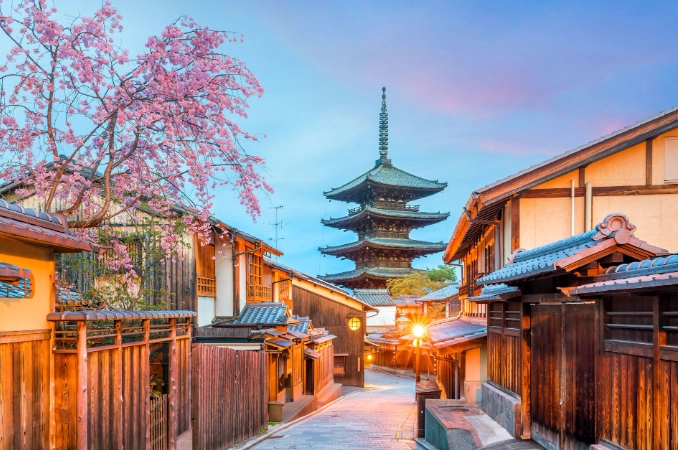
- Kiyomizu-dera: The main hall is under renovation until 2024/2025 (scaffolding is up), but the grounds are still open and offer amazing views. The approach up Sannenzaka and Ninenzaka slopes is half the fun—traditional shops and tea houses. Go late afternoon; the crowds thin, and the sunset view is lovely.
The Hidden Gems That Steal the Show
This is where your Kyoto travel experience goes from good to great.
- Ginkaku-ji (The Silver Pavilion): Honestly, I prefer it to the Golden Pavilion. It's not silver, but its understated beauty and incredible, raked sand garden are more contemplative. The Philospher's Path starts right outside—perfect for a walk.
- Sanjusangendo: Photos aren't allowed inside, and that's a good thing. You have to be present. The hall houses 1,001 life-sized, gold-leafed statues of Kannon, the goddess of mercy. The scale and silence are overwhelming in the best way.
- Kurama and Kibune: A short train ride north of the city. Hike from the rustic temple complex of Kurama-dera over a forested mountain to the riverside town of Kibune, where restaurants build platforms over the river in summer. It feels a world away.
Eating in Kyoto: More Than Just Kaiseki
Kyoto cuisine is refined, seasonal, and yes, sometimes expensive. A multi-course kaiseki meal is an unforgettable experience, but it's not the only way to eat well.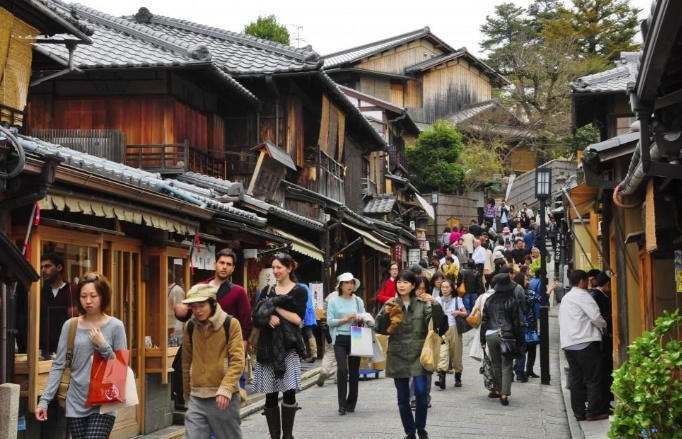
Must-Try Dishes:
- Yudofu: Simmered tofu. Sounds simple, but in Kyoto, it's an art form. Try it at a temple-affiliated restaurant in Nanzen-ji or near Kiyomizu-dera.
- Obanzai: Kyoto-style home cooking. Small, flavorful dishes like simmered vegetables, grilled fish, and pickles. Look for small, traditional restaurants or the Nishiki Market.
- Matcha Everything: This is the green tea capital. Have matcha soft-serve, matcha latte, matcha warabi mochi... you get the idea.
- Kyoto Ramen: It's different! Typically a lighter, soy-based broth (shoyu) with thin, straight noodles. Perfect for a quick, satisfying meal.
Nishiki Market is a food lover's paradise, but go hungry and go early to avoid the worst crowds. Don't just walk and gawk—buy things! Try a tako tamago (baby octopus stuffed with a quail egg), pick up some Japanese pickles, or grab a fresh mochi skewer.
Navigating Culture & Etiquette Like a Pro
This isn't about being perfect, but about showing respect. A little effort goes a long way.
- Temples & Shrines: At temple gates, bow slightly before entering. At shrines, you'll see a purification fountain (temizuya). Use the ladle to wash your left hand, then your right, then rinse your mouth (spit the water out discreetly back onto the ground, not into the basin), and finally rinse the ladle handle. It's okay to watch others first.
- Photography: Always look for signs. No photography usually means it. Inside main halls, it's often prohibited. Be especially discreet in Gion—chasing geisha (geiko) or maiko (apprentices) for photos is incredibly rude. If you want a photo, a polite, distant shot without interrupting their path is the limit.
- Shoes Off: Anywhere with tatami mats (tea houses, some restaurant rooms, ryokan). There's usually a step up and a place for shoes. Slippers are often provided, but remember to take those off when stepping onto the tatami itself. It's a slipper shuffle dance you'll master quickly.
- Onsen & Public Baths: Wash thoroughly at the shower station before getting into the bath. No soap, no towels in the water. Just you, clean and relaxed.
For the most accurate and detailed information on cultural practices, the Japan National Tourism Organization's etiquette guide is an excellent resource.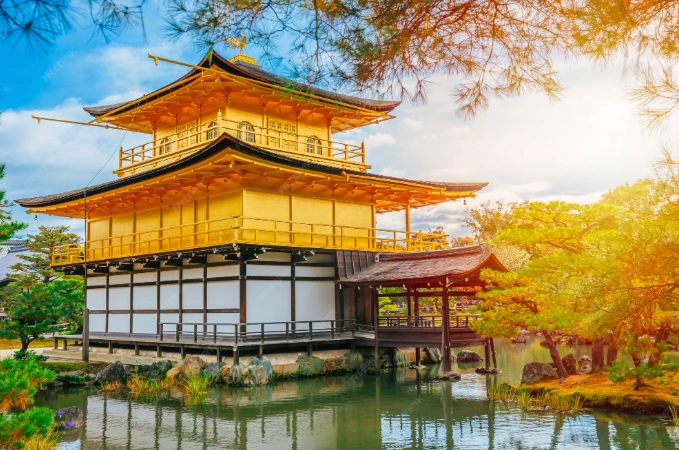
Your Kyoto Japan Travel Budget: A Realistic Breakdown
Kyoto can be done on a range of budgets, but it's not the cheapest city in Japan. Here's what you're looking at per day, per person:
| Budget Style | Accommodation | Food | Activities/Transport | Daily Total (approx.) |
|---|---|---|---|---|
| Budget | Hostel dorm/Capsule (¥3,000-¥5,000) | Convenience store, market stalls, cheap ramen (¥2,000-¥3,000) | Walking/biking, 1-2 temples (¥1,000-¥2,000) | ¥6,000 - ¥10,000 |
| Mid-Range | Business hotel/Private hostel room (¥8,000-¥15,000) | Mid-range restaurants, cafe stops, izakaya dinner (¥4,000-¥6,000) | Bus passes, temple entries, maybe a taxi (¥2,000-¥4,000) | ¥14,000 - ¥25,000 |
| Splurge | Ryokan or boutique hotel (¥20,000+) | Kaiseki dinner, fine dining (¥10,000+) | Private tours, taxis, special experiences (¥5,000+) | ¥35,000+ |
A few money-saving tips:
Lunch is your friend. Many high-end restaurants offer spectacular lunch sets (teishoku) for a fraction of the dinner price.
Convenience stores (7-Eleven, FamilyMart, Lawson) are lifesavers for breakfast, snacks, and even decent ready-made meals.
Many shrines are free to enter. Fushimi Inari, Heian Jingu's outer grounds, and the Gion area itself cost nothing to explore.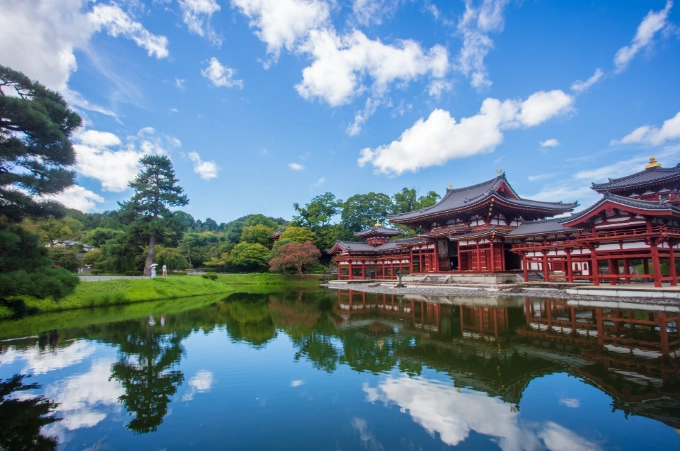
Sample 3-Day Kyoto Itinerary (The Balanced Approach)
Here's how I'd structure a first-timer's trip to avoid burnout.
Day 1: Southern Higashiyama & Gion
Start at Kiyomizu-dera (early). Wander down the historic Sannenzaka & Ninenzaka slopes. Visit Kodai-ji temple (often less crowded, beautiful garden). Walk through Maruyama Park. Explore Yasaka Shrine. As evening falls, stroll through the Gion and Pontocho areas (atmospheric lanes along the river). Don't expect to see geisha, but soak in the ambiance. Have dinner in Pontocho.
Day 2: Arashiyama & Northwest
Get to Arashiyama Bamboo Grove by 7:30 AM. Seriously, just do it. Then visit Tenryu-ji temple, which has one of Kyoto's best gardens. Cross the Togetsukyo Bridge. Consider a short hike to the Monkey Park (if you like monkeys) or explore the quieter back streets and temples north of the main street. In the afternoon, head back into the city to see Ryoan-ji (famous rock garden) and Kinkaku-ji (Golden Pavilion).
Day 3: Fushimi Inari & Downtown
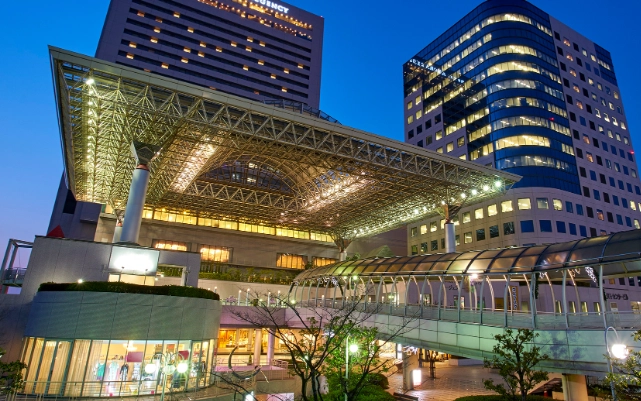
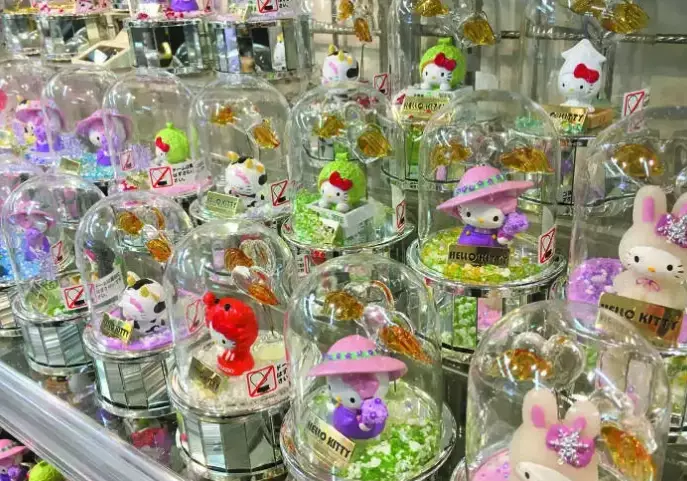
Fushimi Inari at sunrise. Spend a couple of hours hiking as far as you like. Return to the city. Dive into Nishiki Market for a late breakfast/lunch exploration. Afterwards, visit Nijo Castle (famous for its "nightingale" floors that chirp when walked on) or the stunning Sanjusangendo hall. Spend your last evening shopping for souvenirs on Shijo-dori or in the department stores around Kyoto Station.
See? It mixes iconic spots with quieter moments. For official opening hours and special event information, always double-check the Kyoto City Official Travel Guide website before you go.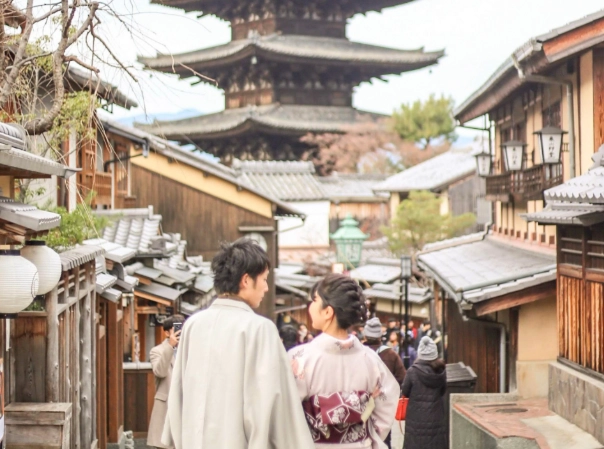
Kyoto Travel FAQs: Your Burning Questions Answered
Final Thoughts: Making It Your Own
The biggest mistake you can make on a Kyoto Japan travel adventure is treating it like a checklist. The magic isn't just in the big-name temples; it's in the quiet back alley you stumble upon, the perfect bowl of noodles from a shop with no English menu, the feeling of cool temple wood under your feet, the sound of water in a hidden garden.
Plan, but leave room for getting lost. Prioritize what genuinely interests you—maybe it's gardens, or food, or history. Use this guide as a starting point, then go and write your own story.
Kyoto isn't a city you just visit. It's a city you feel. Take a deep breath, slow down, and let it sink in.
Comments