Quick Guide
- What's Enoshima Really Like in Winter? Weather, Vibe & What to Pack
- The Ultimate List of Things to Do in Enoshima During Winter
- Getting There & Getting Around: A Stress-Free Winter Transport Guide
- Crafting Your Perfect Enoshima Winter Day Trip Itinerary
- Honest Answers to Your Winter Enoshima Questions (FAQ)
- Final Thoughts: Who Should (and Shouldn't) Visit Enoshima in Winter
Let's be honest. When you picture Enoshima, you probably think of summer beaches, surfing, and sweltering heat mixed with huge crowds shuffling across the Bentenbashi bridge. I did too. My first visit was in August, and while the island was beautiful, the experience felt more like a packed theme park queue than a serene island escape. It was exhausting.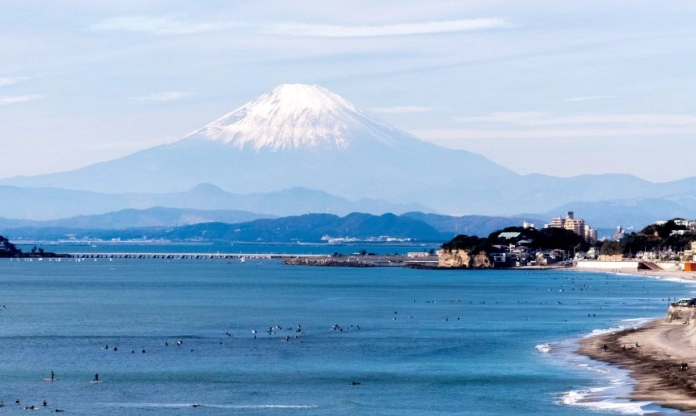
Then, on a whim a few years back, I went back in February. What a difference.
It was like discovering a completely different place.
The frantic energy was gone. In its place was a calm, almost meditative atmosphere. The air was crisp, the views stretched for miles without a haze, and I could actually hear the waves crashing against the cliffs. That trip completely changed my perspective. Now, I actively tell people to skip the summer rush and experience Enoshima winter magic instead. It's not just "still nice"; in many ways, it's better. This guide is everything I wish I'd known before that first winter visit, packed with the practical details and honest impressions you need to plan your own perfect off-season trip.
What's Enoshima Really Like in Winter? Weather, Vibe & What to Pack
This is the big question, right? Is it just miserably cold and windy? The short answer: it can be bracing, but rarely miserable if you're prepared. The climate is relatively mild for Japan, but "mild" is relative when you're on an exposed island.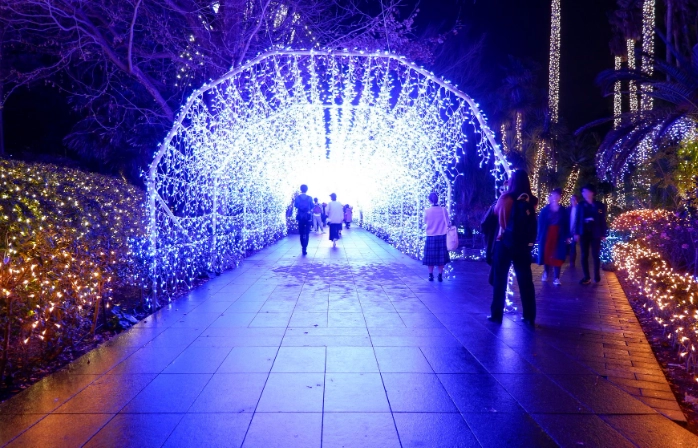
The Enoshima Winter Weather Breakdown (No Sugarcoating)
From December through February, temperatures typically range from lows around 3-5°C (37-41°F) to highs of 10-12°C (50-54°F). That's not Siberian-level cold, but the real factor is the wind. The sea breeze can be sharp and persistent, making it feel several degrees colder, especially on the western cliffs and observation decks.
Sunny days are common and absolutely glorious. The low humidity and often clear skies offer the best visibility of the year. Seeing the snow-capped peak of Mount Fuji perfectly framed behind the Shonan coastline is a sight you almost never get in humid summer. But when it rains or gets cloudy, it can feel damp and gloomy quickly.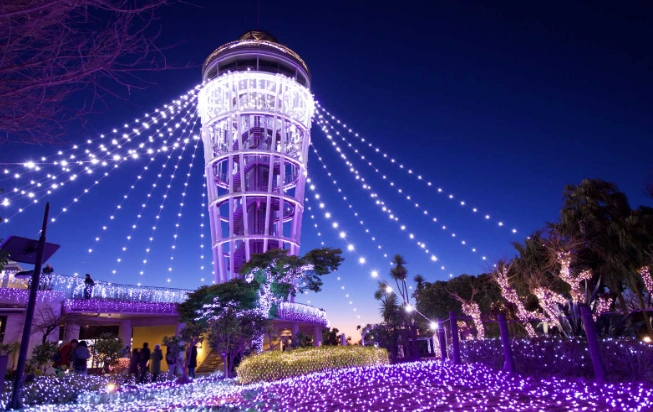
| Month | Avg. High / Low (°C) | Key Characteristics & Tips |
|---|---|---|
| December | 12°C / 6°C | Start of the illuminations! Days get shorter. A festive feel begins. Can be rainy early in the month. |
| January | 10°C / 3°C | Coldest month, but also one of the clearest. New Year's visits are busy (first shrine visit), then very quiet. Strong winds possible. |
| February | 10°C / 3°C | Similar temps to Jan, but days start getting longer. Plum blossoms may start appearing late in the month. Still very quiet crowd-wise. |
Rainfall isn't excessive, but always check the forecast. A rainy day on Enoshima, with most outdoor attractions being viewpoints and gardens, isn't ideal. Trust me, I've been caught in one.
The Non-Negotiable Winter Packing List for Enoshima
Packing right makes or breaks your Enoshima winter experience. This isn't a fashion show; it's about comfort.
- Windproof & Waterproof Outer Layer: A good jacket is your best friend. A down jacket works if it's not too windy/rainy, but a windbreaker shell over a fleece is often more versatile.
- Layering: Thermal undershirt, a warm mid-layer (fleece, sweater), and your outer shell. You'll warm up climbing the stairs, then cool down quickly when you stop.
- Sturdy, Comfortable Shoes: Leave the fashion sneakers. You'll be walking on stone paths, climbing hundreds of steps (the escalators help, but not everywhere), and navigating slopes. Water resistance is a plus.
- Accessories: A warm hat (you lose a lot of heat through your head), gloves (touchscreen-friendly if you want to take photos), and a scarf. The wind on the Samuel Cocking Garden observation deck is no joke.
- Hand Warmers (Kairo): Buy a pack at any convenience store in Japan. They are lifesavers for keeping fingers and toes toasty.
The Ultimate List of Things to Do in Enoshima During Winter
Okay, you're bundled up. Now, what's actually open and worth doing? Almost everything is, but the experience shifts. Here’s my ranked list of winter-specific activities.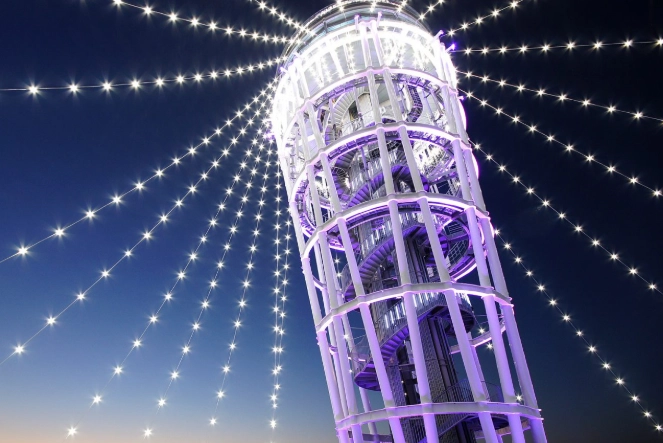
Top Winter-Only or Winter-Enhanced Experiences
1. The Enoshima Sea Candle & Samuel Cocking Garden Illuminations
This is the crown jewel of winter in Enoshima. From roughly late November to late February, the island's iconic Sea Candle observation tower and the surrounding Samuel Cocking Garden are lit up with hundreds of thousands of LED lights. It's not a cheesy display; it's genuinely beautiful, with themed areas often featuring a "light ocean" and projections. Seeing the garden, which is lovely in daylight, transformed into a sparkling fantasyland at night is magical. The view from the Sea Candle at night, with the lights of the coast twinkling below, is unbeatable. Check the official Enoshima Sea Candle website for the exact dates and times each year.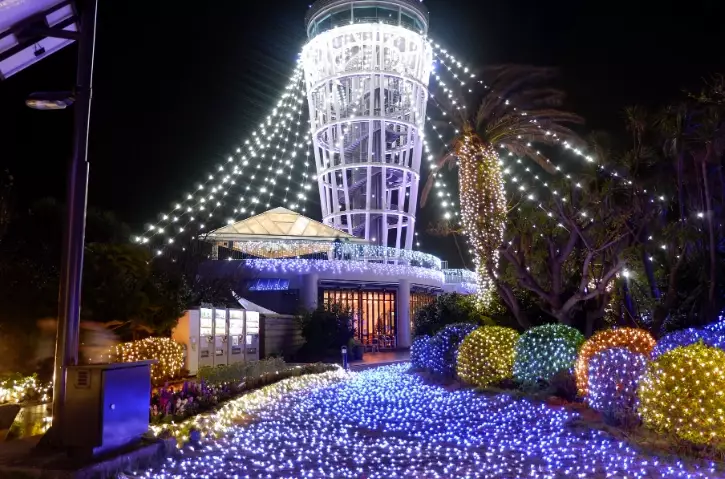
2. Chase the Perfect Sunset & Fuji View
Winter offers the highest chance of crystal-clear skies. Head to the western side of the island, like the observation areas near the Iwaya Caves (if open) or the cliffs by the lighthouse. With the sun setting earlier, you can catch a breathtaking sunset over the Sagami Bay, often with the silhouette of Mount Fuji in the distance. It's a photographer's dream and a profoundly peaceful moment. This alone is worth the trip for me.
3. Cozy Up with Seasonal Food
Winter is the season for hearty, warming food. The island's famous shirasu (whitebait) is still available, but now you want it in a hot shirasu-don (rice bowl) or better yet, a shirasu nabe (hotpot). Seek out restaurants offering anko nabe (anglerfish hotpot), a luxurious and warming local specialty. And nothing beats grabbing a hot tako senbei (octopus cracker) fresh off the grill to warm your hands.
The pleasure of hot food just hits different in the cold air.
Classic Attractions, Better in the Quiet Season
Enoshima Shrines (Enoshima Jinja): The complex of shrines dedicated to Benzaiten, goddess of music and fortune. Without the crowds, you can actually take a moment to appreciate the atmosphere, ring the bell, and get your fortune (omikuji) without being rushed. The Fujisawa City official site has basic cultural info on the shrines.
The Escalators (Yes, Really): For a fee, they take you most of the way up the island. In winter, they're not a crowded necessity but a welcome luxury that saves your energy for exploring at the top.
Enoshima Iwaya Caves: These historic sea caves are fascinating, but crucially important note: they often close due to high waves and safety concerns in winter. You must check the Iwaya Caves official site or ask at the information center on the day. Don't count on them being open.
Getting There & Getting Around: A Stress-Free Winter Transport Guide
Transport is easier in winter too. No fighting for space on the train.
Train is King: Your Best Routes to Enoshima
The Enoshima Electric Railway (Enoden) from Fujisawa Station is the classic, charming route. It's that cute train you see in all the photos running along the coast. From Tokyo, you'll typically take the JR Tokaido Line to Fujisawa (about 60 mins from Tokyo Station) and transfer to the Enoden.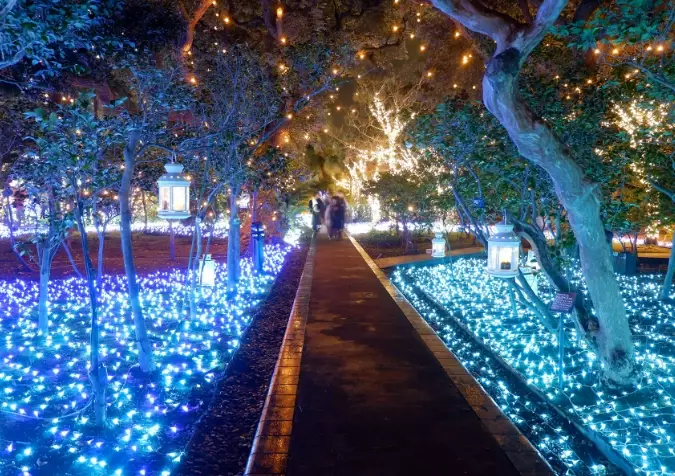
An alternative I sometimes use, especially if coming from Shinjuku, is the Odakyu Romancecar to Katase-Enoshima Station. It's faster, more direct, and more comfortable (reserved seats), but a bit pricier. The station drops you right at the foot of the bridge to the island.
For detailed, always-updated train schedules and route planning, I always cross-reference with Japan-Guide's transport section or a hyperdia app.
On the Island: Walking is It (But Pace Yourself)
Once you cross the bridge, Enoshima is a walking island. The main path slopes upward. The paid escalator system is a great help, breaking the climb into three manageable sections. In winter, I usually buy the combination ticket that includes the escalators, the Sea Candle, and the garden. It's good value and saves you from ticket queues.
The paths can be slippery if wet or frosty in the early morning. Watch your step on the stone stairs and mossy areas.
Crafting Your Perfect Enoshima Winter Day Trip Itinerary
Here’s a sample flow that works beautifully, balancing activity, food, and avoiding the worst of the cold/wind later in the day.
Morning (Arrive by 10:30 AM): Arrive at Katase-Enoshima Station. Cross the bridge, soaking in the quiet, open views. Grab a hot coffee or tea from a stall if you need it. Purchase the all-in-one pass (escalator, garden, Sea Candle).
Late Morning: Take the escalators up to the top area. Explore the Enoshima Shrines at a leisurely pace. Visit the main hall (Hetsunomiya) and the money-washing shrine (Okutsunomiya).
Lunch (Around 12:30 PM): Time for that warm meal. Find a restaurant with a view for shirasu-don or a nabe hotpot. This is your major warm-up stop.
Early Afternoon: Walk through the Samuel Cocking Garden. In daylight, you can appreciate the winter foliage and structure. Head up the Sea Candle for the daytime view. This is your best chance to see Mount Fuji clearly. The winter light is perfect for photos.
Mid-Afternoon: Slowly make your way down the island via different paths, maybe picking up a snack like grilled mochi or a hot manju (steamed bun). If the Iwaya Caves are open and you're feeling adventurous, check them out (they're on the lower, western side).
Late Afternoon / Early Evening (The Grand Finale): As the sun starts to set (around 4:30-5:00 PM in deep winter), position yourself on a western viewpoint. After sunset, as it gets dark, the illuminations will begin. Re-enter the Samuel Cocking Garden with your pass to see it transformed by lights. Go up the Sea Candle again for the night view. It's a completely different, stunning perspective.
Dinner: Have a final warm dinner on the island or back in the Katase area before catching the train home, thoroughly satisfied.
Honest Answers to Your Winter Enoshima Questions (FAQ)
I get these questions a lot from friends. Let's tackle them directly.
Final Thoughts: Who Should (and Shouldn't) Visit Enoshima in Winter
An Enoshima winter trip is perfect for you if: you hate crowds, you're a photographer chasing clear views and good light, you enjoy a more contemplative travel pace, you love seasonal illuminations, and you don't mind bundling up for the sake of a unique experience.
You might want to pick another season if: your primary goal is to combine the visit with swimming or beach time, you are very sensitive to cold/wind, or you have mobility issues and are concerned about slippery paths.
For me, the trade-off is a no-brainer. The silence, the space, the clarity of the air, and the magical transition from daytime vistas to nighttime sparkle make winter in Enoshima the island's best-kept secret. It's the version of Enoshima I keep going back to.
Just pack a good jacket.

Comments