Quick Navigation
Let's be honest. Planning a trip to Hokkaido can feel overwhelming. You've seen the pictures – endless lavender fields, perfect powder snow, steaming volcanoes, and coastlines teeming with crabs. It's beautiful, sure. But how do you actually piece it all together into a trip that doesn't feel like you're just ticking off a checklist? That's where most guides fall short. They give you a list of places, but not the real, gritty, useful stuff you need to know.
I've been there, more times than I can count. I've stood shivering at an overcrowded Otaru Canal in February, wondering why I didn't pack warmer socks. I've also had moments of pure magic, like finding a tiny, family-run onsen with no other tourists in sight, watching snow monkeys bathe in a hidden hot spring stream. This guide is my attempt to give you more of the latter and help you avoid the former. We're going deep, beyond the postcards.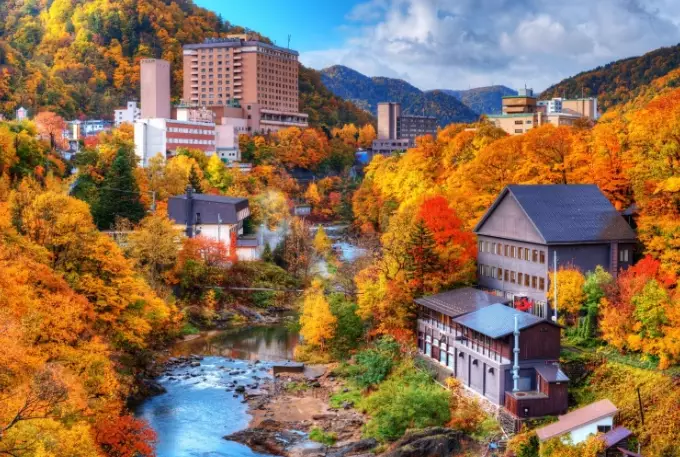
When to Go? Decoding Hokkaido's Wild Seasons
This is the first and biggest question for any Hokkaido travel plan. Get the timing wrong, and you might miss what you came for. The island has four wildly different personalities.
Winter (December-February) is the superstar for many. We're talking world-class skiing and snowboarding in Niseko and Rusutsu. The Sapporo Snow Festival is a spectacle, but be warned – it's also a spectacle of crowds. Hotels book up a year in advance. The cold is no joke. -15°C (5°F) is normal, and it can dip much lower. Your phone battery will die in minutes outdoors. But the snow? It's dry, fluffy, and absolutely incredible. If you hate crowds but love snow, consider early December or late February.
Spring (March-May) is the quiet, muddy cousin. The snow melts, revealing brown landscapes. It's not the prettiest time, honestly. But it's cheap, and you have places almost to yourself. Late April into May brings the famous cherry blossoms, which bloom later here than in mainland Japan. Hakodate's Goryokaku Fort is a stunning spot for them.
Now, Summer (June-August). This is when Hokkaido truly breathes. The humidity that plagues Tokyo and Kyoto is blissfully absent. Temperatures are mild, perfect for hiking and cycling. This is the season for the iconic flower fields in Furano and Biei. Lavender peaks in mid-July. But here's my personal take: the most famous farms (like Farm Tomita) are beautiful but can feel a bit... manufactured. I often prefer the smaller, less-known patches you stumble upon while driving the country roads. The real magic of summer Hokkaido travel is in the national parks – Daisetsuzan, Shikotsu-Toya – where you can hike among wildflowers with barely another soul in sight.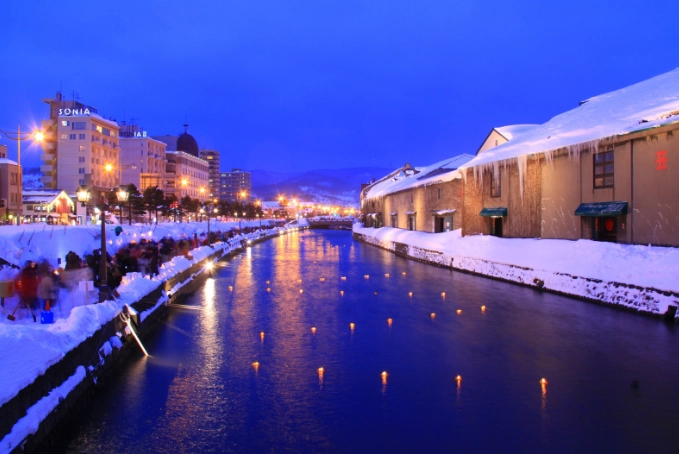
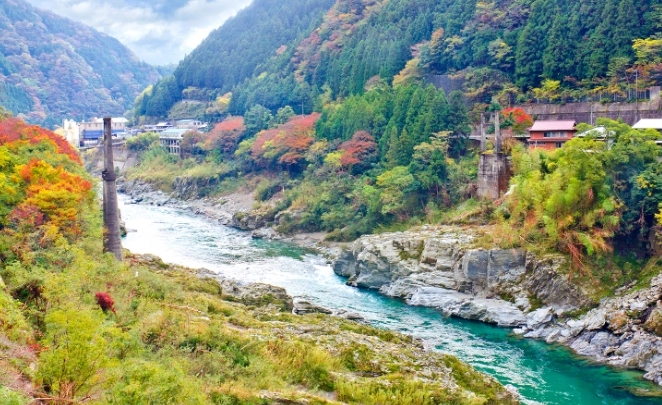
Autumn (September-November) might just be my favorite. The crowds from summer have left. The air is crisp. And the fall colors? Unreal. The leaves start turning in the Daisetsuzan mountains in early September and sweep down to the lower elevations by late October. It's a photographer's dream. It's also a fantastic time for foodies, with the autumn harvest in full swing.
| Season | Best For | Watch Out For | My Personal Verdict |
|---|---|---|---|
| Winter (Dec-Feb) | Skiing, snow festivals, onsen hopping, ice fishing | Extreme cold, high prices, crowded festivals, travel delays | Magical but demanding. Only go if you're prepared for the cold. |
| Spring (Mar-May) | Budget travel, late sakura, avoiding crowds | "Shoulder season" dullness, melting snow (slush), some attractions closed | A good option for repeat visitors, not ideal for a first trip. |
| Summer (Jun-Aug) | Hiking, flower fields, cycling, mild weather, festivals | Crowds at major flower farms, booked-out rental cars, occasional rain | The classic, all-rounder choice. Perfect for most first-timers. |
| Autumn (Sep-Nov) | Fall foliage, food (autumn harvest), hiking, photography | Rapidly changing weather, some facilities close in late autumn | The hidden gem. Stunning scenery without the summer masses. |
Building Your Hokkaido Itinerary: Beyond Sapporo and Otaru
Most first-time Hokkaido travel itineraries stick to the south-west: Sapporo, Otaru, maybe a day trip to Niseko or Shakotan. There's nothing wrong with that, but Hokkaido is massive. It's Japan's largest prefecture. Limiting yourself to that corner is like going to California and only seeing San Francisco.
The Classic First-Timer Route (7-10 Days)
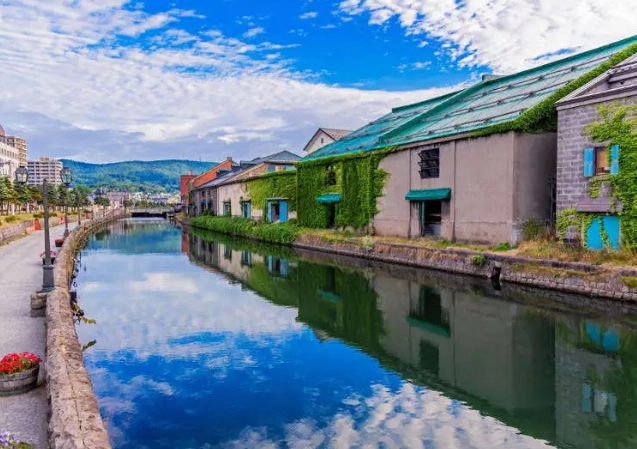
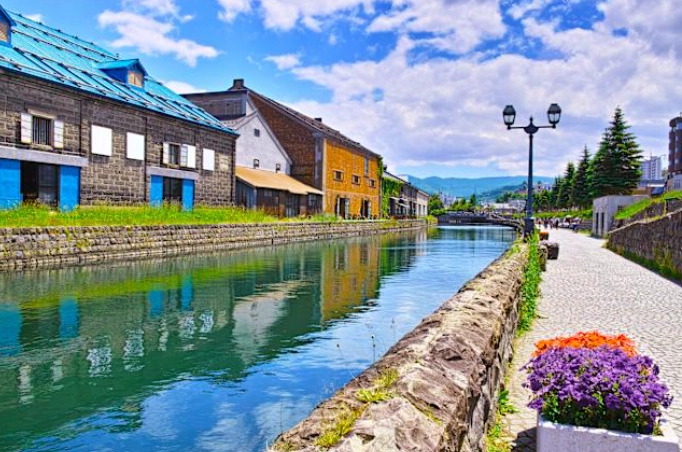
This is a solid foundation. Fly into New Chitose Airport (CTS). Spend 2-3 nights in Sapporo. Don't just do the Clock Tower and TV Tower. Get lost in the backstreets of Susukino at night. Visit the Historical Village of Hokkaido to understand the island's pioneering past. Eat soup curry at a local joint. Then, take a day trip to Otaru. The canal is pretty, but the real treasure is the music box museum and the glass workshops. You can even try your hand at making a glass souvenir.
From there, head inland. Rent a car (this is where the freedom begins). Drive to the Niseko area. Even if you're not a skier, the summer hiking and autumn views are worth it. Then, loop through the Shakotan Peninsula for dramatic coastal views before ending up in the volcanic hot spring town of Noboribetsu. Stay in a ryokan here – it's a quintessential Japanese experience. Jigokudani ("Hell Valley") is otherworldly. You can find more official information about Noboribetsu's unique geothermal landscape on the Noboribetsu Spa Town official website.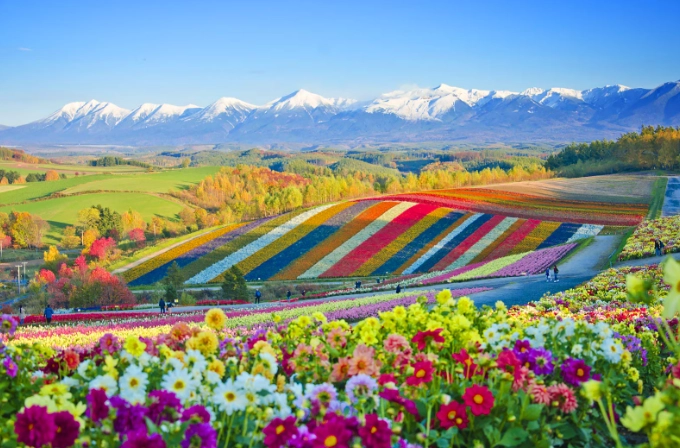
If You Have More Time (14+ Days): Go Deep
This is where your Hokkaido travel adventure gets truly special. From Noboribetsu, drive east across the spine of the island. Your first major stop: Furano and Biei. Yes, see the flower fields. But also, rent a bike and explore the Patchwork Road in Biei – rolling hills of different crops that look like a quilt from above. Visit a local cheese factory.
Then, push further east into Daisetsuzan National Park, Japan's largest. This is wilderness. Stay in a mountain hut or in the onsen town of Sounkyo. Hike among ancient forests and volcanic calderas. The scale is humbling.
From here, you have a choice. Head north to the port city of Asahikawa (great zoo, even better ramen) and then to the remote Shiretoko Peninsula, a UNESCO World Heritage site. This is for wildlife lovers – brown bears, deer, whales (in season). Or, head south to the Kushiro Marshlands to see the endangered Japanese red-crowned cranes, especially majestic in the winter snow. For accurate and detailed information on accessing and exploring Shiretoko's pristine environment, the Japan National Tourism Organization's page on Shiretoko is an excellent resource.
Finally, loop down the eastern coast to Hakodate. The morning market is a feast for the senses. The view from Mount Hakodate at night is consistently ranked among Japan's best. It's a fitting end before you fly out of Hakodate Airport or take the shinkansen back to Tokyo.
The Nitty-Gritty: Stuff Other Guides Don't Tell You
Alright, let's get practical. This is the behind-the-scenes knowledge that makes or breaks a trip.
Getting Around: Train, Bus, or Car?
Trains are efficient but limited. They connect major cities (Sapporo, Hakodate, Asahikawa) well, but to reach the national parks, coastlines, and rural gems, you're out of luck. Buses fill some gaps but are infrequent and schedules can be confusing.
For true freedom, renting a car is the king of Hokkaido travel. It allows for spontaneous stops at that roadside ice cream stand selling melon soft-serve, or that hidden waterfall you saw a sign for. The roads are excellent and driving is calm (outside cities). Just budget for tolls on expressways and fuel. In winter, a 4WD with winter tires is non-negotiable. Seriously.
Food: It's Not Just Ramen and Sushi
Hokkaido is Japan's breadbasket. The dairy is creamy, the vegetables are sweet, and the seafood is absurdly fresh. Here’s a quick hit list:
- Jingisukan (Genghis Khan): Mutton and veggies grilled on a dome-shaped skillet. A must-try in Sapporo.
- Soup Curry: A Sapporo invention. Brothier than Japanese curry, packed with vegetables and your choice of protein. The spice level is customizable. Life-changing on a cold day.
- Seafood Donburi: A bowl of rice piled high with uni (sea urchin), ikura (salmon roe), crab, and scallop. The Hakodate Morning Market is ground zero for this.
- Soft-Serve Ice Cream: Milk, melon, lavender, even squid ink flavor. You'll see stands everywhere. Try them all.
Money & Connectivity
Credit cards are widely accepted in cities and major hotels, but cash is still king in rural areas, at small restaurants, markets, and onsens. Load up on yen when you're in Sapporo. ATMs at 7-Eleven and Japan Post offices are your best friends.
Wi-Fi can be patchy in the mountains and remote peninsulas. Renting a pocket Wi-Fi device or getting a Japanese SIM card/eSIM for data is a very wise investment for navigation and translation. You don't want to be lost on a mountain road with no map.
Answering Your Burning Hokkaido Travel Questions
I get asked these all the time. Let's tackle them head-on.
Packing for Success: What to Actually Bring
Forget generic packing lists. Here’s what matters for Hokkaido.
- Layers, Layers, Layers: This is the golden rule for any season. Weather changes fast. A moisture-wicking base layer, a warm mid-layer (fleece, down jacket), and a waterproof/windproof outer shell.
- Sturdy, Broken-in Footwear: Comfortable walking shoes for cities, waterproof hiking boots for trails. In winter, insulated, waterproof boots with good grip are essential.
- A Good Daypack: For carrying layers, water, snacks, and your camera on day trips.
- Power Bank: Cold weather murders phone batteries. Keep a charged power bank in an inner pocket.
- Onsen Essentials:
Most onsens provide soap and shampoo. Bring a small towel (though you can often rent one) and remember the etiquette: wash thoroughly at the shower stations before getting into the communal bath. No swimsuits allowed. Tattoos can still be an issue at large public onsens, but many smaller ryokan baths are more relaxed. If you have tattoos, look for "tattoo-friendly" places or book a room with a private onsen.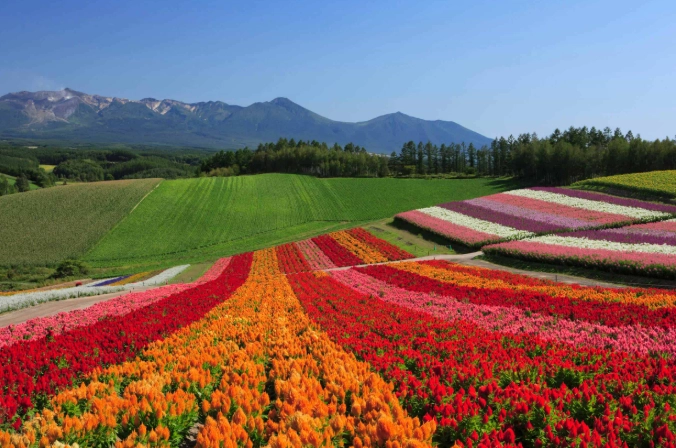
Final Thoughts: Making It Your Own
The biggest mistake you can make in planning your Hokkaido travel is trying to see everything. You can't. This isn't a theme park. Choose one or two regions that match your interests (food, hiking, skiing, photography) and explore them deeply. Leave room for the unplanned – the local festival you stumble upon, the farmer who invites you in for tea, the hidden trail you decide to follow.
Hokkaido rewards the curious and the flexible. It's a place that feels vast and untamed, even in modern Japan. Do your research, but don't over-schedule. Get a good map, rent that car, and be ready to be surprised. That's where the best memories are made.
And if you get a chance, try the lavender ice cream. It's better than it sounds.


Comments