You're standing in the middle of a crowded souvenir shop at Nagoya Station, surrounded by rows of colorful packages. Some scream "tourist trap," others look genuinely interesting. How do you choose? What's actually worth your suitcase space and your yen? Forget the generic keychains. Real Nagoya souvenirs tell a story—of rich red miso, ancient castle towns, and craftsmanship that's survived centuries. This guide cuts through the noise. We'll dive into the edible, the wearable, and the display-wable, tell you exactly where to find them (and where to avoid), and share tricks I've learned from a decade of guiding friends and family through Nagoya's gift-buying maze.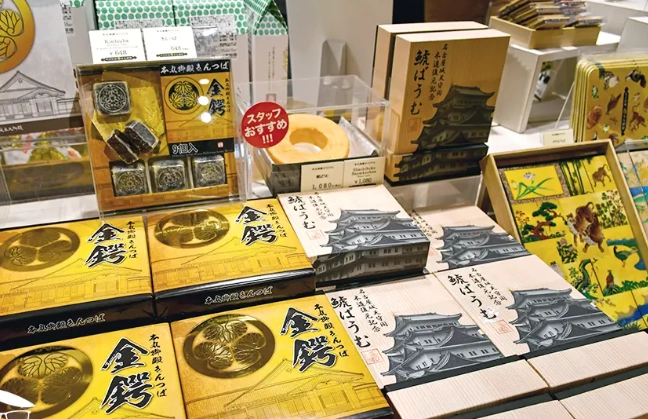
Your Quick Guide to Nagoya Souvenirs
Must-Buy Nagoya Souvenirs: From Food to Crafts
Let's start with the good stuff. Nagoya's soul is in its food, and thankfully, much of it travels well. Here’s what to look for, broken down by category.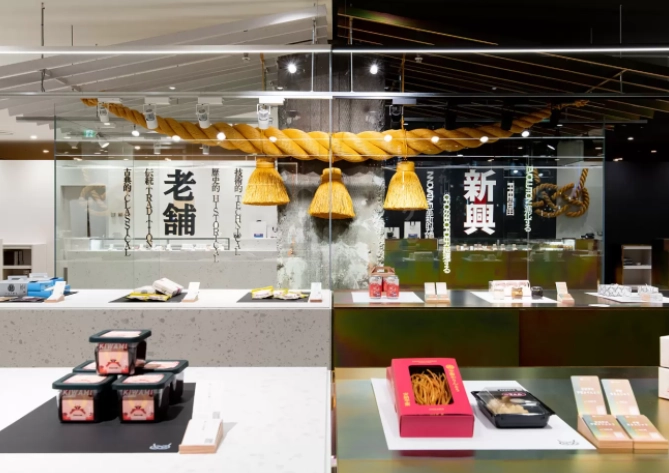
Food & Drink Souvenirs You Can Actually Bring Home
Instant & Ready-to-Eat: Perfect for the foodie who wants a quick taste.
- Miso Katsu Sauce & Mixes: The heart of Nagoya's signature dish. Look for brands like Hatcho Miso based ones. A 200g bottle costs around 500-700 yen. It lasts for ages and transforms any breaded cutlet.
- Hitsumabushi Sauce: The sweet-savory eel glaze. Small bottles (150ml) are perfect for souvenirs, costing about 600-900 yen. Pro tip: Get a small grillable eel fillet pack too if you have cooler bag space.
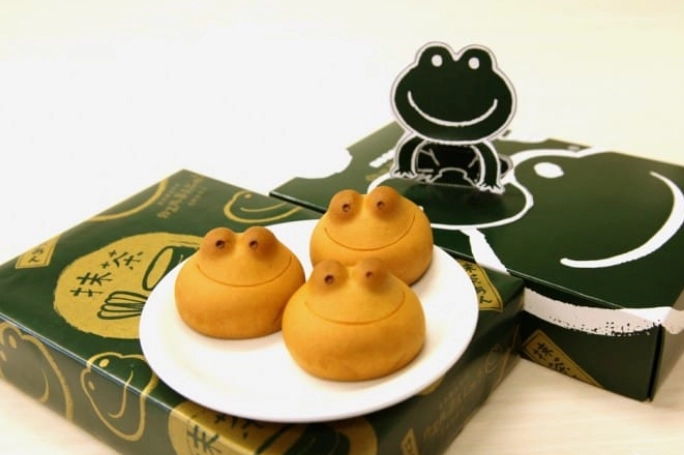
- Uiro (Steamed Rice Cake): Nagoya's classic confection. It's not flashy, but it's beloved. The texture is uniquely dense and chewy. Original (plain) or matcha flavors are safest. A box of 8 pieces runs 800-1200 yen. Best eaten within a week.
A Quick Reality Check on Food Souvenirs
Everyone buys the shiny boxes. The mistake? Not checking the "best before" date. Many premium wagashi (Japanese sweets) have a shelf-life of 5-7 days. If you're leaving Japan tomorrow, fine. If you have another week of travel, you'll end up with a box of expensive, stale paste. Always prioritize items with a longer shelf life (sauces, dry mixes, teas) unless you're heading straight home.
Sweets & Snacks: Nagoya has a serious sweet tooth.
- Tenmusu: This is a tricky one. The fresh ones from famous shops like Maruya (本店 near Nagoya Station) won't last the flight. However, many stations sell frozen or vacuum-packed tenmusu designed for travel. They're not as good as fresh, but they're the real deal. A pack of 5 costs about 1000 yen.
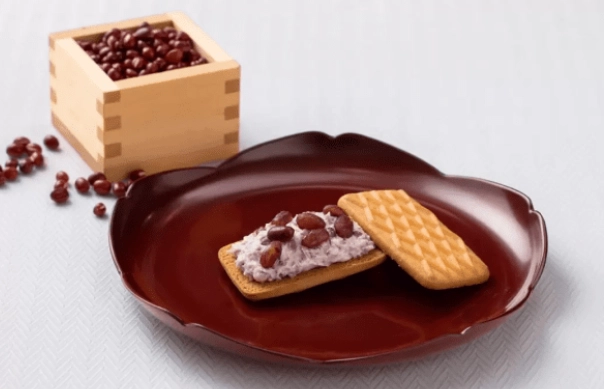
- Nagoya Cochin Pudding: Made with local chicken eggs, it's incredibly rich. Available at department store basements (depachika) and Nagoya Station. Around 400-500 yen per cup.
- Kishimen Noodles (Dried): Nagoya's flat udon. Dried packs are lightweight and make for a great, practical gift. Look for ones from famous noodle makers. A pack is about 300-500 yen.
Beyond Food: Unique Nagoya Crafts & Goods
If you want something that won't be eaten in five minutes, Nagoya's surrounding regions are craft powerhouses.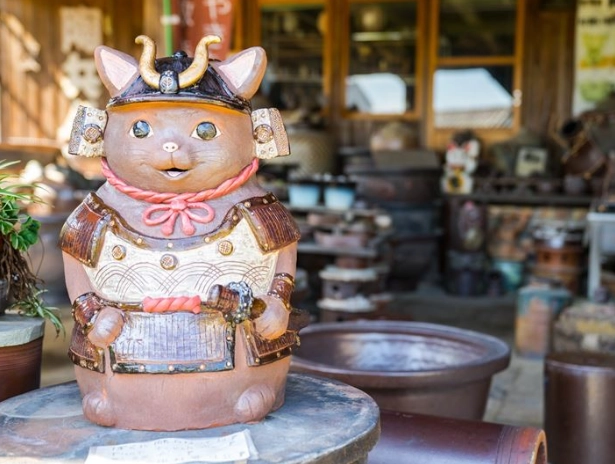
Traditional Crafts with a Story
- Arimatsu Shibori (Tie-Dye): From the Arimatsu district, this isn't your 60s hippie tie-dye. It's intricate, elegant, and involves dozens of techniques. Souvenirs range from small tenugui hand towels (1,000-3,000 yen) to stunning scarves (8,000-20,000+ yen). The Arimatsu Shibori Kaikan is the best place to see and buy authentic pieces.
- Seto Pottery: One of Japan's oldest pottery towns, just outside Nagoya. You can find everything from rustic, everyday yaki cups (800-2,000 yen) to exquisite tea ceremony bowls by master potters. The style is often bold and earthy.
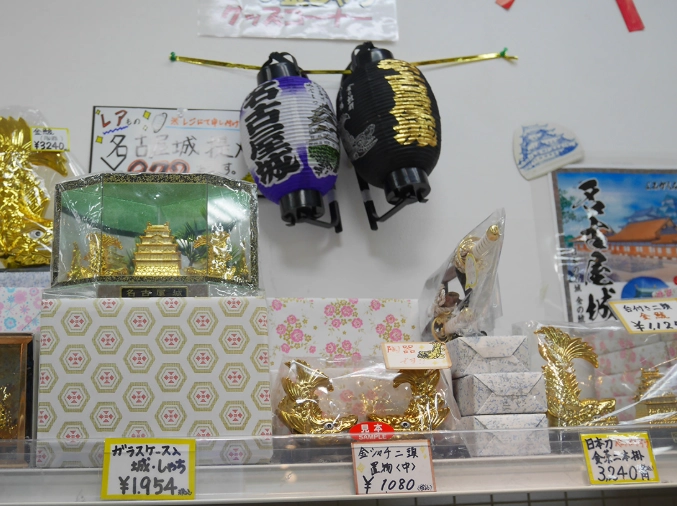
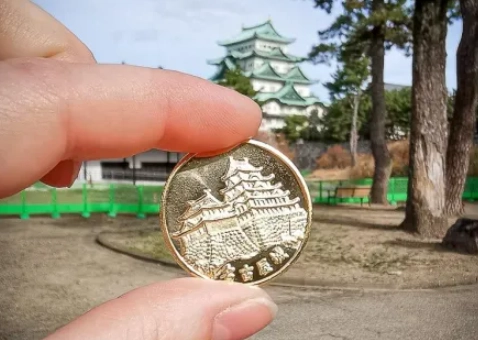
- Nagoya Castle-themed Items: Skip the plastic samurai. Look for high-quality replica gold shachihoko (the castle's golden dolphin-fish) ornaments or prints of the castle by local artists. The official castle gift shop has the best selection.
Modern Takes & Quirky Goods
Nagoya is Japan's manufacturing hub, and that creativity spills over.
- Noritake China: Founded in Nagoya. The Noritake Garden complex has a factory outlet where you can pick up first-quality or slightly imperfect pieces at a discount. A single, beautiful coffee cup might be 2,000-4,000 yen.
- Local Character Goods: Nagoya's mascot is Shachihoko-kun. You'll find him on everything. For something more unique, look for goods featuring Kin no Shachihoko (the golden one) or items from the Toyota Commemorative Museum of Industry and Technology if you're into engineering.
Where to Buy Nagoya Souvenirs: Best Shops & Markets
Location is everything. Here’s where your souvenir hunt should take you, ranked by convenience and authenticity.
| Place | Best For | Pros & Cons | Location Tip |
|---|---|---|---|
| Nagoya Station Area (Esca, Meieki) |
One-stop shopping, last-minute gifts, food souvenirs. | Pro: Overwhelming variety, tax-free for tourists, open late. Con: Can be crowded, some items are generic. |
Hit the "Meitetsu M's" depachika for elite food gifts. JR Gate Tower has curated local shops. |
| Department Store Basements (Depachika) Matsuzakaya, Mitsukoshi |
High-end food, premium sweets, beautifully packaged gifts. | Pro: Highest quality, perfect presentation, expert staff. Con: Most expensive option. |
Go in the evening for discounts on ready-to-eat items. The gift-wrapping is often free and exquisite. |
| Specialty Shops & Craft Centers Arimatsu Shibori Kaikan, Noritake Garden |
Authentic traditional crafts, unique items, learning the story. | Pro: Most authentic, support artisans directly. Con: Requires a separate trip, may have limited hours. |
Check opening hours online first. These are often closed on Mondays or Wednesdays. |
| Chubu Centrair International Airport | Last-chance buys, travel-safe foods, a decent final selection. | Pro: Extremely convenient after check-in. Con: Prices can be slightly higher, selection is a "best-of" not the deep cut. |
The souvenir floor post-security has everything you need. Don't panic if you forgot something. |
My personal strategy? I do a reconnaissance run at a depachika or Nagoya Station early in my trip to see what's available and note prices. Then, I buy the perishable, high-end stuff from the depachika on my last day. Non-perishables and crafts I pick up from the specialty shops when I visit the relevant area.
Expert Shopping Tips & Common Traps to Avoid
After years of this, here's what most guidebooks won't tell you.
The "Local Specialty" Label Trap: Just because a package says "Nagoya" or "Aichi" doesn't mean it's special. Many are mass-produced for tourists. Look for specific place names (Hatcho, Arimatsu, Seto) or recognized brand names (Maruya for tenmusu, etc.). If every third shop sells it, it's probably generic.
Tax-Free Shopping: Most major stores offer it for purchases over 5,000 yen (before tax). You must have your passport with you. The staff will seal your goods in a special bag—don't open it until you leave Japan. It's a hassle, but the 10% saving adds up.
Sizing for Crafts: That beautiful Seto vase might not fit in your carry-on. Always mentally measure your suitcase before falling in love with a fragile, bulky item. Many craft shops offer robust shipping services (takkyubin) to your hotel or even the airport. It's worth the 1,000-2,000 yen fee for peace of mind.
The Best Time to Shop: Avoid weekends if you can. Depachikas are calmer on weekday mornings. For last-minute airport shopping, give yourself at least 45 minutes post-security to browse without a panic.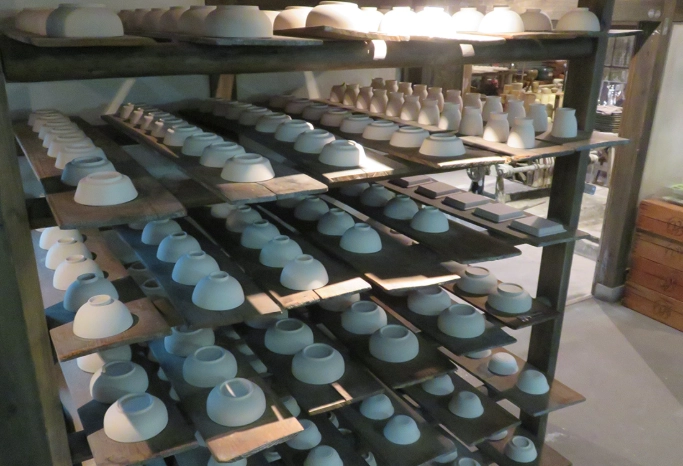
Nagoya Souvenirs: Your Questions Answered

Comments