In This Guide
- Who Actually Needs a Japan Tourist Visa?
- Different Flavors of the Japan Tourist Visa
- The Heart of the Matter: Document Checklist for Your Japan Visa
- The Step-by-Step Application Process
- Costs, Time, and What That Visa Sticker Actually Says
- Why Do Japan Tourist Visas for Indians Get Rejected?
- Handling the Dreaded Interview (If You Get One)
- Frequently Asked Questions (The Stuff You're Secretly Googling)
- You've Got the Visa! What's Next?
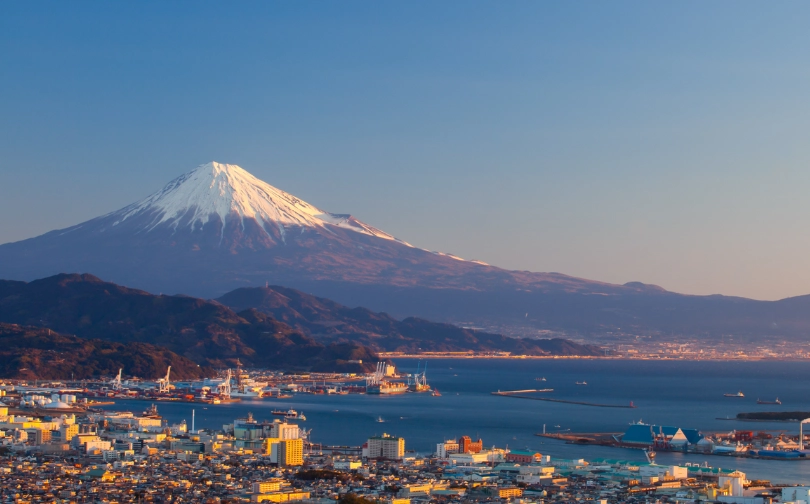
So you've finally decided to turn that dream of seeing Mount Fuji, wandering through the neon streets of Tokyo, or experiencing the serene temples of Kyoto into a reality. Awesome choice. Japan is incredible. But then it hits you – the visa process. I remember my first time staring at the requirements for a Japan tourist visa for Indian citizens. It felt like deciphering an ancient scroll. Which form? How much money do I really need to show? Will they even approve me?
Let's get started.
Who Actually Needs a Japan Tourist Visa?
If you're an Indian citizen holding a regular passport (not diplomatic or official), you absolutely need a visa to enter Japan for tourism. No visa-on-arrival, no e-visa (as of my last update). You have to go through the application process. It's non-negotiable. The process is handled by the Embassy of Japan in New Delhi and various Consulates-General across India (in Mumbai, Kolkata, Chennai, Bengaluru, etc.). You don't apply directly to them, though. You go through an authorized visa application agency, which acts as the middleman. VFS Global is the primary one for most regions, but others like BLS International handle it in some areas. Your first step is figuring out which Japanese diplomatic mission has jurisdiction over your state and then finding their designated agency.
Different Flavors of the Japan Tourist Visa
Most folks are going for the standard "Temporary Visitor" visa. This is your classic single-entry or multiple-entry tourist visa. But it's worth knowing the landscape.
- Single-Entry Tourist Visa: The most common one. Valid for 3 months from issuance, allowing a stay of up to 15 or 30 days (the duration is granted at the immigration officer's discretion upon entry). You get one shot to enter Japan.
- Multiple-Entry Tourist Visa: The golden ticket. Valid for 1, 5, or even 10 years, allowing repeated short stays (usually 90 days per visit). These are harder to get and are often granted based on a strong travel history (previous visits to Japan or other developed countries like the US, UK, Schengen area, etc.) and robust financial standing.
- Other Types: There are visas for visiting relatives/friends (requires an invitation), for business, for cultural activities, etc. We're focusing on the pure tourism angle here.
The core process for all these is similar, but the evidence you provide changes.
The Heart of the Matter: Document Checklist for Your Japan Visa
This is where most of the anxiety lives. Getting your documents right is 90% of the battle for a successful Japan tourist visa for Indian applicants. Missing or sloppy paperwork is the fastest route to a rejection. I'll break it down into the absolute essentials and the supporting cast.
The Non-Negotiable Core Documents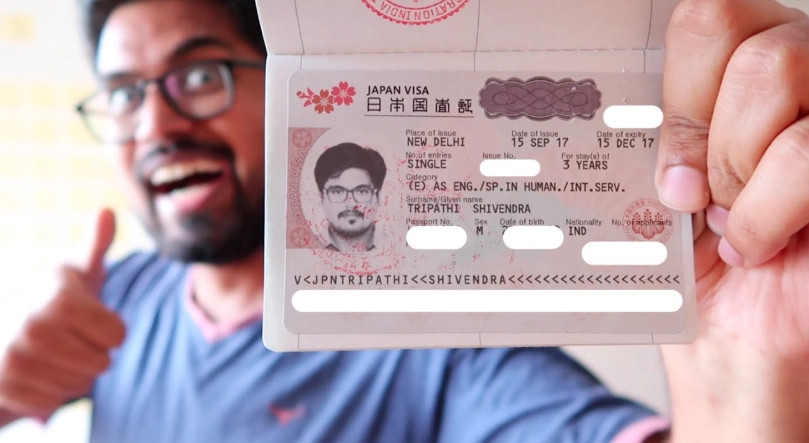
These are the documents every single applicant must submit, no exceptions.
- Visa Application Form: Download the latest version from the embassy/consulate website. Fill it electronically or in clear, block capitals with black ink. Every detail must match your passport and other documents. The itinerary section is crucial – make it realistic.
- Original Passport: Must be valid for the entire duration of your intended stay in Japan, plus have at least two completely blank visa pages. They will keep it if your visa is approved.
- Photograph: One recent (within 3 months) passport-size photo (45mm x 45mm) with a plain white background. Glue or staple it firmly to the designated box on the form. No digital prints on plain paper.
- Confirmed Flight Itinerary: A confirmed return ticket reservation. Not just a dummy booking from a sketchy website. A real, paid-for, or at minimum, a reservation-on-hold from a major airline or travel agent that can be verified. A one-way ticket is a giant red flag.
- Confirmed Hotel Reservations: For every single night of your stay. These must match the dates on your flight itinerary and the cities on your application form. Booking.com or Agony reservations with free cancellation are generally acceptable, but some officers prefer direct hotel confirmations.
The Financial Proof: Making Your Case
This is arguably the most scrutinized part. You need to prove you can afford the trip without working in Japan.
- Bank Statements: The big one. Typically, you need the last 6 months' original bank statements (stamped and signed by the bank) or 6 months of passbook entries. There's no official minimum balance, but travel forums and agents suggest showing a balance that can comfortably cover your trip. For a week-long trip, having INR 2-3 lakhs as a closing balance is a common, albeit unofficial, benchmark. The key is consistency and genuineness. A large, sudden deposit right before applying looks suspicious.
- Income Tax Returns (ITR): The last 2-3 years' ITR acknowledgement forms (Form 16 for salaried folks). This proves stable, declared income.
- Salary Slips: Last 3-6 months' slips if you're employed.
- Proof of Employment: An employment certificate on company letterhead stating your position, salary, and date of joining. It should also mention that leave has been granted for your travel dates.
- For Business Owners/Self-Employed: Company registration documents, business bank statements, and business ITRs.
What if you're a student or not working? You'll need a sponsor – usually a parent or spouse. They provide all the financial documents above, plus a sponsorship letter, their passport copy, and proof of relationship (birth certificate, marriage certificate).
The Day-by-Day Itinerary
Don't just write "Tokyo – sightseeing." That's lazy. Create a detailed table. It shows you've done your homework.
| Date | City | Planned Activities | Accommodation (Hotel Name) |
|---|---|---|---|
| Day 1 | Tokyo | Arrive at Narita (Flight No. XYZ). Check into hotel. Evening visit to Shibuya Crossing and Hachiko Statue. | Hotel Sunroute Plaza Shinjuku |
| Day 2 | Tokyo | Morning: Asakusa Senso-ji Temple. Afternoon: Tokyo Skytree. Evening: Shinjuku Gyoen National Garden. | Hotel Sunroute Plaza Shinjuku |
| Day 3 | Tokyo → Hakone | Take Shinkansen to Odawara, then local transport to Hakone. Open-Air Museum, Onsen experience. | Hakone Gora Byakudan |
See the difference? It's specific and believable.
The Step-by-Step Application Process
Okay, you've got your dossier ready. Now what?
- Finalize Your Travel Dates & Documents: Have a clear plan first. Don't apply for dates that are too soon (less than 4-5 weeks away) or too vague.
- Book an Appointment: Go to the website of the authorized visa agency for your jurisdiction (e.g., VFS Japan India website). Create an account and book a submission slot. Appointments can fill up, so don't leave this to the last minute.
- Visit the Application Center: Take all your original documents, photocopies (they usually take a set), and the application fees in cash. Be prepared for a wait. Submit everything. They'll check your forms, give you a receipt, and keep your passport.
- The Waiting Game: Processing usually takes 5 to 7 working days. It can be shorter or longer (up to 2 weeks) during peak seasons or if they request additional information. There's no official "tracking" for the decision itself, only for when your passport is ready for return.
- Passport Return: You'll get an SMS/email. Collect it in person or through a pre-arranged courier. You only know if you got the Japan tourist visa when you open the passport and see the sticker. No email approval beforehand.

Costs, Time, and What That Visa Sticker Actually Says
The visa fee itself is quite low. For a single-entry tourist visa, it's currently ¥3,000, which you pay in Indian Rupees (around INR 1,800-2,000, depending on the exchange rate). However, the visa agency charges a service fee (around INR 1,000-1,500). So total out-of-pocket is roughly INR 3,000-3,500.
Processing time is generally reliable at 5-7 working days. I'd advise applying at least 4-5 weeks before your intended travel date to account for any delays or requests for more documents.
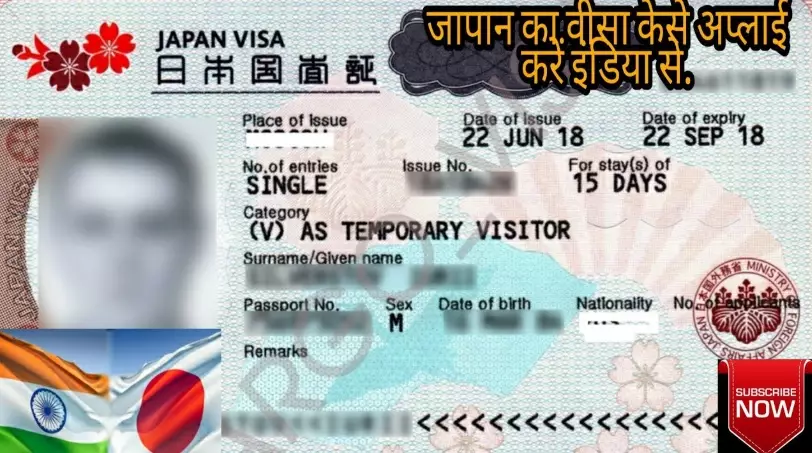
When you get your passport back, look at the visa sticker carefully. It will state:
- Type of Visa: "Temporary Visitor"
- Entries: "SINGLE" or "MULTIPLE"
- Validity: The date by which you must enter Japan (e.g., "2025/01/20"). This is usually 3 months from issuance for a single-entry.
- Duration of Stay: This is the maximum number of days you are permitted to stay per entry (e.g., "15 days" or "30 days"). The actual final number is stamped in your passport by the immigration officer at the Japanese airport.
Why Do Japan Tourist Visas for Indians Get Rejected?
They rarely give a specific reason, which is frustrating. But based on common scenarios and talking to consultants, here are the top culprits:
- Weak Financial Proof: Inconsistent bank statements, low balance relative to the trip cost, or suspicious last-minute large deposits.
- Unconvincing Travel Purpose: A flimsy itinerary, mismatched dates between flights/hotels/application, or an itinerary that looks copied from the internet.
- Lack of Strong Ties to India: This is the big one. They need to be convinced you'll return. For a young, single applicant with no stable job or property, this is a hurdle. You overcome it with a solid job letter, proof of ongoing studies, property ownership documents, or family dependencies.
- Incomplete or Inconsistent Documentation: A missing signature, an old passport photo, addresses not matching across forms.
- Past Immigration Issues: Any history of overstaying a visa, even in another country, can be a problem.
Honestly, this can be a bit of a black box. Sometimes applications that look perfect get rejected, and others that seem shaky get through. The goal is to eliminate all obvious doubts.
Handling the Dreaded Interview (If You Get One)
Most tourist visa applications don't require an interview. But the embassy/consulate can call you or your sponsor for one. Don't panic. It's usually to clarify something.
- Be Prepared: Know your itinerary cold. Why Japan? Why these cities? Who are you traveling with?
- Be Honest & Consistent: Your answers must match exactly what's in your forms. If you say you're visiting a friend for two days but your hotel booking shows no gaps, that's trouble.
- Keep it Simple: You're a tourist. Your answers should be about sightseeing, culture, and food.

Frequently Asked Questions (The Stuff You're Secretly Googling)
Can I get a Japan visa if I've never traveled abroad before?
Yes, absolutely. It's a common myth that you need a prior travel history. Many first-time international travelers from India get a Japan tourist visa. The key is to compensate with exceptionally strong financial documents and a rock-solid, detailed itinerary. It shows you're serious and prepared.
Is travel insurance mandatory for the Japan tourist visa application?
Officially, no. It's not on the required document list from the Japanese embassy. But let me be blunt: it should be. From a practical standpoint, getting comprehensive travel insurance for Japan is non-negotiable. Medical costs there are extremely high. From an application perspective, submitting a travel insurance policy covering your entire trip (with a good sum insured) can only strengthen your case. It shows foresight and responsibility. I always include mine.
I have a US/Schengen/UK visa. Does that help?
It can help a lot. A valid visa from a country with strict immigration checks (especially the US) acts as a positive credential. It shows you've been vetted before. Some applicants even get longer validity on their Japan visa because of this. Mention these visas in your application form where it asks for travel history in the last 10 years, and provide copies of those visa stamps.
How do I increase my chances of getting a multiple-entry Japan tourist visa as an Indian?
This is the aspirational goal. The criteria are stricter and more subjective. A strong history of compliance with previous Japan visas is the best foundation. If this is your first time, it's very unlikely. After one or two compliant single-entry visits, you can apply for a multiple-entry. Your financial profile needs to be very strong (high income, significant bank balances, solid ITRs). Having a valid US visa also significantly boosts your chances for a 5 or 10-year multiple-entry visa.
My visa was rejected. When can I reapply?
There's no official cooling-off period. You can reapply immediately. But this is critical: DO NOT just resubmit the same application. You must identify and fix the weak point. Was it finances? Get more stable, older funds in your account. Was it purpose? Create a flawless, hyper-detailed itinerary. Was it ties to India? Get a stronger employment letter or add property documents. A reapplication without substantive changes will just get rejected again.
You've Got the Visa! What's Next?
Congratulations! The hard part is over. Now for the fun stuff and some final admin.
- Double-Check the Visa Sticker: Immediately check for any errors in your name, passport number, validity, and duration of stay.
- Finalize Bookings: If you used refundable options, now is the time to make non-refundable payments or look for better deals.
- Register on Visit Japan Web: Before you fly, complete your registration on the official Visit Japan Web system. This is where you upload your vaccine certificates/test results (if required) and fill out customs and immigration forms digitally. It generates QR codes that will speed up your arrival process immensely. Do this a few days before departure.
- Carry Your Document File: Take a printed copy of your entire visa application file—itinerary, hotel confirmations, financial proofs—with you to Japan. Immigration officers can ask to see them, though they usually don't. Better safe than sorry.
- Enjoy Responsibly: Adhere to the duration of stay stamped in your passport upon entry. Overstaying, even by a day, is a serious offence and will permanently ruin your chances of getting any future Japan tourist visa for Indian citizens or many other visas worldwide.
Look, the process for a Japan tourist visa for Indians is detailed, I won't sugarcoat it. It demands attention and organization. But it's not a mysterious ritual. It's a logical procedure where you systematically prove you're a genuine visitor. Take it one document at a time, build a strong, coherent story of your trip, and submit a neat, complete application. Thousands of Indians get their visas and have an amazing time in Japan every year. With this guide, you've got the map. Now go plan that unforgettable trip.

Comments