Japan trips are legendary. The neon buzz of Tokyo, the serene temples of Kyoto, the mouthwatering food everywhere – it's a dream destination. But planning it? That can feel like deciphering a complex puzzle. I've been visiting and writing about Japan for over a decade, and I still learn something new each trip. This guide isn't a list of every single attraction. It's the distilled, practical wisdom you need to build your own unforgettable adventure, avoiding the common pitfalls that sap the joy from travel.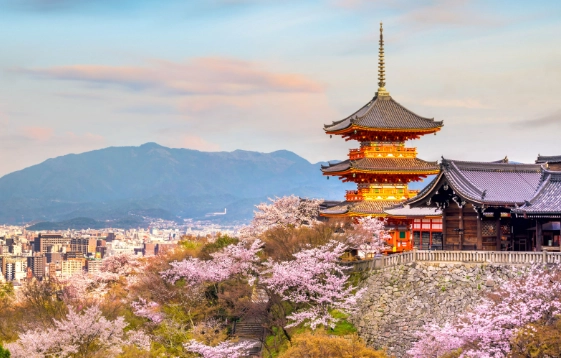
Your Japan Travel Blueprint
Pre-Trip Essentials: More Than Just a Passport
Get this stuff sorted early. It saves headaches.
Visas, Money, and Connectivity
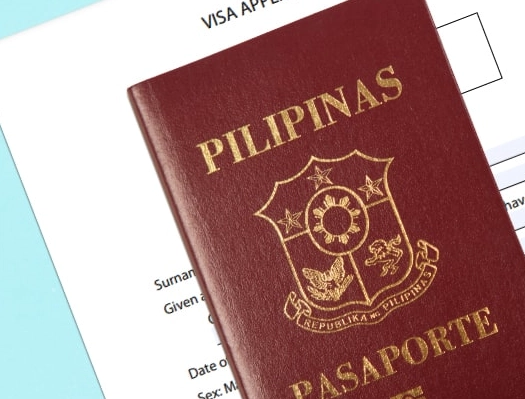
Check visa requirements on the Ministry of Foreign Affairs of Japan website. Many nationalities get 90 days visa-free. Notify your bank you're traveling. While credit cards are common in cities, cash is king in smaller towns, temples, and many restaurants. I always withdraw yen from 7-Eleven ATMs (Seven Bank) – they have English menus and great rates.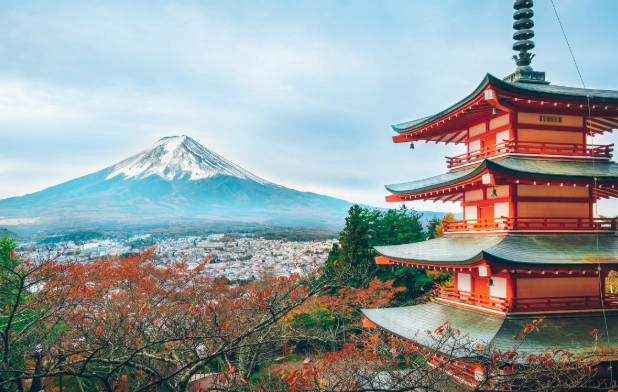
For connectivity, a pocket Wi-Fi router rented online and picked up at the airport is a game-changer. It's more reliable than international SIMs for multiple devices. Book it in advance.
When to Go: It's Not Just About Cherry Blossoms
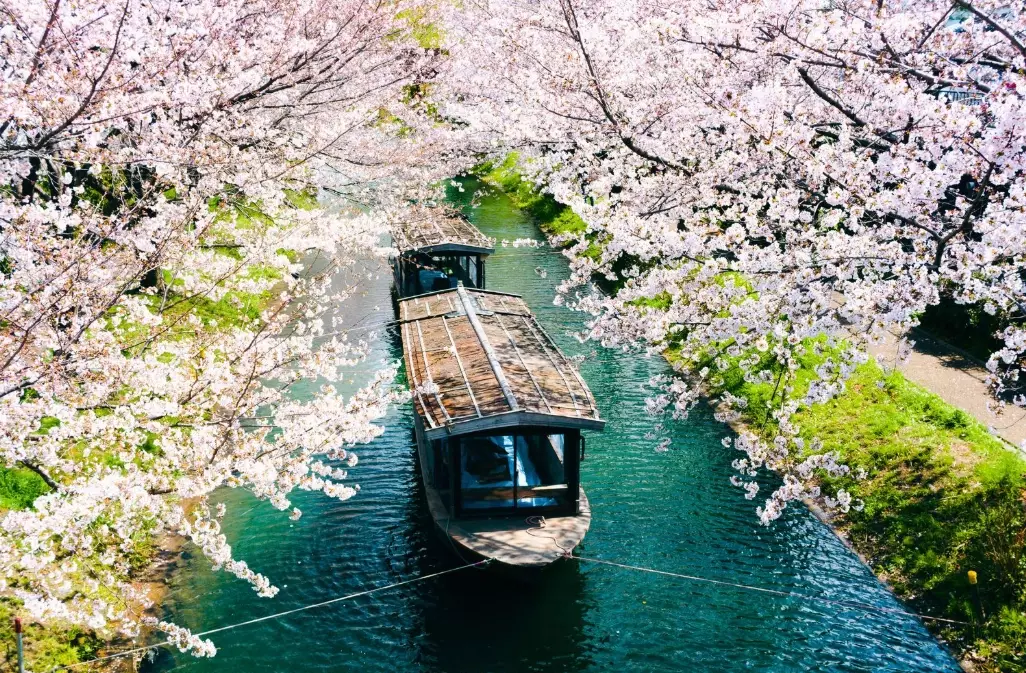
Everyone targets late March/early April for sakura. It's beautiful, but also crowded and expensive. My personal favorite is late autumn (November). The koyo (autumn leaves) are spectacular, the weather is crisp, and the crowds are thinner. Early summer (June, before the rainy season peaks) and autumn (September-October) are also fantastic. Avoid Golden Week (late April/early May) and Obon (mid-August) unless you enjoy competing with the entire country for train seats.
Crafting Your Itinerary: Depth Over Distance
The biggest mistake is trying to see everything. You can't. Japan rewards slow travel. Here’s a classic 7-day framework that works.
| Day | Base | Highlights | Stay |
|---|---|---|---|
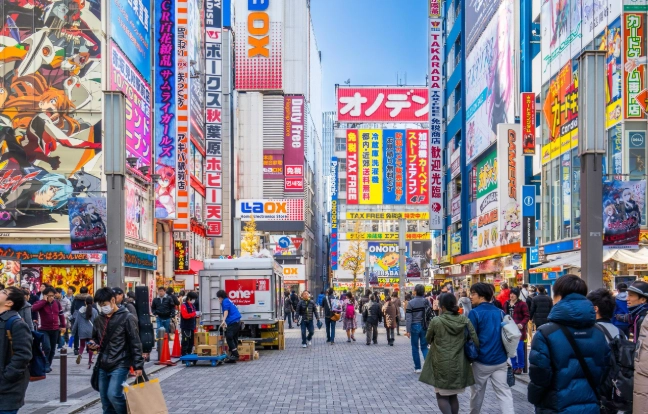
| 1-3 | Tokyo | Shibuya Crossing, Senso-ji Temple, Tsukiji Outer Market, Shinjuku nightlife, a museum (Mori Art or teamLab). | Shinjuku or Shimbashi |
| 4-6 | Kyoto | Fushimi Inari Shrine (go early!), Arashiyama Bamboo Grove, Kiyomizu-dera, Gion district. | Central Kyoto near Kyoto Station |
| 7 | Osaka (day trip from Kyoto) | Dotonbori for street food, Osaka Castle, Shinsekai district. | Back to Kyoto or fly out of KIX |
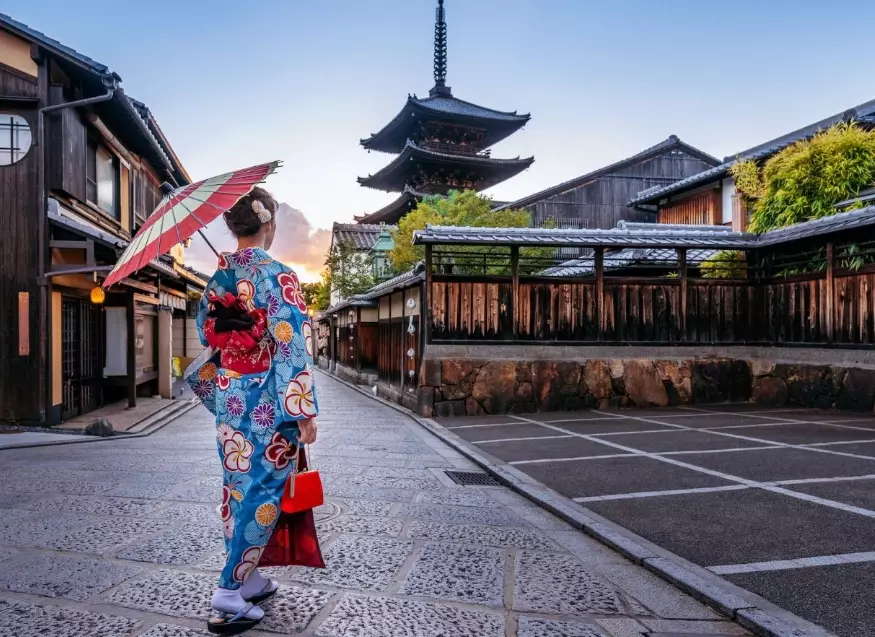
This is the skeleton. Now add flesh. In Tokyo, don't just stare at the crossing. Dive into the backstreets of Shimokitazawa for vintage shops and cafes. In Kyoto, most tourists cluster around the main temple gates. Walk 15 minutes further up the path at Kiyomizu-dera, and you'll find quieter sub-temples with equally stunning views.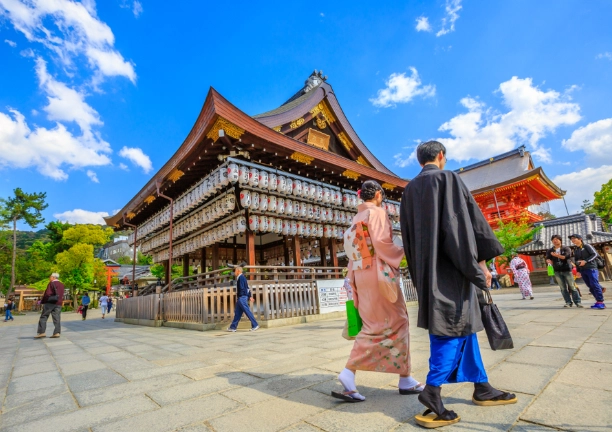
If you have 10-14 days, add a night in a ryokan in Hakone (for Mt. Fuji views and onsen) or venture to Hiroshima and Miyajima. For a second trip, consider the northern island of Hokkaido or the southern tropics of Okinawa.
Where to Lay Your Head: From Pods to Palaces
Accommodation defines your trip. Here’s the breakdown.
Capsule Hotels: A unique, budget-friendly experience. Clean, safe, and surprisingly quiet. Great for solo travelers. Try The Millennials Shibuya (Tokyo) for a tech-forward pod with a smart locker and adjustable bed. From ¥4,500/night.
Business Hotels: The workhorse of Japanese travel. Rooms are compact but impeccably clean and functional. APA Hotel and Dormy Inn are reliable chains. You'll get a private bathroom, pajamas, and often a free late-night ramen service. Expect ¥8,000-¥15,000/night. The location is key – being near a major train station is worth the extra cost.
Ryokans: The cultural immersion. A night in a traditional inn with tatami floors, futon beds, kaiseki dinners, and onsen baths is a must. It's not cheap (¥20,000-¥50,000+ per person with meals), but it's an experience. For a first-timer, I recommend doing this in a smaller town like Hakone or Kinosaki Onsen rather than in hectic Tokyo or Kyoto.
My go-to in Tokyo is Hotel Gracery Shinjuku (1-19-1 Kabukicho, Shinjuku). It's right in the action, steps from the station, and yes, there's a Godzilla head on the roof. Rooms are standard business hotel size, but the location is unbeatable for a first visit. In Kyoto, Hotel Resol Kyoto Kawaramachi Sanjo is a great mid-point – walkable to Gion and Nishiki Market, with slightly more stylish rooms than a basic business hotel.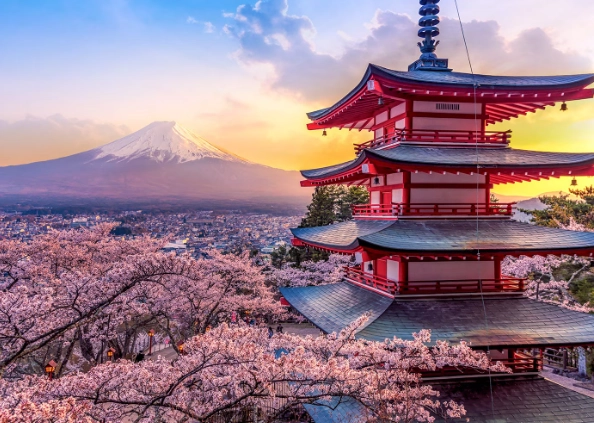
The Food Journey: Beyond Sushi and Ramen
Eating is a top activity. Don't just follow Instagram.
- Ramen: Skip the famous chains with long lines. Find a small, local shop with a vending machine out front. My best bowl ever was in a 6-seat counter in a Kyoto back alley. Look for salarymen eating alone – that's a good sign.
- Sushi: For a mind-blowing but affordable lunch, find a kaitenzushi (conveyor belt) sushi chain like Sushiro or Kura Sushi. It's fun, fresh, and you can try everything. For a splurge, book a omakase course at a small sushiya.
- Izakaya: These Japanese pubs are where the magic happens. Order small plates to share. Try yakitori (grilled skewers), edamame, and potato salad (trust me, it's different here). Point at what other tables are having.
One specific spot? In Tokyo's Tsukiji Outer Market, find Sushi Dai (the original one inside the old market area). Yes, you might wait. The melt-in-your-mouth otoro (fatty tuna) is worth it. For okonomiyaki in Osaka, head to Mizuno in Dotonbori. Watching them craft the savory pancake at the teppan in front of you is half the fun.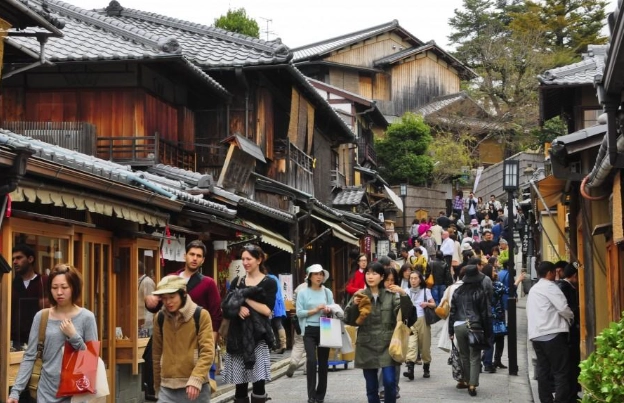
Cultural Nuances: The Unwritten Rules
This isn't about being perfect, but about showing respect.
On trains, speak quietly. Don't take phone calls. Priority seats are for the elderly, pregnant, and disabled – avoid them if you can. When you see a line, join the end of it. Orderly queues are sacred.
At temples and shrines, purify your hands at the chozuya (water pavilion) before entering. Toss a coin (a 5-yen coin is considered lucky) into the offering box, bow twice, clap twice, pray, then bow once more.
The shoe thing is real. You'll take them off at ryokans, some restaurants, temples, and even some museums. Always check the floor level. Socks without holes are a good idea. Slippers are provided, but never wear slippers on tatami mats – step onto tatami in your socks or bare feet.
Here’s a subtle one people miss: When handing money or a business card, use both hands. It's a small gesture that shows consideration.
Budget Realities: What It Really Costs
Japan has a reputation for being expensive. It can be, but it doesn't have to be. Let's break it down per person, per day, excluding flights.
| Category | Budget | Mid-Range | Luxury |
|---|---|---|---|
| Accommodation | Capsule/Hostel: ¥3,000-¥5,000 | Business Hotel: ¥10,000-¥15,000 | Ryokan/Luxury Hotel: ¥25,000+ |
| Food | Convenience store/Street food: ¥2,000-¥3,000 | Restaurant meals: ¥5,000-¥8,000 | Fine Dining: ¥15,000+ |
| Transport (Local) | ¥1,000-¥1,500 | ¥1,500-¥2,500 (incl. some taxis) | ¥3,000+ (Private car/taxis) |
| Activities/Souvenirs | ¥1,000 | ¥2,000-¥4,000 | ¥5,000+ |
| Daily Total | ¥7,000-¥10,500 | ¥18,500-¥30,000 | ¥48,000+ |
The single biggest variable is inter-city travel. A 7-day Japan Rail Pass is about ¥50,000. If your itinerary justifies it, that's a fixed cost to add. If not, pay as you go.
To save: Eat breakfast at convenience stores (the egg sandwiches and onigiri are delicious). Use local trains over the Shinkansen for shorter trips. Many museums and gardens have discounted or free entry days – check their official websites. The best views are often free: the Tokyo Metropolitan Government Building observatory, the Fushimi Inari hike, wandering through a random neighborhood.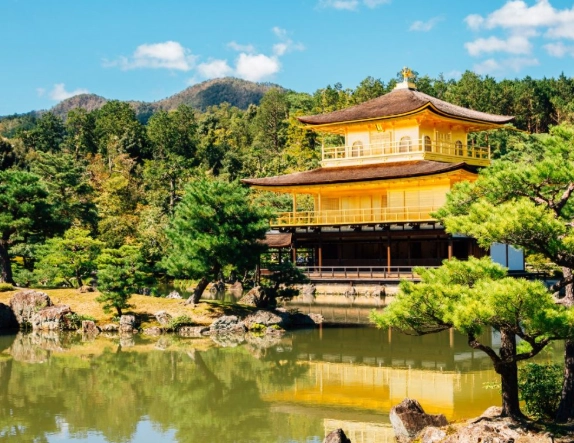
Japan isn't a place you just check off a list. It's a feeling. The quiet bow of a shopkeeper, the precise click of a train door, the shock of cold sake on a warm evening. Plan enough to feel secure, but leave room to get lost. That alleyway with the glowing lantern might just be where you find your favorite memory.
Frequently Pondered Questions
Is the Japan Rail Pass worth it for a 7-day trip?
How can I manage the language barrier in Japan as a tourist?
What's the single biggest mistake first-time visitors make when planning a Japan trip?
What's a realistic daily budget for Japan excluding flights?

Comments