Quick Navigation
You're in Nagano, surrounded by stunning Alps and ancient temples, but figuring out what souvenirs to bring back can feel overwhelming. Let's cut to the chase: Nagano offers unique local treasures that go beyond typical tourist trinkets. I've spent years exploring the region's markets and workshops, and in this guide, I'll share the best Nagano souvenirs, where to find them, and how to avoid common pitfalls. Whether you're on a tight budget or looking for something special, you'll find actionable tips here.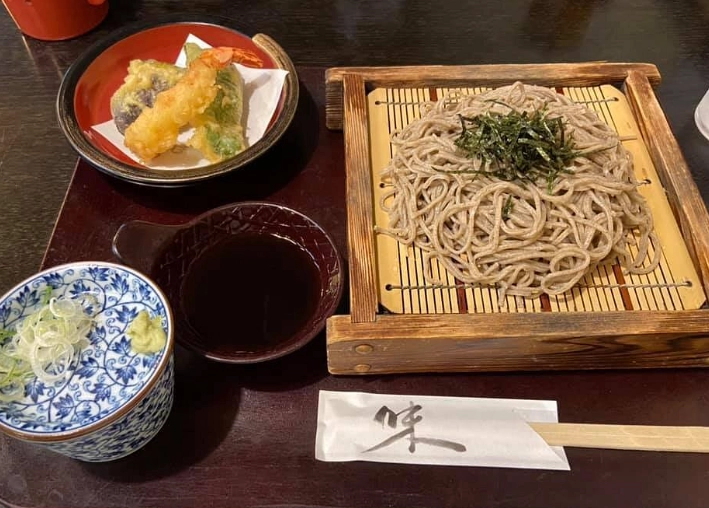
Why Nagano Souvenirs Stand Out
Nagano isn't just about skiing or Zenkoji Temple. The prefecture has a rich craft tradition rooted in its mountain culture and agricultural heritage. Many souvenirs here are handmade by local artisans using techniques passed down for generations. Unlike mass-produced items from big cities, Nagano's offerings often reflect the region's seasons and natural resources. Think hand-carved wooden items, pottery fired in local kilns, and food products made from pristine mountain water. That's what makes them worth your money—they tell a story.
I remember buying a cheap, factory-made keychain from a stall near Nagano Station once. It broke in a week. Since then, I've learned to seek out authentic pieces. The difference in quality and meaning is huge.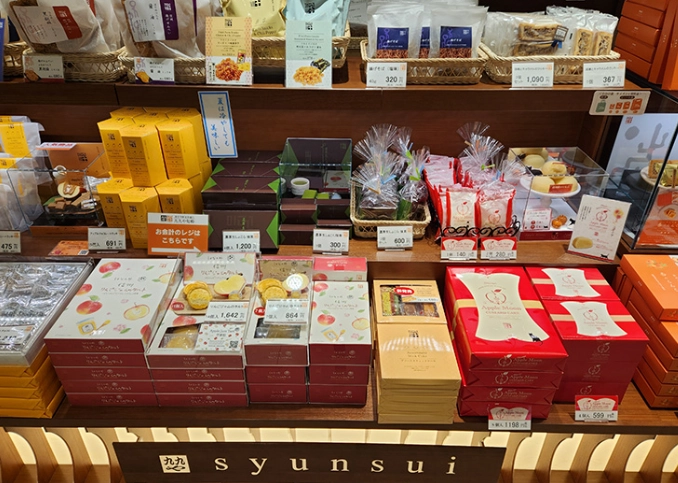
Top Nagano Souvenirs You Need to Buy
Here's a rundown of the must-buy items. I've ranked them based on uniqueness, value, and ease of carrying. Use this as your shopping checklist.
| Souvenir | Type | Price Range (approx.) | Best Place to Buy |
|---|---|---|---|
| Shinshu Soba Noodles | Food | ¥800 - ¥3,000 per pack | Local farms or specialty stores like Soba no Sato |
| Matsumoto-yaki Pottery | Craft | ¥2,000 - ¥15,000 per piece | Matsumoto Craft Galleries |
| Nagano Apple Products | Food | ¥500 - ¥2,500 for jams or juices | Fruit stands in Obuse or Nagano City markets |
| Kiso Lacquerware | Craft | ¥5,000 - ¥30,000 for bowls | Kiso Fukushima workshops |
| Shinshu Miso Paste | Food | ¥1,000 - ¥5,000 per container | Local miso breweries like Marukome |
Let's dive into each one.
Shinshu Soba Noodles
Nagano's cold climate and clean water produce some of Japan's best soba. Look for packs labeled "Shinshu soba"—they're often stone-ground and have a nutty flavor. I prefer buying from small farms rather than airport shops; the quality is fresher. A good spot is Soba no Sato near Zenkoji Temple, open from 9 AM to 6 PM. Prices start at ¥800 for a 200g pack. Just remember, if you're flying, check customs rules for bringing food back.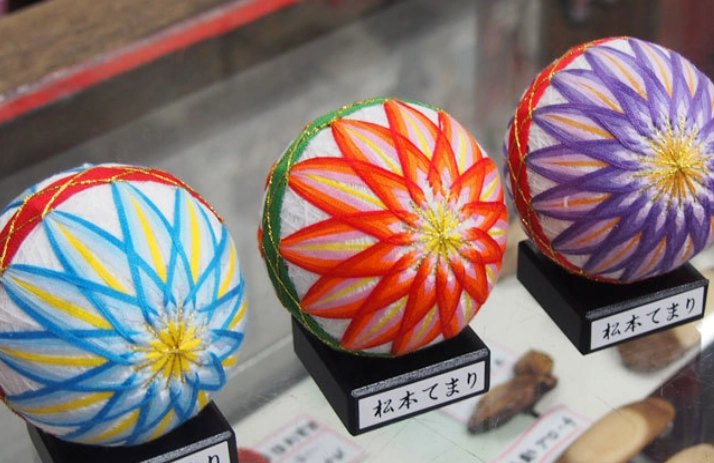
Matsumoto-yaki Pottery
This pottery comes from Matsumoto, known for its elegant designs and durability. Pieces range from simple cups to intricate vases. Visit Matsumoto Craft Gallery (address: 3-10-15 Ote, Matsumoto City, open 10 AM to 5 PM, closed Mondays). Prices vary, but you can find small items for around ¥2,000. A common mistake tourists make is buying fragile pieces without proper packaging. Ask for bubble wrap—most shops provide it for free.
Nagano Apple Products
Nagano's apples are famous for their sweetness. Instead of carrying whole apples, opt for jams, juices, or even apple cider. In Obuse, a town near Nagano City, fruit stands like Obuse Orchard sell homemade apple jam for ¥1,200 a jar. They're open seasonally, so check ahead. I've found these make great gifts for friends who appreciate natural flavors.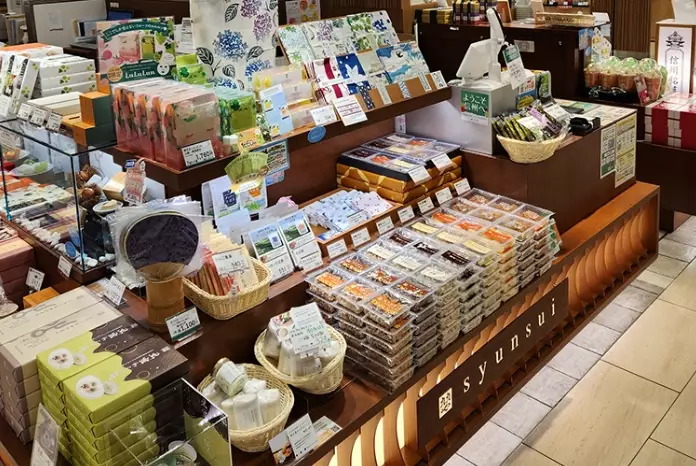
Kiso Lacquerware
Handcrafted in the Kiso Valley, this lacquerware is stunning but pricey. It's made using traditional techniques with urushi lacquer. If you're on a budget, consider smaller items like chopsticks or coasters. Workshops in Kiso Fukushima, such as Kiso Lacquerware Center, offer pieces from ¥5,000. They're open 9 AM to 5 PM, but call ahead as hours can shift. One tip: avoid buying lacquerware from generic souvenir shops; they might be lower-quality imports.
Shinshu Miso Paste
Nagano's miso is rich and savory, perfect for cooking. Marukome, a well-known brand, has a brewery in Nagano City where you can buy fresh miso. Address: 1-1-1 Marukome, Nagano City. Open 10 AM to 4 PM for tours and sales. A 500g container costs about ¥1,500. It's heavy, so factor that into your luggage. I always pack it in my checked bag to avoid spills.
Where to Buy Souvenirs in Nagano: Shops and Markets
Location matters. Tourist hubs often have inflated prices, but with a little digging, you can find gems.
Nagano Station Area: Convenient but crowded. Shops like Nagano Meisan Tengoku offer a wide range, but compare prices. Open 8 AM to 8 PM. Good for last-minute buys, but selection can be generic.
Zenkoji Temple Approach: The street leading to Zenkoji Temple is lined with shops selling local crafts. Try Kamesushi Sohonten for ceramics (address: 500-1 Daimoncho, Nagano City, open 9:30 AM to 5:30 PM). Prices are reasonable, and you can often watch artisans at work.
Matsumoto Castle Area: Near the castle, you'll find galleries selling Matsumoto-yaki. Matsumoto Traditional Crafts Center (open 10 AM to 5 PM, closed Tuesdays) is reliable. Address: 4-1-1 Ote, Matsumoto City.
Local Markets: For food souvenirs, visit the Nagano City Morning Market (held daily from 6 AM to noon near Zenkoji). Vendors sell fresh produce, miso, and pickles. Cash is king here.
I once bought a beautiful wooden doll from a shop near Nagano Station, only to see the same item for half the price at a market the next day. Lesson learned: always explore beyond the obvious spots.
How to Choose the Perfect Nagano Souvenir: Expert Advice
Here's where most guides fall short. Choosing a souvenir isn't just about picking something pretty; it's about matching it to your needs and values.
First, consider sustainability. Nagano has a growing eco-friendly scene. Look for souvenirs made from local, renewable materials. For example, some woodcrafts use cedar from sustainably managed forests. Ask sellers about their sourcing—if they hesitate, that's a red flag.
Second, think about practicality. Will that large vase survive the flight home? I've seen tourists struggle with bulky items at airports. Opt for compact, durable things like lacquerware coasters or small pottery cups. They're easier to pack and less likely to break.
Third, authenticity matters. A common mistake is buying "Nagano" souvenirs that are actually made elsewhere. Check for labels like "made in Nagano" or "crafted locally." Handmade items often have slight imperfections—that's a sign of authenticity, not poor quality.
My personal rule: if it feels too cheap or mass-produced, it probably is. Spend a bit more on something that supports local artisans. You'll thank yourself later.
Souvenir Shopping Tips for a Smooth Experience
Let's get practical. These tips come from my own blunders and successes.
- Budget wisely: Set aside ¥5,000 to ¥10,000 for souvenirs. Food items are cheaper, while crafts can be investments. Avoid impulse buys at airports—they're overpriced.
- Pack smart: Bring a foldable tote bag for shopping. For fragile items, ask shops for packaging. Some even offer shipping services, but that can cost extra.
- Timing is key: Shop early in the day to avoid crowds. Markets are best in the morning. Many craft shops close on Mondays, so plan accordingly.
- Tax-free shopping: If you're a foreign tourist, look for stores with "Tax-Free" signs. You can get a refund on purchases over ¥5,000, but keep your passport handy.
- Carry cash: Smaller vendors and markets often don't accept credit cards. Withdraw yen from ATMs at convenience stores like 7-Eleven.
One time, I forgot to check a shop's return policy and ended up with a miso container that leaked in my bag. Now, I always ask about returns or exchanges, especially for food items.

Comments