Quick Guide
- The Golden Rule: Your Passport Dictates the Rules
- Demystifying the Japan Tourist Visa Application Process for Green Card Holders
- Key Advantages Green Card Holders Have in the Application
- Common Questions & Situations (The FAQ You Actually Need)
- A Realistic Look at Timelines and Planning
- Beyond the Tourist Visa: Other Visa Types
- Final Thoughts and Personal Take
Let's cut right to the chase. If you're a US green card holder sitting there wondering about a Japan visa, you're probably feeling a mix of excitement and confusion. I get it. The information online is a mess – forum posts from 2015, conflicting advice, and official pages that can be a bit dense. I've been through this myself, and I've helped friends navigate it. So, let's clear the air completely.
The biggest question, the one that brings most people here, is this: Do US permanent residents need a visa for Japan?
Here's the simple, non-negotiable answer: It depends entirely on the passport you hold. Your US green card (Permanent Resident Card) itself does not grant you visa-free entry to Japan. Japan's visa waiver agreements are with countries, not with US residency statuses. This is the core piece of information that causes all the confusion.
Think of your green card as a key to the United States. It doesn't automatically open the door to other countries. Japan looks at the passport you present. So, your journey to figuring out the Japan visa requirements for US green card holders starts with pulling out your passport and checking its cover.
The Golden Rule: Your Passport Dictates the Rules
This is the single most important concept to grasp. Let's break down the scenarios you might fall into.
Scenario 1: You Hold a Passport from a Visa-Exempt Country
If you are a citizen of one of the many countries that have a visa exemption agreement with Japan for short-term tourism or business (like the United Kingdom, Canada, Australia, most EU nations, South Korea, etc.), then you're in luck. In this case, as a green card holder, you typically do NOT need to apply for a visa in advance for short stays (usually up to 90 days). You can travel to Japan with your valid passport from that country and your US green card.
Why mention the green card at all? Well, Japanese immigration might ask to see your US residence permit when you enter. It helps establish your ties to your country of residence and your intention to return, especially if your passport is from a country with a different economic profile. It's a supporting document, not the main event.
Scenario 2: You Hold a Passport from a Country That Requires a Visa
This is where the majority of the search queries for "Japan visa for U.S. green card holders" come from. If you are a citizen of, for example, India, China, the Philippines, Vietnam, Russia, or many other countries, you WILL need to obtain a tourist visa from a Japanese embassy or consulate before your trip, regardless of your US permanent resident status.
Your green card, however, becomes your strongest asset in the application. It significantly strengthens your case by proving strong ties to the United States, which directly addresses the consulate's primary concern: that you will return home and not overstay in Japan.
So, while the process is mandatory, being a green card holder often makes it smoother and increases your approval chances if you document everything properly. It's a hurdle, but one you're well-equipped to jump.
A Critical Reality Check: I've seen people get tripped up by wishful thinking. "But I live in the US now!" doesn't change Japan's immigration law. The embassy's website is the final authority. Always, always check the official source for your specific nationality. The best place to start is the website of the Japanese Ministry of Foreign Affairs or the specific Japanese Embassy or Consulate in the US that has jurisdiction over your state.
Demystifying the Japan Tourist Visa Application Process for Green Card Holders
Okay, so you've determined you need a visa. Let's walk through the process step-by-step. It's not as mysterious as it seems, just bureaucratic. Having done this for a family member, I can tell you organization is key.
The process isn't centralized. You must apply through the Japanese diplomatic mission (Embassy or Consulate-General) that serves the state where you live. You generally cannot apply by mail; it's an in-person or via an accredited travel agency affair.
Step 1: Gather Your Documents (The Checklist)
This is the most crucial part. An incomplete application is the fastest way to a rejection or delays. Here’s the standard list, but you must verify this on your consulate's website as requirements can have minor variations.
- Visa Application Form: Downloaded from the consulate's site. Fill it out meticulously. No blanks. Your US address is your residence address. Be consistent.
- Passport: Must be valid for the entire duration of your stay in Japan and have at least one blank visa page. They will staple the visa into it.
- US Green Card: Original and a photocopy of both sides. This is your proof of status.
- Photo: One recent, passport-sized photo (usually 2" x 2") with a plain white background. Glue it to the form where indicated.
- Proof of Flight Itinerary: A confirmed, round-trip flight reservation. Don't buy fully non-refundable tickets until the visa is issued, but the reservation must look real.
- Proof of Accommodation: Hotel confirmations for your entire stay. If staying with friends/family, you'll need an invitation letter and their residence documents.
- Daily Schedule (Schedule of Stay): A simple table listing your dates, cities, and planned activities. "Day 1: Arrive Tokyo, check into Hotel A. Day 2: Visit Senso-ji, Tokyo Skytree." It shows you've planned a genuine tourist trip.
- Proof of Financial Means: This is big. Bank statements (usually 3 months) showing healthy and consistent balances. The idea is to prove you can afford the trip. Some consulates have a vague "minimum balance" rule, but a steady history is better than one large recent deposit.
- Proof of Employment: A letter from your US employer on company letterhead stating your position, salary, length of employment, and that you have approved vacation for your travel dates. If self-employed, business registration and tax returns.
- Visa Fee: The fee is usually around $20-$30, but it varies by nationality and is paid upon application. Check the latest fee on the consulate site.
See how your green card is just one piece? But what it does is make the employment letter, US bank statements, and your entire life history in the US credible. It's the foundation.
Step 2: Submission and the Waiting Game
Submit your complete package in person at the consulate during their designated visa application hours. Some consulates mandate appointments, others are walk-in. Check, check, and check again.
Processing time is typically 5 to 7 business days. It can be shorter or longer during peak seasons (like before cherry blossom season) or if they request additional documents. They will give you a pick-up slip.
Step 3: Visa Issuance and What to Check
When you pick up your passport, check the visa sticker immediately! Verify:
- Your name is spelled correctly.
- The visa type is "Temporary Visitor" (for tourism).
- The validity period (the dates you are allowed to enter).
- The duration of stay (usually 15, 30, or 90 days from entry).
Mistakes happen, and it's easier to fix them right there.
Key Advantages Green Card Holders Have in the Application
Let's be clear about why your position is stronger than an applicant applying from their home country.
- Strong Ties to a Developed Country: A US green card is one of the hardest residency permits to get. It screams "stable life." It directly counters overstay fears.
- Financial Credibility: US bank statements and a US salary are viewed as highly reliable. The currency is strong, and the financial systems are transparent.
- Simpler Documentation: All your documents (employment, bank, tax) are in English from a US institution, which the consulate staff are familiar with. No need for complex translations or certifications often required for documents from other countries.
In essence, the application for a Japan visa for US green card holders is less about if you'll get it and more about proving the stable life you've already built in the US. It's a documentation exercise.
Common Questions & Situations (The FAQ You Actually Need)
Here are the real-world questions I've been asked or wondered about myself.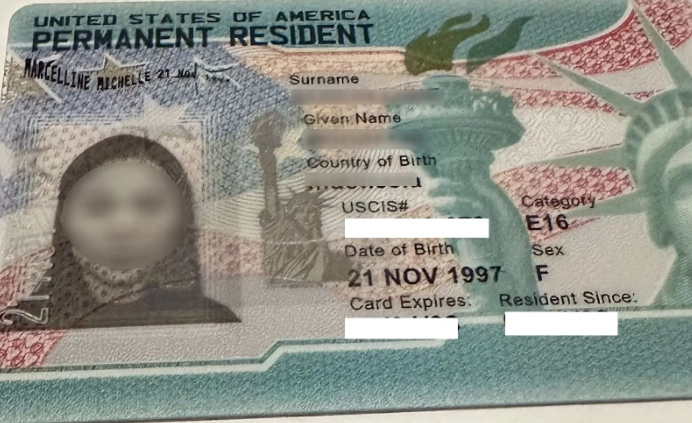
"I'm transiting through Narita to another country. Do I need a visa?"
If you are staying within the international transit area and your connecting flight is within the same calendar day (or next morning if flights are connected), you usually do not need a transit visa. However, if you need to pass through immigration to collect baggage, stay overnight in a hotel outside the airport, or your connection is on a different day, you will need at least a transit visa. This rule applies regardless of your green card status. Always confirm with your airline if your itinerary requires a visa.
"Can I get a multiple-entry visa as a green card holder?"
First-time applicants are typically issued single-entry visas. However, if you have a history of traveling to Japan compliantly, you can apply for a multiple-entry tourist visa on subsequent applications. Your consistent travel history and strong US ties (that green card again) work in your favor. The requirements are stricter (often higher income/financial proof). It's not guaranteed, but it's possible.
"My green card is expiring in 6 months. Can I apply?"
This is risky. Your US permanent resident status must be valid. If your green card expires soon, it raises questions about the stability of your status. Renew your green card first. Applying with plenty of validity left (a year or more) is always safer.
"What if I'm a student or a dependent without a job?"
This complicates things, but it's not impossible. You'll need to provide proof of your student status (I-20, enrollment letter) and financial support. This usually means bank statements from the person funding you (like a parent or spouse) and a notarized affidavit of support from them, along with their financial and employment documents. The consulate needs to see a clear financial pipeline.
"The official website is confusing. Who can I call?"
I'll be honest – direct phone support from embassies is often limited. Their websites are the primary source. If you're truly stuck, using an accredited visa handling agency that specializes in Japan visas can be worth the fee. They know the exact document nuances for each consulate. It's a common service used by many travelers who need a Japan visa as US green card holders.
A Realistic Look at Timelines and Planning
Don't leave this for the last minute. Here’s a sensible planning calendar:
| Time Before Trip | Action Item | Notes |
|---|---|---|
| 3-4 Months | Check passport validity. Start gathering financial documents. | Passports need 6+ months validity. Bank statements need a steady history. |
| 2-3 Months | Finalize itinerary. Book refundable flights/hotels. Download application forms. | You need concrete dates for the application. Use refundable options. |
| 6-8 Weeks | Request employer letter. Compile full application package. | Give your HR department time. Double-check the consulate checklist. |
| 4-6 Weeks | Submit application in person. | Allows time for processing and any potential requests for more info. |
| 1-2 Weeks Before Trip | Pick up visa. Convert refundable bookings to final tickets. | Check visa details. Now you can commit to non-refundable purchases. |
Rushing this process is the best way to induce stress and risk denial over a simple paperwork omission.
Beyond the Tourist Visa: Other Visa Types
While tourism is the most common reason, what if you're planning something else?
- Business Visa: The process is similar, but instead of a daily schedule, you need an invitation letter from the Japanese company you are visiting and a letter from your US employer explaining the purpose of the trip.
- Student Visa: This is a completely different, more complex process initiated by your Japanese educational institution. They provide a Certificate of Eligibility, which is the key document. Your green card status is largely irrelevant for this process, as you are applying for Japanese residency for study.
- Spouse/Child of Japanese National: Different rules and documents apply, centered around proving the family relationship.
The principle remains: your passport nationality triggers the visa requirement; your US residency supports the application.
One piece of advice I rarely see: When you get to Japanese immigration, have your passport (with visa, if applicable), your green card, and your return flight ticket easily accessible. Answer questions politely and simply. "Sightseeing for two weeks" is a perfect answer. Over-explaining can sometimes raise unnecessary flags.
Final Thoughts and Personal Take
Navigating the Japan visa process as a US green card holder is a classic lesson in following the rules to the letter. It's not intellectually hard, but it demands attention to detail. The bureaucracy can feel tedious – the specific photo size, the exact wording on the employer letter, the not-too-old bank statements. It's easy to get frustrated.
But here's the perspective shift: this process exists for everyone from countries that require visas. You, as a permanent resident of the United States, are arguably in the most advantageous position possible within that group. Your documents carry weight. The system is designed to filter out applicants with weak ties, and your green card is a massive tie.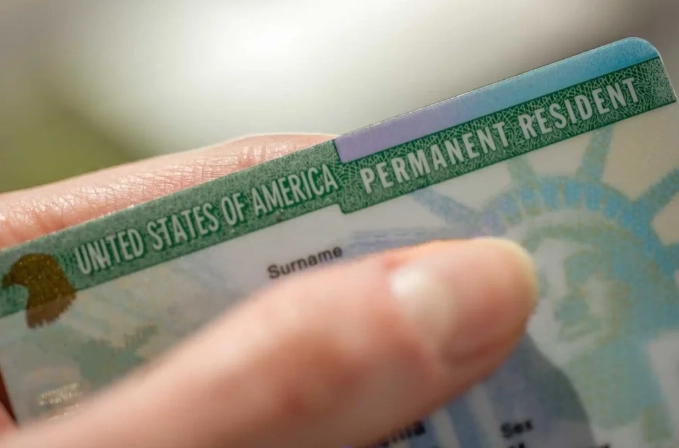
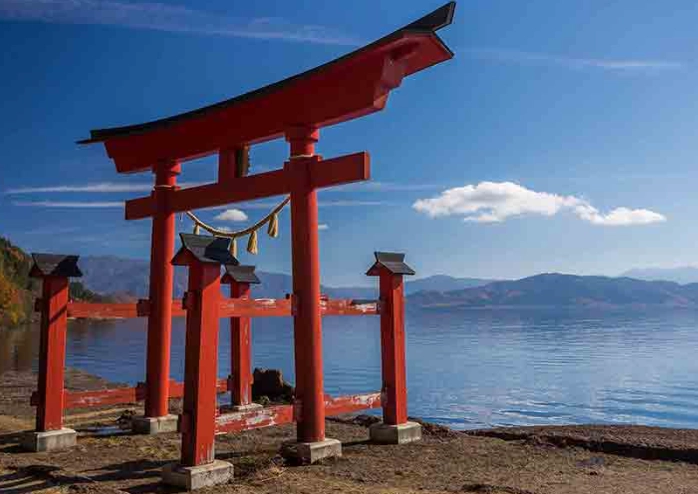
So, don't be intimidated by the phrase "Japan visa for U.S. green card holders." See it as a checklist to complete. Use the official Japanese Ministry of Foreign Affairs website as your North Star. Be organized, apply well in advance, and your reward will be standing in Shibuya Crossing or seeing the torii gates of Kyoto, knowing you cleared the hurdle properly.
Safe travels.




Comments