Most travelers to Japan stick to the golden route: Tokyo, Kyoto, Osaka. They're missing out. Way up north in the Tohoku region, Iwate Prefecture waits with a kind of raw, unpolished beauty you just don't find in guidebook staples. Think jagged coastlines carved by the Pacific, ancient temples holding gold leaf secrets, and a food culture built on resilience and incredible local ingredients. I've been exploring Japan's north for years, and Iwate consistently pulls me back. It's not always the most convenient place to reach, but that's precisely its charm. This isn't a packaged tour experience; it's a place where you feel like you're discovering something genuinely yours.
Your Iwate Journey at a Glance
Why Iwate Should Be on Your Japan Map
Let's cut to the chase. You're considering Iwate, maybe because you've done the classics, or you crave something different. Good choice. Iwate delivers difference in spades. It's geographically massive – Japan's second-largest prefecture – yet feels intimate. The pace slows down. People have time to talk. The landscape shifts from the serene Buddhist heartland around Hiraizumi to the dramatic, wave-battered cliffs of the Sanriku Coast.
A common mistake first-timers make is trying to "do Tohoku" in a few days. It doesn't work. Iwate alone deserves your focus. The depth here is in the details: the craft of Morioka's ironware, the story behind every bowl of soba, the quiet power of a UNESCO World Heritage site that isn't swarmed with buses.
How to Get to Iwate Prefecture
Access is the main hurdle, but it's surmountable. The Shinkansen (bullet train) is your best friend. The Tohoku Shinkansen line runs from Tokyo to Shin-Hanamaki, Morioka, and Ichinoseki stations. From Tokyo Station to Morioka (the prefectural capital) takes about 2 hours and 15 minutes on the fastest Hayabusa service. It's not cheap, but a Japan Rail Pass covers it completely, making the north suddenly very affordable.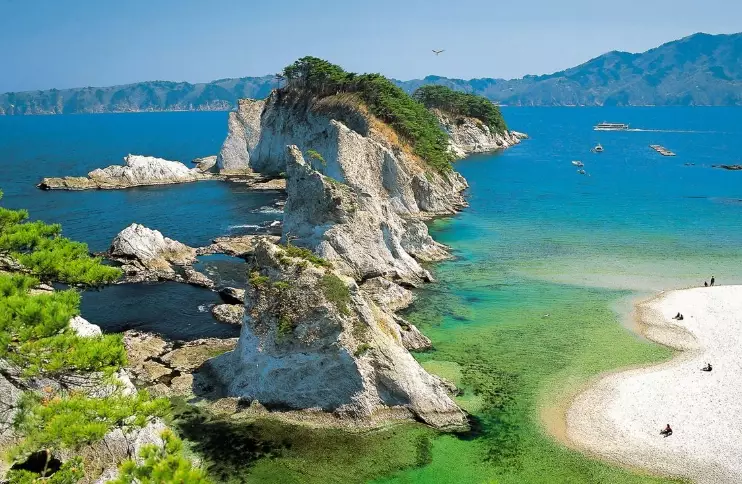
Once you're in Morioka, you have a hub. But to see the best of Iwate – the coast, the remote valleys – you'll need to combine trains with buses. This is where trips often go awry. Public transport exists, but frequencies can be low, especially on weekdays and outside summer. Renting a car is, frankly, the ultimate key to unlocking Iwate. The freedom to stop at a roadside apple stand, follow a coastal road on a whim, or visit a temple that only gets two buses a day is transformative. Companies like Toyota Rent-a-Car have offices at Morioka Station and Hanamaki Airport.
Top Sights You Can't Miss
Iwate isn't about one single landmark. It's a collection of powerful experiences. Here are the non-negotiables.
Hiraizumi: A Glimpse of Buddhist Paradise
Once a rival to Kyoto, Hiraizumi's golden age was in the 12th century. The Chuson-ji Temple complex is the star. Don't just see the famous Konjiki-do (Golden Hall) – a national treasure covered in gold leaf and mother-of-pearl. Take your time walking the forested paths up to the main hall. The atmosphere is palpable. A 10-minute walk away, Motsu-ji Temple is famous for its Pure Land garden, a large pond surrounded by relics. It's especially breathtaking in early summer with irises or autumn foliage.
- Chuson-ji: Open 8:30 AM to 5:00 PM (Mar-Nov), 8:30 AM to 4:30 PM (Dec-Feb). Combined ticket for the Treasure Hall and Konjiki-do: 800 yen. Address: Hiraizumi Koromonoseki-202.
- Getting There: A 10-minute bus ride from JR Hiraizumi Station (covered by the JR Pass).
The Sanriku Coast: Rugged and Resilient
This coastline shapes Iwate's soul. The Jodogahama Beach ("Pure Land Beach") near Miyako is iconic for its white pumice stone cliffs and clear blue water. You can take a short sightseeing boat ride to see it from the water. Further north, the Kitayamazaki Cliffs are a sheer 200-meter drop into the ocean – one of Japan's most dramatic coastal views. Drive the coastal route R45; every turn is a postcard.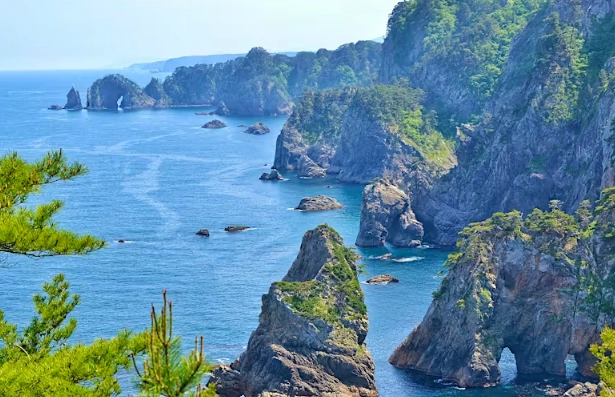
Visiting here also means understanding the region's resilience after the 2011 Great East Japan Earthquake. The Tsunami Memorial Museum in Rikuzentakata is a sobering, essential visit to grasp the power of the disaster and the ongoing recovery.
Geibikei Gorge: A Boat Ride Through Time
Near Ichinoseki, this is a two-kilometer gorge navigated by traditional flat-bottomed boats, punted by skilled boatmen who sing local folk songs. The trip takes about 90 minutes round-trip. It's peaceful, green, and deeply relaxing. Buy a pack of koi food to feed the fish that swim alongside. In winter, they have special kotatsu boats with heated tables.
- Hours: Boats depart regularly, 8:30 AM to 4:30 PM (varies by season).
- Cost: 1,900 yen per adult for the standard ride.
- Address: 467 Nagasaka, Geibikei, Ichinoseki-shi.
Morioka: The Lively Capital
Use Morioka as your base. It's a pleasant, walkable city. See the ruins of Morioka Castle (now a park), and dive into the local crafts at the Iwate Traditional Crafts Village (Nambu Tekki ironware is famous). But mostly, eat. Morioka is a foodie city, which leads us perfectly to the next section.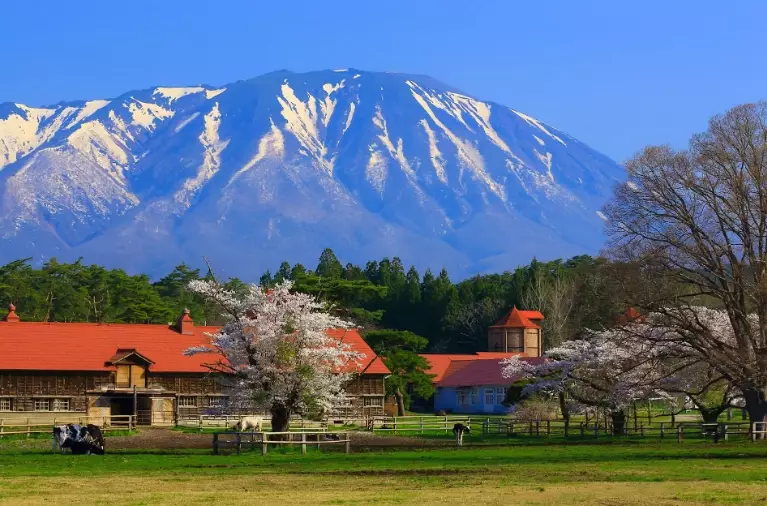
The Iwate Food Experience
Forget generic sushi chains. Iwate's food is hearty, unique, and tied directly to its land and sea.
| Must-Try Dish | What It Is | Where to Try It | Budget Note |
|---|---|---|---|
| Wanko Soba | Endless tiny bowls of soba noodles served rapid-fire until you slam a lid on your bowl. It's a fun, competitive eating experience. | Azumaya Honten in Morioka (multiple locations). Go for lunch. Address: 8-3 Nakanohashi-dori, Morioka. | ~3,000 yen for a full "challenge" set with side dishes. |
| Morioka Jajamen | Thick, chewy noodles with a miso-based meat sauce, cucumber, and a raw egg. You mix it all up. It's savory, messy, and delicious. | Pairon in Morioka is a classic. Address: 1-8-3 Nakanohashi-dori, Morioka. | A filling bowl is around 800-1,000 yen. |
| Maesawa Beef | Iwate's answer to Kobe beef. Less marbled but incredibly flavorful and tender. Often served as yakiniku (grill-it-yourself). | Yakiniku Jozen in Oshu City, near the Maesawa area. Address: 130-86 Maesawa Shimoaze, Oshu-shi. | A premium course can run 8,000-12,000 yen per person. |
| Fresh Sanriku Seafood | Sea urchin (uni), scallops, oysters, and saury are legendary. Best at coastal markets or small port-side restaurants. | Miyako Fish Market (Kaisen Ichiba) for a morning bowl of kaisendon (seafood rice bowl). | A lavish kaisendon: 2,000-3,500 yen. |
My personal, non-consensus take? Skip the fancy multi-course *ryokan* meal if you're on a budget and hit a local izakaya in Morioka instead. You'll spend half as much, get to try more variety, and the atmosphere is electric. Look for places packed with locals after 7 PM.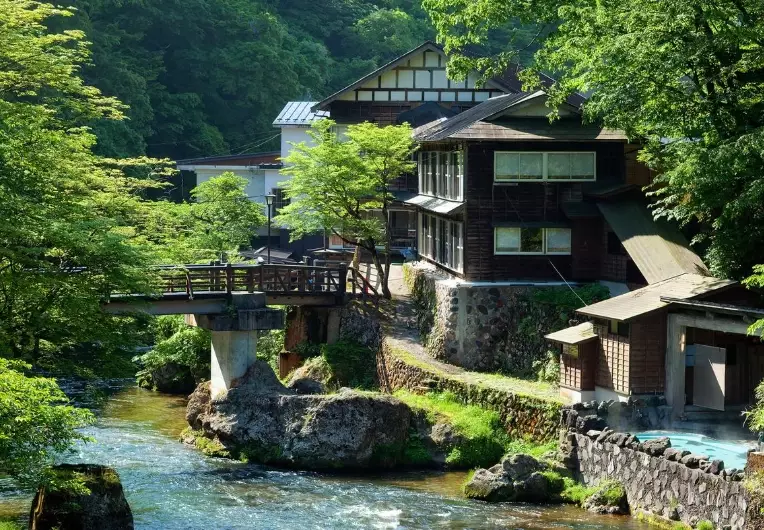
Building Your Iwate Itinerary
Here’s how to structure your time. I'm assuming you have a car for the coastal parts.
The 3-Day Iwate Sampler (No Car Needed)
- Day 1: Arrive at Morioka via Shinkansen. Explore the city, try Jajamen for lunch. Visit the castle park and craft village.
- Day 2: Day trip to Hiraizumi (30 mins by train). Spend the day at Chuson-ji and Motsu-ji. Return to Morioka for a Wanko Soba dinner challenge.
- Day 3: Train to Ichinoseki, then a short bus/taxi to Geibikei Gorge for the morning boat ride. Return to Morioka for your onward journey.
The 5-Day Deep Dive (With a Rental Car)
- Days 1 & 2: As above, based in Morioka.
- Day 3: Pick up car in Morioka. Drive east to the coast (approx. 2 hrs). Visit Jodogahama Beach, stay overnight in Miyako. Eat incredible seafood.
- Day 4: Drive north along the Sanriku Coast. Stop at the Tsunami Memorial in Rikuzentakata, marvel at the Kitayamazaki Cliffs. Stay in a minshuku (family-run guesthouse) in a fishing town like Tanohata.
- Day 5: Drive back inland, dropping the car at Ichinoseki or Shin-Hanamaki Station. Catch the Shinkansen out.
This coastal drive is the heart of the Iwate experience. The roads are good, traffic is light, and the scenery is relentless.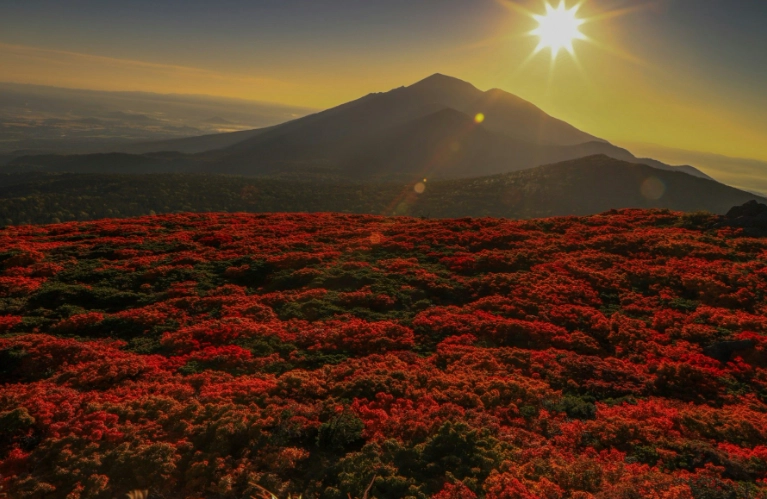
Practical Tips for Your Trip
- When to Go: Late spring (May-June) and autumn (October-early November) are perfect. Summer (July-August) is lively with festivals but can be humid. Winter is cold and snowy, beautiful but with reduced transport options.
- Cash is King: Even more so than in Tokyo. Many smaller restaurants, markets, and guesthouses only take cash.
- Accommodation: Mix it up. A business hotel in Morioka (like Toyoko Inn), a seaside minshuku on the coast, maybe a night in a Hiraizumi ryokan if your budget allows.
- Language: English levels are basic. Learn a few phrases. A translation app (Google Translate's camera function is great for menus) is essential. People are incredibly kind and will try to help.
Comments