Quick Navigation
Let's be honest. When you first hear "Enoshima Beach," you probably picture a simple strip of sand near Tokyo. I did too, before I went. I expected a quick photo op, maybe a stroll, and that's it. What I found was something else entirely—a whole day's adventure that blends beach vibes, ancient shrines, killer views, and fantastic food. It's one of those places that keeps surprising you the longer you stay.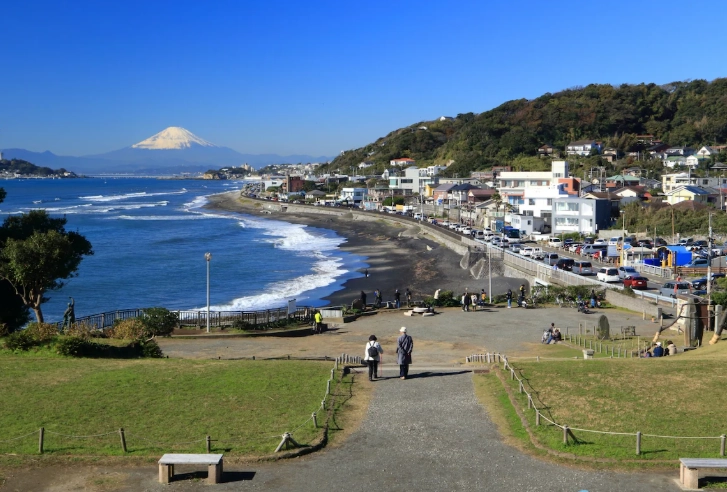
This isn't just another generic list of attractions. I've been a few times now, in different seasons, and made all the classic mistakes so you don't have to. This guide is about cutting through the noise and giving you the practical, usable info you need to plan a trip you'll actually enjoy. Whether you're a solo traveler, a couple, or a family, there's something here for you.
Getting There: Your Transport Options Decoded
This is where most guides just list train lines and leave you confused. Let's break it down based on what you value most: speed, cost, or scenery. The main access point is Katase-Enoshima Station (on the Odakyu Line) or Enoshima Station (on the Enoden Line). They're a 5-minute walk apart, so don't stress.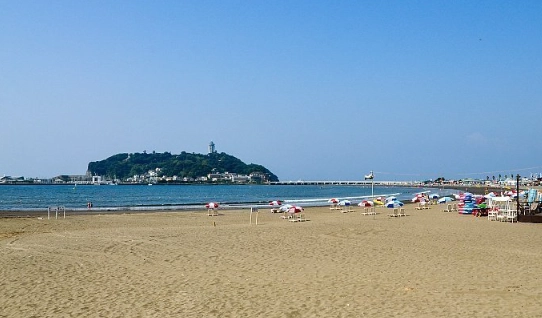
| Option | From (Tokyo) | Journey Time | Cost (One Way) | Best For | My Take |
|---|---|---|---|---|---|
| Odakyu Romancecar | Shinjuku | ~60 mins | ¥1,250+ (reserved seat) | Speed & comfort, direct | Worth the splurge if you hate transfers. Feels like a mini-trip already. |
| Odakyu Local Train | Shinjuku | ~70-80 mins | ¥650 | Budget travelers | You'll need to change at Fujisawa. It's fine, just pack patience. |
| JR Shonan-Shinjuku Line | Shinjuku, Shibuya, Tokyo St. | ~70-90 mins | ¥950 (with JR Pass) | JR Pass holders | If you have the pass, it's a no-brainer. Change at Ofuna. |
| The Enoden Line (from Kamakura) | Kamakura (Kita-Kamakura) | ~25 mins | ¥260 | Combining with Kamakura | This is the secret sauce. The ride itself is iconic—right along the coast. Do this if you can. |
My personal favorite combo? Take the JR to Kamakura, explore the Great Buddha and Hasedera Temple in the morning, then hop on the Enoden Line to Enoshima for lunch and the afternoon. The Enoden is a rattling, charming piece of living history. Sitting by the window as it trundles past houses, beaches, and surfers is half the fun.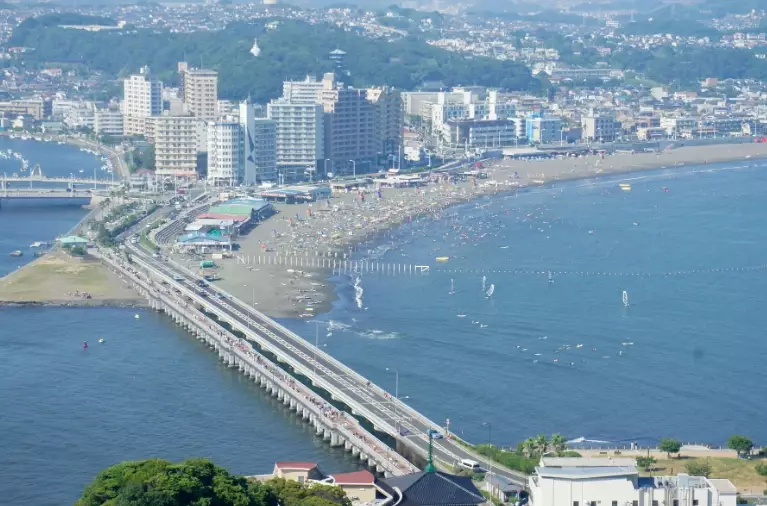
What to Actually Do at Enoshima Beach & Island
Okay, you've arrived. Now what? The area splits neatly into two parts: the mainland beachfront (Katase) and the island itself. Don't just rush across the bridge.
The Mainland Beachfront (Katase)
The stretch of sand officially called Enoshima Beach (or Katase Higashihama) is right there as you exit the station. It's wide, sandy, and popular for sunbathing and swimming in summer (July-August). Lifeguards are on duty then. The water is… okay. It's the Pacific near a city, so manage your expectations for crystal clarity. But the view of the island and the bridge is postcard-perfect.
Honestly, the beach itself can get crowded and a bit messy on summer weekends. It's a fun, lively atmosphere if you're into that. For a quieter vibe, walk west along the coast towards the marina.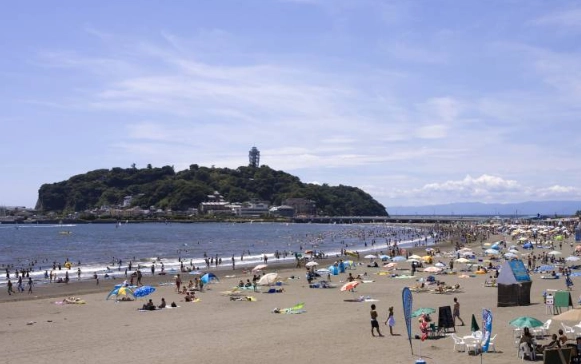
The real magic here is the Enoshima Benten Bridge. Crossing this 600-meter bridge is the official start of the adventure. On a windy day, hold onto your hat. The view back towards the beach and Mount Fuji (if she's out) is stunning.
Enoshima Island: A Layered Adventure
The island is deceptively hilly. Think of it as three levels, connected by a main street and then paths/stairs.
Level 1: The Entrance & Samuel Cocking Garden
Once across the bridge, you're greeted by a bustling street of restaurants and shops selling dried seafood (shirasu) and souvenirs. Don't miss the Enoshima Shrine (Hetsunomiya) right at the entrance. A quick prayer for safe travels costs nothing. To your left is the entrance to the Samuel Cocking Garden and the Enoshima Sea Candle observation tower. My advice? Buy the combined ticket for the garden, escalators, and tower (about ¥1,500). The escalators are a lifesaver—the island is steep.
The garden is pleasant, but the star is the Sea Candle. The 360-degree view from the top is the single best thing on the island. You see the entire Shonan coastline, the curve of the beach, and on a spectacularly clear day, the majestic silhouette of Mount Fuji to the west. It's worth every yen.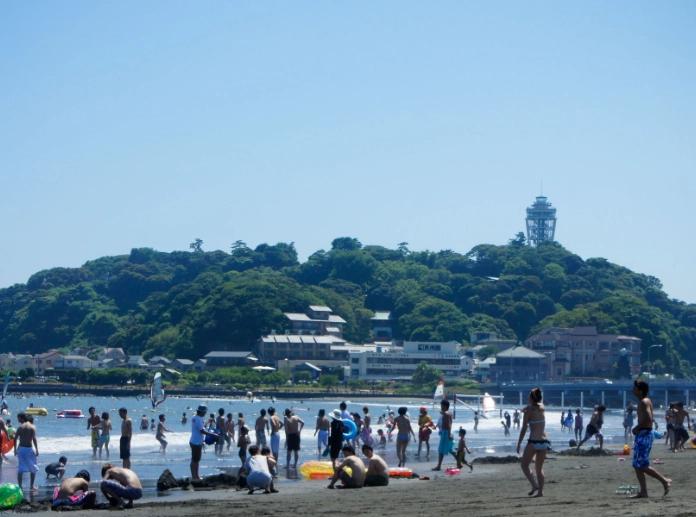
Level 2: The Caves (Iwaya)
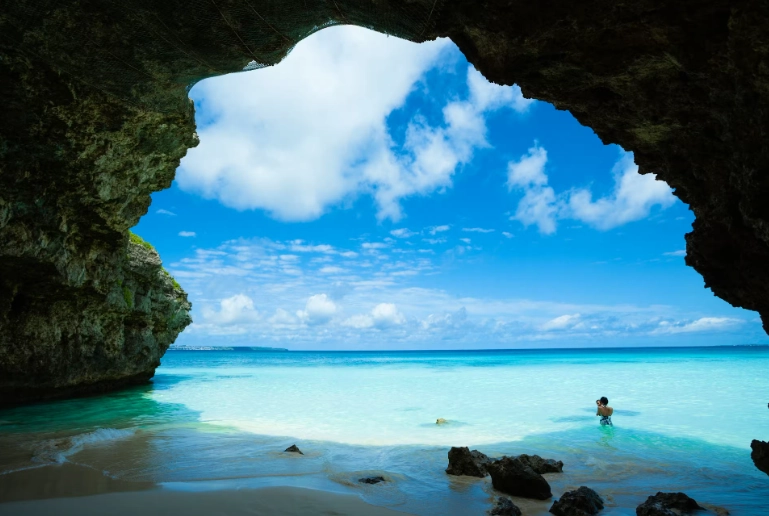
Follow the signs down to the Enoshima Iwaya (sea caves). This is the island's hidden gem, literally. There are two caves carved by waves, lit dimly, and filled with Buddhist statues. You'll be given a candle (now a battery-operated one for safety) to carry through. It's atmospheric, cool, and a little spooky. The entrance fee is ¥500. It's not for the claustrophobic, and the rocks can be slippery. But it feels ancient and mysterious, a stark contrast to the sunny beach just minutes away.
Level 3: The Southern Cliffs & Backside
Past the caves, paths lead around the island's southern side. The views here are wilder, with crashing waves below. You'll find smaller shrines and quieter spots to just sit and watch the ocean. This is where you escape the crowds.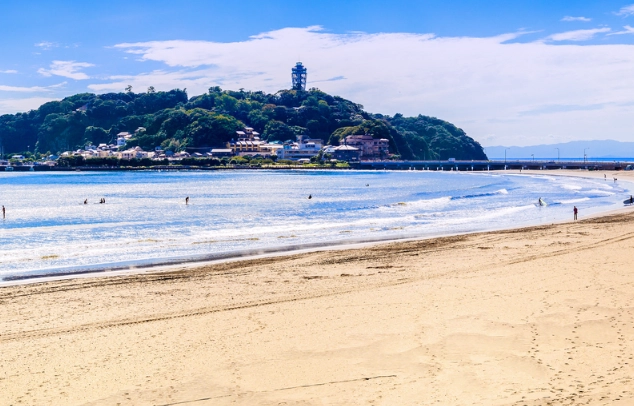
Eating & Drinking: Skip the Generic Tourist Traps
The food scene is a highlight. The local specialty is shirasu (whitebait). You'll see it dried, fresh, on rice bowls, in omelets, everywhere.
- Shirasu Donburi: A bowl of rice topped with fresh, tiny whitebait. It's a texture thing—mild and slightly salty. Try it at one of the restaurants on the island's main street. Tomoei is a classic.
- Kamakura Beer: Local craft beer! The Enoshima Island Brewery has a taproom. A cold pint with an ocean view is hard to beat.
- Seafood Grills: Along the beachfront on the mainland, small shacks grill fresh corn, squid, and fish. Simple and delicious.
- Taco Rice?: Randomly, there are a few Okinawan-inspired places. Not traditional, but a fun fusion if you need a break from seafood.
When to Go: Timing is Everything
Your experience at Enoshima Beach will vary wildly by season and time.
Best Weather & Views (Shoulder Seasons): Late April to early June (spring) and October to November (autumn). The skies are clearer, humidity is lower, and you have a better shot at seeing Mount Fuji. The crowds are manageable.
Summer (July - September): This is peak beach season. The sand is packed, the water is warm enough for swimming, and the atmosphere is festival-like. But it's also hot, humid, and prone to sudden rain. The island paths get very crowded. Go early in the day if you visit in summer.
Winter (December - March): Cold and windy, but often brilliantly clear. You'll have the island mostly to yourself. The sea is dramatic. Just bundle up—that bridge wind is no joke. Many beachfront stalls are closed.
Budgeting Your Day: How Much Does It Really Cost?
Let's talk numbers, because surprises are for birthdays, not trips. Here’s a realistic breakdown for a frugal, moderate, and splurge day trip per person from Tokyo.
- Transport (Frugal): Odakyu local train round-trip + Enoden pass: ~¥1,300.
- Transport (Moderate): Odakyu Free Pass (includes Enoden): ¥1,640.
- Transport (Splurge): Romancecar round-trip: ¥2,500+.
- Attractions: Sea Candle/Garden/Escalator combo ticket: ¥1,500. Sea Caves: ¥500. Total ~¥2,000 if you do both.
- Food & Drink: Lunch (¥1,000-¥2,000), snacks/drinks (¥500-¥1,000).
A solid, enjoyable day excluding fancy shopping can be done for ¥5,000 - ¥7,000 per person. Not the cheapest day out, but for the variety you get, it's reasonable.
Common Questions & Real Concerns (FAQ)
These are the things I wondered about before going, and questions I've heard from other travelers.
Is Enoshima Beach good for swimming?
Yes, but only in the official summer swimming season (usually July to August, dates vary). Lifeguards are present, and the sandy bottom is gentle. Outside that season, swimming is prohibited and can be dangerous due to currents and boats. The water quality is monitored. For official status and safety info, you can check the Fujisawa City website (the municipality that manages the beach).
Can I do it with kids or if I have mobility issues?
With kids: Absolutely. The beach, the island with its caves (older kids will love it), the train ride—it's a hit. Use the escalators on the island. Bring a stroller, but be prepared for stairs in some areas.
Mobility issues: This is tricky. The mainland beachfront is flat and accessible. The bridge to the island is also flat and wide. However, the island itself is very steep and full of stairs, even with the escalators covering some sections. The sea caves involve navigating uneven, wet rock. It would be very challenging for wheelchair users or those with significant walking difficulties.
How do I avoid the crowds?
Go on a weekday. Arrive early (before 10 AM). Head straight to the island first, do the Sea Candle before lines form, then work your way back. Most day-trippers arrive around 11 AM and hit the main street first. Reverse the flow.
Is it worth it on a cloudy day?
Yes, but with adjusted expectations. You'll miss the panoramic views from the Sea Candle and the chance to see Fuji. However, the atmospheric caves, the shrines, the food, and the coastal walk are still enjoyable. It becomes more about culture and cuisine than vistas.
What's the deal with the Enoshima Shrine?
It's a complex of three shrines dedicated to Benzaiten, a goddess of music, wealth, and wisdom. It has a long history dating back over a thousand years. You don't need to be religious to appreciate the serene atmosphere, the dragon-themed decorations, and the sense of history. For deeper cultural context, the Japan National Tourism Organization (JNTO) page on Enoshima provides good background.
Final Thoughts & My Personal Ranking
Look, Enoshima Beach and the island won't give you a pristine, remote tropical getaway. But that's not its job. Its job is to offer a packed, accessible, and uniquely Japanese day out that mixes nature, history, food, and views in a way that just works.
If I had to rank the must-dos:
- Enoshima Sea Candle View: Non-negotiable. Do this first if the weather is clear.
- Ride the Enoden Line: Preferably from Kamakura. It defines the Shonan vibe.
- Explore the Iwaya Caves: For the unique, mystical experience you won't get elsewhere.
- Eat Shirasu: When in Rome...
- Walk the Benten Bridge: Feel the sea breeze and take in the iconic scene.
My biggest piece of advice? Don't treat it as a checklist. Linger. Get an ice cream, watch the surfers from the Enoden window, sit on a bench on the island's south side. The charm of Enoshima Beach is in the whole laid-back coastal atmosphere, not just ticking off sights. Plan your transport, go with comfortable shoes, and let the day unfold. You'll leave with a camera full of photos and that pleasant tiredness that comes from a day well spent.
Comments