Let's cut to the chase. For many travelers, the answer is no—you don't need a visa for short trips to Japan. But it's not that simple. Your nationality, the purpose of your visit, and how long you plan to stay all play a role. I've helped dozens of friends navigate this, and the most common mistake is assuming one-size-fits-all rules. So, here's what you really need to know, without the fluff.
Jump to What Matters
Who Needs a Visa for Japan? It All Depends on Your Passport
Japan has visa exemption agreements with many countries, allowing citizens to enter for tourism or business without a visa for short periods. But if you're from a country not on that list, you'll need to apply in advance. The rules are set by the Japanese government, and they update them occasionally, so always check the latest from the Ministry of Foreign Affairs of Japan before you book flights.
Here's a quick breakdown. For example, if you're from the United States, Canada, or the United Kingdom, you're in luck—you can stay visa-free for up to 90 days. But if you're from China, India, or Russia, you generally need a visa. I remember a friend from Brazil who assumed he was visa-free because of his passport's strength, but Brazil isn't on the exemption list for Japan. He had to scramble last-minute.
Visa-Free Countries for Japan: A Snapshot
As of now, over 60 countries enjoy visa-free access for short stays. This includes most of Europe, North America, and parts of Asia like South Korea and Singapore. The stay is usually limited to 90 days, but for some, it's 15 or 30 days. Always confirm the exact duration based on your nationality.
Think of it this way: if you're from a country with a strong passport, chances are you're exempt. But don't just rely on hearsay. I once met a traveler from Australia who overstayed by a day because he misread the 90-day rule as three months exactly—it's not, and he faced a fine.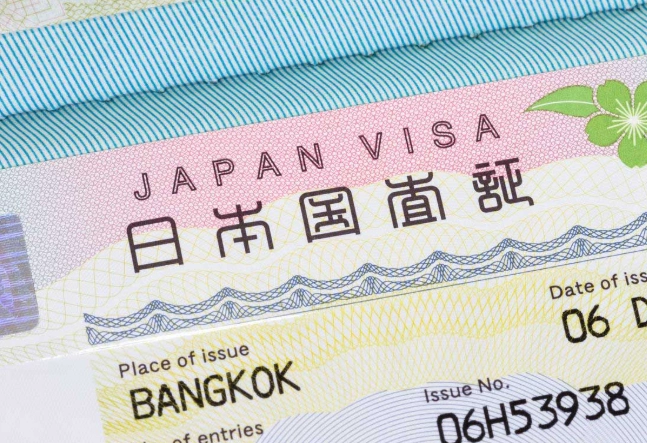
Countries That Require a Visa for Japan
If your country isn't on the exemption list, you'll need to apply for a visa. Common examples include citizens from the Philippines, Vietnam, and many African nations. The process varies, but it typically involves visiting a Japanese embassy or consulate in your home country. You can't apply from within Japan unless under special circumstances.
Let's say you're from India planning a two-week holiday in Tokyo. You'll need a tourist visa. The requirements might include proof of hotel bookings, bank statements, and a detailed itinerary. It's not overly complex, but it requires attention to detail.
Pro tip: Even if you're visa-exempt, you must have a passport valid for the entire stay in Japan, and sometimes for six months beyond. Immigration officers can deny entry if your documents look shaky, so carry proof of onward travel and sufficient funds.
How to Apply for a Japan Visa: A Step-by-Step Walkthrough
Applying for a Japan visa isn't rocket science, but it does demand patience. I've seen people breeze through it in a week, while others get stuck for months due to missing paperwork. Here's a realistic guide based on my experience helping applicants from various countries.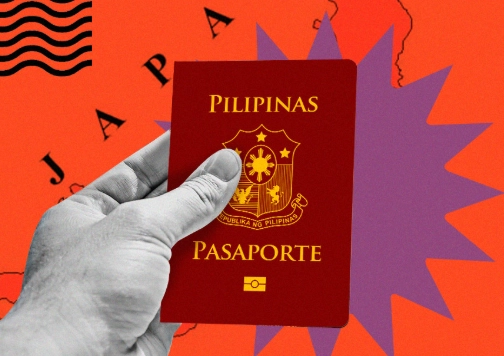
First, identify the type of visa you need. For most tourists, it's a temporary visitor visa. If you're visiting family, you might need a different category. Check the Japanese embassy website for your country—they list all the specifics. For instance, the Embassy of Japan in the United States has clear guidelines, but the one in China might have additional requirements.
Required Documents: Don't Skip Anything
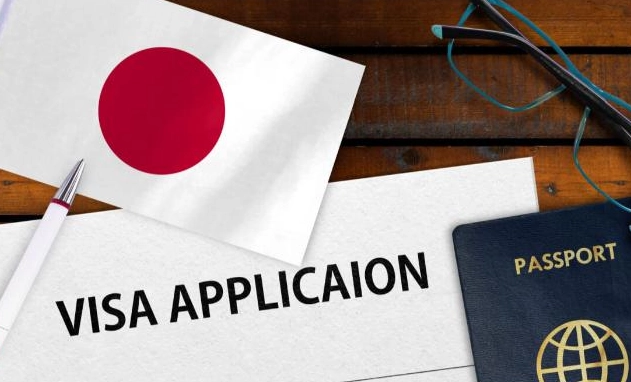
The document list can feel overwhelming, but it's manageable if you tackle it one item at a time. Here's a typical checklist:
- Visa application form: Fill it out completely, without blanks. Use black ink and print it single-sided. I've had applications returned for using blue ink—yes, it's that picky.
- Passport photos: Two recent photos, 45mm x 45mm, with a plain white background. No selfies or filters. A common error is using photos that are too old or don't meet the size; get them professionally taken.
- Valid passport: With at least two blank pages and validity covering your stay.
- Flight itinerary: A confirmed reservation, not just a plan. Some embassies accept tentative bookings, but others want paid tickets. Call ahead to confirm.
- Hotel reservations: Proof of accommodation for the entire stay. If staying with friends, you'll need an invitation letter and their residence proof.
- Financial proof: Bank statements from the last 3-6 months showing you can cover your trip. The amount varies, but aim for at least $1000 per week of stay.
- For employed individuals: An employment letter and pay slips. For students, an enrollment certificate.
If you're from a country like Thailand, you might also need a detailed day-by-day itinerary. I helped a Thai friend who listed "sightseeing" vaguely—the embassy asked for specifics like "visit Senso-ji Temple in the morning." Be precise.
The Application Process: From Submission to Approval
Once you have all documents, submit them to the nearest Japanese embassy or consulate. Some countries allow applications through authorized agencies. Here's a rough timeline:
| Step | What to Do | Estimated Time |
|---|---|---|
| 1. Document Preparation | Gather and double-check all items | 1-2 weeks |
| 2. Submission | Visit embassy or mail application | 1 day |
| 3. Processing | Embassy reviews your case | 5-10 business days |
| 4. Collection | Pick up passport with visa stamp | 1 day |
Processing times can stretch during peak seasons like cherry blossom period (March-April). I advise applying at least a month before your trip. For urgent cases, some embassies offer expedited service for an extra fee, but it's not guaranteed.
After submission, you might get a call for an interview or additional documents. Stay reachable. One applicant I know missed a call because he was traveling, and his application got delayed by two weeks.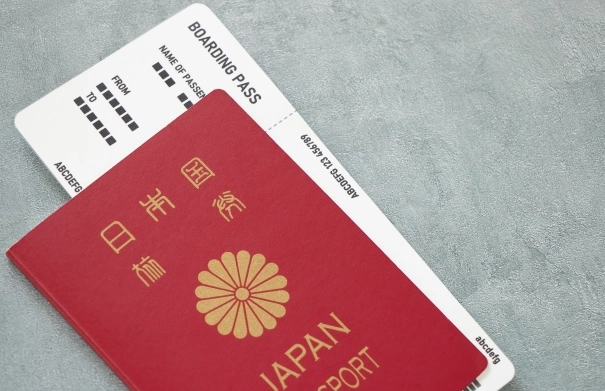
Watch out: Don't book non-refundable flights before getting the visa. I've seen people lose money because they assumed approval was automatic. Embassies can reject applications for reasons like insufficient funds or inconsistent travel history.
Common Visa Mistakes and How to Dodge Them
Based on my observations, many travelers trip over small details. Here are the top pitfalls and how to avoid them, straight from someone who's been through the process multiple times.
Mistake 1: Underestimating processing time. People think, "Oh, it's just a formality," and apply two weeks before flying. Big mistake. Embassies have backlogs, especially post-pandemic. Start early—aim for 4-6 weeks in advance if you're from a visa-required country.
Mistake 2: Incomplete or incorrect forms. The application form asks for things like your employer's phone number or your previous travel dates. Leaving blanks or guessing can lead to rejection. I once helped a friend who put "N/A" for a field that required a date; we had to resubmit.
Mistake 3: Assuming all embassies have the same rules. The Japanese embassy in your country might have specific requirements not listed on general websites. For example, the embassy in Nigeria might ask for a police clearance certificate, while others don't. Always call or check their official site.
Mistake 4: Overlooking passport validity. Your passport needs to be valid for the entire stay, and sometimes longer. I met a traveler from France who had a passport expiring in three months—he was denied boarding at the airport because Japan requires six months validity for some nationalities. Check the exact rule for your country.
Mistake 5: Not having proof of ties to home country. If you're young or unemployed, embassies might worry you'll overstay. Show ties like family, property, or a job to prove you'll return. A student I advised included a letter from his university confirming his enrollment, which smoothed the process.
These might seem minor, but they add up. Take your time, and when in doubt, ask the embassy directly. Their websites often have contact forms or phone lines.
Your Visa Questions Answered
Wrapping up, the key to a smooth Japan trip is preparation. Whether you need a visa or not, double-check your documents, start early, and don't assume anything. Japan is an amazing destination, and a little upfront effort ensures you enjoy it stress-free. Safe travels!

Comments