In This Guide
- What Does "Beginner" Really Mean on Mount Fuji?
- The Non-Negotiables: What You MUST Get Right
- Choosing Your Battle: The Four Main Trails Compared
- A Realistic Timeline for a Beginner's Climb
- Cost Breakdown: What Does It Really Cost to Climb?
- Frequently Asked Questions (The Stuff You're Actually Searching)
- The Final Verdict
Let's cut straight to the chase. You're staring at Google, typing in "can a beginner climb Mount Fuji?" with a mix of excitement and nervousness. Maybe you saw a stunning picture, or a friend did it and won't stop talking about it. The short, honest answer is yes, a beginner can climb Mount Fuji. But—and this is a massive but—it's not a walk in the park. It's a serious, strenuous, and potentially dangerous high-altitude hike that demands respect and preparation. Calling it just a "climb" is misleading; it's a grueling overnight trek up a volcano where the weather can turn from perfect to perilous in minutes.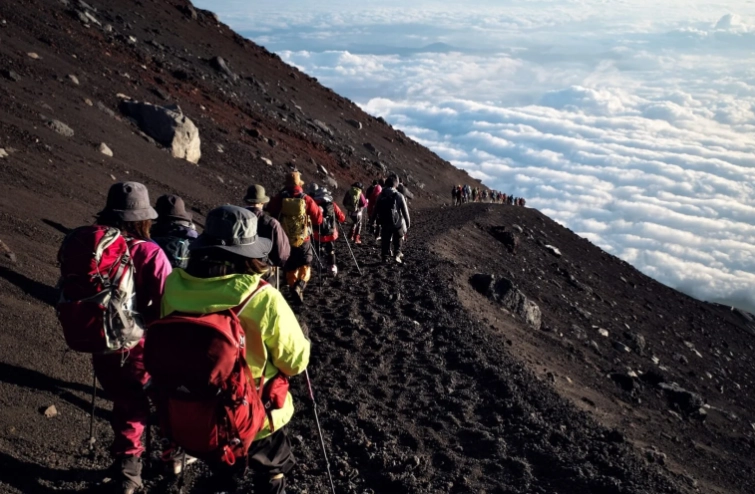
I remember my first time. I was that beginner, lured by the postcard views and a naïve sense of adventure. I made almost every mistake in the book. I'm writing this so you don't have to. This isn't a sugar-coated, inspirational travel fluff piece. It's a practical, no-BS guide that tackles the question "can a beginner climb Mount Fuji" from every angle a first-timer actually cares about: fitness, cost, suffering, and the real chance of failure.
What Does "Beginner" Really Mean on Mount Fuji?
This is where we need to get specific. If "beginner" means you go for a 30-minute walk a few times a week, the answer to "can a beginner climb Mount Fuji" shifts dramatically towards "probably not without significant risk and misery." If "beginner" means you're new to high-altitude hiking but you're reasonably active, can handle stairs, and are willing to train? Then we're talking.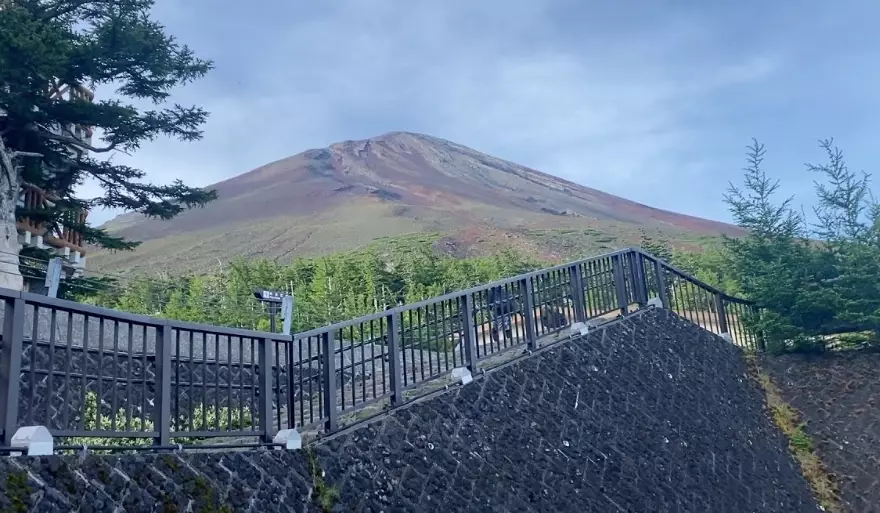
The mountain doesn't care about your labels. It presents objective challenges:
- Altitude: The summit is 3,776 meters (12,388 feet). Most beginners will feel some effects of altitude sickness—headaches, nausea, dizziness. It's normal, but it can be debilitating.
- Terrain: It's not a technical rock climb, but it's not a paved path either. You'll deal with steep, zig-zagging switchbacks, sections of loose volcanic scree (imagine walking up a slope of marbles), and boulders.
- Stamina: This is a 5-10 hour continuous uphill grind, often through the night with little sleep. The descent is another 3-5 hours of punishing impact on your knees.
So, can a beginner climb Mount Fuji? A motivated, prepared beginner with the right mindset can. An unprepared one is in for a world of hurt, or worse, will become a statistic requiring mountain rescue. The official Mount Fuji Climbing Official Website is a mandatory first stop. It's run by the authorities and has the official season dates, weather warnings, and safety protocols. Ignoring it is your first big mistake.
The Non-Negotiables: What You MUST Get Right
If you're still reading, you're serious. Good. Let's talk about the pillars that will make or break your attempt. These are the things I wish someone had screamed at me.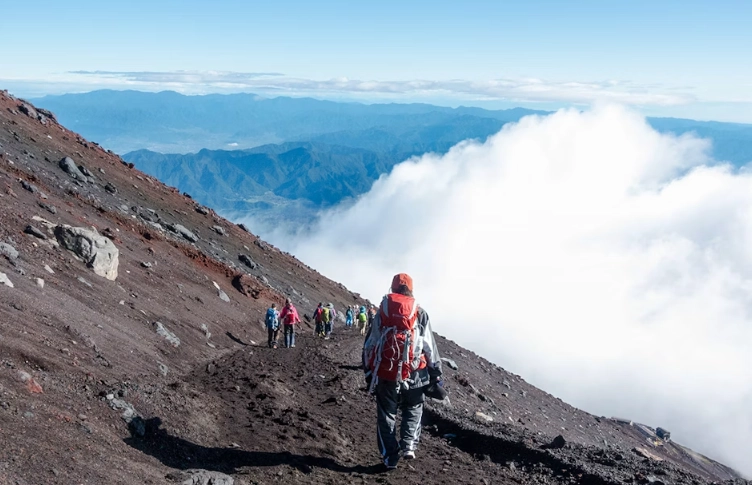
1. The Right Season and Weather Obsession
The official climbing season is shockingly short: early July to early September. That's it. Outside this window, most facilities are closed, weather is severe, and it's strongly discouraged (often illegal on certain trails). Even within the season, you must become a weather fanatic.
Check the Japan Meteorological Agency website religiously in the days leading up to your climb. Wind is a silent killer—it saps heat and energy. Rain makes the trails slippery and miserable. If the forecast looks poor, postpone. The mountain isn't going anywhere.
2. Gear: This is Not the Place to Cheap Out
Forget cotton everything. You need a layered system for temperatures that can swing from 25°C (77°F) at the base to near freezing at the summit, with wind chill making it feel far colder.
The Absolute Essentials Checklist:
- Footwear: Sturdy, broken-in hiking boots with ankle support. Trail runners are a gamble I wouldn't take—the scree on the descent will fill them, and the lack of support will wreck your feet.
- Lighting: A reliable headlamp (with spare batteries) for the night hike. Your phone flashlight is not enough.
- Clothing: Moisture-wicking base layer, insulating mid-layer (fleece/puffy), waterproof and windproof outer shell. Waterproof pants are a lifesaver if it rains.
- Backpack: A comfortable, 20-30 liter pack to carry water, food, and layers.
- Other Must-Haves: Gloves, hat, sunglasses, high-SPF sunscreen, a buff or face cover (the dust is real), a small first-aid kit, and cash for toilets/donations/huts.
Can a beginner climb Mount Fuji with jeans and sneakers? You'll see people attempting it. Those people are having one of the worst experiences of their lives. Don't be them.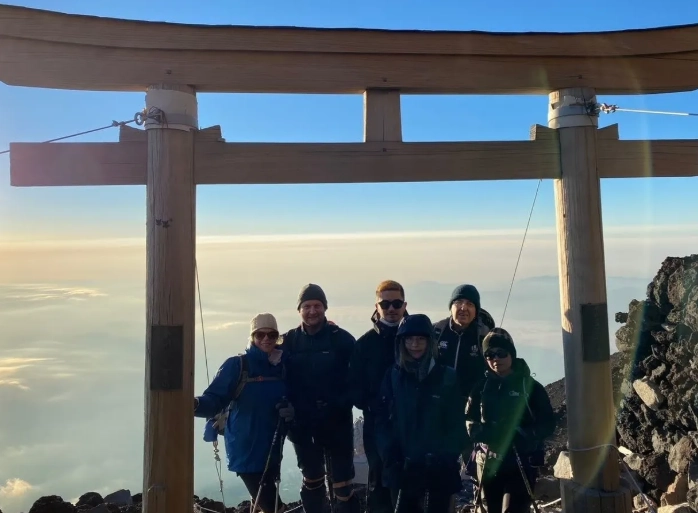
3. Fitness and Acclimatization: The Silent Prep
You don't need to be a marathon runner, but you do need leg stamina and cardiovascular fitness. The best training? Stairs. Hills. More stairs. Aim for being able to hike with a pack for 4-6 hours on moderate terrain comfortably.
Altitude sickness is a wild card. Some people get hit hard, others barely notice. To improve your odds, the golden rule is: climb high, sleep low. This is why the most popular strategy is to take a bus to the 5th station (~2300m), hike up to a mountain hut near the 7th or 8th station (~3000m) in the afternoon, sleep (or try to) for a few hours, then summit for sunrise. This gives your body a few hours to start adjusting before the final push.
Choosing Your Battle: The Four Main Trails Compared
This is a critical decision for a beginner. Not all trails are created equal. Picking the wrong one can turn a tough challenge into an impossible one. Here’s a breakdown that goes beyond the basic stats.
| Trail | Starting Point (5th Station) | Key Character | Why a Beginner Might Choose It | Why a Beginner Might Avoid It |
|---|---|---|---|---|
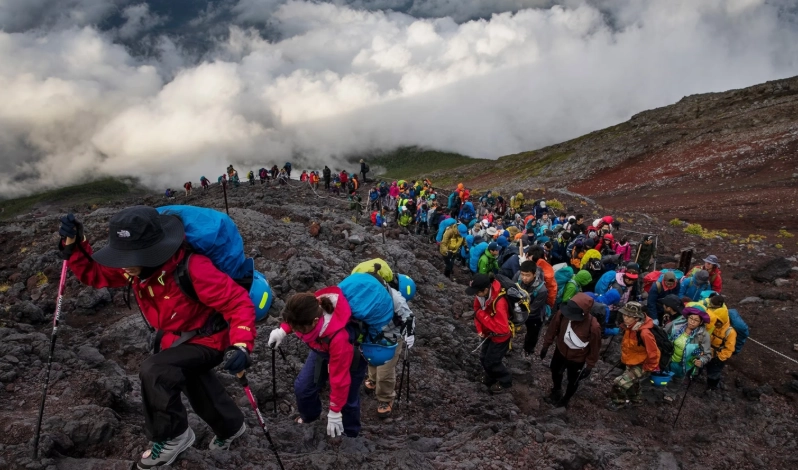
| Yoshida Trail | Fujiyoshida (Yamanashi) | The most popular, classic route. | Best infrastructure (most huts, first-aid stations). Separate trails for ascent/descent (less traffic jams on the way down). Best for sunrise views. | Can be extremely crowded, feeling like a conveyor belt. The descent is a long, boring, knee-pounding slog on loose scree. |
| Subashiri Trail | Subashiri (Shizuoka) | The forest route. | Beautiful, shaded forest for the first half. Less crowded. Merges with Yoshida near the 8th station. | The forest section can be muddy if wet. Slightly longer than Yoshida. Fewer facilities lower down. |
| Gotemba Trail | Gotemba (Shizuoka) | The long, quiet sand slide. | Least crowded. Unique "Ohsunashira" sandy descent where you can run/slide down sections. | Longest and has the least elevation gain at the start, making it the most physically demanding. Very few facilities. Not recommended for a first-time beginner. |
| Fujinomiya Trail | Fujinomiya (Shizuoka) | The shortest, steepest route. | Shortest distance from 5th station to summit. Popular from the Shizuoka side. | Steep and rocky. Can feel more strenuous despite the shorter distance. Can get congested. |
My recommendation for a first-timer asking "can a beginner climb Mount Fuji?" is almost always the Yoshida Trail. The crowd is a downside, but the safety net of abundant huts and help is worth its weight in gold when you're unsure and tired.
A Realistic Timeline for a Beginner's Climb
Let's visualize a typical, successful beginner itinerary. This assumes you're using a mountain hut, which you absolutely should.
Day 1 (Afternoon): Arrive at the Yoshida 5th Station (2,300m) by bus from Tokyo. Take your time, acclimate, visit the shrine. Start hiking around 1-3 PM. The goal is to reach your reserved mountain hut (around the 7th or 8th station, 3,000-3,400m) by sunset (6-7 PM). This hike takes 3-5 hours. Eat the provided (simple) dinner, try to sleep in the crowded hut bunk.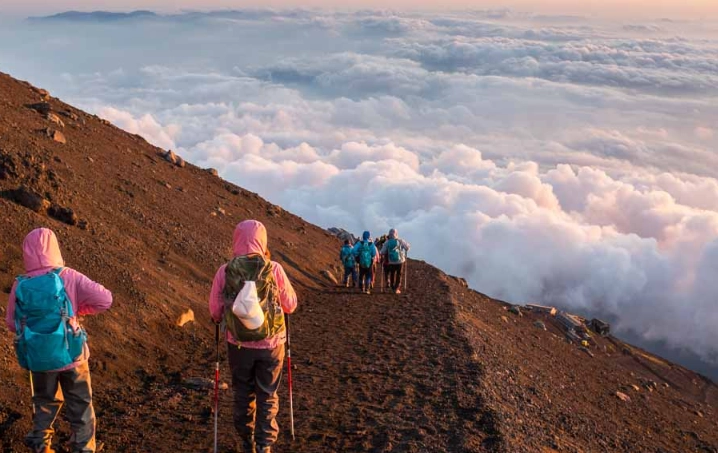
Day 1 (Night) / Day 2 (Very Early Morning): The hut staff will wake everyone around 1-2 AM. You'll have a light snack, gear up, and join the line of headlamps snaking up the mountain. This final push to the summit (3,776m) takes 2-4 hours in the dark, depending on traffic and your pace. The goal is to reach the summit crater before sunrise (around 4:30-5:00 AM).
Day 2 (Morning): Sunrise! Celebrate, take pictures, walk around the crater rim. Visit the highest post office. Then, begin your descent. The descent is often harder mentally than the ascent. It's relentless. On the Yoshida trail, it's a separate, sandy, switchbacking path. It will take 3-5 hours to get back to the 5th station. From there, a bus back to civilization, a hot meal, and the deepest sleep of your life.
Cost Breakdown: What Does It Really Cost to Climb?
Let's be frank, it's not free. A beginner needs to budget for safety and comfort. Here's a rough estimate per person:
- Transport from Tokyo to 5th Station & Back: ~¥5,000
- Mountain Hut Stay (dinner & morning snack): ~¥8,000 - ¥12,000
- Climbing Donation/Preservation Fee: ¥1,000 (voluntary but important)
- Food & Water (to carry): ~¥2,000
- Toilet Fees (on the mountain): ¥200-¥500 per use
- Gear (if you need to buy/rent): Variable, but a significant one-time cost.
So, a basic, well-prepared climb will cost at least ¥15,000-¥20,000 ($100-$150). Trying to do it ultra-cheap by skipping the hut and climbing straight through is a brutal, risky strategy I cannot recommend for a beginner. The hut provides crucial rest and acclimatization.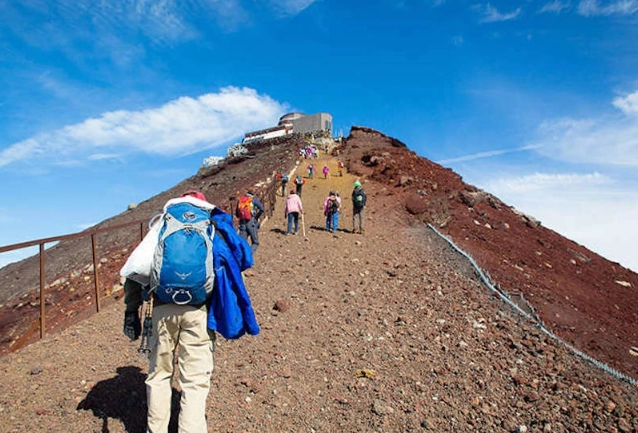
Frequently Asked Questions (The Stuff You're Actually Searching)
The Final Verdict
So, can a beginner climb Mount Fuji? The path to a "yes" is clear: respect the mountain, prepare obsessively, invest in proper gear, choose the forgiving Yoshida Trail, book a hut, watch the weather like a hawk, train your legs, and have the humility to turn back if needed.
It will test you. You will question your life choices during the night hike. Your knees will hate you on the descent. But standing on the crater rim as the sun breaks over Japan, knowing you earned every single step, is a feeling that stays with you forever. It's not an easy checkbox for your travel list. It's a proper adventure. Go into it with your eyes wide open, prepare thoroughly, and you can absolutely answer that question for yourself with a triumphant, exhausted, and unforgettable yes.

Comments