Most travelers rush to Tokyo or Kyoto, but if you're looking for a place that feels untouched and authentic, Kochi Japan is it. I spent a week there last fall, and it surprised me—no overwhelming crowds, just friendly locals, historic sites that tell real stories, and food so fresh you'll rethink Japanese cuisine. Let's cut to the chase: here's everything you need to plan a trip that goes beyond the typical tourist trail.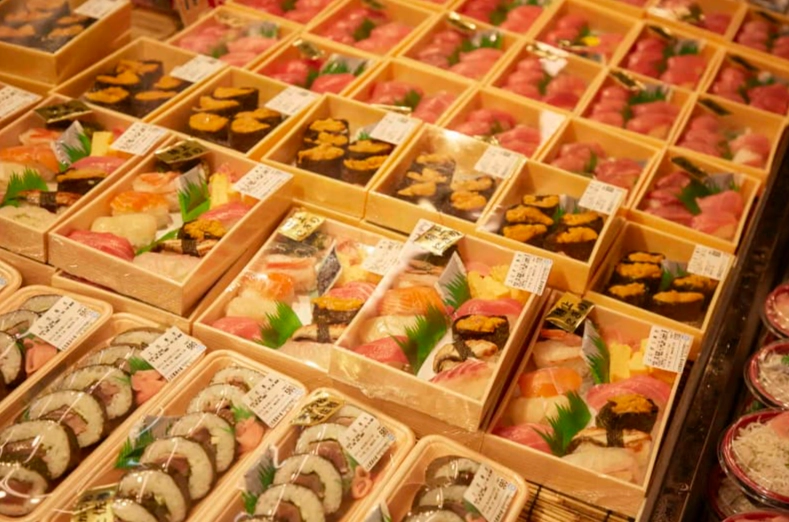
Quick Links to Your Kochi Adventure
Why Kochi Should Be on Your Japan Itinerary
Kochi Prefecture, on Shikoku Island, is often overlooked. That's its charm. You get samurai history without the queues, coastal views without the resorts, and a pace that lets you breathe. According to the Japan National Tourism Organization, Shikoku sees fewer international tourists than Honshu, making it perfect for those tired of packed spots. I met a local fisherman who said, "We're not fancy, but we're real." That sums it up.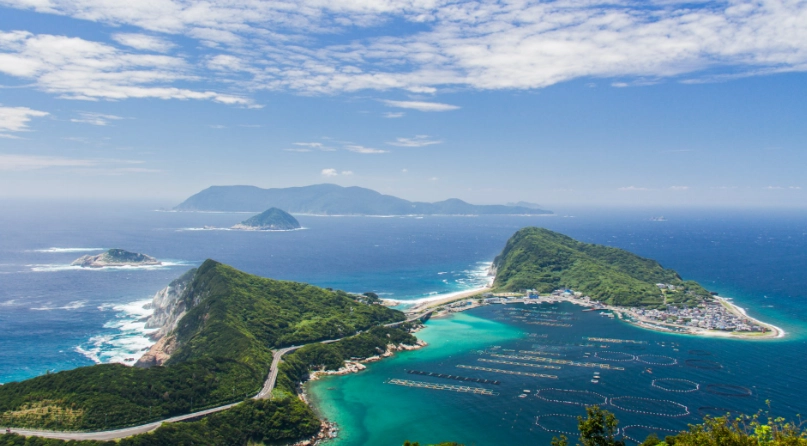
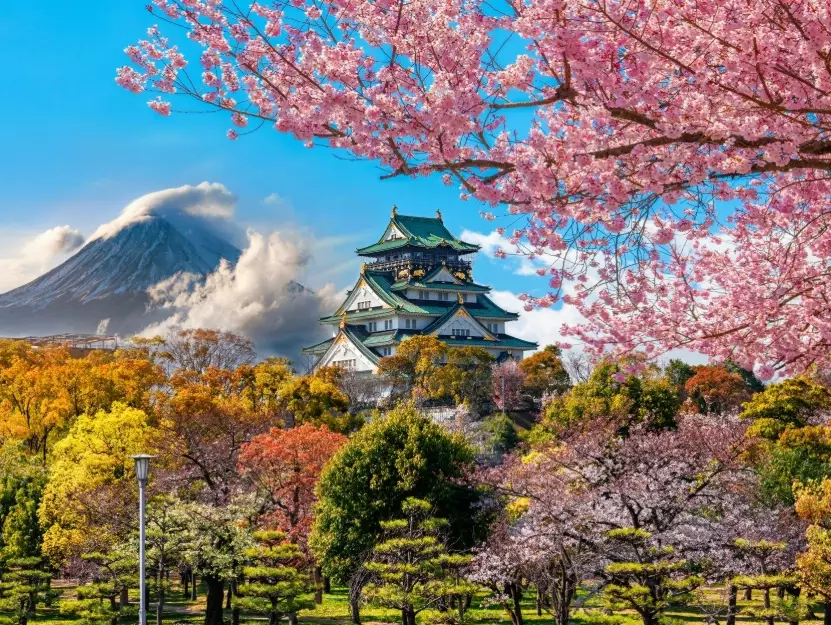
Pro tip: Visit during weekdays to avoid the slight weekend rush from domestic travelers. The weather is mild year-round, but spring brings cherry blossoms to Kochi Castle, while autumn offers crisp air for hiking.
Top Attractions in Kochi You Can't Miss
Don't just tick boxes—immerse yourself. Here are the spots that define Kochi.
Kochi Castle: A Samurai's Legacy
Built in 1603, Kochi Castle is one of Japan's few original castles that survived wars and fires. Entry costs 420 yen, and it's open from 9:00 AM to 5:00 PM daily (last entry at 4:30 PM). Address: 1-2-1 Marunouchi, Kochi City, Kochi 780-0850. Take a bus from Kochi Station—it's about a 10-minute ride. Inside, the wooden interiors feel ancient, and the view from the top tower shows the city sprawling against mountains. I spent an hour just imagining the samurai who walked these halls. Skip the audio guide; the plaques in English tell enough.
Katsurahama Beach: Where History Meets the Sea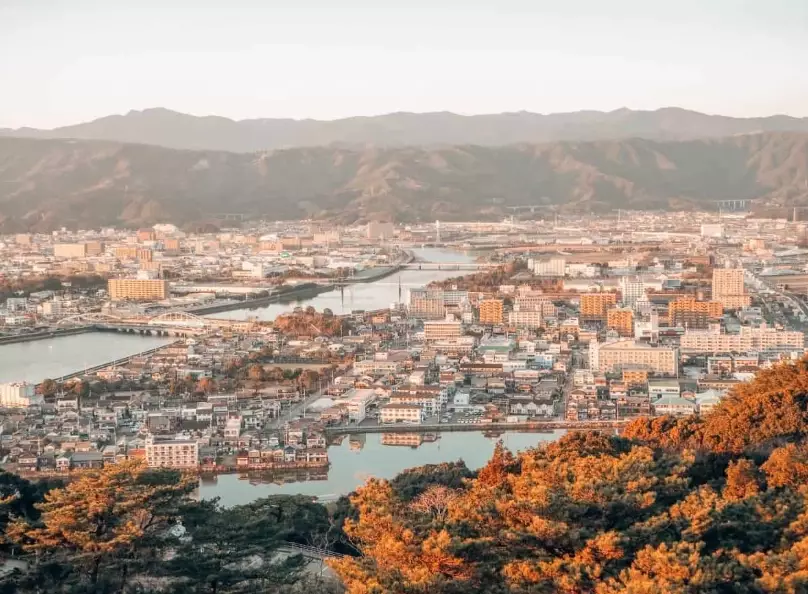
This isn't a swimming beach—the currents are strong—but it's iconic. Free entry, open 24/7. Address: Katsurahama, Kochi City. From Kochi Station, a bus takes 30 minutes. The bronze statue of Sakamoto Ryoma, a local hero, overlooks the bay. Come at sunset; the light hits the rocks in a way that photos can't capture. Nearby, the Sakamoto Ryoma Memorial Museum charges 500 yen, but if you're short on time, just stroll the promenade.
Hirome Market: A Food Lover's Paradise
Think of it as a covered street food hall. No entry fee, open from 10:00 AM to 8:00 PM (some stalls close earlier). Address: 2-3-1 Obiyamachi, Kochi City. It's a 15-minute walk from Kochi Castle. The vibe is chaotic but fun—long communal tables, locals chatting over beer. Must-try: katsuo no tataki (seared bonito) from stalls like "Tosa no Tataki-ya." A plate costs around 800 yen. I found it too touristy at noon; go after 3 PM for a more relaxed experience.
Here's a quick comparison of these attractions:
| Attraction | Ticket Price | Best Time to Visit | Travel Time from Kochi Station |
|---|---|---|---|
| Kochi Castle | 420 yen | Morning on weekdays | 10 minutes by bus |
| Katsurahama Beach | Free | Late afternoon | 30 minutes by bus |
| Hirome Market | Free | After 3 PM | 15 minutes walk |
Savoring Kochi: A Foodie's Journey
Kochi's cuisine revolves around the sea. Forget sushi chains; here, it's about freshness and simplicity.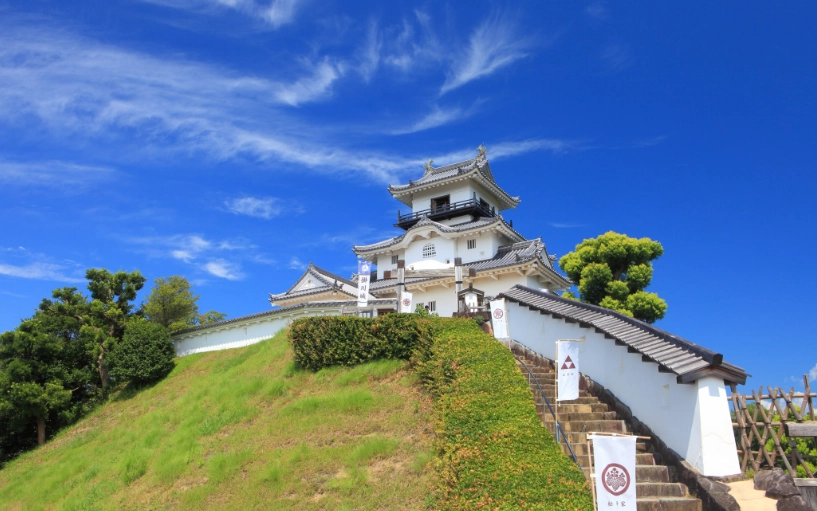
Must-Try Local Dishes
- Katsuo no Tataki: Seared bonito served with garlic, ginger, and ponzu. It's smoky and tender—best at local izakayas.
- Sawachi Ryori: A lavish platter of seasonal seafood and vegetables, perfect for groups. Expect to pay 2,000-3,000 yen per person.
- Tosa no Aka: A local sake that pairs well with everything. Try it at bars in the city center.
Best Restaurants in Kochi City
I stumbled upon a few gems that aren't on every list.
Umigame Shokudo (Address: 3-5-10 Harimayacho, Kochi City): A tiny spot near the castle, specializing in katsuo no tataki. Open 11:30 AM to 2:00 PM and 5:00 PM to 9:00 PM, closed Wednesdays. A set meal costs 1,500 yen. The owner cooks right in front of you—no frills, just flavor.
Kochi Yakitori Alley (Behind Kochi Station): Not a single restaurant, but a cluster of stalls. Yakitori sticks start at 100 yen. Go around 6 PM; it gets lively with office workers. I tried the chicken liver, and it was surprisingly mild.
One mistake I made: ordering too much at Hirome Market. The portions are smaller than they look, so share dishes to taste more variety.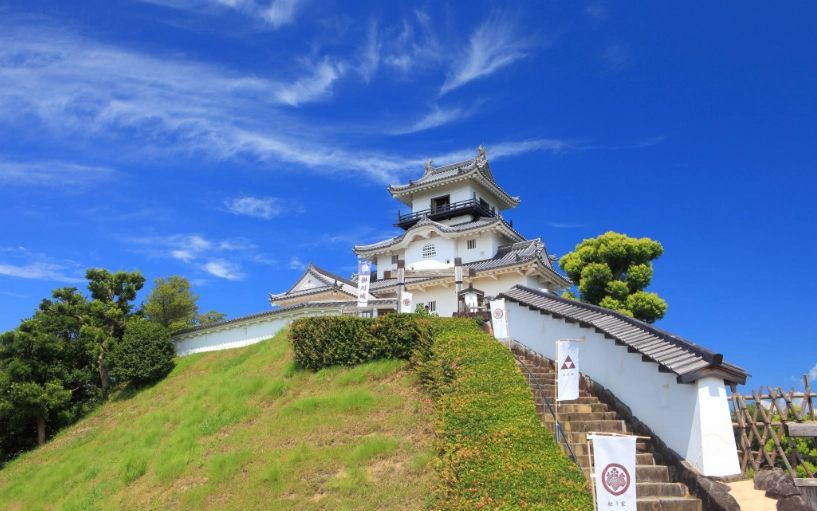
Where to Stay in Kochi: Accommodation for Every Budget
Choose based on location. Kochi City is compact, so even budget places are convenient.
- Budget: Guesthouse Umi no Ie (Address: 1-8-15 Kitahonmachi, Kochi City). Dorm beds from 2,500 yen per night. It's basic but clean, with a shared kitchen. A 10-minute walk to the station. The owner gives free maps and tips.
- Mid-range: Hotel Nikko Kochi (Address: 1-1-30 Honmachi, Kochi City). Rooms from 10,000 yen per night. Right next to Kochi Station, with Western-style comforts. Breakfast buffet includes local dishes. Book early; it fills up fast during festivals.
- Splurge: Tosa no Yado Kazura (Address: 2-1-1 Takajomachi, Kochi City). A ryokan with onsen, from 25,000 yen per night. The tatami rooms overlook a garden. Includes kaiseki dinner—worth it for a treat.
I stayed at Guesthouse Umi no Ie and loved the social vibe, but the walls are thin. Bring earplugs if you're a light sleeper.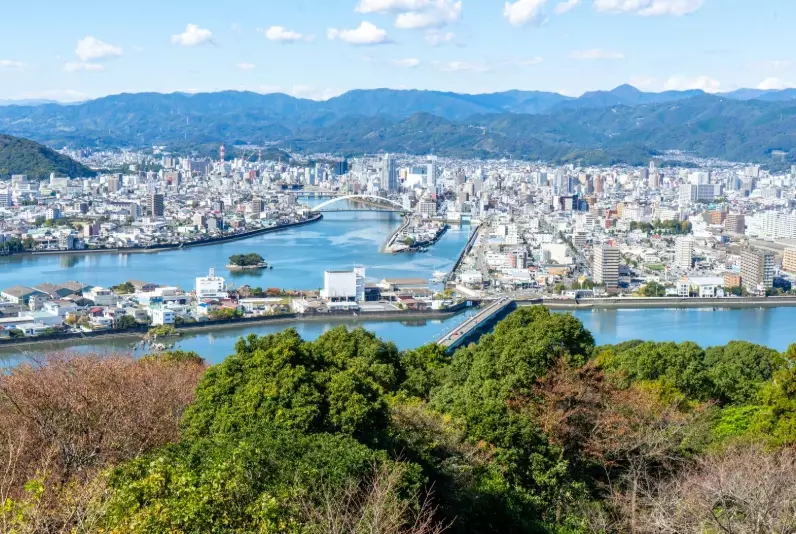
Planning Your Kochi Trip: A Sample Itinerary
Here's a 3-day plan that balances sightseeing and relaxation. Adjust based on your pace.
Day 1: History and Food in Kochi City
Morning: Visit Kochi Castle (opens at 9 AM). Spend 2 hours exploring.
Afternoon: Walk to Hirome Market for lunch. Try multiple stalls.
Evening: Stroll along the Kagamigawa River, then dinner at Umigame Shokudo.
Day 2: Coastal Views and Culture
Morning: Take a bus to Katsurahama Beach. Visit the Sakamoto Ryoma Memorial Museum if interested.
Afternoon: Head back to the city for the Kochi Prefectural Museum of History (500 yen, open 9 AM to 5 PM).
Evening: Explore Kochi Yakitori Alley for a casual dinner.
Day 3: Day Trip to Shimanto River
Rent a car or join a tour (about 8,000 yen per person). The Shimanto River is known for its clear waters and traditional bridges. Pack a picnic—scenic spots abound. Return to Kochi City by evening.
If you have more time, add Cape Muroto for hiking or the Tosa Washi paper villages for crafts.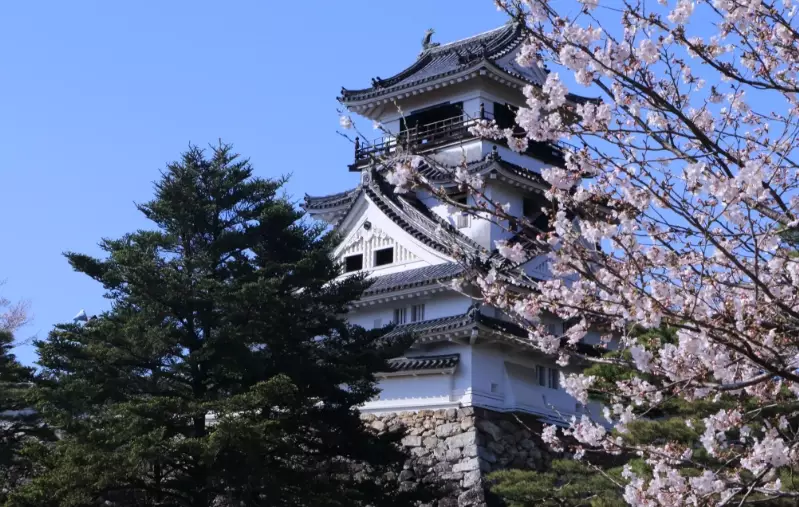
FAQs About Visiting Kochi Japan
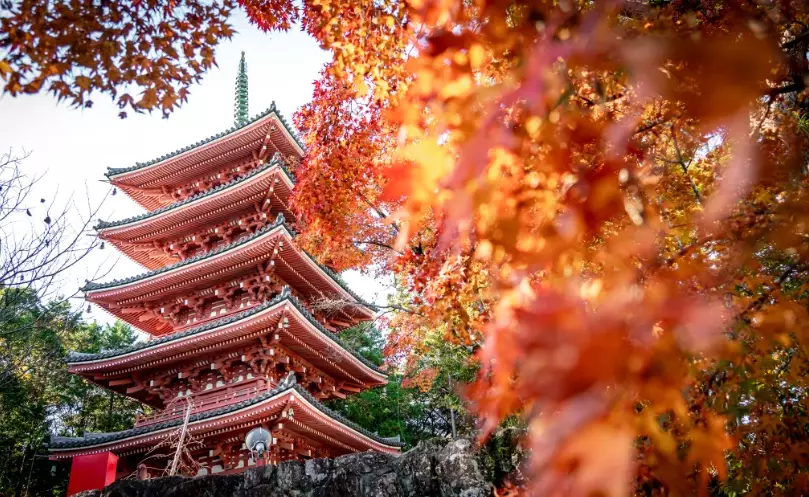 Kochi isn't about ticking off a checklist. It's about feeling a side of Japan that's still raw and welcoming. Pack comfortable shoes, an open mind, and maybe a phrasebook—the English signage is improving, but a few Japanese words go a long way. Start planning; you won't regret skipping the crowds for this.



Comments