So you've got two weeks for Japan. Smart choice. Tokyo, Kyoto, and Osaka form the classic golden route for a reason. They pack in ultra-modern buzz, timeless tradition, and legendary food culture into one manageable trip. But here's the thing most generic guides miss: how you move between these experiences makes or breaks your vacation. A poorly timed train ride can waste half a day. A missed reservation can mean no sushi. I've done this trip over a dozen times, guiding friends and family, and I've seen the common pitfalls. This isn't just a list of places. It's a battle-tested, minute-by-minute framework to get you from overwhelmed planner to relaxed traveler.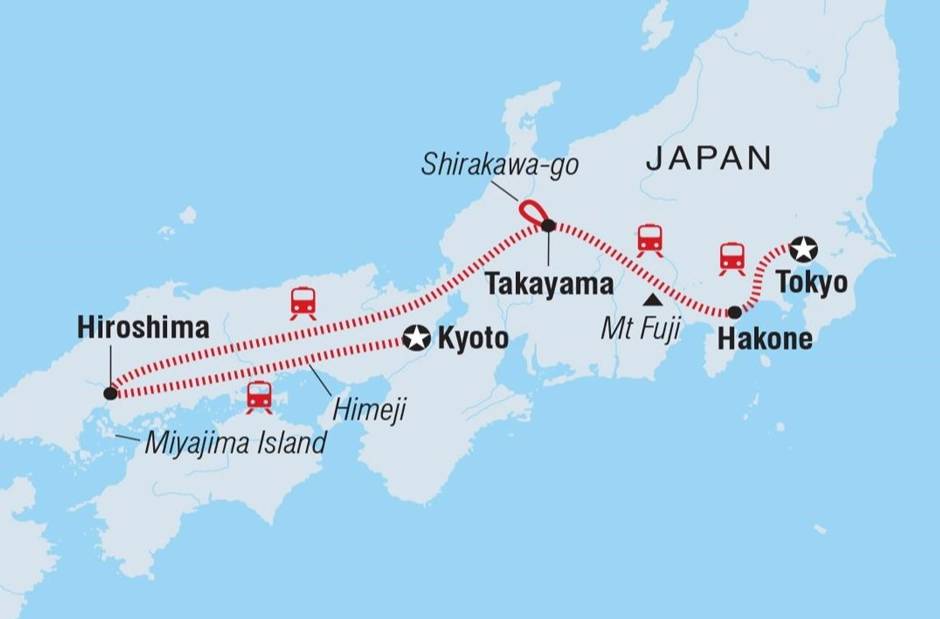
Let's cut the fluff. This 14-day Japan itinerary gives you the iconic sights, the hidden lanes, the can't-miss meals, and the logistics to tie it all together without the stress.
Your Journey at a Glance
Days 1-4: Diving into Tokyo's Modern Thrill
Land at Narita (NRT) or Haneda (HND). Haneda is closer. Get a Welcome Suica or Pasmo Passport card at the airport station. Don't bother with the JR Pass for this Tokyo leg; local trains and subways are cheaper and more direct for city exploration. Head to your hotel, drop your bags, and fight the jet lag with a walk.
Where to stay? Shinjuku for nightlife, Shibuya for youth culture, Ginza for luxury, or Ueno for value.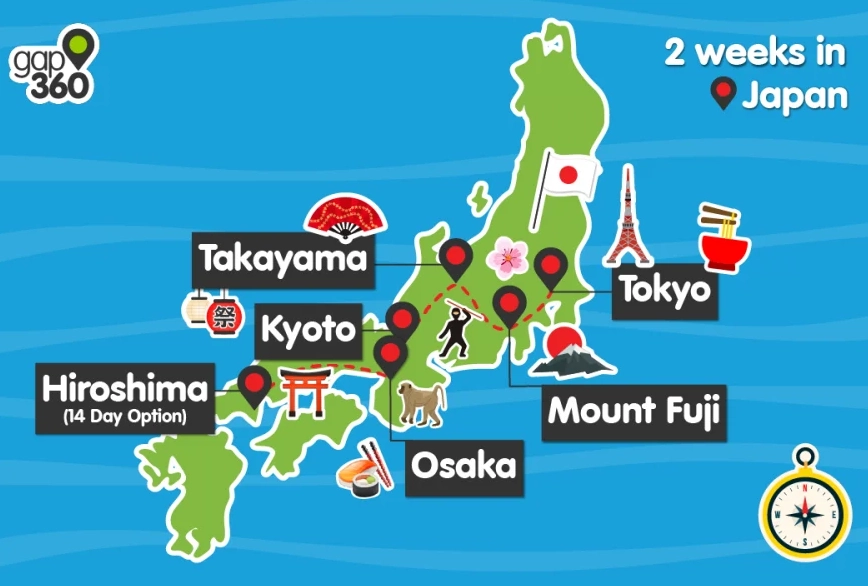
Day 1: Shinjuku & Shibuya Pulse
Start in Shinjuku. Visit the Tokyo Metropolitan Government Building (free observation decks, open 9:30 AM - 11:00 PM). Wander through Shinjuku Gyoen National Garden (¥500, 9 AM-5 PM, closed Mondays). As dusk falls, experience the sensory overload of Kabukicho and Omoide Yokocho ("Piss Alley") for tiny yakitori joints. Then, take the train one stop to Shibuya. See the Scramble Crossing from the MAGNET by SHIBUYA109 viewing deck (¥1,800, open until 11 PM).
Day 2: Asakusa History & SkyTree Views
Morning in Asakusa. Get to Senso-ji Temple early, before 9 AM, to beat the tour groups. The temple grounds are free, open 6 AM to 5 PM. Nakamise-dori street sells souvenirs and snacks. For lunch, find a tempura bowl place nearby. In the afternoon, walk to Tokyo Skytree (Sumida Ward, tickets start at ¥2,100 for the Tembo Deck, book online to skip lines). Alternatively, for a free view, the Asahi Beer Hall building across the river has a great perspective.
Day 3: Harajuku Fashion & Imperial Grounds
Harajuku in the morning. Takeshita Street is a spectacle (go early). Then escape to the serene Meiji Jingu Shrine (free, open sunrise to sunset) right next door. Walk through the forested path to the shrine. Afternoon in nearby Omotesando for designer shops or a coffee break. A short walk leads to the outer gardens of the Imperial Palace (free, East Gardens open 9 AM-5 PM, closed Mon/Fri). You can't enter the main palace without a booked tour (through the Imperial Household Agency website).
Day 4: Akihabara & TeamLab Borderless
Morning in Akihabara for electronics, anime, and arcades. Stores like Yodobashi Camera open around 10 AM. Post-lunch, head to Azabudai Hills for the newly reopened teamLab Borderless (book tickets weeks in advance via their official site, approx ¥3,800). This digital art museum is a must-see. Evening in Roppongi for dinner with a view, perhaps at the Mori Art Museum's sky deck if you want another panorama.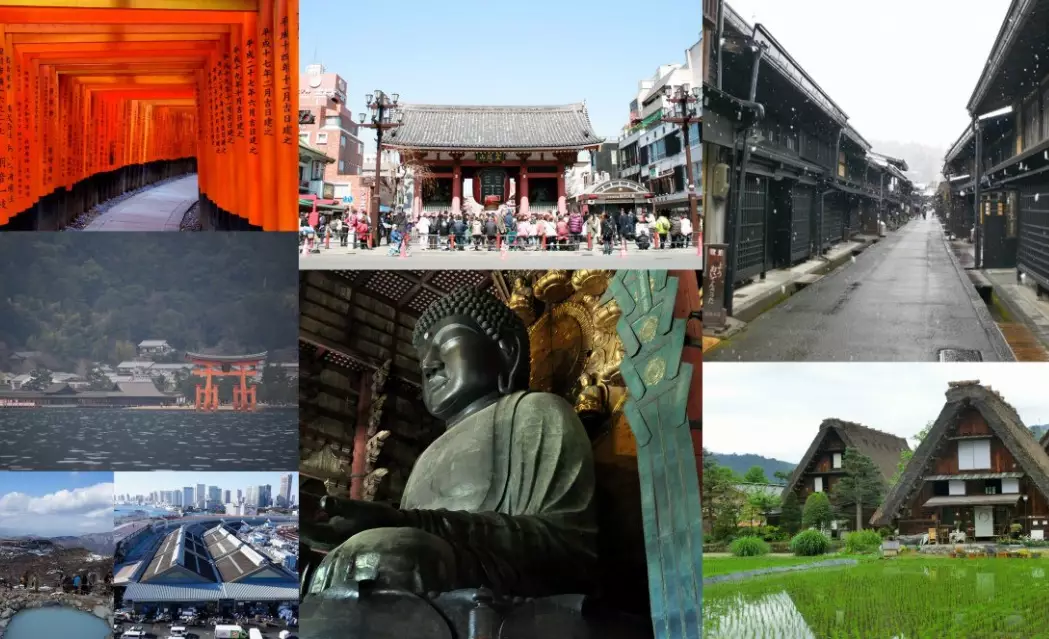
Tokyo Food Pitstop: For a reliable, mind-blowing sushi lunch without breaking the bank, try Sushi Dai in Toyosu Market (the relocated Tsukiji). Yes, there's a line. Be there by 7 AM. It's worth it. Alternative: Uobei Shibuya for fun, conveyor-belt sushi via tablet ordering. Cheap and efficient.
Days 5-9: Kyoto - The Heart of Tradition
Day 5 morning: Activate your 7-Day Japan Rail Pass (if you purchased one) for the Shinkansen trip to Kyoto. Take the Hikari train from Tokyo Station to Kyoto Station (about 2 hours 15 minutes). Without a JR Pass, a one-way ticket costs around ¥13,500. Store luggage at your hotel or in Kyoto Station's coin lockers. Start slow.
Day 5: Southern Higashiyama Intro
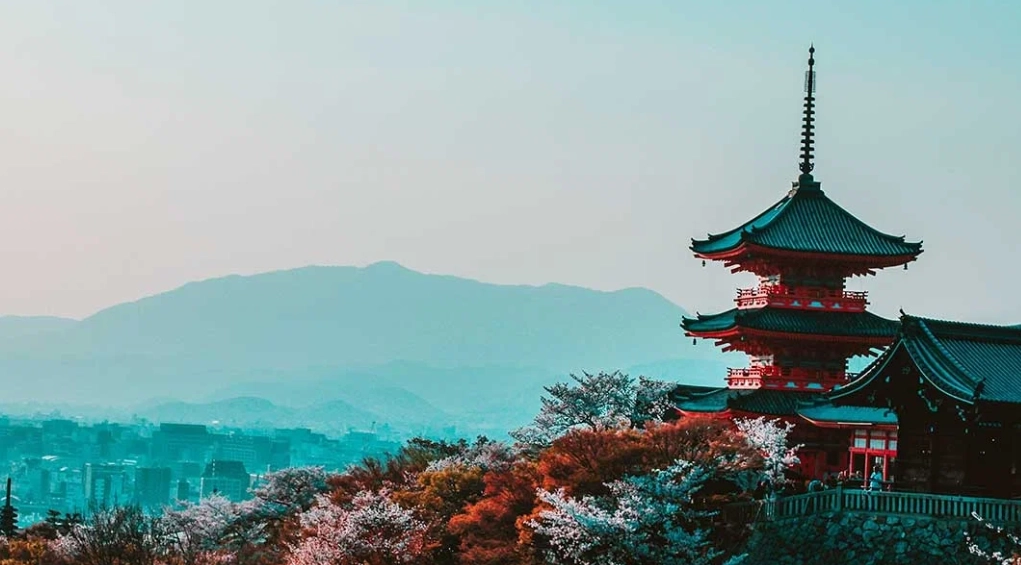
From Kyoto Station, take bus #100 or #206 to Kiyomizu-dera Temple (¥400, 6 AM-6 PM). Walk down the historic Sannenzaka and Ninenzaka stone paths. Continue to Yasaka Shrine. Explore Maruyama Park and end in the Gion district. Keep an eye out for geiko and maiko in the evening, but be respectful—no chasing for photos.
Day 6: Arashiyama's Bamboo & Monkeys
Go early. I mean, 8 AM early. The Bamboo Grove path is magical when empty but a crowded sidewalk by 10 AM. Take the JR Sagano Line to Saga-Arashiyama Station. Walk through the grove (free), then visit Tenryu-ji Temple (¥500, gardens are the highlight). Climb to the Iwatayama Monkey Park (¥550, 9 AM-4 PM) for monkey views over the city. Rent a bike in the afternoon to explore the quieter riverside areas.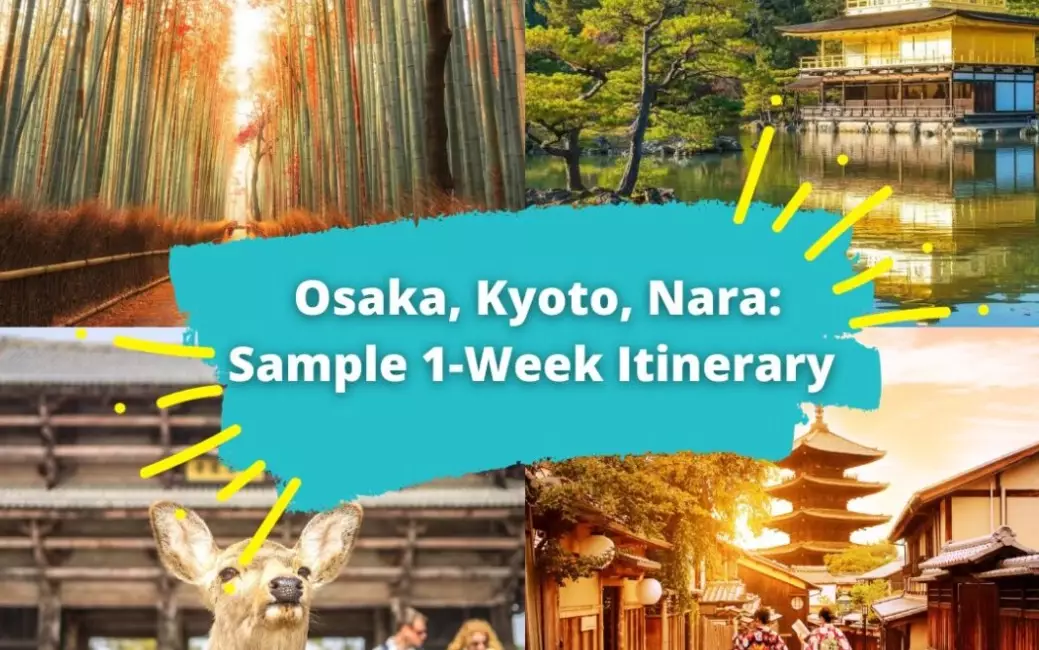
Day 7: Fushimi Inari & Downtown Kyoto
Another early start. Take the JR Nara Line to Inari Station, right at the gate of Fushimi Inari Shrine (free, always open). To escape crowds, don't just stop at the first few gates. Hike up for at least 30-40 minutes; the paths get much quieter. Afternoon in downtown Kyoto: Nishiki Market ("Kyoto's Kitchen") for food samples, then explore the shopping streets of Shinkyogoku and Teramachi.
Day 8: Philosopher's Path & Northern Temples
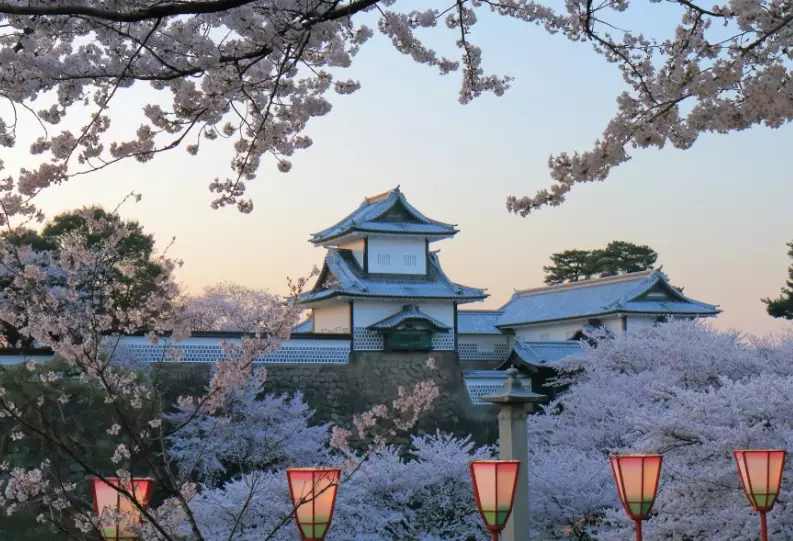
A more relaxed day. Start at Ginkaku-ji (Silver Pavilion, ¥500, 8:30 AM-5 PM). Walk the Philosopher's Path (about 2 km) south, stopping at small temples and cafes. It's especially beautiful in cherry blossom season. End near Nanzen-ji Temple, with its impressive aqueduct and sub-temple gardens (Hojo garden ¥500).
| Kyoto Temple/Sight | Entry Fee (approx) | Key Tip |
|---|---|---|
| Kiyomizu-dera | ¥400 | Main hall under renovation until 2025, but still worth it for views. |
| Kinkaku-ji (Golden Pavilion) | ¥500 | Go late afternoon for best light on the gold. It's far north, pair with Ryoan-ji. |
| Fushimi Inari | Free | Open 24/7. Go for sunrise or late evening for a unique, quiet experience. |
| Arashiyama Bamboo Grove | Free | Access is free, but the paid garden at Okochi Sanso Villa (¥1,000) offers a crowd-free view from above. |
Days 10-13: Osaka - The Kitchen of Japan
Day 10: Check out of your Kyoto hotel. It's a quick 30-minute train ride on the JR Tokaido-Sanyo Line from Kyoto Station to Osaka Station. The vibe shifts immediately—more direct, more energetic, all about food.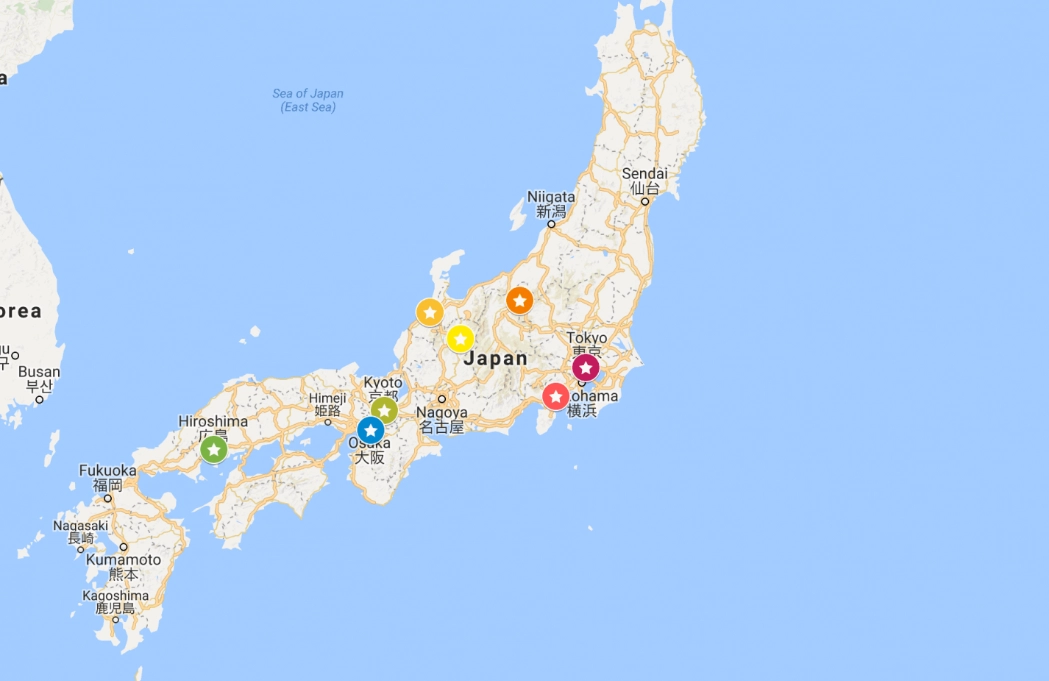
Day 10: Umeda Sky & Dotonbori Lights
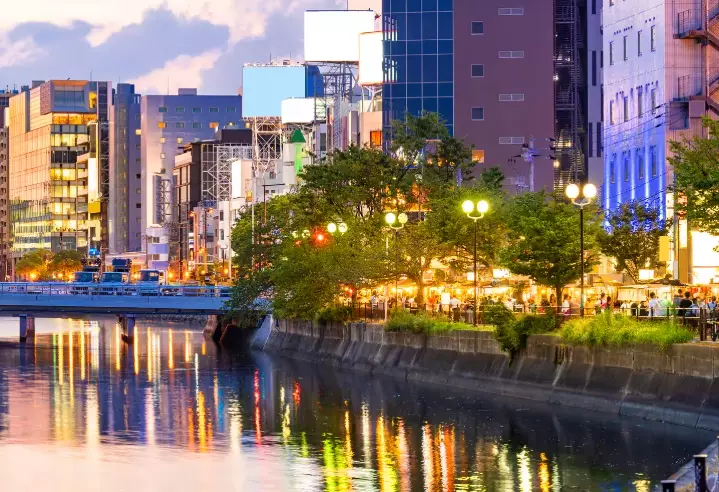
Drop bags in Namba or Umeda area. Head to the Umeda Sky Building (¥1,500, 10 AM-10:30 PM) for the Floating Garden Observatory. Evening is dedicated to Dotonbori. See the Glico Running Man sign, the giant moving crab, and eat. Try takoyaki from a stall like Kukuru, okonomiyaki at Mizuno (expect a queue), and ramen. Just point and eat.
Day 11: Osaka Castle & Shinsekai
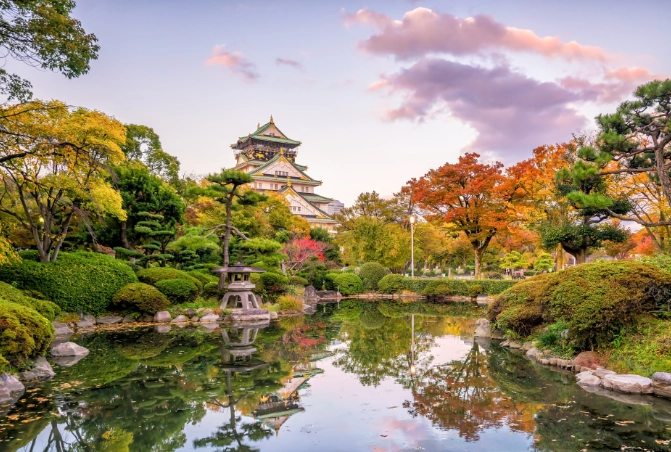
Morning at Osaka Castle (¥600 for the museum inside, 9 AM-5 PM). The park is free. The museum is modern, but the view from the top is good. I skip the interior sometimes and just enjoy the grounds. Afternoon in Shinsekai, the retro-futuristic district. Go up Tsutenkaku Tower (¥900). Eat kushikatsu (deep-fried skewers) at Daruma—remember the rule: no double-dipping your skewer in the shared sauce!
Day 12: Day Trip to Nara
Use your JR Pass for the 50-minute trip to Nara. From JR Nara Station, walk to Nara Park. Buy shika senbei (deer crackers, ¥200) and be surrounded by bowing deer. Visit Todai-ji Temple (¥600) to see the Great Buddha. The scale is staggering. Walk through the quieter Kasuga Taisha shrine (free, ¥500 for inner garden). Return to Osaka for dinner.
Day 13: Universal Studios Japan or Kuromon Market
Choose your adventure. For USJ, buy tickets online months ahead, especially if Super Nintendo World is a must. Get there before opening. It's a full, tiring day. For a food-focused day, explore Kuromon Ichiba Market ("Osaka's Kitchen"), then shop in Shinsaibashi-suji. Consider a cooking class to learn how to make okonomiyaki yourself.
Osaka hotel tip: Stay near Namba (Dotonbori) for nightlife and food, or near Osaka Station for transport convenience.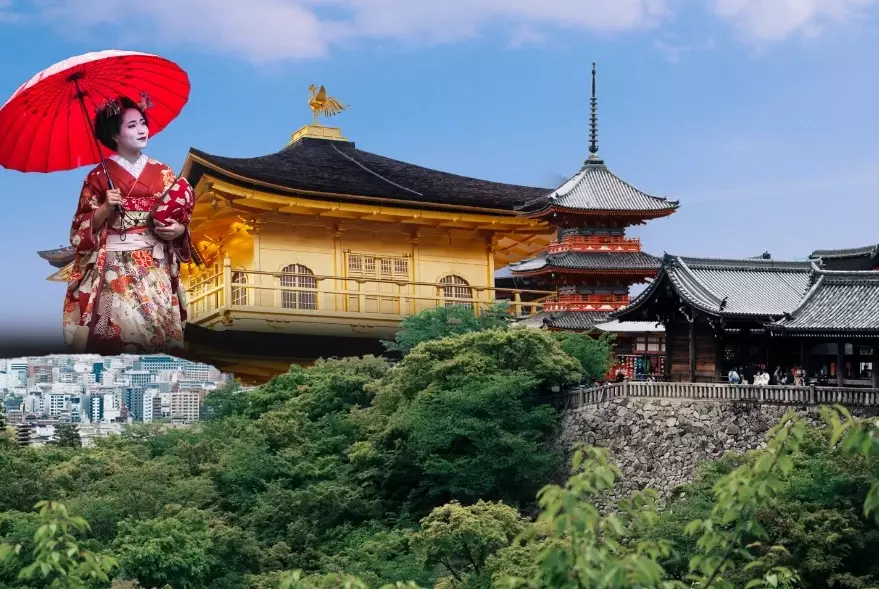
Day 14: Back to Tokyo & Departure
Morning: Last-minute souvenir shopping in Osaka. Maybe pick up some kit kat flavors at the airport or a depachika (department store basement food hall) treat. Take the Nozomi Shinkansen (not covered by JR Pass, about 2.5 hours) or a flight from Osaka (ITM) back to Tokyo's Haneda (HND) for your international departure. Allow at least 4 hours before your flight for this transfer. If your flight is from Narita (NRT), allow even more time.
Budget, Transport & Practical Logistics
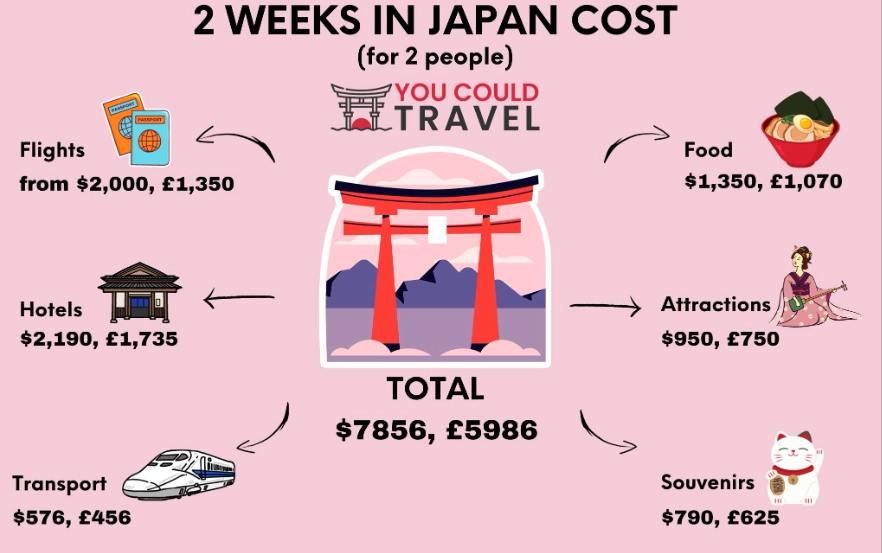
Let's talk numbers. A mid-range budget for this trip is about $250-$350 per person per day, excluding flights. This covers decent business hotels, local meals, train tickets, and temple entries. Budget travelers can push it to $150/day with hostels and convenience store meals. Luxury? The sky's the limit.
To JR Pass or Not? For this exact itinerary: Probably yes. The round-trip Tokyo-Kyoto Shinkansen plus the trips to Osaka, Nara, and back to Tokyo airport often tips the scale. Use the official JR Pass Calculator (just search it) with your exact dates. Pro tip: If you fly into Tokyo and out of Osaka (or vice versa), you might not need a 14-day pass, saving money.
Get a data SIM or eSIM at the airport. Google Maps is your best friend for train times and platform numbers. Suica/Pasmo cards work on almost all subways and buses in all three cities.
Expert Tweaks for Your Trip
Most guides won't tell you this: Kyoto's magic fades under midday crowds. My non-consensus advice? Reverse your sightseeing days. Do your temple visits in the late afternoon, from 3 PM onwards. The light is softer, the tour buses are leaving, and you often get places almost to yourself. Pair this with early mornings at Nishiki Market or exploring neighborhoods.
Another thing: people get obsessed with ticking off every top temple. Pick two or three that genuinely interest you per day. Depth over breadth. Spend an hour in a garden instead of 15 minutes at five gates.
Consider swapping one Kyoto day for a trip to Himeji Castle (Japan's most spectacular original castle, 1-hour Shinkansen from Kyoto) or Hiroshima/Miyajima (a long but profound day trip, best done as an overnight from Osaka).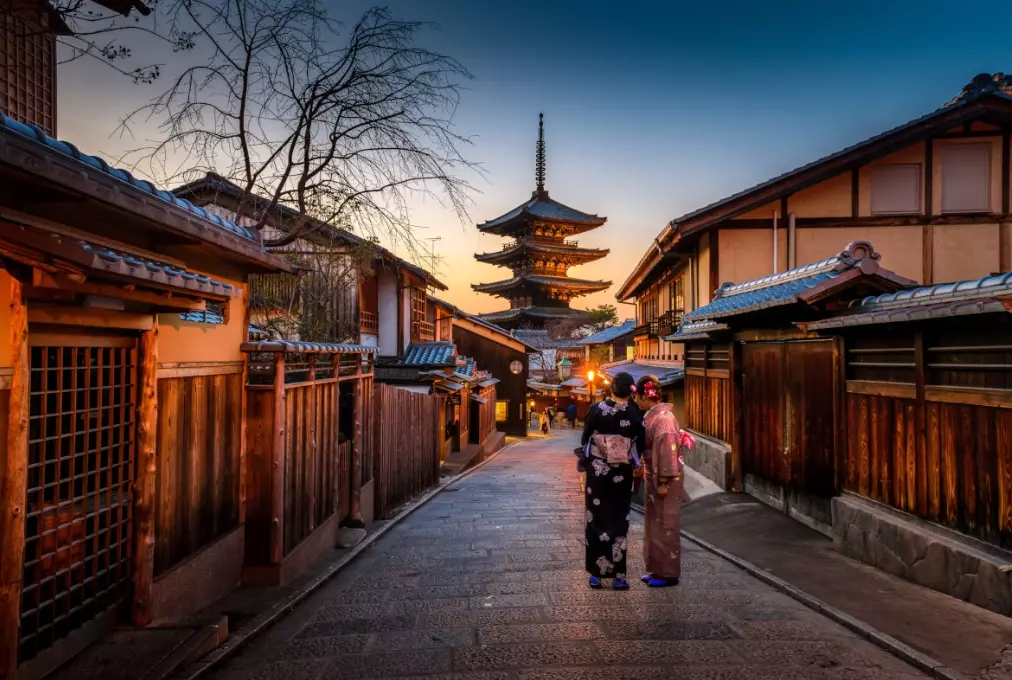
Your Japan Trip FAQs Answered
 We're foodies. Should we change the balance of days for Osaka?
This plan works. It's been refined through multiple trips and feedback. Book your key attractions (TeamLab, maybe Ghibli Museum if you can get tickets) and a few special meals in advance. For everything else, stay flexible. Japan is a country that rewards curiosity, so step down that side alley, try the weird-looking snack, and let this itinerary be your framework, not your cage. Have an incredible trip.
Comments