Quick Navigation
- First Things First: Do You Need a Japan Tourist Visa?
- The Different Flavors of a Japan Travel Visa
- The Heart of the Matter: Japan Visa Requirements & Documents
- The Step-by-Step Japan Visa Application Process
- Japan Visa Processing Time & Fees
- Common Reasons for Japan Visa Denial (And How to Avoid Them)
- Beyond the Tourist Visa: Other Japan Visa Types You Might Hear About
- Frequently Asked Questions (FAQs) on Japan Travel Visas
- Final Checklist and Parting Thoughts
Let's be real for a second. The words "visa application" can make even the most seasoned traveler break out in a mild sweat. I remember the first time I looked into getting a Japan travel visa. The forms, the documents, the rules that seemed to shift depending on where you looked online. It felt like trying to solve a puzzle with half the pieces missing.
But here's the thing. It doesn't have to be that way. Applying for a Japanese visa, especially a tourist visa, is a process. A detailed one, sure, but a process with clear steps. Once you understand the logic behind it, the anxiety starts to fade. This guide is what I wish I had back then. We're going to walk through everything, from the very first question ("Do I even need a visa?") to handing over your passport at the embassy. I'll share some of the hiccups I've had and seen others have, so you can hopefully skip them.
Just a quick heads-up before we dive in. Visa rules can change. Sometimes an embassy updates a form, or a financial requirement gets tweaked. I'll point you to the official sources you must double-check with. Consider this your friendly, detailed roadmap, but always look at the official road signs before you set off.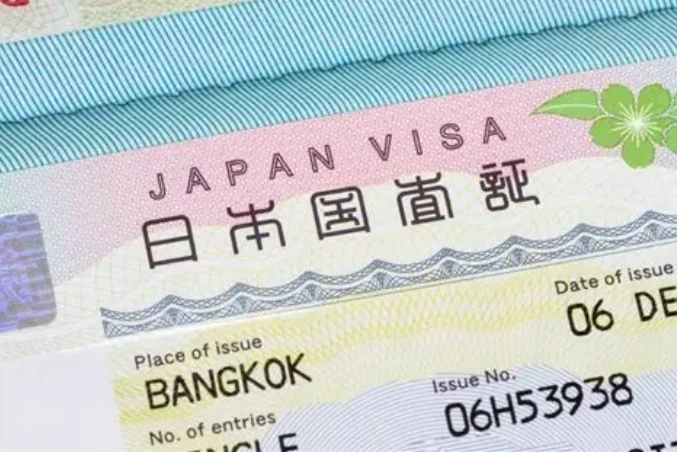
First Things First: Do You Need a Japan Tourist Visa?
This is the gatekeeper question. Japan has visa exemption agreements with lots of countries. If you're a citizen of the United States, the United Kingdom, Canada, Australia, South Korea, Singapore, and most EU nations (among others), you're in luck. You can enter Japan as a tourist for short stays (usually 90 days) without getting a visa in advance. You get a stamp on arrival.
Simple, right?
For everyone else, including citizens of China, India, the Philippines, Vietnam, Indonesia, and Russia, you'll need to apply for a tourist visa before your trip. There's no way around it. The Japanese government is pretty strict about this.
Key Point: Your need for a Japan travel visa is determined solely by your passport's nationality, not where you live. A Chinese citizen living in the USA still needs to apply for a visa. Check the official list on the Ministry of Foreign Affairs of Japan (MOFA) website for the most current exemption list.
Now, "tourist" is just one type of visa. If you're planning to work, study, or join family, that's a whole different ball game with different requirements. We're focusing on the tourist visa here, which is officially called the "Temporary Visitor" visa.
The Different Flavors of a Japan Travel Visa
Even within the tourist category, there are a few variations. It's not just a one-size-fits-all sticker in your passport.
The standard Single-Entry Visa is what most first-time visitors get. It's valid for 3 months from the date of issue. That means you have 3 months to enter Japan. Once you're in, you're typically allowed to stay for 15 or 30 days, as specified on the visa. You leave, the visa is used up.
Then there's the Multiple-Entry Visa. This is the golden ticket for frequent visitors. It's usually valid for 1, 3, or even 5 years, and you can come and go as you please during that period, with each stay capped at 30 or 90 days. These are harder to get. You usually need to show a history of travel to Japan or other developed countries, and your financial proof needs to be extra strong. I applied for one after my third trip, and the stack of documents was noticeably thicker.
A Common Misconception: The validity period (e.g., 3 years) is NOT how long you can stay. It's the window during which you can use the visa to enter Japan. The duration of stay for each visit (e.g., 30 days) is printed separately. Overstaying, even by one day, is a serious offense.
Some nationalities might also see visas with specific durations of stay, like 15 days. It all depends on the embassy's assessment.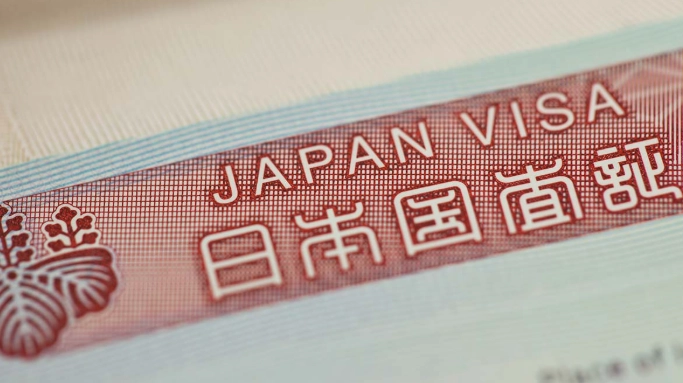
The Heart of the Matter: Japan Visa Requirements & Documents
This is the part that feels like a scavenger hunt. The exact document checklist can vary slightly from one embassy or consulate to another. Always, always, always download the latest checklist from the official website of the Japanese diplomatic mission that has jurisdiction over your place of residence. Don't rely on a blog from two years ago.
That said, the core documents are almost universal. Think of this as your master list. Get these right, and you're 90% of the way there.
The Non-Negotiable Core Documents
- Visa Application Form: Download the latest PDF from the embassy site. Fill it out on your computer, print it, and sign it. Handwriting can lead to mistakes. Be meticulous. The form will ask for your travel details, address in Japan (use your first hotel), and employment history.
- Your Passport: It must be valid for the entire duration of your stay in Japan and have at least two completely blank visa pages. They won't accept the "amendments" pages at the back.
- Passport Photo: One recent, color, 45mm x 45mm (2in x 2in) photo with a plain white background. Glue or staple it to the designated spot on the form. Don't staple through the face. Rules on smiling vary; a neutral expression is always safe.
- Proof of Flight Reservations: A confirmed, round-trip flight itinerary. Not just a "hold" from a search engine. A paid booking. Some embassies might accept a reservation from a travel agency while the ticket is being issued, but a confirmed ticket is the safest bet. A one-way ticket is a major red flag.
- Proof of Accommodation: A detailed day-by-day itinerary of your stay with confirmed hotel bookings for every night. Print the confirmations from booking sites like Booking.com or Agoda, which clearly show your name, the hotel name, address, and dates. If staying with a friend, you'll need an invitation letter and their residence documentation.
See, that's not so bad. But here's where people often get tripped up...
The Tricky Part: Financial Proof & Employment Verification
This is where the embassy decides if you can realistically afford your trip. They want to see you have the means to enjoy Japan and, crucially, that you have strong ties to your home country so you won't overstay.
For employed individuals, you need:
- A letter from your employer on company letterhead, stating your position, salary, length of employment, and approved leave dates for the trip. It must be signed by an authorized person.
- Recent bank statements (usually the last 3-6 months). There's no fixed magic number for the balance, but it should comfortably cover your trip. A statement showing a $500 balance for a 3-week trip will raise questions. A steady history of income deposits is more important than one large, sudden deposit.
- Income Tax Returns for the last 1-2 years. This is a big one. It's official proof of your declared income.
For self-employed individuals or business owners, it's a bit more complex:
- Business registration documents or license copies.
- Company bank statements.
- Income Tax Returns for the business and yourself.
- A letter explaining your business.
For students:
- A letter from your school/college confirming enrollment.
- Bank statements of your sponsor (usually parents).
- A letter from the sponsor, their financial documents, and proof of relationship (like a birth certificate).
The Step-by-Step Japan Visa Application Process
Okay, you've got your dossier of documents. Now what? You can't apply directly online to the government. The process almost always involves an intermediary.
- Find Your Jurisdiction: Figure out which Japanese Embassy, Consulate-General, or Consulate handles applications from your state or region. Their websites are your bible.
- Prepare Your Packet: Gather all documents from the checklist. Make neat, single-sided copies where required. Organize them in the order listed on the checklist. First impressions matter, even for paper packets.
- Submit Through an Accredited Agency: Here's a key point. Most Japanese diplomatic missions do not accept applications directly from individuals for tourist visas. You must submit through an accredited travel agency or visa application agency. For example, in many countries, agencies like VFS Global are the official partners. Find the list on your embassy's website. You'll pay a visa fee to the embassy (often around $20-30 USD, but it varies) and a service fee to the agency.
- The Waiting Game: Processing times are typically 5 to 10 working days. It can be longer during peak seasons (before holidays, cherry blossom season) or if they request additional documents. Don't book non-refundable flights before you have the visa. Just don't.
- Passport Collection: The agency will notify you when your passport is ready for pickup. You'll either find the visa neatly affixed inside or, in rare cases, a rejection letter explaining the reason.
Pro-Tip: When choosing your travel dates on the application form, give yourself a buffer. If you plan to fly on June 1st, applying in mid-May is smart. Applying on May 28th is a recipe for stress, even if the standard processing is 5 days.
Japan Visa Processing Time & Fees
Let's talk numbers and timelines. This table breaks down the typical expectations. Remember, "typical" means things are running smoothly.
| Item | Standard Timeline / Cost | Important Notes |
|---|---|---|
| Standard Processing Time | 5 to 10 working days | Starts after the agency submits to the consulate. Weekends & holidays don't count. Add 2-3 days for agency handling. |
| Express / Urgent Processing | 3 to 5 working days (if offered) | Not all missions offer this. It usually costs significantly more. Never guaranteed. |
| Visa Fee (Embassy Charge) | Varies by nationality & currency. Often ~$20-$50 USD. | This is the non-refundable fee paid to the Japanese government. Check your embassy's site for the exact amount. |
| Agency Service Fee | Varies widely by agency and country (~$15-$50 USD) | This is for the handling, submission, and collection service. You pay this separately. |
| Total Estimated Cost | ~$35 to $100+ USD | Depends entirely on your location, nationality, and service speed chosen. |
The fee part is usually straightforward. The timeline is what causes anxiety. My rule is to apply as early as you can within the validity window (remember, a single-entry visa is valid for 3 months from issue). If you apply 8 weeks out, you have plenty of time to deal with any surprises.
Common Reasons for Japan Visa Denial (And How to Avoid Them)
Nobody likes to think about this, but it happens. Understanding why visas get rejected is the best way to make sure yours doesn't. The embassy rarely gives detailed reasons, but from common experiences and reports, these are the big pitfalls:
- Insufficient Financial Proof: The number one reason. Bank statements showing insufficient funds, large unexplained deposits right before the application (looks like you borrowed money just for the visa), or no clear proof of stable income.
- Unclear Travel Purpose or Itinerary: A vague or unrealistic itinerary. A 30-day trip with only one hotel booked for the first night. An itinerary that's clearly copied from a generic tour plan.
- Weak Ties to Home Country: This is a big one for young, single applicants or those with limited travel history. The officer needs to be convinced you'll return. Lack of stable employment, no property, no family dependents can all count against you. This is where a solid job letter and property documents (if you have them) help.
- Incomplete or Incorrect Documentation: Missing a signature, using an old form, expired bank statements, passport photos that don't meet specs. This feels like an easy fix, but it leads to instant returns or rejections.
- Past Immigration Violations: Any history of overstaying a visa, even in another country, can be a serious problem.
The theme here is clarity, consistency, and proof.
Your application should tell a clear, believable story: "I am a [Your Job] with a stable income in [Your Country]. I have saved money in this bank account (here are the statements). I am planning a well-organized trip to Japan from X date to Y date, staying at these hotels (here are the bookings), and I will return to my job and life afterwards (here is my employment letter confirming my leave)."
Beyond the Tourist Visa: Other Japan Visa Types You Might Hear About
While our focus is the tourist visa, it's good to know about the others so you don't get confused.
- Work Visa: For sponsored employment. Requires a Certificate of Eligibility (COE) from your future employer in Japan first.
- Student Visa: For long-term study. Also requires a COE from the school in Japan.
- Spouse or Dependent Visa: For family members of Japanese nationals or residents.
- Working Holiday Visa: For young people (usually 18-30) from specific partner countries to holiday and work casually for up to a year. A fantastic option if you're eligible.
- eVisa: Japan has started trials for an online eVisa system for some nationalities (like from Canada and the US) for tourism and business. It's not fully rolled out worldwide yet. Always check the official MOFA site for the latest digital application options.
Frequently Asked Questions (FAQs) on Japan Travel Visas
Let's tackle some of the specific, nitty-gritty questions that pop up in forums and search bars all the time.
How early can I apply for my Japan travel visa?
You can typically apply up to 3 months before your intended travel date. I'd recommend applying 4-6 weeks in advance as a comfortable window. This gives you time to fix any issues without panicking.
Can I extend my tourist visa while in Japan?
Generally, no. Temporary Visitor (tourist) status extensions are very rarely granted and only for exceptional circumstances like a medical emergency. You should plan your trip within the duration of stay granted on your visa. If you think you might need longer, apply for a visa with a longer duration of stay from the start, though approval isn't guaranteed.
I have a layover in Japan. Do I need a transit visa?
If you are staying within the international transit area of the airport and not passing through immigration, you do not need a visa. However, if you want to leave the airport (even for a few hours on a long layover), you will need a tourist visa. There's no special "transit visa" for sightseeing.
My visa was approved, but my plans changed. Can I change the dates?
The dates on the visa itself (the validity period) are fixed. If your new travel dates fall within that validity period, you can usually travel. However, if you need to travel after the visa expires, you must apply for a new one. You cannot modify an issued visa. If your itinerary within Japan changes drastically, it's unlikely anyone will check, but your initial flight bookings were part of the approval reason.
Is travel insurance mandatory for a Japan tourist visa?
As of my last deep research, it is not a mandatory document for the visa application for most nationalities. However, that is terrible advice to follow. Japan has excellent healthcare but it is extremely expensive for visitors. A medical emergency without insurance could bankrupt you. Every single responsible travel resource, including me, will tell you to get comprehensive travel insurance that covers medical evacuation. Some embassies are starting to recommend it strongly. Just get it. Consider it part of the cost of the trip.
What's the best way to show hotel bookings if my plans are flexible?
This is a classic dilemma. Embassies want confirmed bookings. One common strategy is to book refundable hotels (through sites that offer free cancellation), print the confirmations for the visa, and then adjust later if needed. Do not cancel everything the second you get the visa, as in rare cases, officials might verify upon your arrival. Have at least your first few nights locked in.
Final Checklist and Parting Thoughts
Let's wrap this up with a quick mental checklist before you seal that envelope or walk into the agency.
- Passport valid for 6+ months with blank pages? Check. Visa form filled digitally, printed, signed? Check. Photo glued/staple (not through the face)? Check. Round-trip flight itinerary (confirmed)? Check. Day-by-day hotel confirmations? Check. Employment letter (or business/student equivalent) on official letterhead? Check. Bank statements (last 3-6 months, healthy balance)? Check. Income Tax Returns? Check. Copies of everything as per the specific checklist? Check. All documents arranged in the order specified? Check.
Applying for a Japan travel visa is a test of patience and attention to detail. It's not fun, I won't sugarcoat it. The paperwork is a chore. But the payoff—wandering through the neon streets of Tokyo, the serene temples of Kyoto, the food markets of Osaka—is worth every single form and bank statement.
The process feels opaque sometimes. You submit your financial life story and just have to wait. But by being thorough, organized, and truthful, you dramatically increase your chances of getting that coveted sticker. Use the official websites as your primary source, let this guide be your context and strategy map, and start dreaming of that first bowl of authentic ramen.
Safe travels and good luck with your application.

Comments