You're dreaming of sushi in Tokyo, temples in Kyoto, or the powder snow in Hokkaido. But before you book anything, the big question hits: is Japan allowing tourist visas now? The short answer is yes, absolutely. Japan's borders are fully open to tourism. However, the crucial detail that determines your next step is your passport. For many travelers, it's simpler than you think. For others, it requires a bit more paperwork. This guide cuts through the confusion and gives you the exact, actionable information you need to plan your trip.
Your Quick Guide to Japan Travel & Visas
The Current Visa Situation: Who Needs What?
Let's get the most important fact out of the way first. As of now, Japan has reinstated visa-free travel for short-term tourism for passport holders from over 70 countries and regions. This list includes the United States, Canada, the United Kingdom, Australia, South Korea, Singapore, and most of Europe. If you hold one of these passports, you do not need to apply for a visa in advance for stays up to 90 days (or 180 days for some, like the UK). You can just book your flight, pack your bags, and upon arrival, you'll receive a temporary visitor stamp. It's that straightforward.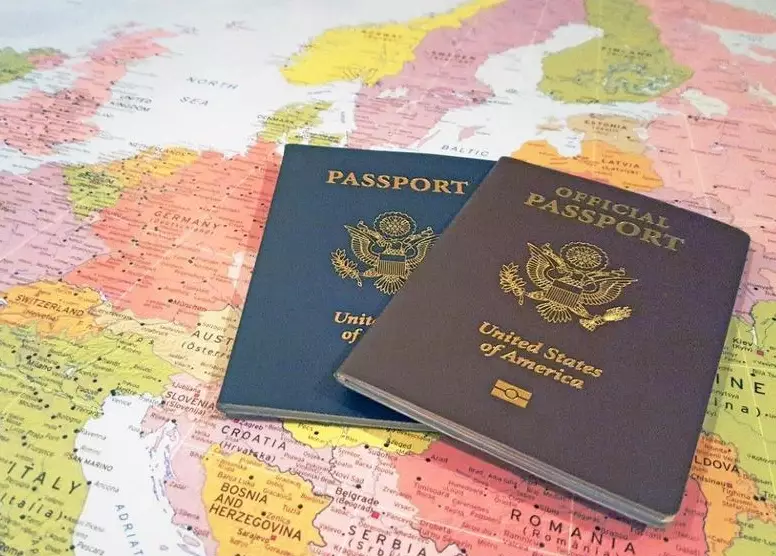
Key Point: The 90-day period is for tourism and certain business activities. You cannot work on this status. If you're from a visa-waiver country and plan to stay longer than 90 days or work, you must apply for the appropriate visa before traveling.
If your country of citizenship is not on the visa exemption list, you will need to apply for a tourist visa before your trip. This process must be done through the Japanese embassy or consulate that has jurisdiction over your place of residence. You cannot apply for a tourist visa at the airport in Japan.
Here’s a quick reference table to visualize the two paths:
| Your Situation | Action Required | Typical Stay Allowed | Key Document |
|---|---|---|---|
| Passport from a visa-waiver country (e.g., USA, UK, Canada, EU, Australia) | No pre-application needed. Ensure passport is valid for your entire stay. | Up to 90 days | Valid Passport + Return Ticket |
| Passport from a non-waiver country (e.g., India, Philippines, China, Russia, Vietnam) | Must apply for a tourist visa at a Japanese embassy/consulate before travel. | Up to 90 days (single or multiple entry) | Valid Passport + Visa + Supporting Documents |
The official list of visa-exempt countries is maintained by the Ministry of Foreign Affairs of Japan. Policies can change, so it's wise to double-check this list on their official website closer to your travel date.
The Step-by-Step Visa Application Process
For those who need a visa, the process is methodical but manageable if you're prepared. The biggest mistake people make is underestimating the lead time or submitting incomplete paperwork. Start this process at least 1-2 months before your intended departure date, especially during peak travel seasons.
Step 1: Gather Your Core Documents
Requirements can vary slightly by embassy, but the universal core set includes:
- Valid Passport: Must have at least two blank pages and be valid for the entire period of your stay.
- Visa Application Form: Downloaded from your local embassy's website. Fill it out completely and accurately. A messy or inconsistent form is a red flag.
- Passport Photo: One recent, official-size photo (usually 45mm x 45mm) with a plain white background.
- Proof of Financial Means: This is critical. You need to show you can fund your trip. Bank statements from the last 3-6 months are standard. Some embassies require a minimum balance. If someone is sponsoring you, you'll need a sponsorship letter and their financial documents.
- Detailed Travel Itinerary: This isn't just "Tokyo for 5 days." You need a day-by-day plan: dates, cities, hotel names and addresses, and key activities. I once saw an application get delayed because the itinerary just said "sightseeing" for every day. Be specific.
- Flight Reservation: A confirmed round-trip flight booking. You don't always need to pay for the tickets before the visa is issued, but you need a reservation.
- Hotel Reservations: Confirmations for your entire stay. If staying with friends/family, you'll need an invitation letter and proof of their status in Japan.
Step 2: Submit to the Correct Embassy/Consulate
You must apply through the diplomatic mission that serves your current legal residence. You can't apply from a country where you are just visiting. Most embassies require appointments for submission. Book this as soon as you have your documents ready.
Step 3: Pay the Fee and Wait
The tourist visa fee is generally quite low, often around $20-$50 USD, depending on your nationality and the exchange rate. Processing times vary from 5 working days to 2 weeks. Do not pester the embassy with calls for status updates unless it's well past their stated processing time.
Beyond Visas: Travel Restrictions & Requirements
Getting permission to enter (via visa or waiver) is one thing. The other is complying with entry procedures. The good news is that as of April 2023, all pre-arrival COVID-19 testing and vaccination requirements have been dropped. Entering Japan feels much like it did before the pandemic.
However, you still need to be aware of two things:
1. Immigration Procedures: Upon landing, you'll go through immigration. Have your passport ready. They may ask about the purpose of your visit and your departure plans. Answer clearly and confidently. They will take your photo and fingerprints electronically as part of standard security.
2. Customs Declaration: You can complete the customs declaration form on paper or, more conveniently, use the Visit Japan Web service. This is a digital gateway where you can register your information (passport details, flight, hotel) before travel and generate QR codes for immigration and customs. It saves a lot of time at the airport. I highly recommend using it.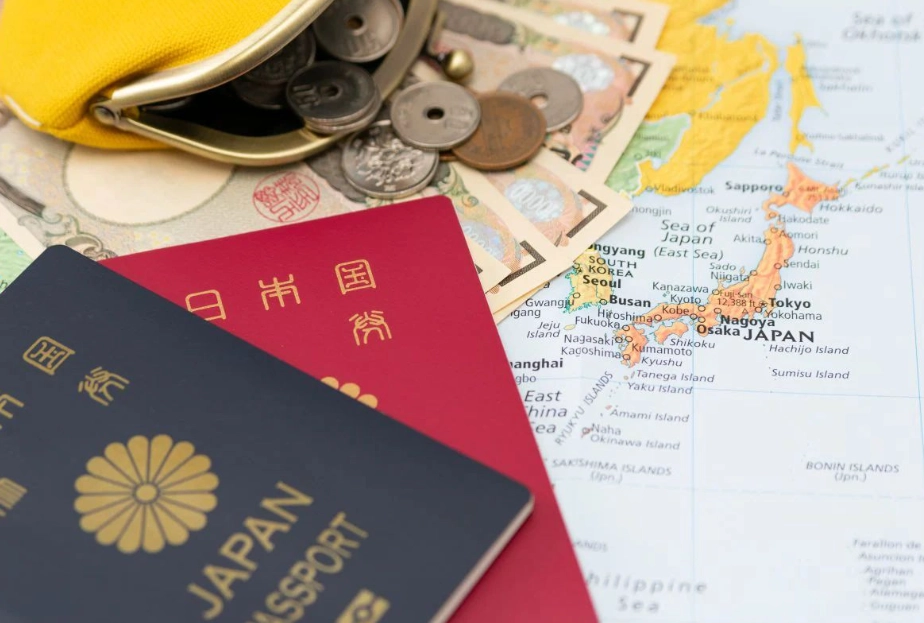
Pro Tip: While not mandatory, having proof of travel insurance that covers medical emergencies is highly recommended. Japanese healthcare is excellent but expensive for visitors. A policy that covers COVID-19-related treatment is a smart move for peace of mind.
Smart Planning Tips for Your Japan Trip
With the visa hurdle cleared, here’s how to make your trip smooth. These tips come from watching dozens of travelers, including myself, navigate post-reopening Japan.
Book Accommodation Early, Especially for Popular Destinations. Kyoto, Tokyo, and popular onsen towns get booked up months in advance. Hotels have adjusted to the tourist return, but demand is high. Use platforms that allow free cancellation until you have your visa secured.
Consider the Japan Rail Pass Carefully. The JR Pass price increased significantly in October 2023. For a typical 7-day tourist itinerary bouncing between Tokyo, Kyoto, and Osaka, it might still break even. But if you're staying in one region (like just Kansai or just Hokkaido), or traveling slowly, regional passes or paying for individual tickets might be cheaper. Use the official JR Pass calculator or a site like Japan Guide to run the numbers.
Cash is Still (Somewhat) King. Japan is becoming more card-friendly, especially in major cities. IC cards like Suica (recently relaunched for tourists) and credit cards are widely accepted. However, small family-run restaurants, rural areas, temples, and markets often operate on cash only. Don't rely solely on your card. Withdraw yen from 7-Eleven or post office ATMs, which have the best international compatibility.
Download Essential Apps. Google Maps is incredibly accurate for train schedules. For translation, Google Translate (with its camera function for menus) is a lifesaver. For restaurant reviews without the tourist bias, use Tabelog (the Japanese equivalent of Yelp).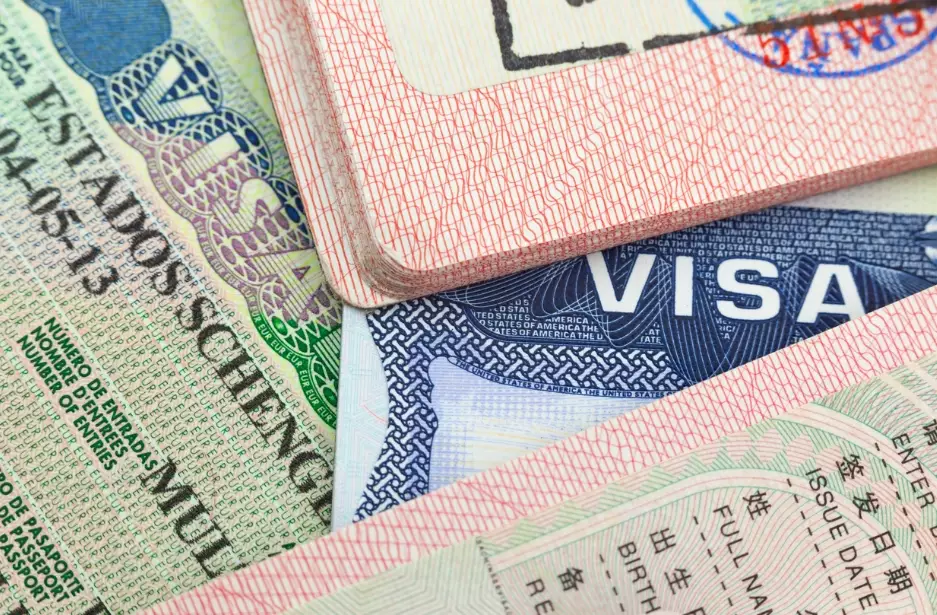
Your Japan Visa Questions Answered
Japan is waiting with open arms. The process is clear: check your passport's status, gather your documents if needed, and start planning the details. The iconic sights, the incredible food, and the unique culture are all accessible again. By understanding these rules and preparing properly, you're not just getting a visa—you're unlocking the door to an unforgettable experience.

Comments