I still remember my first trip to Tashirojima. The ferry rocked gently, the air smelled of salt, and as we docked, a tabby cat sat on the pier like a tiny welcoming committee. Japan's cat islands aren't just internet memes—they're real places where felines outnumber people, and visiting them feels like stepping into a whimsical, slightly surreal world. But here's the thing most blogs don't tell you: it's not always a picture-perfect paradise. Sometimes the cats hide, the weather turns, and you're left wondering if the long journey was worth it. After multiple visits to Tashirojima and Aoshima, I've learned the tricks to make these trips magical. This guide cuts through the fluff to give you the raw, practical details you need.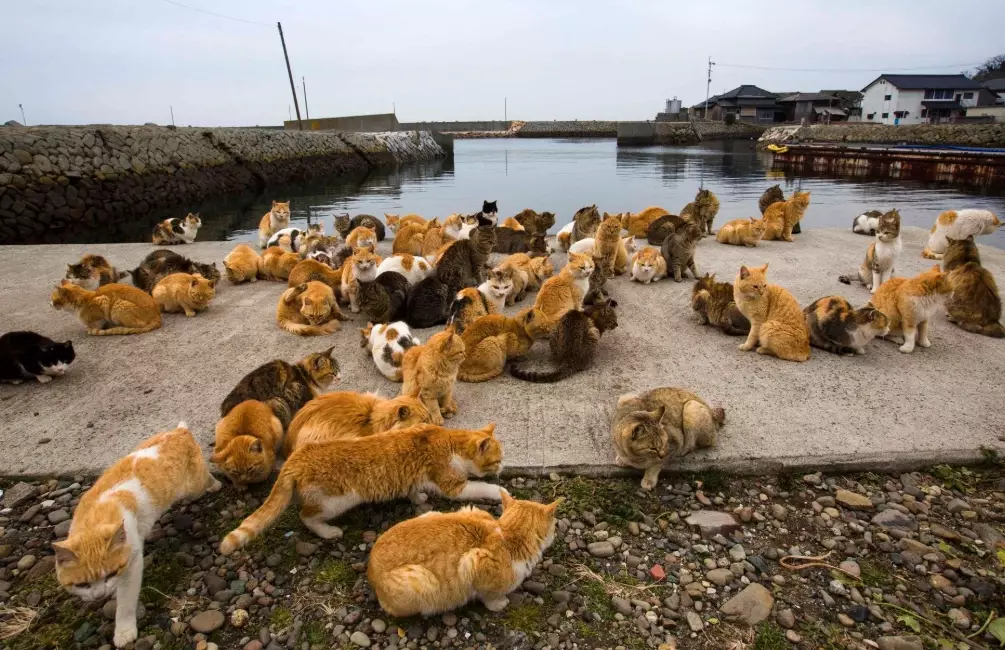
Your Quick Jump to Cat Island Info
What Are Japan's Cat Islands and Why Visit?
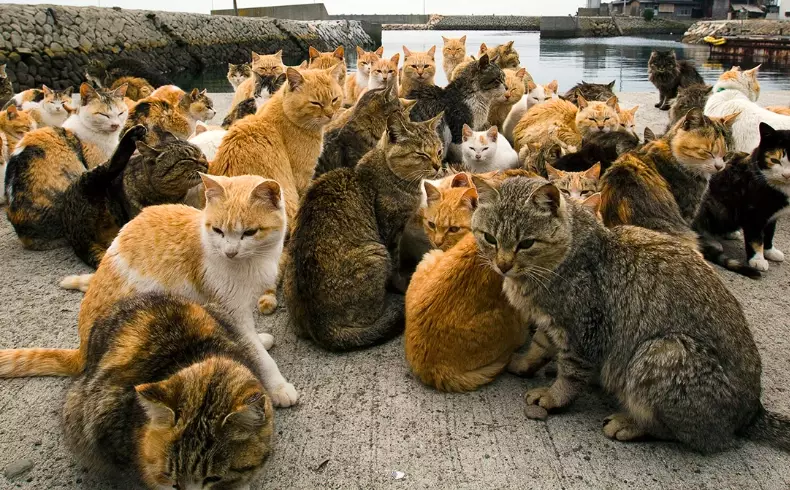
Japan's cat islands are remote spots where cats thrive due to historical quirks—like fishermen keeping them for luck or rodents control. The most famous are Tashirojima in Miyagi Prefecture and Aoshima in Ehime Prefecture. They've gained cult status online, but visiting is a different ball game. You go for the quiet, the scenery, and yes, the cats. But it's not a petting zoo. These cats are semi-feral, living on their own terms. If you expect them to flock to you, you might be disappointed. Instead, think of it as a slow travel experience: hiking trails, ocean views, and chance encounters with furry locals. It's for travelers who love offbeat adventures and don't mind a bit of unpredictability.
Tashirojima: The Original Cat Paradise
Tashirojima, often called "Cat Island," sits in Ishinomaki Bay. It's got around 100 cats and maybe 50 human residents. The vibe is peaceful, almost sleepy. I've been there three times, and each visit felt different—once in spring, with cherry blossoms framing cat naps, and once in autumn when the winds made the ferry ride choppy.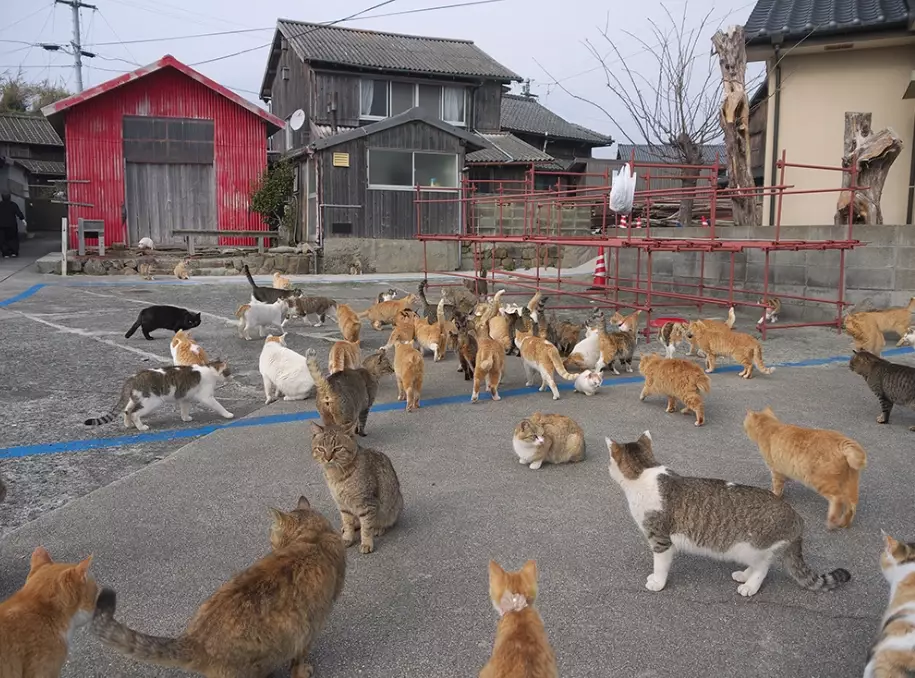
Location and How to Get There
The island is in Miyagi Prefecture, Tohoku region. The jumping-off point is Ishinomaki City. From Tokyo, take the Shinkansen to Sendai (about 1.5 hours), then a local train to Ishinomaki (another hour). From Ishinomaki Station, it's a short bus or taxi ride to Ishinomaki Port. Ferries depart from there—usually 2-3 times a day. The ride takes 40-50 minutes and costs around 1,300 yen one-way. Check the latest schedule on the Miyagi Kotsu website, as it changes with seasons. Pro tip: Arrive at the port at least 30 minutes early, especially on weekends. I missed a ferry once because of a queue, and the next one wasn't for two hours.
What to See and Do on Tashirojima
There are two main ports: Nitoda and Oodomari. Nitoda has more facilities, like a small visitor center. From there, you can walk to the Cat Shrine (Neko-jinja), a tiny shrine dedicated to a cat deity—it's charming but modest. The island has walking trails; I recommend the coastal path from Nitoda to Oodomari. You'll spot cats lounging on boats, under houses, or in sunny patches. Bring your own food and water—there's one basic shop near Nitoda, but hours are erratic. No entrance fees, but donations at the shrine are appreciated. Spend 3-4 hours to explore comfortably.
Insider Note: The cats are most active in the morning and late afternoon. Midday, they often nap in the shade. If you visit in summer, bring sunscreen and a hat—shade is scarce.
Practical Information: Hours, Costs, and Tips
The island is accessible year-round, but ferry services can be reduced in winter (December to February). Best time to visit is April to October. Here's a quick table for ferry details:
| Route | Departure Times (Sample) | Duration | Cost (One-Way) |
|---|---|---|---|
| Ishinomaki to Tashirojima | 9:00 AM, 12:00 PM, 3:00 PM | 40-50 min | ¥1,300 |
| Tashirojima to Ishinomaki | 10:00 AM, 1:00 PM, 4:00 PM | 40-50 min | ¥1,300 |
Always double-check times locally. Pack cash—card payments are rare. There are no hotels on Tashirojima, but you can find minshuku (guesthouses) in Ishinomaki if you plan to stay overnight. I stayed at Ishinomaki's Hotel Route Inn once; it's basic but clean.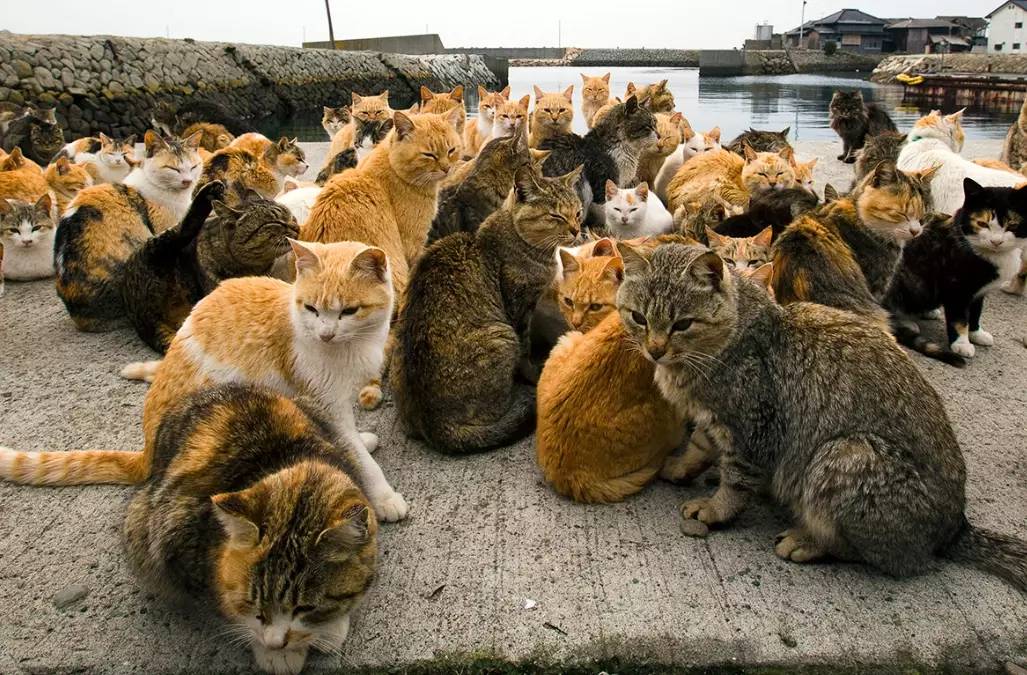
Aoshima: The "Cat Island" of Shikoku
Aoshima is smaller and more remote than Tashirojima. It's in Ehime Prefecture, Shikoku island. With about 10 human residents and over 100 cats, it's often called the "Cat Island" too. I visited last year, and the vibe was even quieter—almost eerie in its tranquility. It's less touristy, which means fewer crowds but also fewer amenities.
Getting to Aoshima
From major cities like Osaka or Tokyo, take a train to Matsuyama in Ehime. From Matsuyama Station, a local train to Iyo-Nagahama Station (about 1 hour). Then, walk to Nagahama Port. Ferries run only a few times a day—typically morning and afternoon. The ride is short, around 20 minutes, and costs 500 yen round-trip. Schedules are posted at the port; there's no official online booking, so just show up. I'd suggest arriving by 9 AM to catch the first ferry. Weather cancellations are common, so have a backup plan.
Exploring Aoshima
The island is tiny; you can walk around in an hour. Cats are everywhere—on rooftops, paths, and abandoned houses. There's a small shrine and a few benches. No shops or vending machines, so bring everything you need. The locals are friendly but keep to themselves. It's free to visit, but respect private property. I spent two hours there, just sitting and watching cats interact. It's meditative, but if you're looking for action, this isn't it.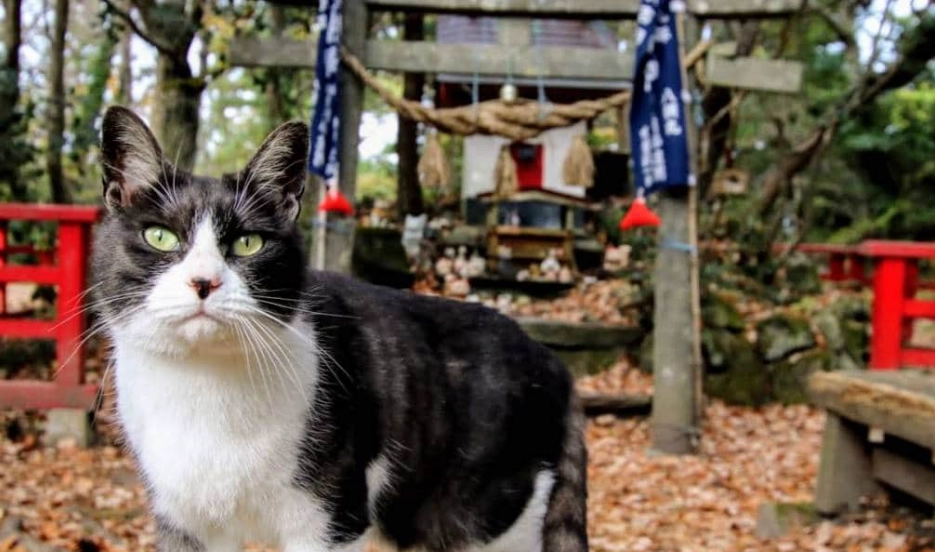
Cat Island Etiquette: How to Be a Respectful Visitor
This is where most tourists slip up. The cats aren't pets; they're community animals. On Tashirojima, I saw a visitor try to pick up a cat, and it hissed and ran off. Don't be that person. Here's my hard-earned advice:
- Don't chase or corner cats. Let them come to you. Sit still with some dry cat food (sold at Ishinomaki ports) and wait.
- No loud noises or sudden movements. It scares them. Speak softly.
- Don't feed them human food. It can make them sick. Stick to cat-specific treats.
- Clean up after yourself. Take all trash back with you—there are limited bins on the islands.
- Respect the residents. The human communities are small and aging. A smile and a nod go a long way.
I learned this the hard way when a local caretaker gently corrected me for offering a cat a piece of my sandwich. Now, I always pack a bag of kibble.
Planning Your Trip: Essential Tips from a Seasoned Traveler
Planning a cat island visit requires more than just booking a ferry. Here's my checklist, based on mistakes I've made:
- Check weather forecasts religiously. Ferries get canceled in rain or wind. I once got stuck in Ishinomaki for an extra day because of a storm.
- Pack light but smart. Essentials: water, snacks, hand sanitizer, sunscreen, rain jacket, power bank, and cash. Wear comfortable shoes—the paths can be uneven.
- Time your visit. Weekdays are quieter. Avoid Japanese holidays when locals might visit. Spring and autumn are ideal; summer can be hot and humid.
- Have a backup activity. If ferries are canceled, explore nearby: Ishinomaki has the Mangattan Museum, or Ehime has Dogo Onsen. Don't put all your eggs in one basket.
- Manage expectations. Not every cat will be friendly. Some might ignore you completely. That's okay—it's part of the experience.
On my last trip, I met a couple who were disappointed because they only saw a few cats. They'd rushed through the island. Slow down. Sit on a bench. The magic happens in the quiet moments.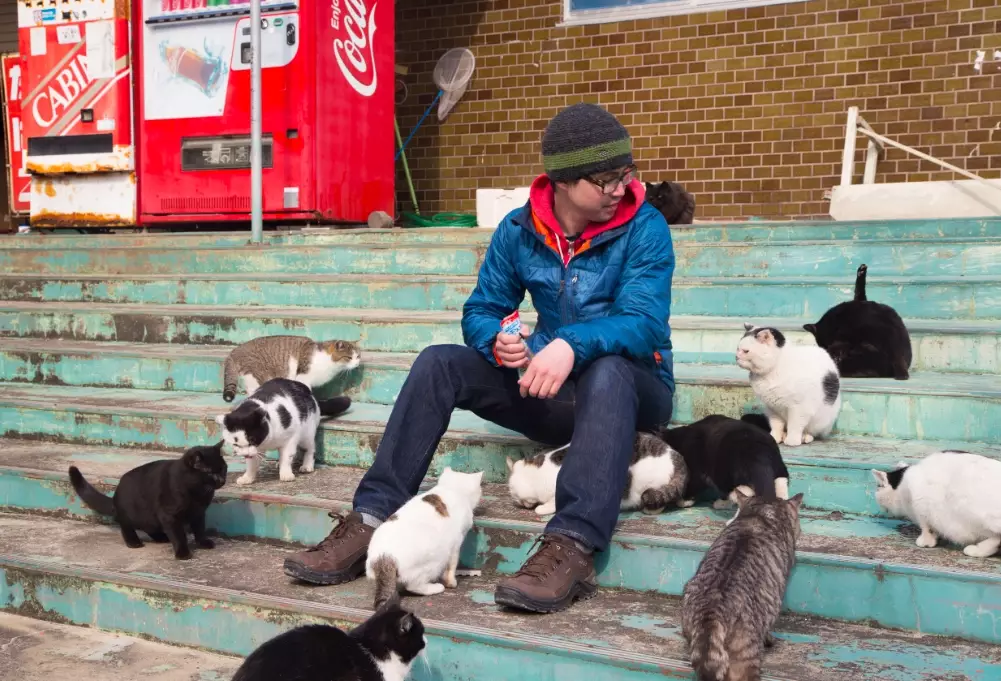
Frequently Asked Questions About Cat Islands
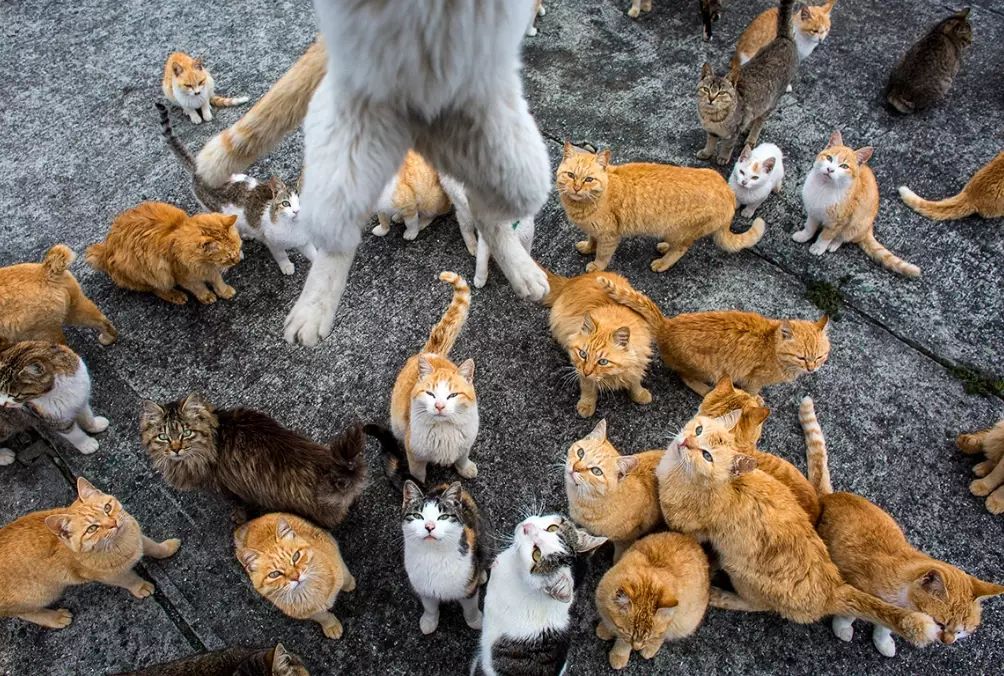 Visiting Japan's cat islands is more than a tick off a bucket list—it's a lesson in patience and respect. You'll come away with stories, maybe a few scratches, and a deeper appreciation for these quirky corners of the world. Just remember: go with an open mind, pack your sense of adventure, and let the cats set the pace.

Comments