In This Guide
- What Exactly Is a Japan Travel Advisory?
- Breaking Down the Risk Levels for Japan
- The Real Risks: What You Should Actually Worry About
- Cultural Norms and Social Safety
- Practical Preparedness: Your Pre-Trip Checklist
- Navigating Japan Safely: On-the-Ground Advice
- When Things Go Wrong: Emergency Scenarios
- Beyond the Advisory: The Local Perspective
- Frequently Asked Questions About Japan Travel Advisories
- Putting It All Together: Your Mindset for a Safe Trip
So you're thinking about going to Japan. Maybe you've been dreaming about sushi in Tokyo, temples in Kyoto, or the snow festivals up north. But then you hear the term "Japan travel advisory" and it gives you pause. What does it actually mean? Is Japan safe? Should you cancel your plans?
Let's be honest – government travel advisories can sound scarier than they often are. I remember planning my first trip and seeing that official language, my stomach did a little flip. But after spending months there over several trips, I've learned to read between the lines. Most of Japan is incredibly safe, but like anywhere, it has its things to watch for.
This guide isn't about scaring you off. It's about giving you the complete picture – the official Japan travel advisory information plus the practical reality on the ground. We'll break down what those government levels really mean, what risks actually exist (and which are overhyped), and how to prepare so you can enjoy an amazing trip with peace of mind.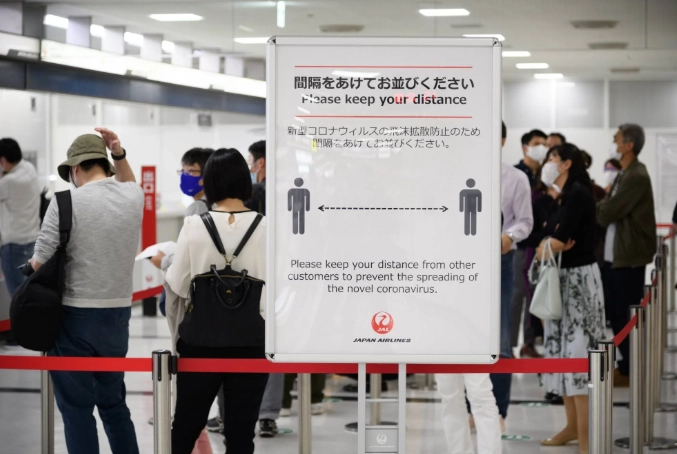
What Exactly Is a Japan Travel Advisory?
When governments issue a travel advisory for Japan, they're not making it up. They're consolidating information from their embassies, local contacts, and intelligence to give citizens a heads-up. But here's what most people miss – these advisories have levels, and the level matters way more than just seeing the words "travel advisory."
Different countries use slightly different systems, but they generally follow a similar pattern. The U.S. State Department, for example, uses a four-tier system. As of my last check (and this is why you should always verify closer to your trip), Japan sits at Level 1: Exercise Normal Precautions. That's the lowest level. It's basically saying "be a smart traveler" rather than "don't go."
Other countries like Canada, the UK, and Australia have similar systems. The UK's Foreign, Commonwealth & Development Office (FCDO) provides what I find to be particularly detailed, practical advice alongside their risk ratings.
The key is to actually read the details, not just the headline level. Sometimes the advisory will mention specific prefectures or cities with different advice. Fukushima prefecture, for instance, might get mentioned separately due to the 2011 nuclear incident, even though most areas are fine for travel now.
I made the mistake once of just glancing at the level without reading further. I almost skipped visiting Hiroshima because of outdated concerns I assumed were current. Don't be like me – read the actual content.
Breaking Down the Risk Levels for Japan
Okay, let's get into the nitty-gritty. What do these levels actually look like for Japan? Here's a practical translation of what each level means for your trip planning.
| Advisory Level | What It's Called | What It Really Means for Japan Travel | Areas Typically Affected |
|---|---|---|---|
| Level 1 | Exercise Normal Precautions | Japan is safe. Use common sense like you would in your home country. Be aware of natural disaster risks. This covers ~95% of tourist areas. | Tokyo, Kyoto, Osaka, Hiroshima, most of Hokkaido, etc. |
| Level 2 | Exercise Increased Caution | Some specific risks exist. Maybe higher crime in certain areas, or ongoing recovery from disaster. Still generally safe with extra awareness. | Sometimes mentioned for certain neighborhoods at night, or areas near active volcanoes. |
| Level 3 | Reconsider Travel | Significant risks. Governments suggest you think hard about whether travel is essential. Not common for Japan tourist areas. | Extremely rare. Might apply temporarily after major earthquake/tsunami before assessment. |
| Level 4 | Do Not Travel | Highest risk level. Serious threat to safety. Do not go there. | Virtually never applies to Japan. Would be for active war zones or similar. |
See? Context matters. When you hear about a Japan travel advisory update, the first question should be "what level and for where?" A Level 1 advisory for Tokyo is completely different from a Level 3 advisory for a specific region.
The Real Risks: What You Should Actually Worry About
Forget terrorism or crime for a moment. The actual risks you're most likely to encounter in Japan are very different from what you might expect. Based on both official advisories and traveler experiences, here's where your attention should really go.
Natural Disasters – Japan's Biggest Wild Card
This is the big one. Every single Japan safety travel advisory will emphasize natural disasters. Japan sits on the Pacific Ring of Fire, which means earthquakes, tsunamis, and volcanic activity are part of life there. But before you panic, understand that Japan is also the world's most prepared country for these events.
Earthquakes are frequent but mostly minor. You might feel a small tremor – I've experienced a few that just made the lamps sway. The building codes are incredibly strict. What you need is a plan, not fear.
- Know the drill: When you check into your hotel, locate the emergency exits and read the earthquake safety instructions (usually in your room or by the elevator).
- Download safety apps: The Japan Meteorological Agency has an excellent app (available in English) that provides early earthquake warnings. Yurekuru Call is another popular one.
- Tsunami zones: If you're in coastal areas, know where the tsunami evacuation routes are marked. They're literally painted on the streets in many places.
Volcanoes are monitored closely. The Japan Meteorological Agency maintains a volcanic activity page with current status. Most active volcanoes are in specific areas you're unlikely to visit randomly, but if you're hiking in certain regions, check this first.
Health and Medical Considerations
Japan has excellent healthcare, but accessing it as a foreigner can have hurdles. Your standard travel to Japan advisory will tell you to get travel insurance. Listen to them. I can't stress this enough.
A friend of mine broke his ankle slipping on a temple step in Nara. The hospital care was fantastic, but without insurance, he would have been looking at a bill over $3,000. Many hospitals require payment upfront if you're not in the national system.
Prescription medications are a crucial point. Japan has strict drug laws. Some common medications in other countries (like certain ADHD meds, strong painkillers, or even some over-the-counter allergy meds) are controlled or banned. You must:
- Check if your medication is allowed on Japan's Ministry of Health, Labour and Welfare website.
- If it's a controlled substance, you may need a "Yunyu Kakunin-sho" (import certificate). Start this process weeks before travel.
- Bring medicines in their original containers with the prescription label.
- Carry a doctor's note explaining what they're for.
COVID-19 protocols have largely normalized, but it's wise to check the latest entry requirements on the Japanese Ministry of Foreign Affairs website. Vaccination requirements come and go.
Regional Considerations and Specific Areas
Most government travel advice treats Japan as a whole, but some have notes on specific regions. Here's what you might find:
Fukushima Prefecture: This is the most common special mention. Due to the 2011 nuclear disaster, some governments advise against non-essential travel to areas near the Fukushima Daiichi plant. The thing is, that exclusion zone is clearly marked and quite limited. Cities like Fukushima City, Aizuwakamatsu, and most of the prefecture are considered safe and are open for tourism. Radiation levels in most areas are back to normal. But you should respect any posted restrictions.
Northern Kyushu (near Nagasaki): Occasionally you'll see mentions of this due to its proximity to North Korea. The risk of anything happening is minuscule, but it's in some advisories.
Rural mountain areas: These might get generic warnings about limited medical facilities or difficult terrain. Basically, if you're going way off the beaten path, have a solid plan.
Cultural Norms and Social Safety
Part of safety is understanding how not to accidentally offend people or get into awkward situations. Japan has some cultural nuances that, if misunderstood, can cause stress even if there's no real danger.
Let's talk about crime for a minute, because everyone asks. Petty theft is remarkably low. People leave laptops in coffee shops to save seats. Bikes are unlocked. I've never felt safer with my belongings. Violent crime against tourists is exceptionally rare. The main crime-related warnings in a Japan travel advisory usually involve:
- Nightlife districts: Places like Kabukicho in Tokyo or certain areas of Osaka's nightlife can have touts, overpriced bars, or occasional scams. Just use basic city smarts – if a deal seems too good to be true, it probably is.
- Drink spiking: Very rare but has been reported, usually in shady bars in Roppongi (Tokyo). Stick to reputable establishments.
- Police stops: You must carry your passport (or residence card if you live there). Police can ask to see it. Having a photocopy isn't legally sufficient, though it helps if you lose the original.
Now, the cultural stuff. This isn't about safety from harm, but safety from major embarrassment or causing offense.
Bathroom slippers. You'll see them in traditional inns (ryokan) and some restaurants. If you wear them outside the bathroom, you'll get looks. It's a hygiene thing.
Tattoos are still associated with organized crime (yakuza) in many people's minds. While younger Japanese are more relaxed, you might be denied entry to public baths (onsen), gyms, or some swimming pools if visible tattoos are showing. Many places now allow them if covered with patches, but check policies. This is one of the most common culture shocks for Western travelers.
Photography rules are strict. Don't take photos of people without permission, especially children. In sensitive places like temples during prayer, or in museums, follow the signs. Some areas of Kyoto's geisha districts (like Gion) have actually banned tourist photography in the evening because it was harassing the geiko and maiko.
Practical Preparedness: Your Pre-Trip Checklist
Reading a Japan travel advisory is step one. Acting on it is step two. Here's your actionable checklist to go from informed to prepared.
Before You Book Anything
1. Check the official sources for your country. Don't rely on blog posts (including this one) for the final say. Go to your government's travel website. Bookmark it.
2. Enroll in your country's traveler enrollment program. The U.S. has STEP (Smart Traveler Enrollment Program), Canada has Registration of Canadians Abroad. This lets your embassy know you're in the country so they can contact you in an emergency.
3. Verify your passport validity. Japan requires your passport to be valid for your entire stay. Some airlines might even require 6 months validity. Check.
Two Months Before Travel
1. Purchase comprehensive travel insurance. Make sure it covers medical evacuation (helicopter lift from a remote area is insanely expensive) and adventure activities if you plan any.
2. Sort out your medications. Begin the process for any import certificates if needed. This takes time.
3. Research your destinations within Japan. Are you going near any active volcanoes? Planning to hike remote trails? Understand the specific risks of your itinerary.
One Month Before Travel
1. Make digital copies of everything. Passport, insurance policy, credit cards, prescriptions. Store them securely online (like in a password-protected cloud folder) where you can access them if you lose your phone.
2. Learn basic emergency phrases in Japanese. "Tasukete!" (Help!), "Kyukyusha o yonde kudasai" (Please call an ambulance), "Keisatsu" (Police). Even trying helps.
3. Program emergency numbers into your phone. Japan's emergency number is 110 for police, 119 for fire/ambulance. Add your country's embassy number in Tokyo or Osaka.
One Week Before Travel
1. Re-check the travel advisories. Things can change. A volcano can become active, a typhoon can form.
2. Share your itinerary with someone back home. Include hotel names, flight numbers, and a rough daily plan.
3. Pack a small emergency kit. A basic first-aid kit, a power bank for your phone, a printed list of emergency contacts, some cash in yen stashed separately from your wallet.
Navigating Japan Safely: On-the-Ground Advice
You've arrived. The travel advisory for Japan is now reality. Here's how to apply that knowledge day-to-day.
Transportation safety: Japan's trains and subways are safe, clean, and efficient. The main risk is getting lost or pickpocketed in extremely crowded conditions (like Tokyo's Shinjuku Station at rush hour). Keep your bag in front of you. For women, some trains have women-only cars during rush hours – they're usually marked in pink. Use them if you'd feel more comfortable.
Taxi doors are automatic – don't try to open or close them yourself. The driver controls it. I've seen tourists nearly rip the doors off trying to be helpful.
Food and water safety: Tap water is safe to drink everywhere in Japan. The food hygiene standards are extremely high. The biggest risk is food allergies if you don't speak Japanese. Get an allergy card translated into Japanese if you have serious allergies. Cross-contamination is common in small kitchens.
Money and scams: ATMs at 7-Eleven (Seven Bank), Japan Post Offices, and major banks are reliable for international cards. Scams targeting tourists are rare but exist. The "hostess bar" scam: someone friendly invites you for a drink, you get a massive bill. Just politely decline invitations from touts on the street.
Lost and found is a genuine marvel in Japan. If you lose something, there's a good chance you'll get it back. Go to the nearest police box (koban). They take it seriously.
When Things Go Wrong: Emergency Scenarios
No one wants to think about this, but part of a good Japan travel advisory is knowing what to do in a bad situation. Let's walk through some scenarios.
If you feel an earthquake: Don't run outside. Falling debris from buildings is the main danger. Get under a sturdy table or desk, protect your head and neck. If you're outside, move to an open area away from buildings, power lines, and trees. If you're near the coast and feel a strong, long quake, move to higher ground immediately – don't wait for a tsunami warning.
If you need medical help: For serious emergencies, call 119. Ambulances are free in Japan, but the hospital care is not. Have your insurance details ready. For non-emergencies, look for a clinic or hospital with an "English available" sign. Many major cities have English-speaking clinics. The U.S. Embassy maintains a list of English-speaking medical facilities that can be useful for anyone.
If you lose your passport: Contact your embassy or consulate immediately. This is where that digital copy helps. They can issue an emergency travel document. Also, file a report at the local police station – you'll need it for the embassy and possibly for insurance.
If you're a victim of crime: Go to a police box (koban – they're everywhere) or call 110. They might bring an interpreter if needed. Get a copy of the police report (called a "jinshin jiko shomeisho") for insurance claims.
What about nuclear radiation fears?
This is probably the most common anxiety I hear, fueled by outdated information. The Fukushima exclusion zone is limited to a specific area. The Japanese government and independent organizations continuously monitor radiation levels. In Tokyo, Kyoto, Osaka, etc., radiation levels are normal – comparable to New York or London. You can check current readings yourself on sites like Japan's official Environmental Monitoring Database. Don't let irrational fear spoil your trip to safe areas.
Beyond the Advisory: The Local Perspective
Sometimes the best advice doesn't come from a government website, but from people who live there. I asked a few Japanese friends and long-term expats what they wish tourists knew about safety.
"Please don't walk and look at your phone," said Mari, a Tokyo office worker. "Our sidewalks are crowded, and you'll bump into someone, or worse, walk into traffic. It's rude and dangerous."
"The sun is stronger than you think," warned Ken, a hiking guide in Hokkaido. "Especially in mountainous areas. Tourists get severe sunburns in April or May because the air is cool but the UV is high. Bring sunscreen."
"Dehydration in summer is a real problem," added Sarah, an expat from the UK living in Kyoto. "It's humid, you're walking everywhere, and you might not feel thirsty until it's too late. Convenience stores have great sports drinks. Use them."
Their advice was consistently about practical, everyday things – not the dramatic risks highlighted in some advisories. Heatstroke in summer, hypothermia in winter mountains, slippery temple steps, exhaustion from over-scheduling. These are your real adversaries.
Frequently Asked Questions About Japan Travel Advisories
Is there a travel advisory against Japan right now?
As of this writing, no major country has an advisory against travel to Japan as a whole. Most have Level 1 "exercise normal precautions" advisories. There may be advisories for specific, limited areas (like the Fukushima exclusion zone), but not for the country. You must check your own government's site for the absolute latest, as this can change.
Do I need special vaccines for Japan?
Routine vaccines (MMR, diphtheria-tetanus-pertussis, etc.) should be up to date. The CDC sometimes recommends Japanese Encephalitis vaccine if you're spending a month or more in rural areas, especially during summer, or if you'll be doing extensive outdoor activities in those areas. For a standard city-focused tourist trip, it's usually not considered necessary. Consult a travel clinic doctor.
Are taxis safe at night in Tokyo?
Yes, they are very safe. Drivers are professional. The main issue is cost – they're expensive, especially late at night. Make sure the meter is running. It's also helpful to have your destination written down in Japanese or shown on a map, as not all drivers speak English.
What's the deal with the Yakuza? Should I be worried?
The Yakuza (Japanese organized crime) exist but have no interest in random tourists. They operate in specific business areas (construction, finance, adult entertainment). You will almost certainly never encounter them, and if you did, they wouldn't bother you. The biggest risk is accidentally wandering into one of their offices, which are sometimes marked with unusual signs or logos. Just be aware and don't take photos of buildings that look like they might be private.
Can I use my credit card everywhere?
Mostly, but not always. Major hotels, department stores, and chain restaurants accept cards. Small family-run restaurants, temples for entry fees, rural inns, and many market stalls are cash-only. Always carry some yen. The lack of card access isn't a safety issue, but it can become a problem if you're stranded without cash.
Putting It All Together: Your Mindset for a Safe Trip
After all this talk of the Japan travel advisory and risks, I want to leave you with the most important thing: your mindset.
Japan is not a dangerous country. The purpose of understanding travel advisories isn't to make you afraid, but to make you competent. A prepared traveler is a confident traveler, and a confident traveler has more fun.
The Japanese concept of "anshin" (安心) means peace of mind, a feeling of security. That's what you're aiming for. You get it by doing your homework (like reading this guide), making sensible preparations, and then letting go of unnecessary worry so you can soak in the incredible experience.
Respect the power of nature there. Pay attention to local customs. Carry your passport. Get insurance.
Then go eat that incredible ramen, wander through the bamboo forest, marvel at the efficiency of the shinkansen, and soak in that onsen. With the right preparation informed by a clear understanding of the actual Japan travel advisory landscape, you're set for an unforgettable adventure in one of the world's most fascinating and welcoming countries.
Safe travels.
Comments